Hot Process vs Cold Process Soap: Complete Comparison
Hot process or cold process soap? Compare the differences in cure time, appearance, design options, and fragrance retention to pick the right method for you.
The difference between hot process and cold process soap is heat. Cold process (CP) batter is poured into the mold as soon as it thickens to trace and finishes saponifying on its own over the next day or two, then cures for 4 to 6 weeks. Hot process (HP) batter is cooked, usually in a crockpot for an hour or more, so saponification is complete before the soap ever sees a mold. That one change decides almost everything else: CP gives you smooth bars and detailed designs, HP gives you soap you can use sooner and fragrance that survives intact. Both start from the same recipe out of the Soaply calculator, and this guide covers how each method works, what the finished bars are like, which additives survive each one, and how to pick.
- Quick Comparison
- What Is Cold Process Soap?
- What Is Hot Process Soap?
- What Happens During the Hot Process Cook?
- How Do the Finished Bars Compare?
- Which Additives Survive Each Method?
- Does Hot Process Soap Need to Cure?
- Which Should You Choose?
- Recipes and Calculators
- The Verdict
- Frequently Asked Questions
Quick Comparison
| Factor | Cold Process | Hot Process |
| -------- | -------------- | ------------- |
| Cook time | No cooking | 1-3 hours |
| Ready to use | 4-6 weeks cure | 1-2 weeks (some say immediately) |
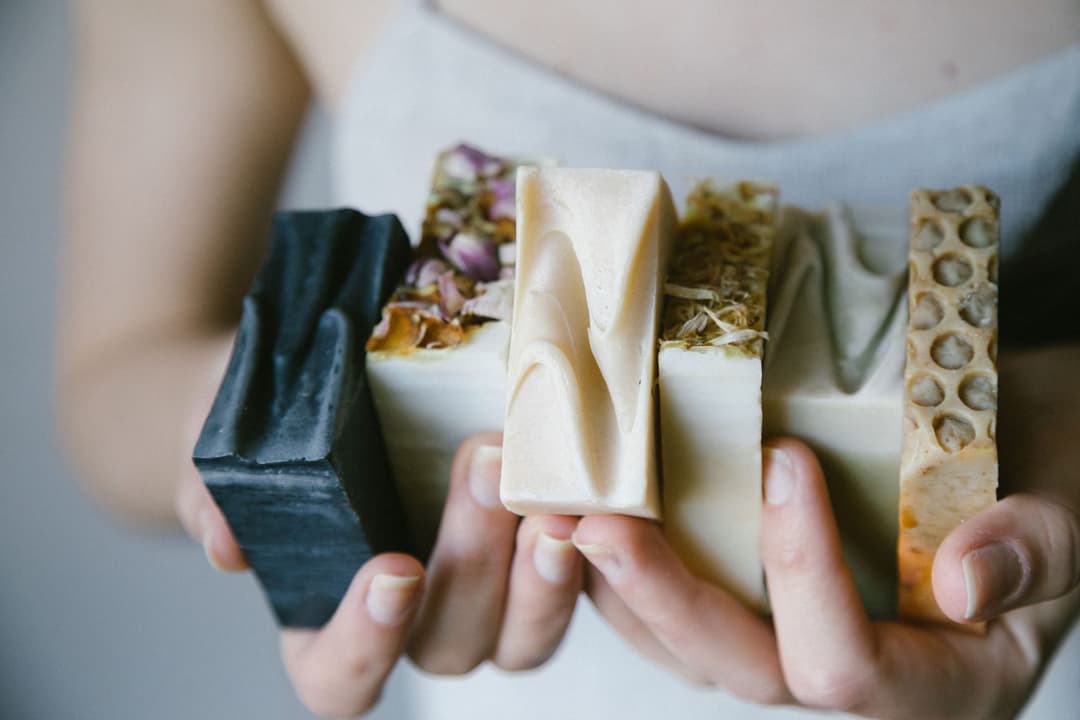
| Appearance | Smooth, polished | Rustic, textured |
| Design options | Excellent | Limited |
| Difficulty | Moderate | Moderate |
| Equipment | Basic | Crockpot/pot |
| Fragrance | Added at trace, exposed to lye | Added after the cook |
| Fixable if lye-heavy | No, must be rebatched | Yes, stir in more oil |
What Is Cold Process Soap?
Cold process soap is made by combining melted oils with a lye solution at roughly 100 to 120°F, blending until the batter reaches trace, and pouring it into a mold. No heat is applied after that. The reaction warms the loaf on its own, often enough to push it through gel phase, and saponification is mostly done within a day or two. The beginner's guide to cold process soap walks through a first batch step by step.
The CP Process
- Mix lye with water, let cool
- Melt/warm oils
- Combine at 100-120°F
- Blend to trace
- Add fragrance/color
- Pour into mold
- Insulate 24-48 hours
- Unmold and cut
- Cure 4-6 weeks
Pros of Cold Process
- Beautiful designs - Swirls, layers, embeds
- Smooth finish - Professional appearance
- Creative control - Endless design possibilities
- No babysitting - Pour and walk away
Cons of Cold Process
- Long cure time - 4-6 weeks before use
- Lye calculation critical - No second chances
- Fragrance goes through saponification - Some scents fade, discolor, or speed up trace
What Is Hot Process Soap?
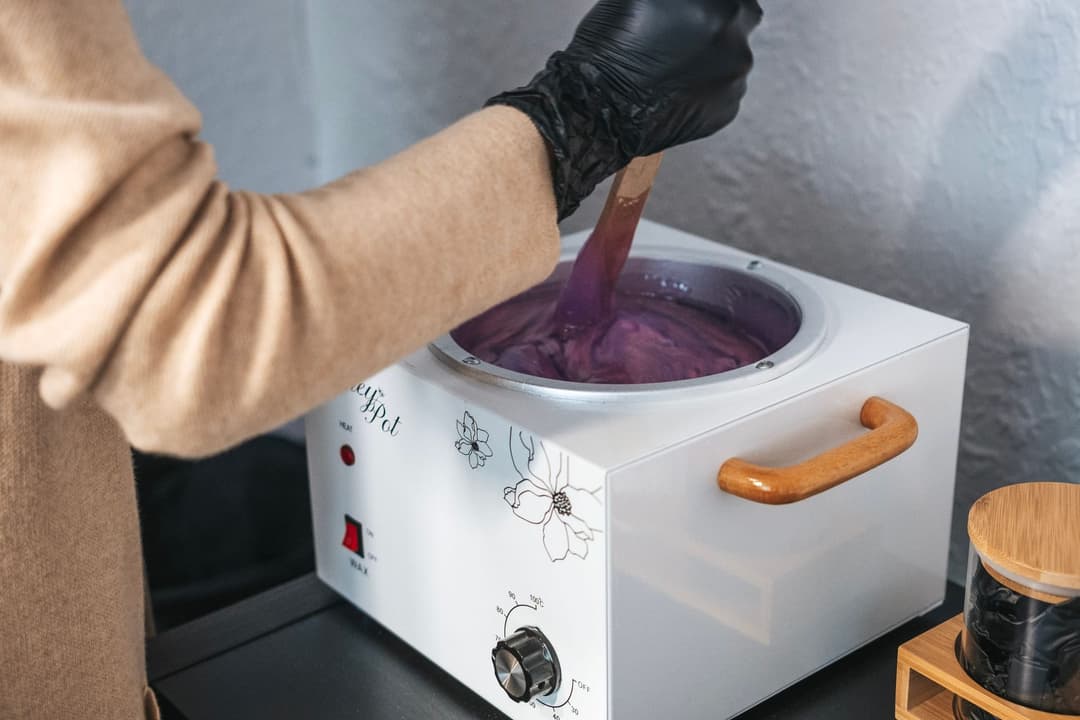
Hot process soap starts the same way, but instead of pouring at trace you keep the batter in a crockpot, double boiler, or oven-safe pot and cook it. Heat pushes saponification to completion in an hour or two rather than a day or two. When the cook is done the soap is already soap: there's no free lye left, so fragrance, color, and delicate additives go in after the heat and never meet raw lye. The trade-off is a batter with the texture of mashed potatoes that has to be spooned and pressed into the mold rather than poured.
The HP Process
- Mix lye with water
- Melt oils
- Combine and blend to trace
- Cook on low heat 1-3 hours
- Stir occasionally as it goes through stages
- When "vaseline" stage reached, add fragrance/color
- Spoon into mold (won't pour smoothly)
- Unmold when firm
- Can use in 1-2 weeks (or immediately for some)
Pros of Hot Process
- Faster usability - Use in 1-2 weeks (some say day 1)
- Fragrance stays - Added after saponification
- Forgiving - Can add more oil if lye-heavy
- Know it's done - No guessing about saponification
Cons of Hot Process
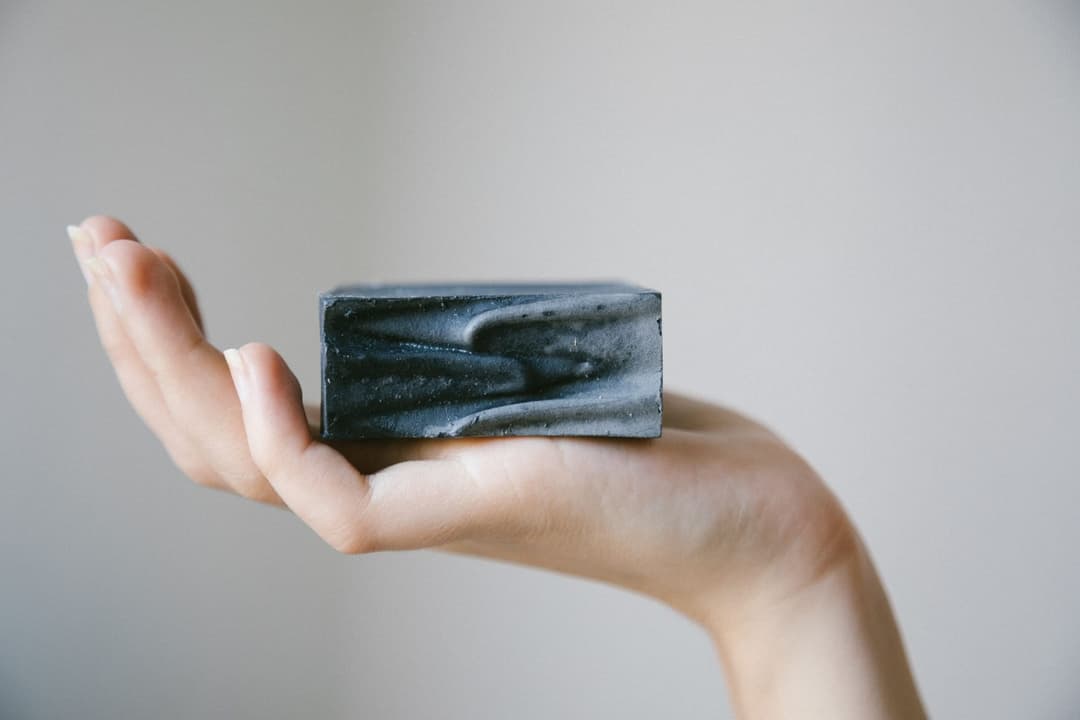
- Rustic appearance - Textured, lumpy finish
- Limited designs - No fine swirls
- Active monitoring - Must watch and stir
- Harder to mold - Thick, doesn't pour smoothly
What Happens During the Hot Process Cook?
The cook is where HP intimidates people, mostly because the batter looks broken for a while. It isn't. Every batch goes through the same stages, and once you know them the cook is easy to read.
Separation. Ten to twenty minutes in, the batter often splits, with oily liquid pooling on top and a thicker layer underneath. This looks like disaster and is normal. Stir it back together and keep the lid on.
Applesauce. The batter turns lumpy and loose, like chunky applesauce, and starts climbing the sides of the pot. Stir it down. If it rises fast, turn the heat off for a few minutes; a crockpot on high can push a batch over the rim.
Mashed potatoes. The texture goes thick, opaque, and stiff. Most of the reaction has happened by now. Keep the lid on so water doesn't cook off, and stir every ten minutes or so.
Vaseline, or gel. The soap turns translucent and glossy, like petroleum jelly, first at the edges and then all the way through. When there are no opaque patches left, the cook is done. A zap test at this point (a wet fingertip on the soap, touched to the tongue) should taste like soap with no electric sting.
How long this takes depends on your pot, your temperature, and your recipe. A crockpot on low usually lands somewhere in the 1 to 3 hour range in the table above. High olive oil recipes cook slower; recipes heavy in coconut oil finish sooner. Cooking past the gel stage doesn't make better soap, it just dries the batter out and makes it harder to mold.
After the cook, let the pot cool for a few minutes, then stir in fragrance and colorants and work fast. The soap stiffens as it cools. Some makers add a spoonful of yogurt or a little sodium lactate after the cook to make the batter more fluid and the tops smoother, which is where the "fluid hot process" style comes from.
How Do the Finished Bars Compare?
Appearance. CP bars are smooth with sharp edges and a glossy top. HP bars have a textured, rustic top and a slightly grainy cut face. You can smooth an HP top with a spatula dipped in alcohol, but it won't match a CP pour.
Feel and lather. Cured bars from the same recipe lather similarly. HP bars sometimes feel a touch softer at first because the cook drove off less water than a long CP cure does, which is one reason they still benefit from a rest.
Color. Micas and oxides look the same in both. Natural colorants behave differently: in CP they meet raw lye and can shift or fade, while in HP they go into finished soap and hold closer to their original shade.
Longevity. A CP bar cured 4 to 6 weeks and an HP bar cured the same length last about the same time in the shower. An HP bar used after a week is softer and disappears faster.
Time invested. CP takes 30 to 60 minutes of active work and weeks of waiting. HP takes 2 to 4 hours of active work and days to a couple of weeks of waiting.
Which Additives Survive Each Method?
This is the strongest practical reason to pick one method over the other.
Fragrance oils and essential oils. In CP they're added at trace and sit through saponification. Some fade, some discolor (anything with vanilla turns brown), and some accelerate trace or seize the batter. In HP they go into finished soap after the cook, so what you smell in the pot is what you get in the bar. Don't add them while the soap is still steaming, though; heat evaporates the light top notes of citrus and mint. Let it cool a bit first. Usage rates are the same for both methods and are covered in the fragrance load guide. For picking scents, see essential oils vs fragrance oils.
Honey, sugar, and milk. In CP these sugars feed the reaction, raise the temperature, and can scorch or turn the bar orange, which is why milk soap makers freeze their milk and skip insulation. In HP you can add honey or a little milk after the cook, where there's no lye left to scorch it. Honey stays golden, and the bar smells like honey.
Colorants. Micas, oxides, and clays work in both. In CP they're mixed into fluid batter and can be swirled. In HP they're stirred into thick batter, so you get marbled chunks rather than fine lines.
Botanicals and exfoliants. Oats, coffee grounds, poppy seeds, and dried petals work in both. Petals in CP often turn brown from the lye; in HP they keep more color because they never touch it.
Sodium lactate and salt. Both are usually dissolved into the cooled lye water before mixing, so they work the same way in both methods. HP makers also add sodium lactate after the cook to loosen the batter.
Does Hot Process Soap Need to Cure?
Yes, just not for the same reason CP does.
Saponification is finished when the cook ends, so an HP bar is safe to use the next day. But safe isn't the same as good. Fresh HP soap still holds most of the water that went into the lye solution, and that water has to evaporate before the bar is hard. A bar used at day two is soft, wears away quickly in the shower, and lathers less than the same bar will a few weeks later.
Curing also does something beyond drying. As the bar rests, its crystal structure develops and the soap gets milder and lathers better. This happens in HP soap too, just from a head start. Most HP makers give bars 1 to 2 weeks minimum, and the ones who compare notice that a 4 week HP bar is noticeably nicer than a 1 week one. The curing guide explains what's happening during those weeks in both methods.
Verdict: You CAN use HP soap immediately, but cured soap is better.
Which Should You Choose?
Choose Cold Process If:
- You want beautiful, designed bars
- You sell soap and need polished look
- You enjoy the creative design process
- You don't mind waiting for cure
- You prefer a hands-off approach
Choose Hot Process If:
- You want usable soap faster
- You prefer rustic, handmade aesthetics
- You want true fragrance retention
- You make soap for personal use
- You're using an expensive or delicate essential oil you don't want to lose to lye
- You want a safety net for measuring mistakes
Many makers end up doing both: CP for gift and market bars, HP for the shampoo bar or the batch that needs to be ready by Friday. If you're interested in liquid soap, that's a hot process method too, cooked with potassium hydroxide instead of sodium hydroxide.
Recipes and Calculators
Both methods use the same base calculations. Our Soaply calculator works for both:
- Enter your oils
- Set superfat percentage
- Set lye concentration
- Get lye and water amounts
The recipe is identical. Only the process differs. One practical note: because the HP cook drives off some water, HP makers often prefer the wetter end of the lye concentration range so the batter stays workable at the mold. Set that in the calculator rather than adding water by guesswork. The water discount vs lye concentration guide explains what that slider does.
The Verdict
There's no "better" method. Each has its place:
| Your Priority | Best Method |
| -------------- | ------------- |
| Beautiful designs | Cold Process |
| Fast usability | Hot Process |
| Selling soap | Cold Process |
| Personal use | Either! |
| Fragrance accuracy | Hot Process |
| Low maintenance | Cold Process |
Try Both!
The only way to know what you prefer is to try both methods with the same recipe. Use our Soaply calculator to create your recipe, then make it both ways. You might love one, or you might use both for different purposes.
Related Articles
- Beginner's Guide to Cold Process Soap - Step-by-step CP instructions
- Curing Soap: Why It Matters - Understanding the cure process
- Troubleshooting Failed Batches - Fix common problems with either method
💬 Frequently Asked Questions
Is hot process soap better than cold process?
Neither is better; they're different tools. Cold process gives you smooth, polished bars with detailed designs. Hot process gives you faster usability and better fragrance retention. Many soap makers use both methods depending on the project.
Can you use the same recipe for hot and cold process soap?
Yes! The base recipe (oils, lye, water) is identical. Use our calculator to get your measurements, then choose your method. The only difference is how you process the batter after reaching trace.
Does hot process soap need to cure?
Technically, saponification is complete after cooking, so HP soap is safe to use right away. However, curing for 1-2 weeks (ideally 4) makes the bar harder, longer-lasting, and milder. Learn more in our curing guide.
How long does hot process soap take to cook?
Usually 1 to 3 hours in a crockpot on low, depending on the recipe and the pot. It's done when the whole batch has turned translucent and glossy with no opaque patches, and a zap test comes back clean. Cooking longer than that only dries the batter out.
Why does my hot process soap look lumpy?
HP soap has a thick, mashed-potato consistency when you mold it, so the finish is naturally rustic and textured. You can smooth the top with a spatula or spray with alcohol, but it won't look as polished as cold process bars.
Ready to Try It?
Use our free soap calculator to create your perfect recipe with real-time property predictions.
Open Calculator