Hemp Seed Oil in Lotion: Benefits, Recipes, and How to Use It
Hemp seed oil makes a light, non-greasy lotion that calms dry, irritated skin. Get two easy recipes, the preservative rule, and fixes for a lotion that lasts.
This article contains Amazon links. As an Amazon Associate, Soaply earns from qualifying purchases at no extra cost to you.
Hemp seed oil makes one of the lightest, least greasy lotions you can put on your skin. It's loaded with omega-3 and omega-6 fatty acids, it's non-comedogenic so it won't clog pores, and it soaks in fast, which is why it turns up in so many lotions aimed at dry, itchy, or irritation-prone skin. You can buy hemp lotion off the shelf, but making your own costs a fraction of the price and lets you skip the fillers you don't want. This guide covers what hemp seed oil does in a lotion, how it's different from CBD oil, two recipes you can make at home, and how to keep the finished lotion from going rancid.
Quick pick: A bottle of cold-pressed, unrefined hemp seed oil is all you need to start. Buy it in a small size and keep it in the fridge, since it's one of the faster oils to go off.
- What Hemp Seed Oil Does for Your Skin
- Hemp Seed Oil vs CBD Oil vs Hemp Butter
- The Easy Way: Whipped Hemp Body Lotion
- The Real Deal: Water-Based Hemp Lotion
- How to Make Emulsified Hemp Lotion Step by Step
- Why Your Lotion Needs a Preservative
- How to Scent and Customize Your Hemp Lotion
- Storing Hemp Lotion So It Doesn't Go Rancid
- Troubleshooting Your Hemp Lotion
- Frequently Asked Questions
What Hemp Seed Oil Does for Your Skin
Hemp seed oil is pressed from the seeds of the hemp plant, and its whole appeal comes down to its fatty acid profile. It's rich in linoleic acid (an omega-6) and alpha-linolenic acid (an omega-3), plus a useful dose of gamma-linolenic acid, or GLA. That balance is close to what healthy skin already uses to hold moisture in, so hemp oil tends to feel more like it belongs on your skin than heavier oils that sit on top.
The standout trait for lotion-making is that it's non-comedogenic. Even though it's an oil, it has a low tendency to clog pores, which makes it one of the few facial-friendly oils that works for oily and combination skin as well as dry skin. It also absorbs quickly and leaves a light, matte-ish finish rather than a slick film.
Beyond simple moisture, hemp seed oil has a reputation for calming irritated skin. The fatty acids give it mild anti-inflammatory behavior, so people reach for it during flare-ups of eczema, psoriasis, and the dry, itchy patches that winter brings. It also carries natural vitamin E, an antioxidant that helps protect skin from everyday oxidative stress. None of this makes it a medicine, but as a daily lotion oil it earns its spot.
Hemp Seed Oil vs CBD Oil vs Hemp Butter
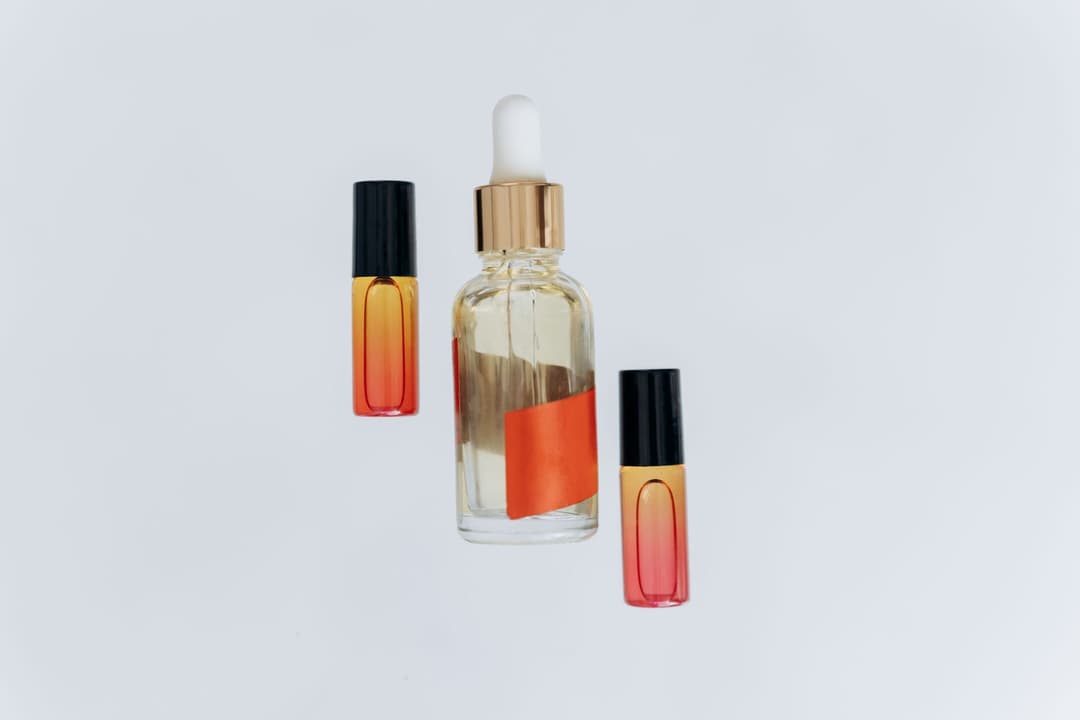
This trips up a lot of first-time buyers, so it's worth sorting out before you shop. Hemp seed oil is a simple pressed oil made from hemp seeds. It contains no meaningful CBD and no THC, so it won't do anything beyond what a good moisturizing oil does. It's the one you want for lotion, and it's the cheapest of the three.
CBD oil is a different product entirely. It's an extract of the hemp plant's leaves and flowers that's carried in another oil, and it's sold for its cannabidiol content at a much higher price. If a recipe or label just says "hemp oil," it almost always means hemp seed oil, not CBD. Read the ingredient list if you're unsure, since the two aren't interchangeable and you don't need CBD to make a lovely lotion.
Hemp seed butter is hemp oil that's been blended with a hydrogenated vegetable oil so it stays solid at room temperature. It behaves like a soft butter and adds body to a lotion or balm. It's handy, but it's optional. Plain liquid hemp seed oil plus a firm butter like shea does the same job in the recipes below.
The Easy Way: Whipped Hemp Body Lotion
If you want hemp on your skin tonight without buying special ingredients, make a whipped body lotion. This version has no water in it, which is the shortcut: with no water, there's nothing for bacteria or mold to grow in, so you don't need an emulsifier or a preservative. It's technically a whipped body butter, but it spreads like a rich lotion and it's the friendliest place to start.
| Ingredient | Amount | What it does |
| ------------ | -------- | -------------- |
| Shea butter | 1/2 cup (about 110 g) | Firm base and deep conditioning |
| Hemp seed oil | 1/4 cup (about 55 g) | Light, fast-absorbing moisture |
| Arrowroot or cornstarch | 1 to 2 tsp | Cuts the greasy feel |
| Vitamin E oil | 1/4 tsp | Slows the oils from going rancid |
| Essential oil (optional) | 10 to 15 drops | Scent |
Soften the shea butter first (let it sit at room temperature, or melt just a third of it and stir it back in), then whip it with a hand mixer until it's fluffy. Drizzle in the hemp seed oil a little at a time while you keep beating, add the arrowroot and vitamin E, and whip until it looks like frosting. Chilling the shea for ten minutes before the final whip helps it hold those airy peaks. Spoon it into a clean jar.
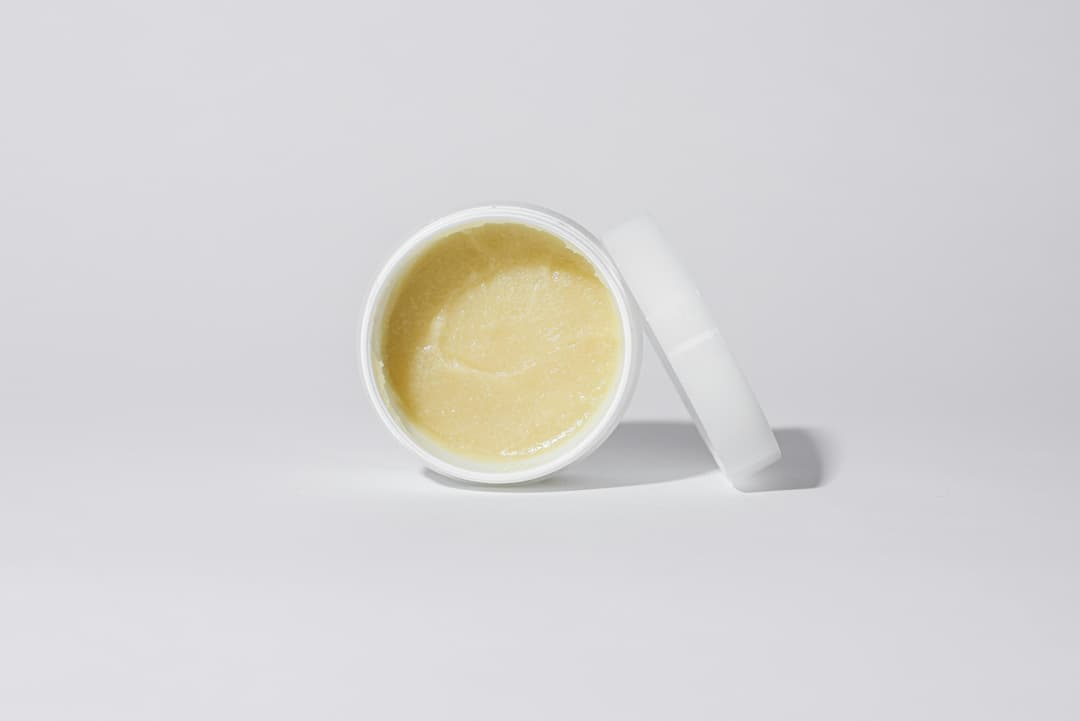
Because there's no water, this lotion keeps for about six months if you store it cool and dry. The one rule is to keep water out of the jar. Scoop it with clean, dry fingers or a small spatula, since introducing water is what would let mold get started. For more on this style, see the full whipped body butter guide.
The Real Deal: Water-Based Hemp Lotion
A true lotion is an emulsion, meaning it blends oil and water into one smooth cream that feels light and rubs in fast. That water is what makes lotion feel like lotion instead of like a rich balm. The catch is that mixing oil and water takes an emulsifier to hold them together, and because there's now water in the bottle, it also takes a preservative to keep it safe. Skip either one and you get a lotion that separates or grows mold within a couple of weeks.
Here's a beginner-friendly formula. It's written in percentages by weight, with grams for a 250 gram batch, because measuring skincare by weight on a kitchen scale is the only way to get repeatable results.
| Phase | Ingredient | Percent | For 250 g |
| ------- | ------------ | --------- | ----------- |
| Water | Distilled water | 74% | 185 g |
| Water | Vegetable glycerin | 3% | 7.5 g |
| Oil | Hemp seed oil | 12% | 30 g |
| Oil | Shea butter | 3% | 7.5 g |
| Oil | Emulsifying wax NF | 6% | 15 g |
| Cool down | Broad-spectrum preservative | 1% | 2.5 g |
| Cool down | Essential oil (optional) | 1% | 2.5 g |
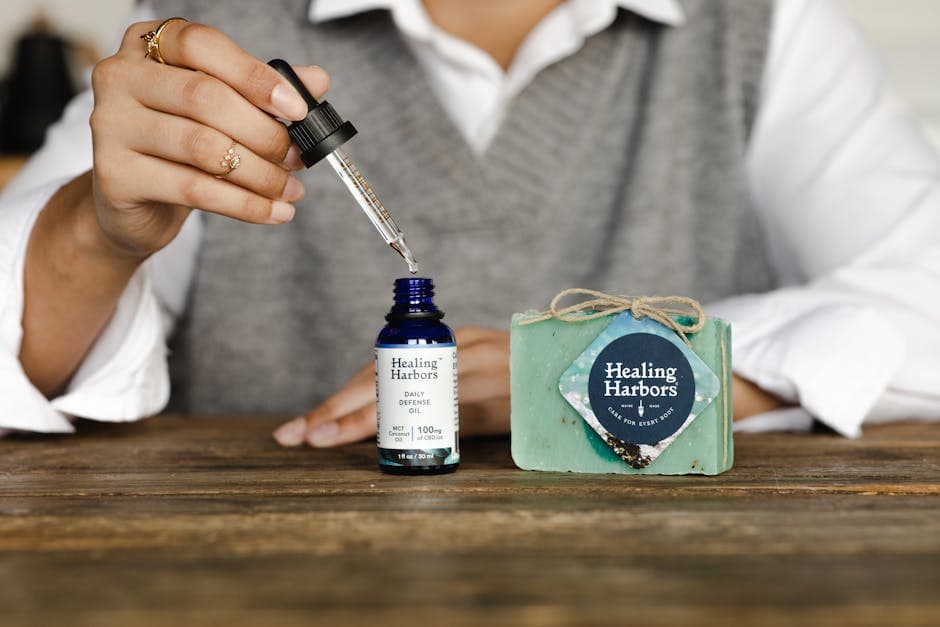
A few notes on the ingredients. Emulsifying wax NF is the ingredient that does the real work; it's not the same as beeswax, and beeswax will not emulsify a lotion on its own. Distilled water matters because tap water carries minerals and microbes that can throw off the emulsion and shorten shelf life. The glycerin is a humidifier that pulls moisture toward your skin, and it's optional. Follow your specific preservative's label for the exact percentage, since a product like Optiphen or Geogard ECT has its own recommended range.
How to Make Emulsified Hemp Lotion Step by Step
Making lotion is a lot like a small science experiment, and it goes smoothly once you understand the rhythm: heat two phases separately, combine them, blend, then cool and add the finishing ingredients.
- Heat the water phase. In a heatproof jar or measuring cup, combine the distilled water and glycerin. Set it in a pan of simmering water (a water bath) and bring it up to about 165 to 175°F.
- Heat the oil phase. In a second heatproof jar, combine the hemp seed oil, shea butter, and emulsifying wax. Warm it in the same water bath until the wax and butter are fully melted and clear, around the same temperature as the water phase.
- Combine while hot. Pour the water phase into the oil phase. Both need to be hot at the same time or the emulsion won't hold. The mix will turn cloudy and milky right away.
- Blend it. Use a stick blender or a small hand mixer and blend in short bursts. Within a minute or two the mixture starts to thicken into a pourable cream. Blend, rest, and blend again until it holds together.
- Cool before you add the rest. Let the lotion cool to below 105°F. Preservatives and most essential oils break down if you add them to a hot mix, so patience here protects both.
- Add preservative and scent. Stir in your preservative at the labeled rate and your essential oil, if using. Mix well so the preservative is evenly spread through the whole batch, not pooled in one spot.
- Bottle it. Pour or spoon the finished lotion into clean bottles or a pump. It will keep thickening slightly as it fully cools over the next few hours.
The hemp seed oil goes in the oil phase here, but keep the temperature gentle. Hemp oil is heat-sensitive, so a water bath rather than direct heat protects those fragile omega fatty acids.
Why Your Lotion Needs a Preservative
This is the part a lot of DIY recipes skip, and it's the one that matters most for safety. Any lotion that contains water needs a broad-spectrum preservative, full stop. Water is where bacteria, yeast, and mold grow, and a homemade lotion sitting in a warm bathroom is a perfect home for them. The danger is that contamination often looks and smells completely normal for a while, so you can't rely on your nose to tell you a lotion has turned.
Vitamin E, rosemary extract, and grapefruit seed extract do not count. Those are antioxidants, which slow oils from going rancid, but they don't kill microbes and can't protect a water-based product. A real preservative is a separate ingredient with a name like Optiphen, Geogard ECT, or Liquid Germall Plus, used at the small percentage on its label.
The whipped lotion from earlier sidesteps all of this because it has no water. That's exactly why anhydrous, waterless recipes are the safer starting point for beginners. The moment you add water, aloe juice, or a hydrosol to any recipe, a preservative stops being optional. If preserving a lotion feels like more than you want to take on right now, stick with the whipped version or with a solid lotion bar, both of which stay safe without one.
How to Scent and Customize Your Hemp Lotion
Hemp seed oil has a faintly grassy, nutty smell that most people find mild, but you can cover it easily. Skin-safe essential oils are the natural route: lavender, sweet orange, and cedarwood all pair nicely, and many of the same essential oils you'd use in soap work in lotion too. Keep the total to around 1 percent of your batch weight so it stays gentle on skin, and add it during the cool-down step, never to a hot mix.
For extra richness, you can trade a little of the hemp oil for another skin-loving oil. A touch of jojoba stretches shelf life since it barely oxidizes, while a spoonful of extra shea or a little cocoa butter makes a thicker, more protective cream for hands and heels. If you want a lighter facial lotion, drop the shea and lean on hemp oil alone, since its non-comedogenic nature suits that job well. Just remember that any add-in changes your ratios, so keep the emulsifier and preservative percentages steady even as you tweak the oils.
Storing Hemp Lotion So It Doesn't Go Rancid
Hemp seed oil is one of the shorter-lived carrier oils. All those healthy omega fatty acids are also what make it prone to oxidation, so the oil itself usually lasts about 12 to 14 months, and less once it's warm or exposed to light. Buy it in small bottles, keep the spare in the fridge, and check that it still smells fresh and grassy rather than sharp or paint-like before you use it.
Your finished lotion inherits that clock. A well-preserved water-based hemp lotion keeps for roughly three to six months; a waterless whipped version lasts about six months. Store both somewhere cool and dark, away from the shower's heat and steam, and label every jar with the date you made it. A few drops of vitamin E in the recipe slow the oils from turning. If a lotion ever smells off, changes color, or shows any specks of mold, throw it out. It's a common question, and the same rules that govern how long handmade soap lasts apply here, only lotion is far less forgiving because of the water.
Troubleshooting Your Hemp Lotion
The lotion separated into oil and water. Your two phases probably weren't hot enough at the same time, or the emulsifier was short. Reheat the whole batch gently, blend again hard with a stick blender, and next time make sure both phases hit temperature together with the full amount of emulsifying wax NF.
It feels greasy and won't sink in. There's too much oil for the water and emulsifier to carry. Nudge the hemp oil and butter down a couple of percent and the water up, or add a pinch of arrowroot to a whipped batch to cut the slip.
The whipped lotion turned grainy. That's the shea butter recrystallizing as it cooled slowly. Gently remelt the shea fully, then chill it fast in the fridge before whipping so the crystals set fine and smooth.
It smells sharp or like crayons. The hemp oil has oxidized and gone rancid. There's no fixing rancid oil, so start over with fresh oil, add vitamin E, and store the next batch cooler and darker.
💬 Frequently Asked Questions
Is hemp seed oil good for your skin?
Yes. Hemp seed oil is rich in omega-3 and omega-6 fatty acids that help skin hold moisture, and it's non-comedogenic so it won't clog pores. Its mild anti-inflammatory action makes it a popular choice for dry, itchy, or eczema-prone skin, and it absorbs quickly without leaving a heavy film.
Is hemp seed oil the same as CBD oil?
No. Hemp seed oil is pressed from hemp seeds and contains no meaningful CBD or THC, so it works purely as a moisturizing oil. CBD oil is an extract of the plant's leaves and flowers, sold for its cannabidiol content at a much higher price. For lotion, you want plain hemp seed oil.
Can you put hemp seed oil directly on your skin?
Yes, hemp seed oil is safe to apply straight to skin, and many people use it as a simple facial oil. Turning it into a lotion just makes it easier to spread, adds water for a lighter feel, and lets you scent it. Do a small patch test first if your skin is sensitive.
How much hemp seed oil should I put in lotion?
Around 10 to 15 percent of the total weight is a good range for a water-based lotion, balanced with an emulsifier and water. In a waterless whipped lotion you can go higher, since the oil is the main event. More than that and the lotion starts to feel greasy instead of light.
Does homemade hemp lotion expire?
Yes. A water-based hemp lotion keeps about three to six months with a proper preservative, and a waterless whipped version lasts about six months. Hemp oil oxidizes faster than most oils, so store lotion cool and dark, add vitamin E, and toss any batch that smells sharp or shows mold.
Start With the Right Oils
Hemp seed oil is one of those ingredients that's easy to fall for once you feel how light it is on your skin. Start with the whipped body lotion this weekend, then graduate to a proper emulsified batch once you've got an emulsifier and preservative on hand. The same bottle of hemp oil also makes a gentle hemp seed oil soap, and if you're building a shelf of handmade skincare, the best oils for soap making guide breaks down how every oil behaves so you can mix and match with confidence. When you're ready to make soap from scratch, the free Soaply lotion calculator runs the lye and water math for you so every batch comes out safe and balanced.
Ready to Try It?
Use the free Soaply lotion calculator to size your batch and get every ingredient in grams and percent.
Open Calculator