Troubleshooting Failed Soap Batches: Common Problems and Fixes
Soap not turning out right? Learn how to identify and fix common cold process problems like separation, soft bars, lye pockets, soda ash, and dreaded orange spots.
Most failed soap batches can be saved, and nearly all can be diagnosed by looking at the bar. Oil on top means the batter never emulsified. Shiny pockets that sting mean undissolved lye. A bar that's still mush after two days has too much water or too many soft oils. White powder is soda ash, which is cosmetic. Orange spots are rancid oil. Here's each problem in the order you'll meet it: what it looks like, why it happens, whether the soap is safe, and the fix. Most recipe failures trace back to numbers, so run every batch through the Soaply calculator before you mix.
- Is My Failed Soap Safe to Use?
- Why Is There Oil on Top of My Soap?
- What Are the Shiny Spots in My Soap?
- Why Is My Soap Still Soft After 48 Hours?
- Why Is My Soap Crumbly or Brittle?
- Why Did My Soap Seize or Rice?
- What Are Glycerin Rivers?
- Why Is There White Powder on My Soap?
- Why Did My Soap Crack or Overheat?
- What Causes Orange Spots on Soap?
- Why Did My Fragrance Fade?
- How to Rebatch a Failed Batch
- Prevention Checklist
- Frequently Asked Questions
Is My Failed Soap Safe to Use?
First, decide whether the problem is cosmetic or chemical. Soda ash, glycerin rivers, and a cracked top don't change what the soap does on skin. Excess lye, unmixed batter, and rancid oil do.
The zap test settles it. After the soap has sat in the mold at least 48 hours, wet a fingertip, touch the soap, then touch the fingertip to the tip of your tongue. Balanced soap tastes like soap. Lye-heavy soap gives a sharp electric zap, like licking a 9-volt battery. pH strips are a weaker check, since handmade soap reads around pH 9-10 whether it's balanced or slightly lye-heavy.
If the soap zaps, rebatch it with extra oil (see below) or discard it. If it doesn't, everything else here is fixable or, at worst, ugly.
Why Is There Oil on Top of My Soap?
What it looks like: Oil floating on the batter, weeping from the bar in the mold, or pooled in pockets when you cut.
Why it happens: The batter was poured before it reached a stable emulsion and separated again in the mold. A misbehaving fragrance oil or a big temperature gap between lye solution and oils can do the same, and so can lye calculated for different oils than you used.
Is it safe? Not yet. There's unreacted oil and unreacted lye in the same bar.
Fix: If the batter is still fluid, pour it back into the pot, blend to trace, and repour. If it's set, grate it and rebatch. Rerun the recipe through the calculator first with the oils you really used, since rebatching can't correct a wrong lye amount.
Prevention: Blend to a light trace at minimum, keep lye solution and oils close in temperature, and test new fragrance oils in a small batch.
What Are the Shiny Spots in My Soap?
What it looks like: Glossy, translucent, wet-looking spots or streaks inside the bar. They sting a wet finger.
Why it happens: Undissolved lye, or lye solution that never got mixed in. Lye that clumps at the bottom of the pitcher pours in as a lump, and stick blenders miss the edge of the pot.
Is it safe? No. Lye pockets are caustic and will burn skin.
Fix: Zap-test the bar in several places. If only the pockets zap, grate and rebatch so the lye spreads out and finishes reacting. If the whole bar zaps, rebatch with extra oil or discard it.
Prevention: Stir the lye solution until it's clear, pour it through a fine strainer, and scrape the sides of the pot while blending.
Why Is My Soap Still Soft After 48 Hours?
What it looks like: The bar dents under a fingertip days after pouring, or smears when cut.
Why it happens: Usually water. A low lye concentration means more water in the bar, and it has to evaporate before the bar firms up. A recipe heavy in soft oils (olive, sweet almond, sunflower) with little coconut, palm, tallow, lard, or butter is soft by design. A high superfat adds free oil that never hardens.
Is it safe? Yes, if it doesn't zap. Soft is slow, not dangerous.
Fix: Wait, or freeze the mold for a few hours and unmold while it's firm. Then give the bars a longer cure, tracked by weight as in the curing guide.
Prevention: Check the hardness prediction in the calculator before you mix. Raise the lye concentration so there's less water to lose; the lye concentration guide covers the trade-offs. Sodium lactate at 1 tsp per pound of oils gives a firmer bar at unmolding. Keep the superfat modest, since the superfat guide shows how free oil softens a bar.
Why Is My Soap Crumbly or Brittle?
What it looks like: The bar cracks when cut, corners break off, or it crumbles like dry cheese.
Why it happens: Two causes. The dangerous one is excess lye: a lye-heavy bar is hard, dry, crumbly, and it zaps. The harmless one is a recipe heavy in brittle fats, especially coconut oil above about a third of the recipe, cut too late. A hard loaf left a week in the mold shatters.
Is it safe? Crumbly and zapping means lye-heavy. Crumbly and not zapping is just brittle, and brittle bars still clean.
Fix: If it zaps, rebatch with extra oil to bring the superfat up, then retest once it cools. If it doesn't zap, use it as is.
Prevention: Double-check every calculator input, especially oil weights and the unit setting. Ensure 5%+ superfat so small measuring errors land on the safe side. Cut most recipes within 24 to 48 hours, and high-coconut or salt bars within hours of pouring.
Why Did My Soap Seize or Rice?
What it looks like: Seizing is batter that goes from pourable to solid in seconds. Ricing is batter that turns grainy, like cottage cheese, right after the fragrance goes in.
Why it happens: Almost always the fragrance oil. Certain components in florals, spice blends, and bakery scents kick saponification into high gear. High lye concentration, hot temperatures, and overdosing the scent make it worse, so check your rate against the fragrance load guide.
Is it safe? Yes, once it passes the zap test. Seized soap is ugly, not dangerous.
Fix: For ricing, a few more seconds of stick blending usually smooths it out. For seizing, spoon the batter into the mold and press it down, or cook it hot process style in a slow cooker until translucent, then mold.
Prevention: Look up how a fragrance behaves before you buy it, add it at emulsion, and stir by hand.
What Are Glycerin Rivers?
What it looks like: Clear or translucent veins running through an otherwise opaque bar, most visible in soap colored with titanium dioxide.
Why it happens: The soap got hot enough in the mold that glycerin, a byproduct of saponification, migrated into channels before the bar set. High water content, heavy insulation, and sugars all push the temperature up.
Is it safe? Completely. Some makers cause rivers on purpose for the look, so there's nothing to fix.
Prevention: Raise the lye concentration, skip the insulation, and soap cooler. For a white bar without rivers, disperse titanium dioxide in oil rather than water.
Why Is There White Powder on My Soap?
What it looks like: A chalky white film on the top of the loaf or on cut faces, usually only where the soap touched air.
Why it happens: Soda ash is sodium carbonate, formed when unreacted lye at the surface meets carbon dioxide before saponification finishes. Cold temperatures, no gel phase, high water content, and an uncovered mold all give the surface more time to react with air.
Is it safe? Yes. It washes off with the first use and only matters if you sell soap.
Fix: Steam it off, rinse the bar, or plane the surface with a vegetable peeler.
Prevention: Spray the freshly poured top with 91% isopropyl alcohol, then again ten minutes later. Cover the mold, let the soap gel, and use less water. The alcohol spray is the most reliable step.
Why Did My Soap Crack or Overheat?
What it looks like: A crack down the center of the loaf, a domed "volcano" top, a dark ring in the middle when cut, or a scorched smell.
Why it happens: Saponification makes heat, insulation traps it, and sugar pushes it higher. Milk soaps are the classic case, which is why the milk soap guide soaps cold and refrigerates the mold. Honey, beer, puree, and heating fragrance oils do the same.
Is it safe? Yes, if it passes the zap test. Test a volcano carefully, since the overflow may not have mixed evenly.
Fix: Use the bars, or cut off the cracked top. A dark center in milk soap is a color change, not spoilage.
Prevention: Don't insulate recipes with sugars; refrigerate the mold for the first 24 hours instead. Soap cooler and use a slightly higher lye concentration so there's less liquid to heat.
What Causes Orange Spots on Soap?
What it looks like: Rusty orange spots that appear weeks or months into the cure, often with a crayon smell. Makers call it DOS, for dreaded orange spots.
Why it happens: Rancid oil. Unsaturated fats oxidize over time, and the free oil in the superfat is the most exposed. Old oil, high-linoleic oils (grapeseed, hemp, sunflower, walnut), a high superfat, warm humid storage, and rust from a metal rack all speed it up.
Is it safe? Mostly. A few spots are cosmetic, and even a bar spotted throughout won't hurt you.
Fix: Cut out isolated spots. Use badly affected bars for laundry.
Prevention: Buy oils in quantities you'll use within a few months. Keep high-linoleic oils under 10% of the recipe. Add rosemary oleoresin extract (ROE) to the oils at 0.1% or less by weight. Store bars cool and dry, never on bare metal.
Why Did My Fragrance Fade?
What it looks like: Soap that smelled strong on pour day and smells like nothing six weeks later.
Why it happens: Some scents are volatile and evaporate during the cure, with citrus essential oils the worst offenders. Some fragrance oils don't survive the high pH of raw soap, which is why suppliers label whether a scent is cold process stable. Some batches were dosed too lightly.
Is it safe? Yes. It's a scent problem only, and a finished bar can't be re-scented.
Prevention: Use the supplier's recommended rate, checked against the fragrance load guide; 1 oz per pound of oils is the usual ceiling. Anchor volatile top notes with a fixative such as benzoin, clay, or patchouli, and choose essential oils that hold in cold process, like lavender, litsea, peppermint, and most woods.
How to Rebatch a Failed Batch
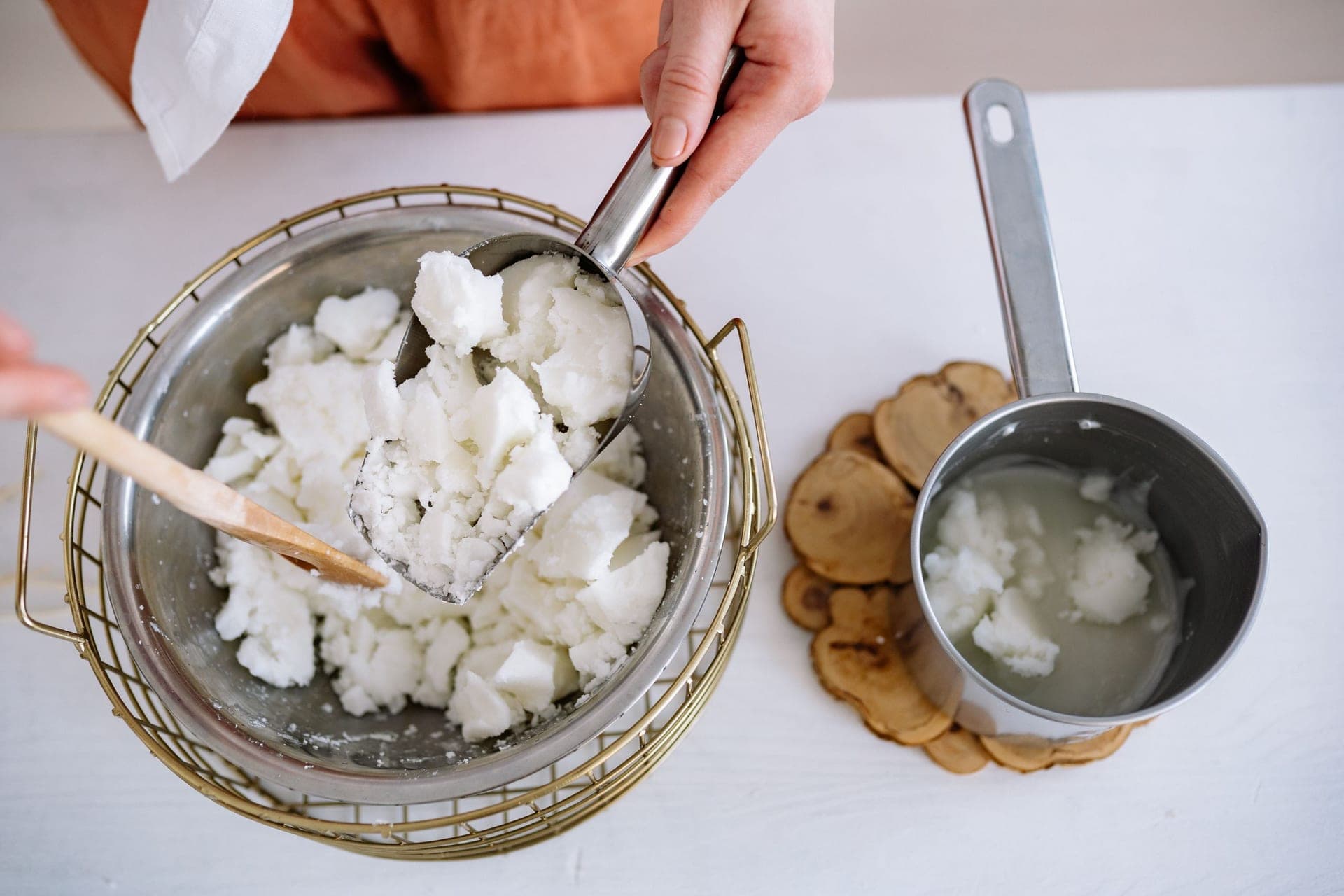
Rebatching is the universal fix for chemical problems: separated batter, lye pockets, a seized loaf, a lye-heavy bar. It re-melts the soap so it can finish reacting. It won't fix rancid oil.
- Grate or finely chop the soap
- Put it in a slow cooker on low with a splash of water or milk, roughly a tablespoon per pound of soap
- Cover, heat, and stir every 15 to 20 minutes until it looks like translucent mashed potatoes
- If the batch was lye-heavy, rerun the recipe in the calculator at the superfat you want and weigh in the extra oil now
- Add fragrance and color, press firmly into the mold, and cure as normal
The result looks rustic but works like any other bar. The rebatching guide goes deeper on liquid amounts and timing.
Prevention Checklist
Before every batch:
- Weigh in grams, and check the scale is set to grams
- Run the exact oils you're using through Soaply, even for a repeat batch
- Confirm the lye solution is clear, and strain it
- Look up how the fragrance behaves in cold process
- Use fresh oils and bring the batter to a real trace
- Wrap plain recipes, chill sugar and milk recipes
- Write down what you did
Keep Learning
Most of these problems are a ten-minute fix once you know the cause. Start with the beginner's guide to cold process soap for the basics, and use the Soaply calculator for every batch. Its bar property predictions flag soft, brittle, and stripping recipes before you've weighed a single oil.
💬 Frequently Asked Questions
Can I fix a failed soap batch?
Most failed batches can be saved through rebatching. Grate or chop the soap, melt it in a slow cooker with a splash of water, add extra oil if the batch was lye-heavy, then remold. The texture is more rustic, but the soap works fine.
Why is my soap soft after 48 hours?
Soft bars usually mean too much water or not enough hard oils. Wait longer (up to 5 days for high-olive recipes) or freeze the mold before unmolding. Next time use a higher lye concentration, more hard oils, and sodium lactate at 1 tsp per pound of oils.
What causes orange spots on cured soap?
Orange spots (DOS) are caused by rancid oils in the bar. They're more common with short shelf-life oils like hemp seed or grapeseed. Prevention includes using fresh oils, keeping unstable oils under 10%, and adding Rosemary Oleoresin Extract as an antioxidant.
How do I know if my soap has too much lye?
The zap test works: touch a wet finger to the soap, then to your tongue. If it "zaps" like a 9V battery, there's excess lye. pH strips are less useful, since balanced and mildly lye-heavy soap both read around pH 9-10. Always double-check recipes in a lye calculator before mixing.
Ready to Try It?
Use our free soap calculator to create your perfect recipe with real-time property predictions.
Open Calculator