DIY Laundry Soap: How to Make Homemade Laundry Soap That Works
Make DIY laundry soap at home with 3 simple ingredients. Get powder and liquid recipes, real cost math, and honest tips on what works in HE and hard water.
This article contains Amazon links. As an Amazon Associate, Soaply earns from qualifying purchases at no extra cost to you.
DIY laundry soap takes three things: a bar of real soap, washing soda, and borax. Grate the bar, mix it with the powders, and you have a batch that washes a load for a few cents. You can make it as a powder in ten minutes or cook it into a liquid in about an hour. This guide gives you both recipes, the honest truth about how well homemade laundry soap cleans, and how to pick (or make) the right bar soap so your laundry actually comes out fresh.
- What Is DIY Laundry Soap?
- Ingredients You Need
- Powder Laundry Soap Recipe
- Liquid Laundry Soap Recipe
- The Best Bar Soap to Use
- Does Homemade Laundry Soap Actually Work?
- How Much Does DIY Laundry Soap Cost?
- Tips for Better Results
- Frequently Asked Questions
What Is DIY Laundry Soap?
Homemade laundry soap is a blend of grated bar soap and two laundry boosters: washing soda and borax. The grated soap lifts oils and grime off fabric, the washing soda raises the water's pH so it cuts grease and softens the water a little, and the borax brightens and helps the whole mix rinse cleaner.
There's one thing worth being upfront about. What you're making is technically laundry soap, not laundry detergent. True soap is made by saponifying oils and fat, the same reaction behind every bar in our beginner's guide to cold process soap. Commercial liquid detergents are built from synthetic surfactants instead. That difference matters in hard water and high-efficiency machines, and we'll get into it below. For a lot of homes, though, a well-made DIY laundry soap handles everyday loads just fine at a fraction of the price.
Ingredients You Need
You only need three core ingredients, plus an optional scent. Here's what each one does and roughly what it costs.
| Ingredient | What it does | Where to get it |
| ------------ | -------------- | ----------------- |
| Bar soap (about 4-5 oz) | Lifts dirt and oils from fabric | Make your own or buy a pure bar |
| Washing soda (sodium carbonate) | Boosts cleaning, softens water | Laundry aisle |
| Borax (sodium borate) | Brightens, deodorizes, helps rinse | Laundry aisle |
| Essential oil (optional) | Adds a light scent | Soap or health shop |
A few quick notes before you start:
- Washing soda is not baking soda. Washing soda (sodium carbonate) is far more alkaline than baking soda (sodium bicarbonate). You can grab super washing soda in the laundry aisle, or make your own by baking baking soda at 400F for an hour.
- Borax is optional but useful. Some people skip borax over personal preference. The recipe still works without it, just with a little less brightening power.
- Use a real soap bar, not a synthetic "beauty bar." More on that below.
Powder Laundry Soap Recipe
This is the fastest version and the one most people start with. It stores for ages and takes up almost no space.
You'll need:
- 1 bar (about 4-5 oz) of pure bar soap
- 1 cup washing soda
- 1 cup borax
- A box grater or food processor
- An airtight container
Steps:
- Grate the soap. Use the fine side of a box grater, or pulse chunks in a food processor for a finer texture that dissolves faster. A sturdy box grater is all you need.
- Grind it finer (optional). For top-loaders and cold-water washes, blitz the grated soap in a food processor with a spoonful of the washing soda until it's almost powdery. The finer the soap, the better it dissolves.
- Mix everything. Combine the grated soap, washing soda, and borax in your container. Stir or shake until it's even.
- Add scent (optional). Drop in 15 to 20 drops of an essential oil like lavender or lemon and stir again. A little goes a long way.
- Store it sealed. Keep it in an airtight container away from moisture so it doesn't clump.
How much to use: 1 to 2 tablespoons per load. Use the higher amount for large or heavily soiled loads. For cold-water washes, dissolve the powder in a cup of hot water first, then pour it in, since soap doesn't dissolve well in cold water.
Liquid Laundry Soap Recipe
Liquid laundry soap dissolves better in cold water and feels more like the store-bought product, but it makes a big batch you'll need room to store. This recipe yields roughly two gallons.
You'll need:
- 1 bar (about 4-5 oz) of pure bar soap, grated
- 1/2 cup washing soda
- 1/2 cup borax
- About 4 quarts (1 gallon) of water, plus more to dilute
- A large pot and a 2-gallon bucket
Steps:
- Melt the soap. Add the grated soap to about 4 cups of water in a pot over medium heat. Stir until the soap fully dissolves. Don't let it boil over.
- Add the boosters. Stir in the washing soda and borax until everything dissolves into the hot soap mixture.
- Combine in a bucket. Pour about 4 cups of hot water into a 2-gallon bucket, add your soap mixture, then top up with another gallon or so of water. Stir well.
- Let it rest. Cover and leave it overnight. It will thicken and often turn into a soft gel. That's normal.
- Stir and bottle. Give it a good stir to break up the gel, then funnel it into jugs. Shake before each use, since separation is normal with real soap.
How much to use: about 1/4 to 1/2 cup per load. The texture varies batch to batch depending on your soap, so judge by how it cleans and adjust from there.
The Best Bar Soap to Use
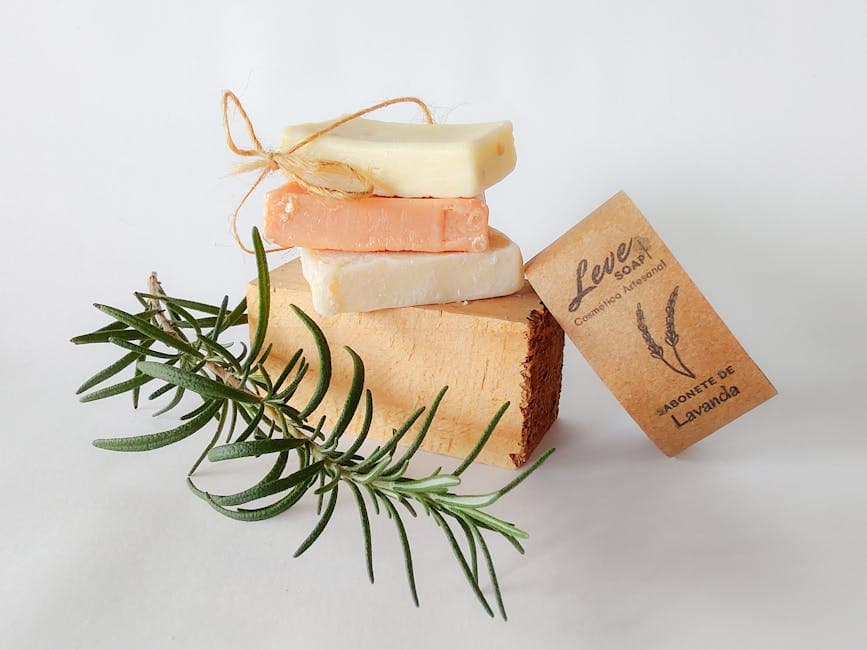
The bar you choose makes or breaks your DIY laundry soap. You want a pure, hard-working soap, not a moisturizing beauty bar loaded with extra oils that can leave a film on clothes.
The classic store-bought picks are Fels-Naptha, Zote, and plain castile soap. They're inexpensive and built to grate.
Here's where making your own pays off, though. A high-coconut-oil bar is a fantastic laundry soap base because coconut oil is the most cleansing soaping oil there is. If you make soap already, a simple 100% coconut bar at a low superfat is close to ideal for laundry, and our 100% coconut oil soap recipe walks through it. A plain castile soap bar works too if you prefer something gentler.
The trick is keeping the superfat low. Superfat is the extra unsaponified oil left in a bar to be kind to skin, but in laundry that leftover oil is exactly what you don't want, since it can deposit on fabric. For a dedicated laundry bar, drop your superfat to 0 or 1 percent so almost all the oil turns into cleansing soap. The free Soaply soap calculator lets you set the superfat and see the cleansing number climb before you mix a thing, so you can design a bar built for the wash rather than the shower.
Does Homemade Laundry Soap Actually Work?
Yes, with honest caveats. For everyday dirt on normally soiled clothes, a well-made batch cleans well and costs a fraction of commercial detergent. Millions of people use it happily.
But you should know its limits going in:
- Hard water is the big one. Real soap reacts with the minerals in hard water to form soap scum, which can build up on fabric over time and leave clothes feeling stiff or dingy. The washing soda helps soften the water, but in very hard water a synthetic detergent simply performs better. Adding a half cup of white vinegar to the rinse helps cut buildup.
- It's a soap, not a stain-fighting detergent. Homemade laundry soap has no enzymes or optical brighteners, so it won't lift set-in protein or grease stains the way an enzyme detergent does. Pre-treat tough stains separately.
- HE machines need caution. Soap can suds more than HE washers are designed for. Use small amounts, and if your manual warns against it, this may not be the right choice for your machine.
If your clothes start looking dull after a few months, that's usually soap and mineral buildup, not a sign the recipe failed. A periodic vinegar rinse or a wash with an oxygen booster resets it.
How Much Does DIY Laundry Soap Cost?
The savings are the main reason people make it. The rough math works out like this: a box of washing soda and a box of borax each run a few dollars and make many batches, and a bar of soap is cheap or free if you make your own. Spread across the loads one batch covers, a powder recipe often lands somewhere around 5 to 10 cents per load.
Compare that to commercial detergent, which commonly runs 20 to 35 cents per load or more for name brands. Even at a conservative estimate you're cutting your laundry cost by half or better. Treat these as ballpark figures, since prices vary by brand and region, but the direction is clear: homemade is meaningfully cheaper, and it's cheaper still when your bar soap comes from your own kitchen.
Tips for Better Results
A few habits separate a batch that works from one that disappoints:
- Grate finely. The finer the soap, the better it dissolves and the less residue it leaves. A food processor beats a hand grater here.
- Dissolve in cold washes. Always pre-dissolve powder in hot water before a cold-water load.
- Don't overdose. More soap doesn't mean cleaner clothes. Too much leaves residue. Start at the low end and only bump it up for big or dirty loads.
- Add a vinegar rinse. A half cup of white vinegar in the rinse cycle fights buildup and softens clothes naturally. It won't leave a vinegar smell once dry.
- Boost when needed. For whites and brightening, add a scoop of oxygen brightener to the load, not to your soap mix.
- Keep it dry. Store powder sealed and away from humidity so it doesn't clump.
If you'd rather make a true liquid soap from scratch as your base instead of melting a bar, our liquid soap from scratch guide covers the potassium hydroxide method.
💬 Frequently Asked Questions
Is DIY laundry soap safe for HE washers?
It can be, but use small amounts. Soap suds more than HE machines are built to handle, so stick to a tablespoon or two of powder per load and watch for excess suds. If your machine's manual specifically warns against soap, follow it.
What's the difference between washing soda and baking soda?
Washing soda is sodium carbonate and is much more alkaline, which is what gives laundry soap its cleaning power. Baking soda is sodium bicarbonate and is far milder. They're not interchangeable, though you can make washing soda by baking baking soda at 400F for about an hour.
Why does my homemade liquid laundry soap turn into gel?
That's completely normal. Real soap thickens and often gels as it cools because there are no synthetic stabilizers holding it in a smooth liquid. Just stir it well before bottling and shake the jug before each use.
Can I make laundry soap without borax?
Yes. The recipe still works with just grated soap and washing soda, you'll only lose a little brightening and deodorizing power. Some people add a scoop of oxygen brightener instead of borax for similar results.
What bar soap is best for homemade laundry soap?
A pure, low-superfat bar with strong cleansing power. Fels-Naptha, Zote, and castile are common store-bought picks. If you make soap, a 100% coconut oil bar at 0 to 1 percent superfat is one of the best laundry bases you can use.
Ready to Make a Better Laundry Bar?
The cheapest, cleanest DIY laundry soap starts with the right bar, and the right bar starts with the right recipe. Open the free Soaply soap calculator, build a high-cleansing, low-superfat coconut bar made for laundry, and get the exact lye and water amounts you need. Then grate, mix, and never overpay for detergent again. New to soaping? Start with our beginner's guide to cold process soap.
Ready to Try It?
Use our free soap calculator to create your perfect recipe with real-time property predictions.
Open Calculator