Pomace Olive Oil for Soap Making: Faster Trace, Same Gentle Bar
Pomace olive oil is the cheapest grade of olive oil and it traces faster than extra virgin. Here is what it is, how it soaps, its SAP value, and a recipe.
This article contains Amazon links. As an Amazon Associate, Soaply earns from qualifying purchases at no extra cost to you.
If you've read a castile soap recipe and seen "use pomace olive oil," here's why: pomace is the cheapest grade of olive oil, it traces faster than extra virgin, and it makes the same gentle, conditioning bar. Pomace olive oil is the last press of the olive, extracted from the leftover pulp and pits after the good stuff is gone. That sounds like a downgrade, but for soap it's often the smarter buy. This guide covers what pomace olive oil actually is, how it stacks up against extra virgin and pure olive oil in the pot, why it speeds up trace, its saponification value, and a simple recipe you can run today.
Quick pick: For soap, a jug of pomace olive oil gives you the fastest trace and the lowest price per pound. Save the extra virgin for your salad.
What Is Pomace Olive Oil?
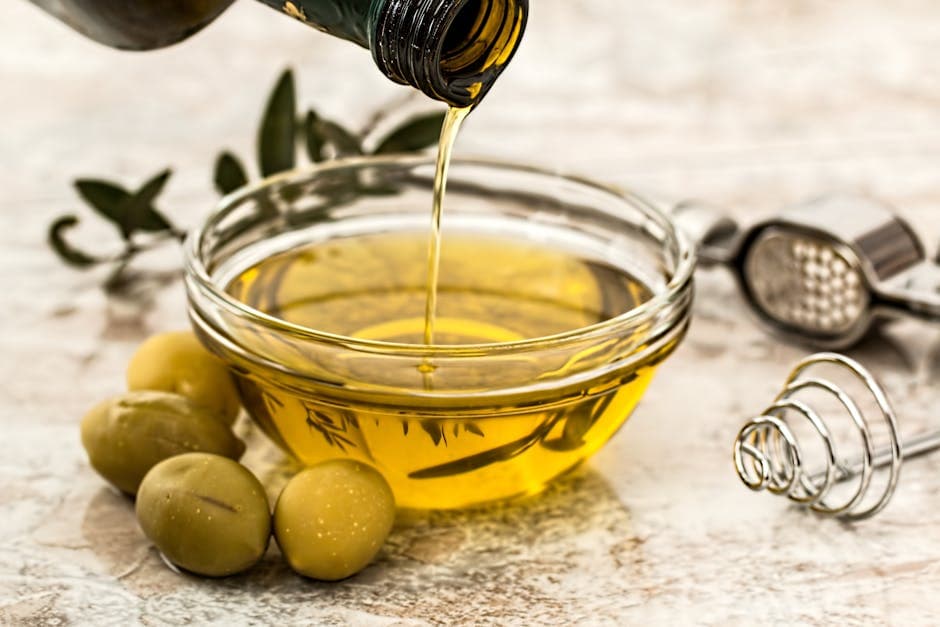
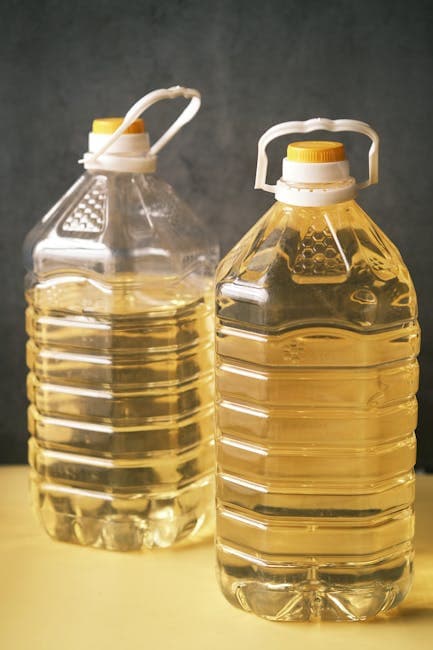
Olives get pressed in stages. The first cold press gives you extra virgin olive oil, the prized culinary grade with the best flavor and color. What's left behind is the pomace: a mash of skins, pulp, and crushed pits that still holds a small amount of oil clinging to the solids. That leftover oil is too hard to squeeze out mechanically, so producers pull it with heat and food-grade solvents, then refine it into a clean, pale oil. That refined product is pomace olive oil.
Because it's the final extraction, pomace is the least expensive olive oil on the shelf. It's still real olive oil with the same core fatty acid makeup, but the refining strips out most of the color, scent, and the minor compounds that give extra virgin its peppery bite. For cooking, that's why chefs skip it. For soap, none of that matters, since saponification turns the oil into soap regardless of how fancy it tasted.
You'll spot pomace at the store by the label, which reads "olive pomace oil" or "pomace olive oil." It usually looks slightly more golden or greenish than pure olive oil, and it's often sold in big jugs aimed at restaurants, which is exactly the size and price a soap maker wants.
Pomace vs Extra Virgin vs Pure Olive Oil for Soap
All three grades make good soap, and all three share nearly the same saponification value, so the lye math barely changes between them. What changes is trace speed, color, cost, and scent. Here's how they compare in the pot.
| Grade | Trace speed | Cost | Color in soap | Best for |
| --- | --- | --- | --- | --- |
| Extra virgin | Slow | Highest | Can add a green or yellow tint | Cooking, purists who want first-press oil |
| Pure / virgin | Slow to medium | Medium | Pale to light gold | A middle-ground soaping oil |
| Pomace | Fast | Lowest | Pale, sometimes faint green | Castile and high-olive bars, big batches, saving money |
The takeaway most soap makers land on: extra virgin is a waste of money in soap, and pomace is the practical workhorse. Pure olive oil sits in between and is a fine choice if pomace isn't easy to find. If you want the full rundown on how every oil behaves, our guide to the best oils for soap making breaks each one down by property and cost.
Why Pomace Olive Oil Traces Faster
This is the single biggest reason soap makers reach for pomace, and it solves a real headache. A 100% olive oil bar made with extra virgin can take a long time to reach trace. You stick blend, you wait, you blend again, and the batter stubbornly stays thin. Pomace fixes that. It reaches trace much faster, sometimes dramatically so.
The reason comes down to what's left in the oil after that last extraction. Pomace holds a higher level of free fatty acids and other minor residual compounds than the cleaner first-press oils. Those extra free fatty acids react quickly with your lye, which nudges the batter toward trace faster than a purer oil would. Soap makers have leaned on this quirk for years, and it's why so many castile recipes specifically call for pomace instead of extra virgin.
That speed is usually a gift, especially if you've been frustrated by a slow olive oil batch that refused to thicken. But it cuts both ways. If you're planning delicate swirls or a detailed multi-color pour, pomace can move quicker than you want and start to firm up before you're done. For a design-heavy batch, soap at a cooler temperature and keep your fragrance choices simple, or lean toward pure olive oil for a slightly longer working window. If you're not sure what trace should even look like, our guide to trace in soap making walks through light, medium, and thick trace with what to watch for.
What Pomace Olive Oil Does in a Bar
Once it's soap, pomace behaves like any olive oil, because chemically it is one. Olive oil is prized in soap for a specific set of traits, and pomace delivers all of them:
- Gentle, conditioning cleansing. Olive oil is one of the mildest oils you can soap, which is why 100% olive bars (castile) are a go-to for babies and sensitive skin.
- A silky, low-bubble lather. The lather is creamy and slick rather than big and fluffy. Olive oil doesn't produce large bubbles on its own, so an all-olive bar feels lotiony instead of foamy.
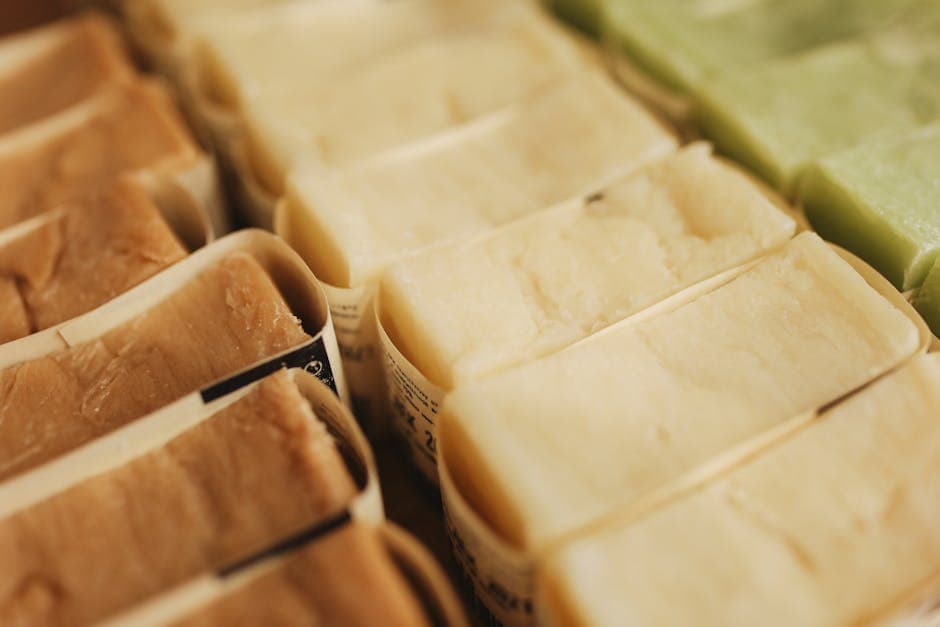
- A hard, long-lasting bar after cure. Olive oil soap starts soft but firms up beautifully over a long cure, ending as a dense, hard bar that lasts a long time in the shower.
The one thing to know is that a high-olive bar needs patience. Because olive oil is slow to harden, an all-pomace bar benefits from an extra-long cure. Where a mixed-oil recipe might cure in four to six weeks, a near-castile bar rewards you for waiting eight weeks or more. The bar gets harder, milder, and better with time. Our guide to curing soap explains what's happening during that wait and why it's worth it.
Pomace Olive Oil SAP Value and Lye
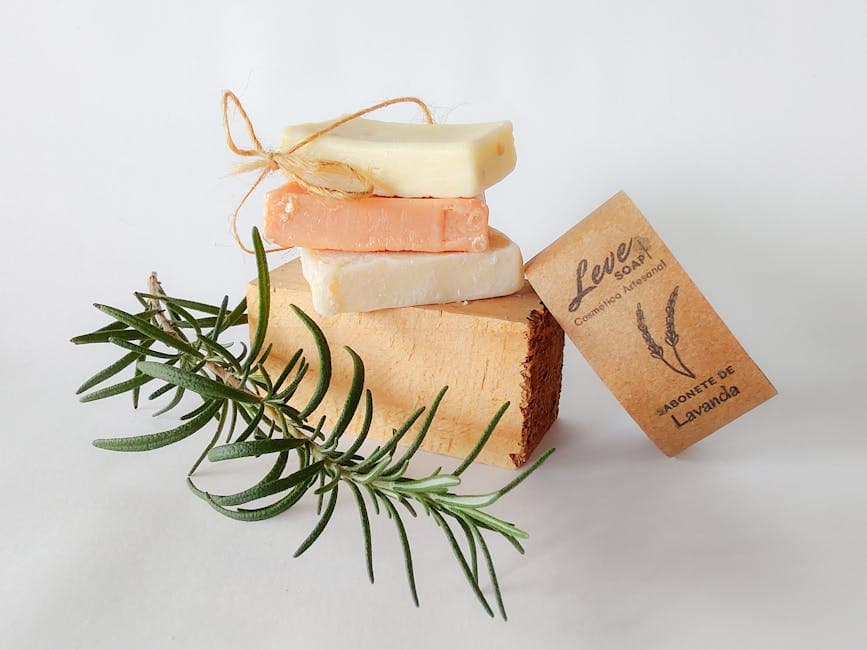
Every oil has a saponification (SAP) value, which is the amount of lye it takes to turn that oil into soap. For sodium hydroxide, olive oil's SAP value sits around 0.134 to 0.135, and pomace is close enough to the other grades that you can treat them the same in your recipe. That's good news if you ever swap grades: the lye amount barely shifts.
Here's the rule that keeps your bars safe, though. Never plug a memorized SAP number into a batch and hope for the best. SAP values vary slightly from oil to oil and batch to batch, and getting the lye wrong is how you end up with a lye-heavy bar that can burn skin, or a soft, oily bar that never sets. Run your full recipe through the Soaply soap calculator so the lye, water, and superfat come out right for your exact oils and batch size. If you're swapping pomace into an existing recipe in place of another oil, don't reuse the old lye figure. Recalculate every time so your superfat stays where you want it. For more on trading one oil for another safely, see how to substitute oils in soap recipes.
A Simple Pomace Olive Oil Soap Recipe
Here's a beginner-friendly bar that's mostly olive oil for gentleness, with a little coconut oil to boost the lather so it isn't too slick. This is sometimes called a "bastile" bar, a softer take on true castile. The recipe below is a starting point. Always run the exact weights through a soap calculator before you make it.
Bastile bar (about 2 pounds of oils)
| Ingredient | Amount | Percentage |
| --- | --- | --- |
| Pomace olive oil | 800 g | 80% |
| Coconut oil | 200 g | 20% |
| Lye (sodium hydroxide) | run through calculator | at 5% superfat |
| Distilled water | run through calculator | at 33% lye concentration |
Steps in brief:
- Suit up in goggles and gloves, then mix your lye into the distilled water (always lye into water, never the reverse) and let it cool.
- Melt the coconut oil, then combine it with the pomace olive oil and bring both to around 100 to 110°F.
- Pour the cooled lye solution into the oils and stick blend to a light trace. With pomace, this happens fast, so blend in short bursts.
- Add any skin-safe fragrance or natural colorant, stir, and pour into your mold.
- Insulate, unmold after 24 to 48 hours, cut, and cure at least six to eight weeks. Longer is better for a high-olive bar.
If you want the true single-oil version with no coconut at all, our castile soap recipe walks through 100% olive oil start to finish, and pomace is the exact grade it recommends.
Pros and Cons of Pomace Olive Oil
No oil is perfect for every batch. Here's the honest scorecard for pomace.
Pros:
- Cheapest olive oil grade, which matters when olive oil is the bulk of a recipe.
- Fast trace, which is a lifesaver for otherwise slow all-olive bars.
- Same gentle, conditioning bar as pricier grades.
- Sold in big, soap-friendly jug sizes at restaurant supply prices.
Cons:
- Solvent-extracted and refined, so it won't suit makers who want a purely mechanically pressed, minimally processed oil.
- Faster trace can be too fast for detailed swirls or multi-color designs.
- Can carry a faint green tint that may show in a very pale bar.
- Quality varies by supplier, and some cheap pomace is cut or poorly refined, so buy from a source other soap makers trust.
For most people making practical, gentle bars, the pros win easily. For a full comparison of olive oil against every other soaping oil, our complete guide to soap making oils puts it all in one place.
Tips for Working With Pomace Olive Oil
A few working notes to get the best results:
- Blend in short bursts. Because pomace races to trace, pulse your stick blender and check the batter often so you don't overshoot to a thick trace before you're ready to pour.
- Soap cooler for designs. If you want swirls or layers, soap at a lower temperature and pick a fragrance that won't accelerate trace further.
- Cure longer than usual. High-olive bars start soft. Give them eight weeks or more and they turn hard, mild, and long-lasting.
- Store it well. Refined olive oils like pomace keep a decent shelf life, but store your jug in a cool, dark spot and keep the cap tight so it doesn't oxidize.
- Buy in bulk. Since pomace is cheap and olive oil dominates these recipes, a big jug from a restaurant supplier usually beats grocery-store pricing per ounce.
💬 Frequently Asked Questions
Is pomace olive oil good for soap making?
Yes, pomace olive oil is one of the best value oils for soap. It makes the same gentle, conditioning bar as pricier olive oil grades, it costs the least, and it traces faster, which solves the slow-trace problem of all-olive castile bars. Many castile recipes specifically call for pomace.
What is the difference between pomace and extra virgin olive oil for soap?
Chemically they're nearly identical, so the lye amount barely changes. The practical differences are that pomace is cheaper and traces much faster, while extra virgin is pricier and traces slowly. For soap, pomace is the smarter buy and extra virgin is usually a waste of money.
Why does pomace olive oil trace faster?
Pomace is the last extraction from the olive, so it holds more free fatty acids and residual compounds than cleaner first-press oils. Those free fatty acids react quickly with the lye, which pushes the batter to trace faster than extra virgin or pure olive oil would.
What is the SAP value of pomace olive oil?
Olive oil, including pomace, has a sodium hydroxide SAP value of roughly 0.134 to 0.135. It's close enough to the other grades that the lye amount barely changes if you swap them. Always run your exact recipe through a soap calculator rather than relying on a memorized number.
Does pomace olive oil make soap turn green?
It can add a faint green or golden tint, since pomace often looks slightly more colored than pure olive oil. In most bars it's barely noticeable, but in a very pale or white soap you might see a soft green cast. It won't affect how the bar performs.
Try Pomace Olive Oil in Your Next Batch
Pomace olive oil is the soap maker's practical choice: it's the cheapest grade, it traces fast enough to rescue a slow castile batch, and it makes the same silky, gentle, long-lasting bar as any olive oil. Reach for it when olive oil is the star of your recipe and save the extra virgin for the kitchen. When you're ready to build your bar, run your oils through the free Soaply soap calculator so your lye, water, and superfat come out right every time.
Ready to Try It?
Use our free soap calculator to create your perfect recipe with real-time property predictions.
Open Calculator