How to Test Soap pH: 4 Methods and What the Numbers Mean
Learn how to test soap pH with strips, a meter, the zap test, and phenolphthalein. Find out the safe pH range for handmade soap and how to fix bars that read too high.
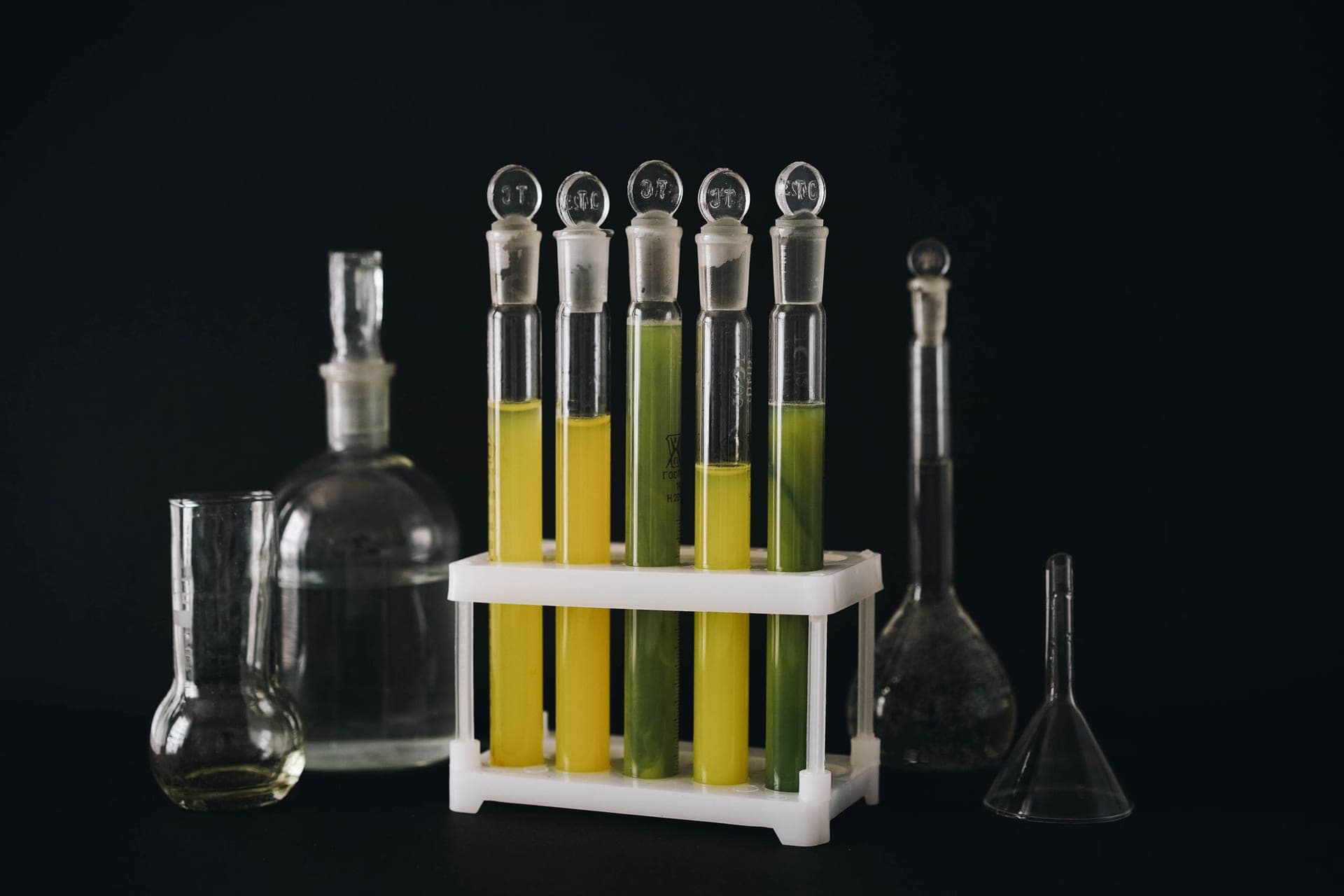
Real handmade soap sits between pH 8 and 10, and you can test it four ways: the zap test, pH strips, a digital pH meter, or phenolphthalein drops. A reading in that range means the lye has fully reacted and the bar is safe to use. Anything above 11 usually means there's leftover lye, and the bar needs more cure time or a closer look at your recipe.
If you've ever finished a batch and wondered whether it's actually safe on skin, pH testing is how you find out. The good news is that the most reliable method costs nothing and takes about three seconds. The methods that use gear are useful too, but only if you know how to read them, because soap fools cheap pH strips more often than beginners expect.
- What Is the pH of Handmade Soap?
- Why Soap pH Matters
- Method 1: The Zap Test
- Method 2: pH Strips
- Method 3: A Digital pH Meter
- Method 4: Phenolphthalein Drops
- What pH Should Your Soap Be?
- Why Is My Soap pH Too High?
- How to Fix Soap With a High pH
- The Myth of pH-Balanced Soap
- Frequently Asked Questions
What Is the pH of Handmade Soap?
True soap is alkaline. That's not a flaw, it's the chemistry. Soap forms when an acid (your oils and fats) reacts with a strong base (sodium hydroxide lye), and the salt that comes out the other side of that reaction is basic by nature. A finished, fully cured cold process bar typically reads between 8 and 10 on the pH scale.
For comparison, pure water is 7 (neutral), and human skin sits around 4.5 to 5.5 (mildly acidic). So even a perfect bar of handmade soap is more alkaline than your skin. That's true of every real soap ever made, including the fancy ones at the farmers market. The skin's acid mantle rebounds within an hour or two of washing, which is why generations of people have used soap without trouble.
What you're testing for isn't whether the soap is alkaline. It always will be. You're testing whether it's too alkaline, which would signal unreacted lye still floating around in the bar.
Why Soap pH Matters
Testing pH is really a safety check on saponification, the reaction that turns oils and lye into soap. When that reaction finishes, the lye is gone, consumed entirely, and the pH settles into the normal soap range. When it doesn't finish, or when you added too much lye to begin with, free alkali stays behind and pushes the pH up.
A bar with excess lye can sting, itch, or leave skin feeling tight and raw. In bad cases it causes a chemical burn. High pH also makes soap crumbly and can throw off the lather. So a pH check answers two questions at once: is this bar safe, and did my recipe work the way I planned?
This matters most when you're selling. If you make soap for customers, a quick pH test on each batch is cheap insurance and good record keeping.
Method 1: The Zap Test
The zap test is the oldest, fastest, and most trusted method among experienced soapmakers, and it costs nothing.
Wet your finger, rub the bar to pick up a little soap, then touch the wet soap to the tip of your tongue for a second. If you feel a sharp zap, like touching a 9-volt battery to your tongue, the soap still has active lye and isn't ready. If you taste nothing but soapy flavor, it's safe.
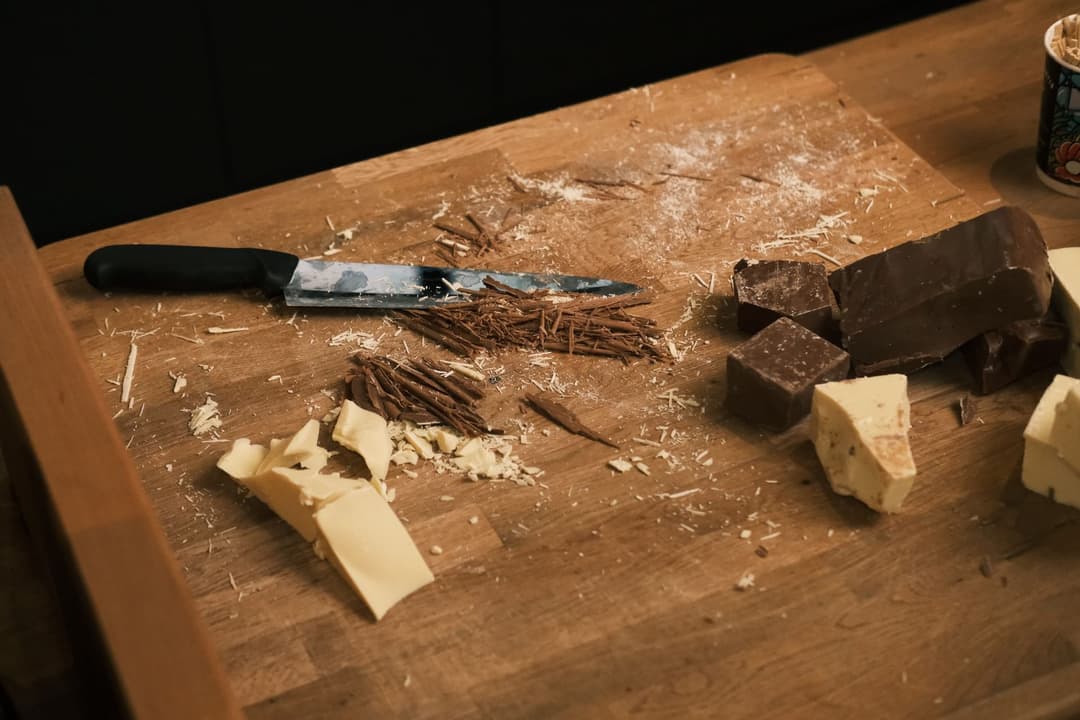
It sounds strange, but it's accurate. Your tongue detects the electrical conductivity of free alkali better than a cheap pH strip reads it. The catch is timing: don't zap test fresh soap in the first day or two, because every batch zaps a little before saponification completes. Wait until the bar has set up and the reaction has had time to finish, then test. If a bar zaps after a week of curing, something's wrong with the recipe.
Method 2: pH Strips
pH strips (the paper kind, sold for pool and aquarium use) are the most popular gear method because they're cheap and simple. They're also the least reliable for soap, so use them with care.
To test, rub a wet, lathered patch onto the bar, then press a strip into the lather (not dry soap, and not the bar itself). Wait a few seconds and compare the color to the chart. You're looking for a reading of 8 to 10.
The problem is resolution. Most strips jump in increments of 1 or even 2 pH units, and the colors at the high end (8, 9, 10, 11) look nearly identical to the human eye. A strip can't reliably tell you the difference between a safe 9 and an unsafe 11, which is exactly the difference you care about. Treat strips as a rough confirmation, not a verdict, and pair them with the zap test.
Method 3: A Digital pH Meter
A calibrated digital pH meter is the most precise tool, giving you a number to one decimal place. If you sell soap and want documented readings, this is the upgrade worth making.
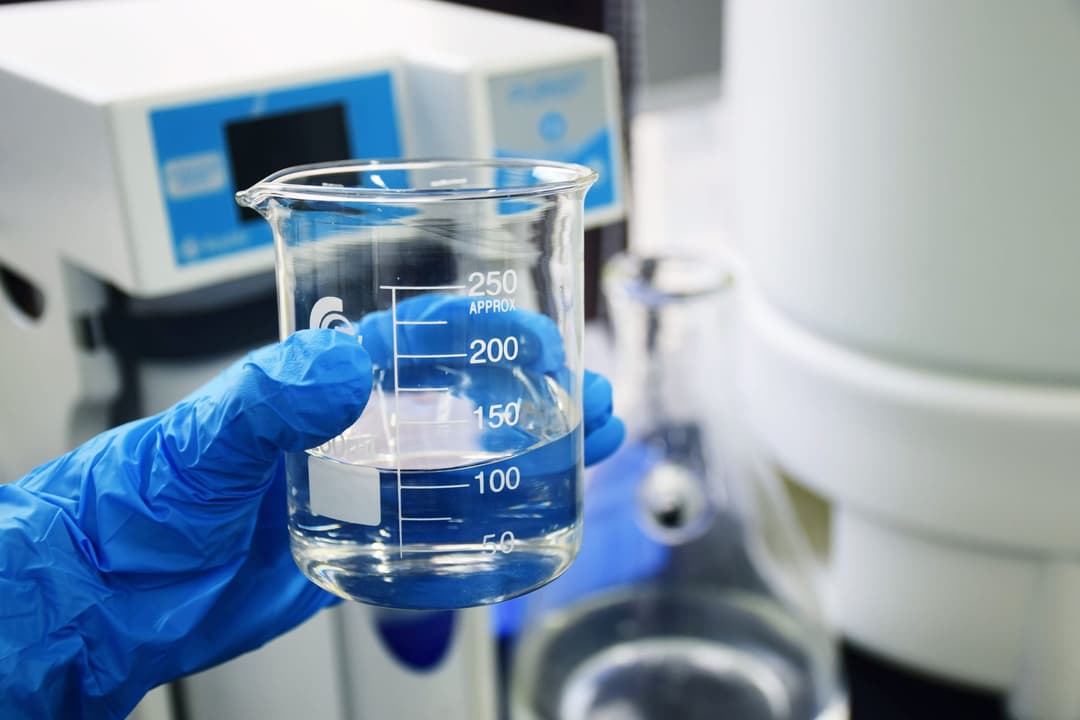
The trick is that soap is a solid, and meters read liquids. You can't jam a probe into a bar. Instead, make a slurry: dissolve a small shaving of soap in a measured amount of distilled water (a common ratio is 1 part soap to 10 parts water), stir until uniform, let it settle, then dip the calibrated probe. Read the number once it stabilizes.
Calibrate the meter with buffer solutions before each session, because an uncalibrated meter gives confident, precise, wrong answers. Rinse the probe in distilled water between readings. Done right, this method tells you whether you're at 9.2 or 10.8, which a strip never could.
Method 4: Phenolphthalein Drops
Phenolphthalein is a chemical indicator that turns bright pink in the presence of strong alkalinity (above about pH 10) and stays clear below it. Soapmakers use it as a fast pass/fail on free lye.
Rub a drop or two onto a wet patch of soap and watch the color. A faint, slow pink or no color at all means the soap is in the safe range. A strong, immediate hot-pink means there's likely excess alkali and the bar needs more cure time or correction. It won't give you a precise number, but it's excellent for catching a problem batch quickly. Handle it as a lab chemical, keep it away from skin and eyes, and store it sealed.
What pH Should Your Soap Be?
Here's the target range and what each reading tells you:
| pH Reading | What It Means | Action |
| ----------- | --------------- | -------- |
| 7 or below | Not real soap, or test error | Recheck method; true soap can't be neutral |
| 8 to 10 | Normal, safe handmade soap | Good to use and sell |
| 10 to 11 | Borderline; common in young soap | Cure longer, retest before use |
| 11 and above | Likely excess lye | Don't use; investigate recipe |
Most well-made bars land at 9 or 10. A reading slightly above 10 on a young bar often drops as the soap finishes curing, so retest after a few weeks before you worry. If a fully cured bar still reads 11 or higher, or zaps, set it aside and look at your formula. For more on how curing changes a bar over time, see our guide to why curing matters.
Why Is My Soap pH Too High?
A high pH almost always traces back to one of these causes:
- Lye heavy recipe. A measuring slip, a typo, or a recipe you didn't run through a calculator leaves more lye than the oils can consume. This is the most common reason and the easiest to prevent.
- Not enough superfat. Superfat is the small surplus of oil (usually 5 to 8 percent) that guarantees all the lye gets eaten. Skip it or set it too low, and you flirt with leftover alkali.
- Inaccurate scale. A scale that drifts, or one that doesn't read in small increments, throws off your lye weight. Lye is unforgiving; a few grams matters.
- Bad lye or wrong SAP values. Old, clumped lye that absorbed moisture weighs wrong, and using the wrong saponification value for an oil skews the whole batch.
- Testing too early. Fresh soap reads high simply because the reaction isn't done. Give it time before you judge it.
Nearly all of these come down to measurement. Running every recipe through a lye calculator and weighing on a calibrated digital scale prevents the vast majority of high-pH batches before they happen.
How to Fix Soap With a High pH
If a cured bar tests too high, you have a few options depending on how far off it is.
For a bar that's only slightly high, more curing time is often the fix. Set it in a well-ventilated spot for several more weeks and retest. Mildly high young soap frequently settles into the safe range on its own.
For a batch with genuine excess lye, the safest route is to rebatch the soap. Grate the bars, melt them down with a little liquid, and you can sometimes blend in extra oil to soak up the surplus alkali. It won't be pretty, but it can rescue otherwise wasted soap.
Be skeptical of internet advice that says to spritz finished soap with vinegar to neutralize lye. Vinegar is an acid, and adding acid to soap can break the soap back down into its components rather than gently correcting it. If a batch is badly lye heavy, the honest move is usually to toss it and remake it correctly. Never give away or sell a bar that zaps or reads above 11.
The Myth of pH-Balanced Soap
You'll see commercial bars advertised as "pH balanced" or "pH neutral," and it's worth understanding what that actually means. A product that reads at skin-friendly pH 5.5 isn't true soap at all. It's a syndet bar, built from synthetic surfactants (synthetic detergents) rather than saponified oils and lye.
There's nothing wrong with syndet bars, but they're a different product. By definition, real soap is alkaline and can't be pH neutral while still being soap. So if someone tells you their cold process bar is pH 7, either it's been tested wrong or it isn't behaving like soap. Handmade soap fans choose it for the natural glycerin, the custom oils, and the craft, and they accept the mildly alkaline pH that comes with the territory. A gentle, well-superfatted recipe like our soap for sensitive skin is about as mild as true soap gets.
💬 Frequently Asked Questions
What is the ideal pH for handmade soap?
Between 8 and 10, with most well-cured bars landing at 9 or 10. True soap is always alkaline because it's the salt of a fatty acid and a strong base. A reading in this range means the lye has fully reacted and the bar is safe for skin.
Can soap be pH neutral?
Not if it's real soap. Genuine soap made from oils and lye is alkaline by nature and can't read a neutral pH 7. Products marketed as "pH neutral" or "pH balanced" are syndet bars made from synthetic detergents, not saponified soap.
Is the zap test accurate?
Yes, surprisingly so. Touching a wet, soapy finger to your tongue detects free alkali through a sharp electrical zap. Experienced soapmakers trust it over cheap pH strips, which can't distinguish a safe pH 9 from an unsafe pH 11. Just wait until the soap has had time to saponify before testing.
Why does my soap zap after curing?
A bar that still zaps after a week or more usually has excess lye from a measuring error, too little superfat, or a recipe that wasn't run through a calculator. Set it aside, don't use it, and check your formula and scale before remaking the batch.
Are pH strips reliable for testing soap?
Only roughly. Paper strips jump in large increments and the colors at the alkaline end look nearly identical, so they can't reliably separate safe soap from lye-heavy soap. Use them as a quick confirmation alongside the zap test, or step up to a calibrated digital meter for precise readings.
Test Every Batch, Trust the Numbers
A quick pH check is the difference between hoping your soap is safe and knowing it is. The zap test costs nothing and catches most problems in seconds, while a calibrated meter gives you documented numbers if you sell your bars. Whatever method you use, remember the target: 8 to 10 is normal, and anything above 11 needs a second look.
Most high-pH batches start as measurement mistakes, so the real fix happens before you ever pour. Run your recipe through the Soaply calculator to lock in the right lye, water, and superfat numbers, weigh everything on a calibrated scale, and your bars will land in the safe range on their own.
Ready to Try It?
Use our free soap calculator to create your perfect recipe with real-time property predictions.
Open Calculator