Mango Butter: Benefits, Uses, and How to Use It in Soap and Skincare
Mango butter is a soft, non-greasy butter that conditions skin and hardens soap. Learn its benefits, how it beats shea, and how to use it (with ratios).
This article contains Amazon links. As an Amazon Associate, Soaply earns from qualifying purchases at no extra cost to you.
Mango butter is a soft, cream-colored butter pressed from the seed kernel of the mango fruit, and it's one of the most underrated ingredients in handmade soap and skincare. It conditions skin like shea but absorbs faster and without the nutty smell, and it hardens a cold process bar while leaving it gentle. This guide covers what mango butter actually is, its benefits, how it stacks up against shea and cocoa butter, and exactly how to use it in soap, body butter, and lotion bars with real ratios.
What Is Mango Butter?
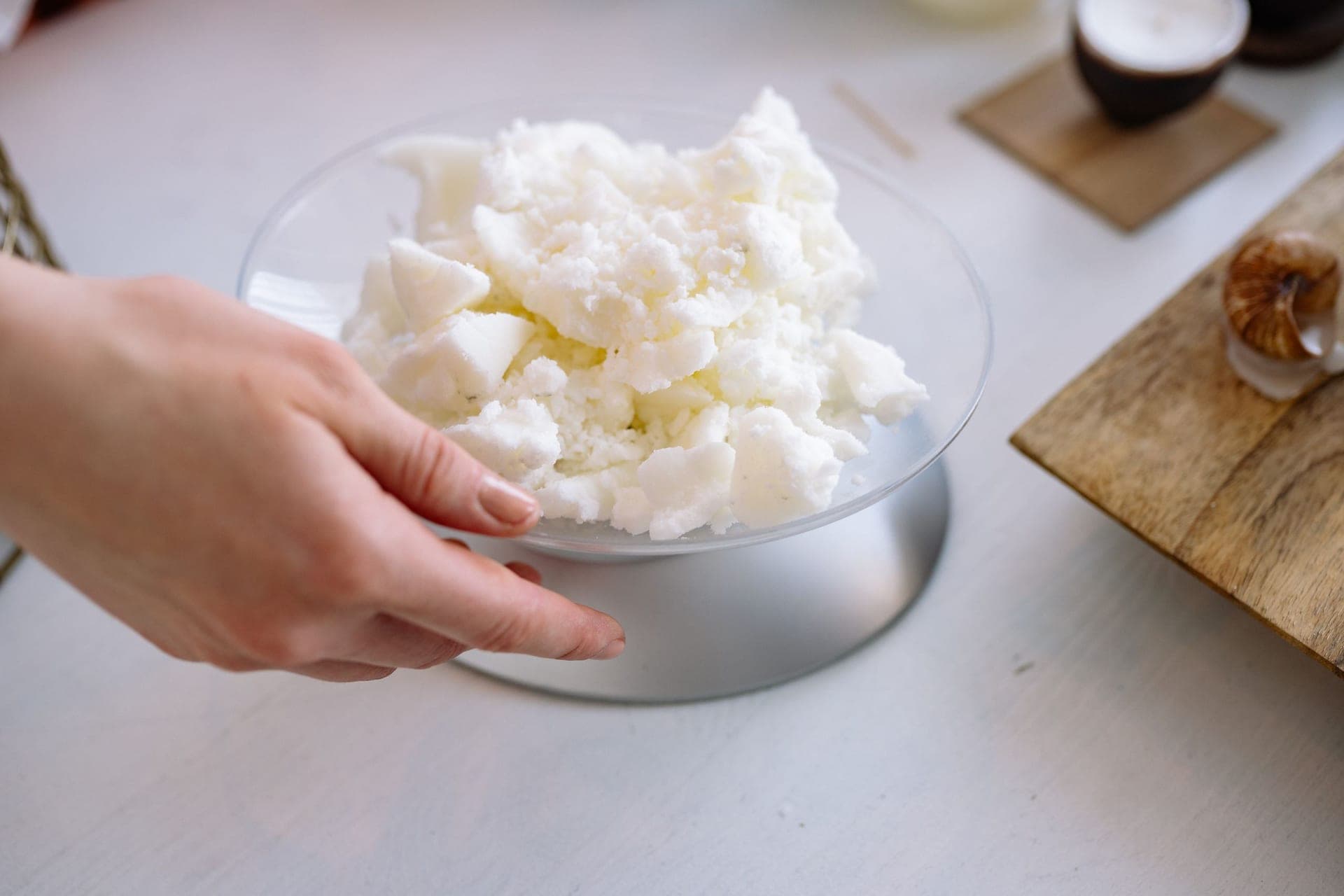
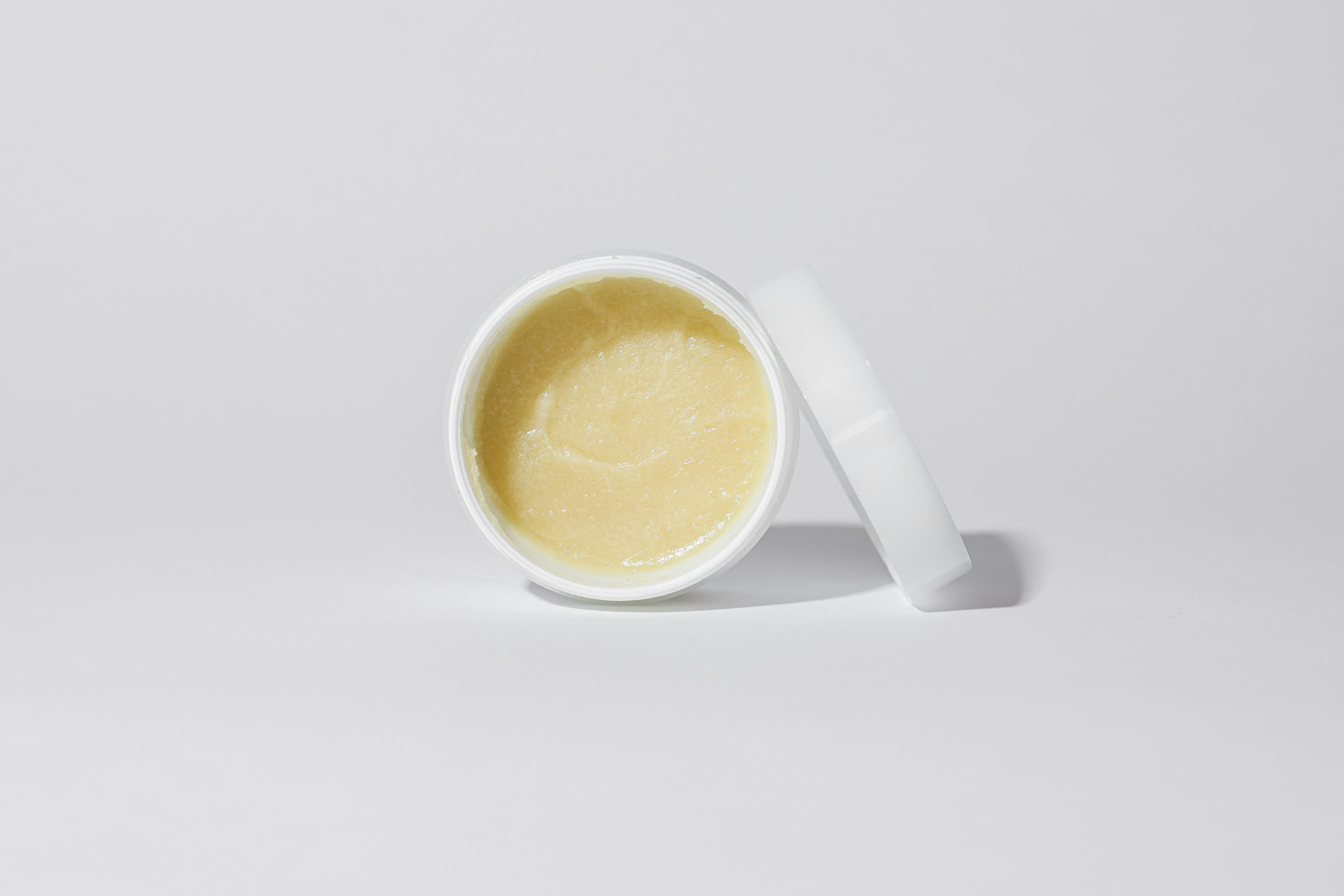
Mango butter comes from the seed inside a mango pit. When you eat a mango, the flat pit at the center holds a kernel, and that kernel is pressed to release a firm, pale fat. Refiners filter and sometimes deodorize it, and what's left is a smooth butter that's solid at room temperature but melts the moment it touches warm skin.
On an ingredient label you'll see it as Mangifera indica seed butter, its INCI name. Cosmetic-grade mango butter is usually off-white to pale cream, with a very faint scent that most people can't detect once it's blended into a recipe. That near-neutral smell is a big part of why formulators reach for it. You get the rich, protective feel of a body butter without a background aroma fighting your fragrance.
Because it's a true butter and not a liquid oil, mango butter brings structure to whatever you add it to. In a lotion bar it helps the bar hold its shape. In cold process soap it adds hardness. In a whipped body butter it gives that thick, scoopable texture people love.
Mango Butter Benefits for Skin
The main job of mango butter on skin is to slow water loss and soften rough patches. It forms a light, breathable layer that traps moisture in the skin's upper layers, which is what makes dry elbows, heels, and knuckles feel smoother within a day or two of regular use.
Here's what it does well:
- Moisturizes without heaviness. Mango butter sinks in faster than shea and doesn't leave the same greasy film, so it works for people who hate that slick after-feel.
- Softens and smooths. The high oleic and stearic content conditions the skin surface and helps it feel supple.
- Supports the skin barrier. It's naturally rich in fatty acids and contains small amounts of vitamin E, an antioxidant that helps protect the oils in the butter and, in turn, your skin.
- Calms dry, tight skin. A lot of people find it soothing on winter-dry or post-sun skin, similar to shea but lighter.
Mango butter won't treat medical skin conditions, and it isn't a sunscreen. What it does reliably is condition and protect, which is exactly what you want from a butter in soap or a leave-on product.
Mango Butter's Fatty Acid Profile
If you formulate your own recipes, the fatty acid breakdown is where mango butter gets interesting. It sits in a sweet spot between a soft, conditioning oil and a hard, stable one.
| Fatty acid | Approximate % | What it brings |
| --- | --- | --- |
| Oleic | 40-45% | Conditioning, gentle, moisturizing |
| Stearic | 35-45% | Hardness, stability, creamy lather |
| Palmitic | 3-8% | Hardness, stable lather |
| Linoleic | 1-5% | Conditioning, but shortens shelf life |
That mix of oleic and stearic is the reason mango butter behaves the way it does. The oleic acid conditions skin and makes a mild bar, while the stearic acid firms things up and gives soap a stable, creamy lather. The low linoleic content also means mango butter resists going rancid, so it keeps a solid shelf life of one to two years when stored well.
For soap makers, the number that matters most is the saponification (SAP) value, which tells you how much lye it takes to turn the butter into soap. Mango butter's SAP value for sodium hydroxide is roughly 0.135, but you should never plug a memorized number into a batch. Every butter varies slightly, so run your full recipe through the Soaply soap calculator so the lye, water, and superfat are dialed in for your exact oils.
Mango Butter vs Shea vs Cocoa Butter
These three butters get used in the same kinds of recipes, but they don't behave the same. Picking the right one comes down to texture, absorption, and scent.
| Butter | Feel | Absorption | Natural scent | Best for |
| --- | --- | --- | --- | --- |
| Mango | Firm, smooth, non-greasy | Fast | Nearly odorless | Light body butters, non-greasy lotion bars, hardening soap |
| Shea | Soft, sometimes grainy | Slow, rich | Nutty (unrefined) | Rich balms, very dry skin |
| Cocoa | Hard, brittle | Slowest, occlusive | Chocolatey (unrefined) | The hardest bars, sealing lip balms |
The short version: reach for mango butter when you want the conditioning of shea but a lighter, faster-absorbing finish and no competing smell. Reach for shea when you want maximum richness, and cocoa butter when you need serious hardness or an occlusive seal. Plenty of recipes use two or three together to balance those traits. If you want a deeper look at how butters and liquid oils shape a bar, our guide to the best oils for soap making breaks down each one.
How to Use Mango Butter in Cold Process Soap
In cold process soap, treat mango butter as a hard, conditioning butter that improves a bar without dominating it. A little goes a long way.
A good starting range is 5% to 15% of your total oils. Stay near the low end if your recipe already has plenty of hard oils, and push toward 15% when you want a firmer, more conditioning bar. Going much higher can make the bar feel draggy and slow to lather, since stearic-heavy butters don't bubble much on their own.
What mango butter adds to the pot:
- Hardness that helps bars release from molds cleanly and last longer in the shower.
- A creamy, stable lather rather than big fluffy bubbles.
- A conditioning, gentle feel that's great for a facial or sensitive-skin bar.
A few tips for working with it. Add mango butter to your hard oils and melt them together before combining with your liquid oils, since it needs heat to melt fully. It can slightly speed up trace because of the stearic acid, so blend in short bursts and watch your batter. And always account for it in your lye calculation. If you swap mango butter into an existing recipe, don't reuse the old lye amount. Rerun the numbers so your superfat stays where you want it. For a similar butter-forward bar, our shea butter soap recipe shows the same technique in action.
Mango Butter Body Butter and Lotion Bar Recipes
Outside the soap pot, mango butter really shines in leave-on products because there's no lye and no cure time. You melt, blend, and set.
Whipped mango body butter (makes about one cup):
- 1/2 cup mango butter
- 1/4 cup shea butter
- 1/4 cup jojoba or sweet almond oil
- Optional: 10 to 15 drops skin-safe essential oil
Melt the butters and oil together over low heat until just liquid, then chill in the fridge until the edges start to firm up but the center is still soft, about 30 to 45 minutes. Whip with a hand mixer until it's light and fluffy, then spoon into a jar. Keep it under about 75°F so it doesn't melt back down. For more variations and troubleshooting, see our full guide to making body butter.
Simple mango lotion bar (1:1:1 by weight):
- 1 part mango butter
- 1 part beeswax
- 1 part liquid oil (jojoba, sweet almond, or fractionated coconut)
Melt everything together, pour into a silicone mold, and let it set for a few hours. Rub the solid bar between your hands or straight onto dry skin, and body heat releases just enough butter and oil to moisturize. These are perfect for cuticles, elbows, and heels.
If you want to buy some to try, look for cosmetic or raw mango butter and pair it with shea butter for a balanced blend.
Refined vs Unrefined Mango Butter
Like shea and cocoa butter, mango butter comes in two grades, and the difference affects color, scent, and how you use it.
Refined mango butter has been filtered and lightly processed. It's smooth, pale cream to white, and almost completely scent-free. This is the easy choice for most projects because it won't interfere with your fragrance and it has a clean, consistent texture. It keeps most of its conditioning fatty acids while losing a small amount of the natural minor compounds.
Unrefined (raw) mango butter is closer to its natural state, with a slightly deeper cream color and a very faint natural scent. It holds onto a bit more of the naturally occurring vitamins and antioxidants. Even unrefined, mango butter is far less smelly than unrefined shea or cocoa, so it's still easy to work with.
For soap and most body products, refined works beautifully and is the most forgiving. Choose unrefined if you specifically want the most natural, minimally processed option and don't mind a touch of scent.
Is Mango Butter Good for Your Face and Hair?
On the face, mango butter is a reasonable choice for dry or normal skin because it absorbs faster than heavier butters and is generally considered low on the comedogenic scale, meaning it's less likely to clog pores than something like coconut oil. If you're acne-prone, patch test first and start with a small amount, since everyone's skin reacts differently. Its light finish makes it a nice addition to facial bars and night creams.
For hair, mango butter can smooth frizz and soften dry ends, especially for thick, coarse, or curly hair. Use it sparingly. A little melted between your palms and worked through the ends goes further than you'd expect, and too much can leave fine hair looking greasy. It also works well blended into a solid conditioner bar or a hair butter alongside shea.
How to Melt and Store Mango Butter
Mango butter melts at roughly 86°F to 104°F (30°C to 40°C), so gentle heat is all you need. Use a double boiler or short bursts in the microwave, stirring between each, and pull it off the heat as soon as it turns liquid. Overheating isn't dangerous, but it wastes some of the delicate compounds and can encourage graininess as it re-solidifies.
To store it, keep mango butter in an airtight container somewhere cool and dark, away from sunlight and heat. Stored that way, it stays good for about one to two years. If it ever picks up a sharp, crayon-like smell, that's a sign it's oxidizing and past its prime. Mango butter is less prone to the grainy texture that plagues shea, but if yours does get grainy from temperature swings, melting it fully and cooling it quickly in the fridge smooths it back out.
💬 Frequently Asked Questions
What is mango butter good for?
Mango butter is good for moisturizing and softening dry skin, hardening and conditioning cold process soap, and giving body butters and lotion bars a firm, non-greasy texture. It absorbs faster than shea butter and has almost no scent, so it works in both leave-on skincare and soap.
Is mango butter better than shea butter?
Neither is strictly better; they're suited to different goals. Mango butter absorbs faster, feels lighter, and is nearly odorless, while shea butter is richer and better for very dry skin. Many recipes use both together to balance a light feel with deep conditioning.
Can you use mango butter in cold process soap?
Yes. Use it at about 5% to 15% of your total oils as a hard, conditioning butter. It adds hardness and a creamy, stable lather. Always recalculate your lye with a soap calculator when you add or swap it, since it changes the saponification math.
Does mango butter clog pores?
Mango butter is generally rated low on the comedogenic scale, so it's less likely to clog pores than heavier oils like coconut oil. Skin reacts individually, though, so if you're acne-prone, patch test and use it in small amounts on the face first.
How long does mango butter last?
Stored in an airtight container in a cool, dark place, mango butter lasts about one to two years. Its low linoleic acid content makes it resistant to rancidity. Toss it if it develops a sharp, off smell, which signals oxidation.
Try Mango Butter in Your Next Batch
Mango butter is one of the easiest ways to upgrade a soap or skincare recipe: it hardens bars, conditions skin, absorbs fast, and stays out of the way of your fragrance. Start with 5% to 15% in cold process soap or blend it into a whipped body butter, and adjust from there. When you're ready to build a recipe around it, run your oils through the free Soaply soap calculator so your lye, water, and superfat come out right every time.
Ready to Try It?
Use our free soap calculator to create your perfect recipe with real-time property predictions.
Open Calculator