Patchouli Essential Oil for Soap: Scent, Usage Rate, and Best Blends
Patchouli essential oil is one of the best-behaved scents for cold process soap. Learn how it smells, how much to use, whether it discolors, and what it blends with.
This article contains Amazon links. As an Amazon Associate, Soaply earns from qualifying purchases at no extra cost to you.
Patchouli essential oil is one of the best-behaved scents you can put in cold process soap. It's a deep, earthy base note distilled from the leaves of a tropical mint relative, and unlike most essential oils it holds its scent through saponification and the full cure without fading. It doesn't rush trace, it acts as a natural fixative that makes lighter scents last, and it only lightly tints the bar. This guide covers what patchouli smells like, the difference between light and dark grades, exactly how much to use, and the blends that make it shine.
Quick pick: For soap, most makers reach for a dark, aged patchouli. A bottle of patchouli essential oil goes a long way, since it's strong and works at low rates in a blend.
What Is Patchouli Essential Oil? {#what-is-patchouli-essential-oil}
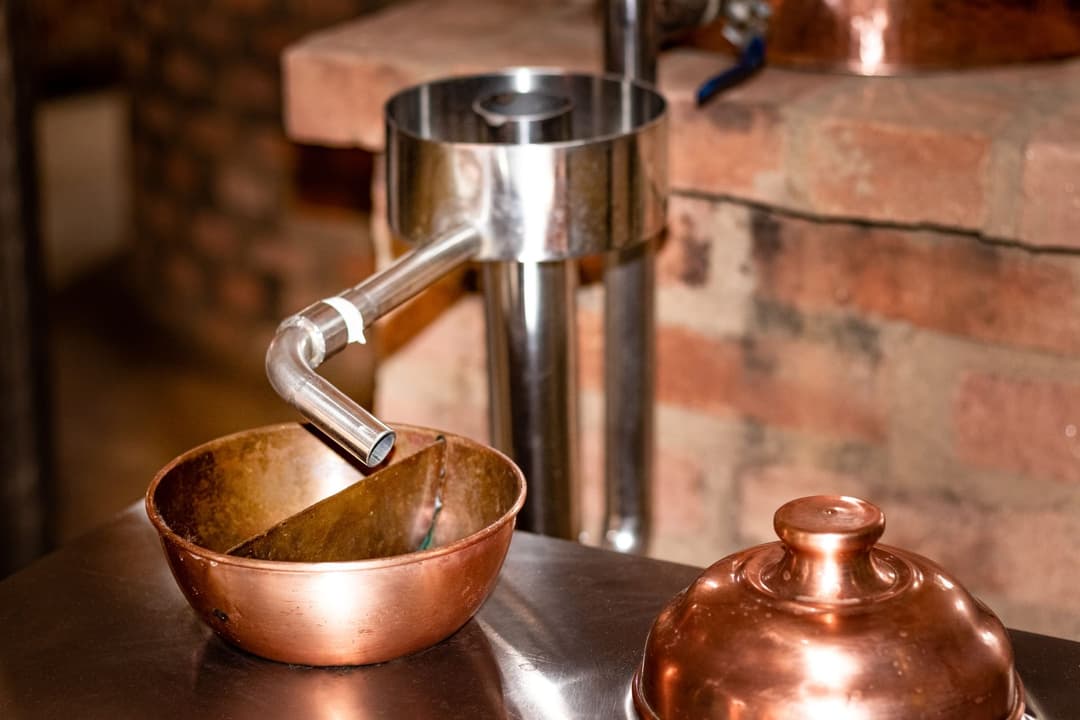
Patchouli essential oil comes from Pogostemon cablin, a leafy shrub in the mint family that grows in the tropics of Indonesia, India, and the Philippines. The scent doesn't live in a flower or a peel. It's in the leaves, and it gets stronger after the leaves are dried and lightly fermented before distillation. That fermentation step is part of why patchouli smells so deep and complex compared to a fresh green herb.
The oil is steam distilled from those cured leaves, which makes it a true essential oil, not an absolute or a fragrance oil. If you want a refresher on that distinction and why it changes how a scent acts in soap, our guide to essential oils vs fragrance oils breaks it down. Patchouli is thick, dark, and slow to pour, closer to a syrup than the thin, watery oils you get from citrus or eucalyptus.
Here's the part that sets patchouli apart from almost every other essential oil: it improves with age. A young bottle can smell a little sharp and green, but give it months or years and it rounds out into something smoother and sweeter. Most aromatics degrade over time. Patchouli is the rare one that gets better.
What Patchouli Actually Smells Like {#what-patchouli-actually-smells-like}
Patchouli is earthy first and foremost. Think damp soil, forest floor, and aged wood, with a sweet, slightly musky warmth underneath and a faint spice on the edges. It's the scent people either love on sight or back away from, and it carries a strong association with the late 1960s and 70s, when it was everywhere.
That divisiveness is worth knowing before you scent a whole loaf with it. Straight patchouli at full strength reads as intense and grounding, and a portion of your customers will find it too heavy on its own. The trick most soap makers use is to treat patchouli as a supporting player rather than the star. A small amount blended into citrus, floral, or woody scents adds depth and staying power without shouting. Used that way, even people who say they dislike patchouli often love the finished blend without realizing it's in there.
Light vs Dark Patchouli (and Why Aged Is Better) {#light-vs-dark-patchouli}
When you shop, you'll see patchouli sold a few different ways, and the version you pick changes both the color and the scent.
- Dark patchouli is the traditional oil, distilled in iron vessels the old way, which gives it a deep brown color and the richest, most classic earthy scent. This is what most soap makers want.
- Light patchouli is filtered or redistilled to a paler color and a cleaner, lighter aroma. It discolors soap less, but it also loses some of the depth that makes patchouli special.
- Aged or "dark aged" patchouli has been matured to smooth out the harsh green notes. If you can find and afford it, aged patchouli is the smoothest of the bunch.
For most cold process soap, a good dark patchouli is the sweet spot on price and scent. If keeping your bar pale is the priority, a light patchouli or a smaller dose of dark patchouli in a blend will get you there.
How Patchouli Behaves in Cold Process Soap {#how-patchouli-behaves-in-cold-process-soap}
This is where patchouli earns its reputation as a beginner-friendly essential oil. In cold process soap it's about as easy to work with as any scent gets.
It doesn't accelerate trace. Some essential oils, like many spice and floral oils, seize or speed up your batter and leave you racing to pour. Patchouli isn't one of them. It stirs in smoothly and gives you a normal working time, so it's forgiving for swirls and detailed pours.
It holds its scent. This is patchouli's superpower. Most light, bright essential oils fade during the cure because their aroma molecules are volatile and burn off in the high pH of fresh soap. Patchouli is a heavy base note, so it stays put. A patchouli bar smells nearly as strong at eight weeks as it did on day one, which is not something you can say about lemon or peppermint.
It works as a fixative. Because patchouli anchors so well, it holds lighter scents down with it. Blend a little patchouli into a citrus soap and the orange or bergamot that would normally vanish by cure's end sticks around much longer. If scent that lasts is your goal, our guide to making soap scent last longer leans on exactly this trick.
It tints the bar. Dark patchouli is a deep brown oil, so at higher rates it can shift a white batter toward tan or light brown. It's mild compared to vanilla's browning, and you can plan around it by pairing patchouli with earthy colorants, using it at a lower rate, or reaching for a lighter grade.
How Much Patchouli Essential Oil to Use {#how-much-patchouli-essential-oil-to-use}
Patchouli is strong, so a little goes a long way. A typical rate for essential oils in cold process soap is around 3 to 5% of your oil weight, which works out to roughly 0.5 to 0.8 ounces per pound of oils. Because patchouli is such a dominant base note, most makers use it at the lower end of that range, especially in a blend where it's supporting other scents rather than leading.
Don't measure scent by drops or guess at the amount. Weigh your essential oils on a digital scale and run the batch through the Soaply fragrance calculator first. It gives you the exact weight for your recipe size and keeps your total scent load inside safe limits, which matters even more when you're blending patchouli with two or three other oils. Patchouli has a generous IFRA maximum for wash-off products like soap, but the calculator handles those limits so you don't have to look them up by hand.
If you want the reasoning behind how much fragrance a bar can actually carry, our guide to calculating fragrance load walks through the math. And for a wider look at which oils survive the cure, the roundup of the best essential oils for soap making puts patchouli in context with the other reliable performers.
Best Patchouli Blends for Soap {#best-patchouli-blends-for-soap}
Patchouli is a base note, so it sits at the bottom of a blend and gives everything above it more weight and longevity. It plays well with a surprising range of scents.
- Patchouli and sweet orange: the classic. The bright citrus lifts patchouli's earthiness, and the patchouli makes the orange last through cure. If you try one patchouli blend, make it this one.
- Patchouli and lavender: grounds lavender and gives it a warmer, more grown-up feel. A little patchouli keeps the lavender from fading too fast.
- Patchouli and cedarwood or sandalwood: a deep, woody, unisex blend that reads as masculine or earthy-luxe depending on the ratio. Great for a men's bar.
- Patchouli and rose or geranium: patchouli under a floral top makes it richer and more perfume-like, the way patchouli sits under rose in classic fragrances.
- Patchouli and bergamot or grapefruit: a fresher, brighter take that still gets the staying power patchouli brings.
In a blend, patchouli usually makes up 10 to 30% of the total scent as the anchor. Start on the low side, since it's easy to add more but impossible to take out once it's in the batter.
Patchouli Skin Benefits and Uses {#patchouli-skin-benefits-and-uses}
Beyond scent, patchouli has a long history in skincare and traditional practice. It's often chosen for oily or blemish-prone skin because it has a mildly astringent, balancing quality, and its grounding aroma is a favorite in relaxing and meditative blends. Those are reasons many soap makers pick it for a bar aimed at end-of-day washing or a spa-style product.
Keep your expectations and your labels honest, though. Handmade soap is a wash-off product that's on your skin for seconds, so it's the scent and the gentle cleansing you're really getting, not a treatment. Avoid making medical claims on anything you sell. If you want the skin-conditioning benefits to hang around, they come from your oils and superfat, not the fragrance, and our guide to the best oils for soap making covers how to build a genuinely gentle bar.
Is Patchouli Essential Oil Safe? {#is-patchouli-essential-oil-safe}
Patchouli is considered one of the gentler essential oils and is generally low risk for skin irritation when used at proper rates. As with any essential oil, the safety comes down to dilution. Straight essential oil should never go directly on skin, and in soap you stay within the usage rate the fragrance calculator sets so the finished bar is safe to use.
A few standard cautions apply. Do a patch test if you or your customers have sensitive skin, keep the oil away from eyes and out of reach of kids and pets, and if you're pregnant or nursing, check with a healthcare provider before using essential oils, since guidance varies. Patchouli's aroma is also strong and lingering, so work in a ventilated space if the scent bothers you. Like all aromatics, essential oils age, and while patchouli lasts longer than most, our guide to whether essential oils expire covers safe storage.
Buying and Storing Patchouli {#buying-and-storing-patchouli}
Buy patchouli from a supplier that lists the botanical name (Pogostemon cablin), the country of origin, and ideally whether it's a light or dark grade. Dark patchouli from Indonesia is the traditional benchmark. Expect a thick, dark, slow-pouring oil. If it's thin and pale as water, you're probably looking at something diluted or mislabeled.
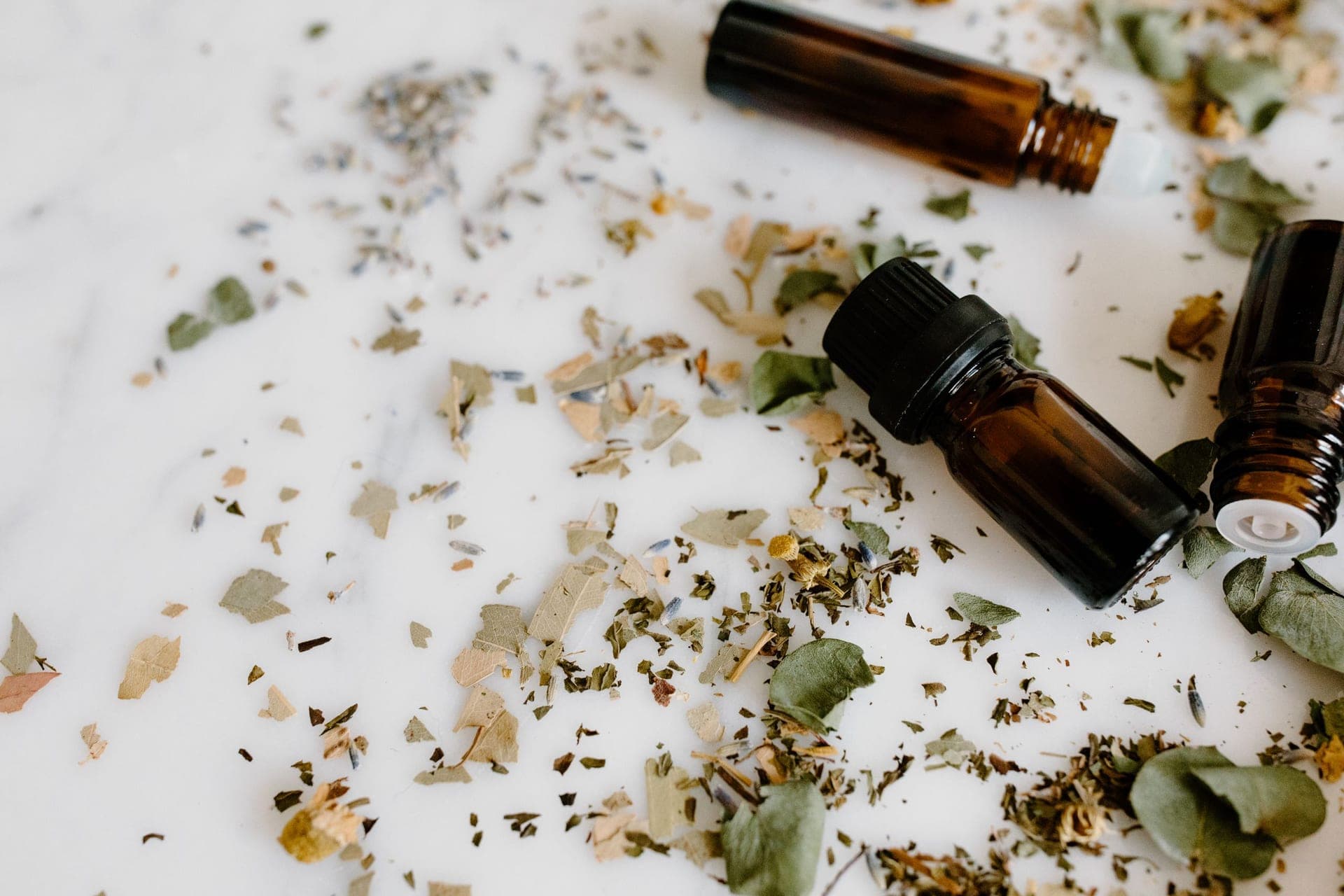
Storage is easy because patchouli is so stable. Keep it in a tightly capped amber or dark glass bottle, away from heat and direct light, and it'll last for years. Remember that patchouli actually improves as it ages, so an older bottle that's smoothed out and deepened is a good thing, not a spoiled one. That long shelf life makes a mid-size bottle a smart buy even if you only use it in blends.
💬 Frequently Asked Questions
Does patchouli essential oil discolor soap?
Yes, a little. Dark patchouli is a deep brown oil, so at higher rates it can tint a white batter tan or light brown. The effect is mild compared to vanilla, and you can reduce it by using a lighter grade, dropping the usage rate, or pairing it with earthy colorants so the color reads as intentional.
How much patchouli essential oil do you use in soap?
A typical rate is about 0.5 to 0.8 ounces per pound of oils, which is roughly 3 to 5% of your oil weight. Patchouli is a strong base note, so most makers use it at the lower end, especially in a blend. Run your recipe through a fragrance calculator to get the exact weight and stay within safe limits.
Does patchouli scent survive cold process soap?
Yes, better than almost any other essential oil. Patchouli is a heavy base note, so it holds its scent through saponification and the full cure instead of fading like citrus or mint. It also acts as a fixative that helps lighter scents in a blend last longer.
What does patchouli blend well with?
Patchouli pairs beautifully with citrus like sweet orange and bergamot, florals like rose and lavender, and woods like cedarwood and sandalwood. It sits at the base of a blend and anchors the lighter notes above it. Patchouli and sweet orange is the classic starting point.
Is patchouli essential oil safe for skin?
Patchouli is one of the gentler essential oils and is low risk for irritation when used at proper rates in a wash-off product like soap. Never apply it undiluted, patch test if skin is sensitive, and check with a healthcare provider if you're pregnant or nursing.
Scent Your Next Batch With Patchouli
Patchouli is the essential oil that makes soap makers' lives easy: it behaves in the batter, it lasts through the cure, and it makes every scent around it stronger and more grounded. Start with a small dose in a citrus or woody blend, plan for a slight tan tint, and let it anchor the whole bar. When you're ready to build a recipe, run it through the free Soaply fragrance calculator so your patchouli comes out strong, safe, and perfectly measured every time.
Ready to Try It?
Use our free soap calculator to create your perfect recipe with real-time property predictions.
Open Calculator