How to Make Moisturizing Body Butter (Whipped Recipe That Isn't Greasy)
Learn how to make moisturizing body butter at home with a simple whipped recipe. Get exact ratios, scent tips, and fixes for greasy or grainy results.
This article contains Amazon links. As an Amazon Associate, Soaply earns from qualifying purchases at no extra cost to you.
Moisturizing body butter is a whipped blend of solid butters and liquid oils that melts into your skin and seals in moisture far better than a watery store lotion. You can make a jar at home in about 30 minutes of active work with three or four ingredients, and it costs a fraction of what a boutique version runs. This guide gives you an exact recipe, the ratios that keep it from turning greasy or grainy, and simple ways to scent it.
- What Body Butter Is (and Isn't)
- Ingredients You'll Need
- The Basic Whipped Body Butter Recipe
- Step-by-Step Instructions
- How to Keep It From Being Greasy
- How to Scent Your Body Butter
- Troubleshooting Grainy or Melted Butter
- Storage and Shelf Life
- Frequently Asked Questions
What Body Butter Is (and Isn't)
Body butter is an anhydrous product, which is a fancy way of saying it contains no water. It's built entirely from butters and oils, so it's rich, thick, and shelf-stable without a preservative. Lotion, by contrast, is mostly water emulsified with oil, which is why it feels lighter and absorbs faster but also needs a preservative and a proper emulsifier to stay safe.
That water-free makeup is the whole point of a good moisturizing body butter. Your skin loses moisture through the day, and a layer of butter acts as a seal that slows that loss down. It's the right choice for dry elbows, cracked heels, winter hands, and anywhere your skin needs more than a quick-drinking lotion can give.
It's also worth saying what this isn't: it isn't soap, and it doesn't involve lye. If you came here from making cold process bars, think of body butter as the leave-on cousin of a high-superfat bar. No saponification, no cure time, just melt, chill, and whip.
Ingredients You'll Need
A moisturizing body butter needs three building blocks: a hard butter for structure, a soft butter for richness, and a liquid oil to keep it spreadable. Here's how each one earns its place.
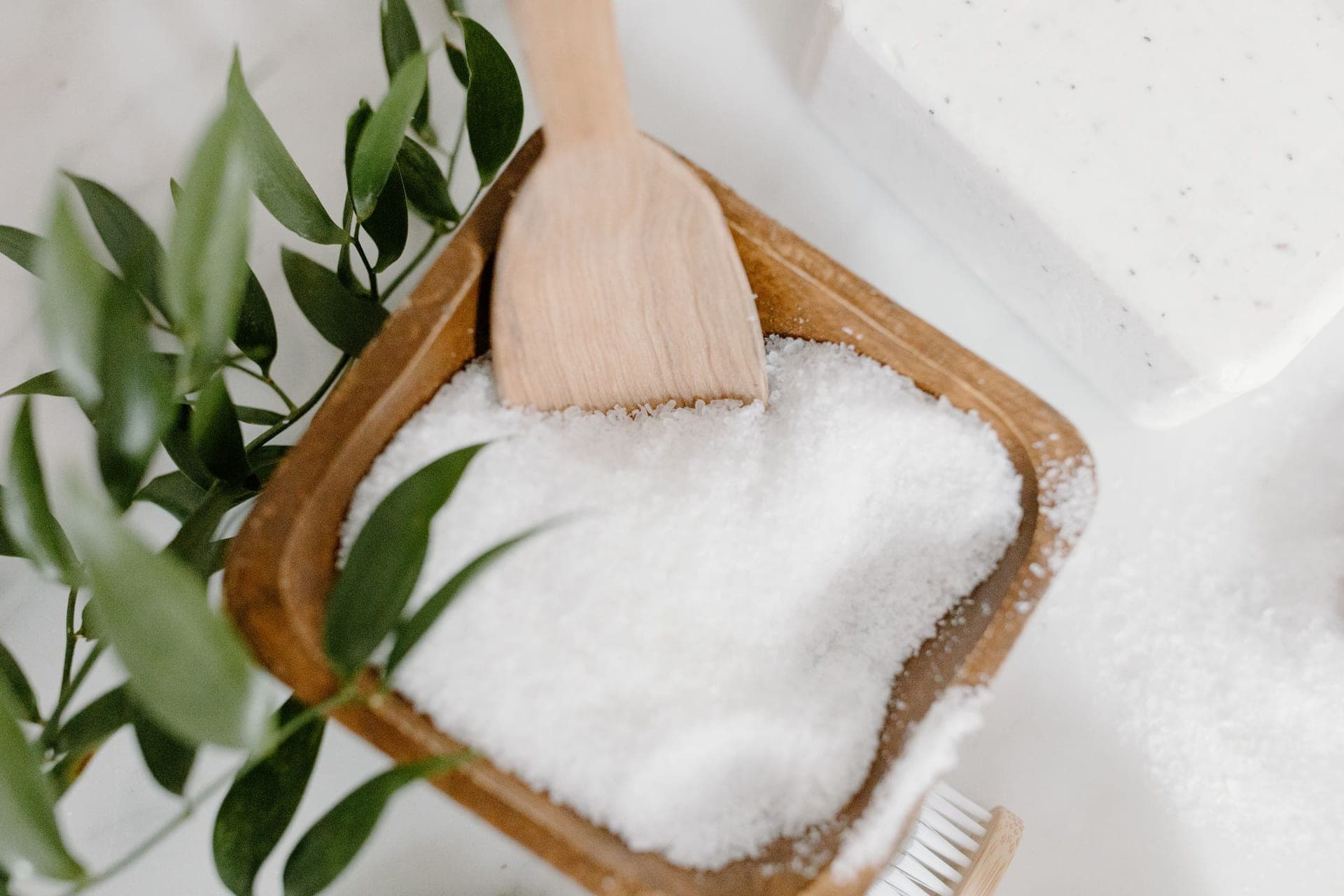
Shea butter is the backbone of most recipes. It's firm at room temperature, deeply conditioning, and full of fatty acids your skin loves. Refined shea has a neutral smell, while unrefined shea has a nutty, smoky scent some people like and some don't. Either works.
Cocoa butter adds firmness and a faint chocolate aroma. It's harder than shea, so it helps a butter hold its shape in warm weather, but too much makes the final product stiff and a little draggy on the skin. A small amount goes a long way.
A liquid carrier oil thins the blend so it whips up light and spreads easily. Jojoba oil is a favorite because it's close to skin's own sebum and barely greasy. Sweet almond, fractionated coconut, and grapeseed oil all work too. Each one changes how fast the butter sinks in.
An optional fourth ingredient is arrowroot powder or cornstarch. A teaspoon stirred in at the end soaks up surface oil and gives the butter a silky, dry-touch finish. This is the single best trick for a non greasy body butter, and we'll come back to it below.
The Basic Whipped Body Butter Recipe
This makes roughly one 8-ounce jar of whipped body butter. The ratio is what matters, so you can scale it up or down and keep the same feel.
| Ingredient | Amount | Percentage |
| ------------ | -------- | ------------ |
| Shea butter | 1/2 cup (about 110 g) | 50% |
| Cocoa butter | 1/4 cup (about 55 g) | 25% |
| Jojoba or sweet almond oil | 1/4 cup (about 55 g) | 25% |
| Arrowroot powder (optional) | 1 tsp | to finish |
| Essential or fragrance oil | 15 to 20 drops | to scent |
A reliable starting ratio is 50 percent hard and soft butters combined with 25 percent cocoa butter and 25 percent liquid oil. If your home runs warm, push the cocoa butter up to 30 percent for more hold. If you want it softer and faster-absorbing, drop the cocoa butter and add more liquid oil. To resize the batch for a different jar size or count, run these percentages through the free Soaply body butter calculator, which works out the exact weight of each ingredient and the cost per jar.
Step-by-Step Instructions
The method is simple, but two things make or break it: melting gently and chilling fully before you whip. Rush either and you'll fight the texture.
Step 1: Melt the Butters
Add the shea and cocoa butter to a heatproof bowl set over a pot of simmering water, a basic double boiler. Melt them slowly over low heat until just liquid. Don't blast them in the microwave on high, since overheating shea is what causes those gritty crystals later. Aim to melt, not cook.
Step 2: Stir In the Liquid Oil
Take the bowl off the heat and stir in your jojoba or almond oil. Adding it after melting keeps the delicate oil from sitting over heat any longer than it has to. The mix will be fully liquid and slightly golden.
Step 3: Chill Until Firm
This is the step people skip, and it's the most important one. Put the bowl in the fridge for 30 to 60 minutes, or the freezer for about 20, until the edges are solid and the center is the texture of soft butter. You want it semi-solid and opaque, not liquid and not rock hard.
Step 4: Whip It
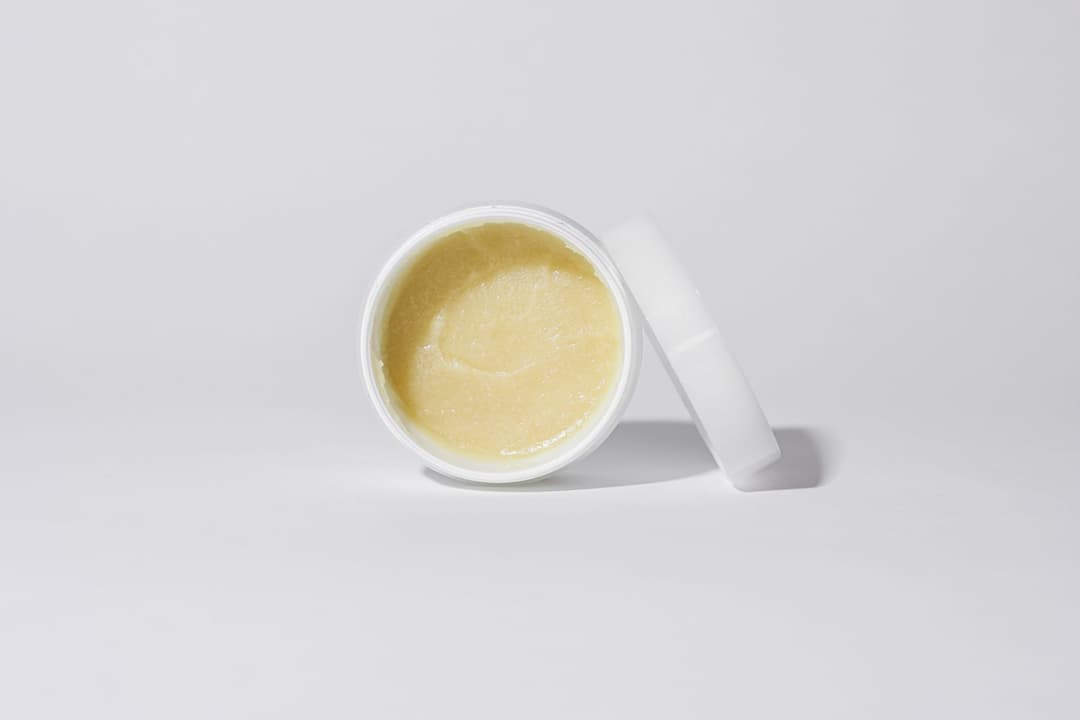
Using a hand mixer or stand mixer, whip the chilled butter on medium-high for 3 to 5 minutes. It'll go from yellow and dense to pale, fluffy, and roughly doubled in volume, like frosting. Scrape the bowl once or twice so everything catches the beaters.
Step 5: Add Powder and Scent
Sprinkle in the arrowroot powder and add your essential or fragrance oil, then whip for another 30 seconds to combine. Spoon the finished butter into a clean jar. It won't melt back down at room temperature as long as your home stays below the mid-70s Fahrenheit.
How to Keep It From Being Greasy
The number one complaint about homemade body butter is that it feels oily. Three adjustments fix that.
First, add the arrowroot powder. A teaspoon per 8-ounce batch absorbs the surface oil that makes butter feel slick, leaving a powdery-dry finish without cutting the moisture underneath.
Second, choose a dry-feel carrier oil. Jojoba and fractionated coconut oil absorb fast and feel light, while olive and avocado oil sit on the skin longer. Swapping a heavy oil for a dry one makes a noticeable difference.
Third, use less than you think. Body butter is concentrated, so a pea-sized amount covers a whole arm. Most greasiness is really over-application. Warm a small dab between your palms and press it in rather than rubbing on a thick layer.
How to Scent Your Body Butter
Because body butter goes on leave-on skin, scent it carefully. A safe rate for most adults is about 1 to 2 percent of the total weight, which works out to roughly 15 to 20 drops of essential oil for this 8-ounce batch. If you're using a skin-safe fragrance oil, the same range applies, and you can dial in an exact amount with our fragrance load calculator.
Lavender, sweet orange, and vanilla are easy crowd-pleasers. If you make scented soap already, you'll recognize the same blending logic here, and our guide to the best essential oils for skin and soap covers which scents hold up well. Just confirm any oil is approved for leave-on use, since a few essential oils that are fine in rinse-off soap can irritate skin when left on.
Not sure whether to reach for essential or fragrance oils? Our breakdown of essential oils vs fragrance oils lays out the trade-offs in cost, scent strength, and skin safety so you can pick with confidence.
Troubleshooting Grainy or Melted Butter
Grainy or gritty texture comes from shea butter cooling unevenly and forming crystals. Prevent it by melting low and slow, and if it happens, fully remelt the butter to liquid, then chill it quickly in the freezer before whipping. Fast, even cooling stops the crystals from forming.
Butter that won't fluff up usually wasn't chilled enough. If it's still soupy, it's too warm. Pop it back in the fridge until it's the texture of soft butter and try again.
Body butter that melts in the jar has too high a ratio of liquid oil for your climate. Remelt it and add more shea or cocoa butter to firm it up. In hot, humid summers, a higher cocoa butter percentage holds its shape better.
A deflated, weeping butter means it got too warm after whipping and the air collapsed out. Store it somewhere cool, and avoid a sunny windowsill or a steamy bathroom shelf.
Storage and Shelf Life
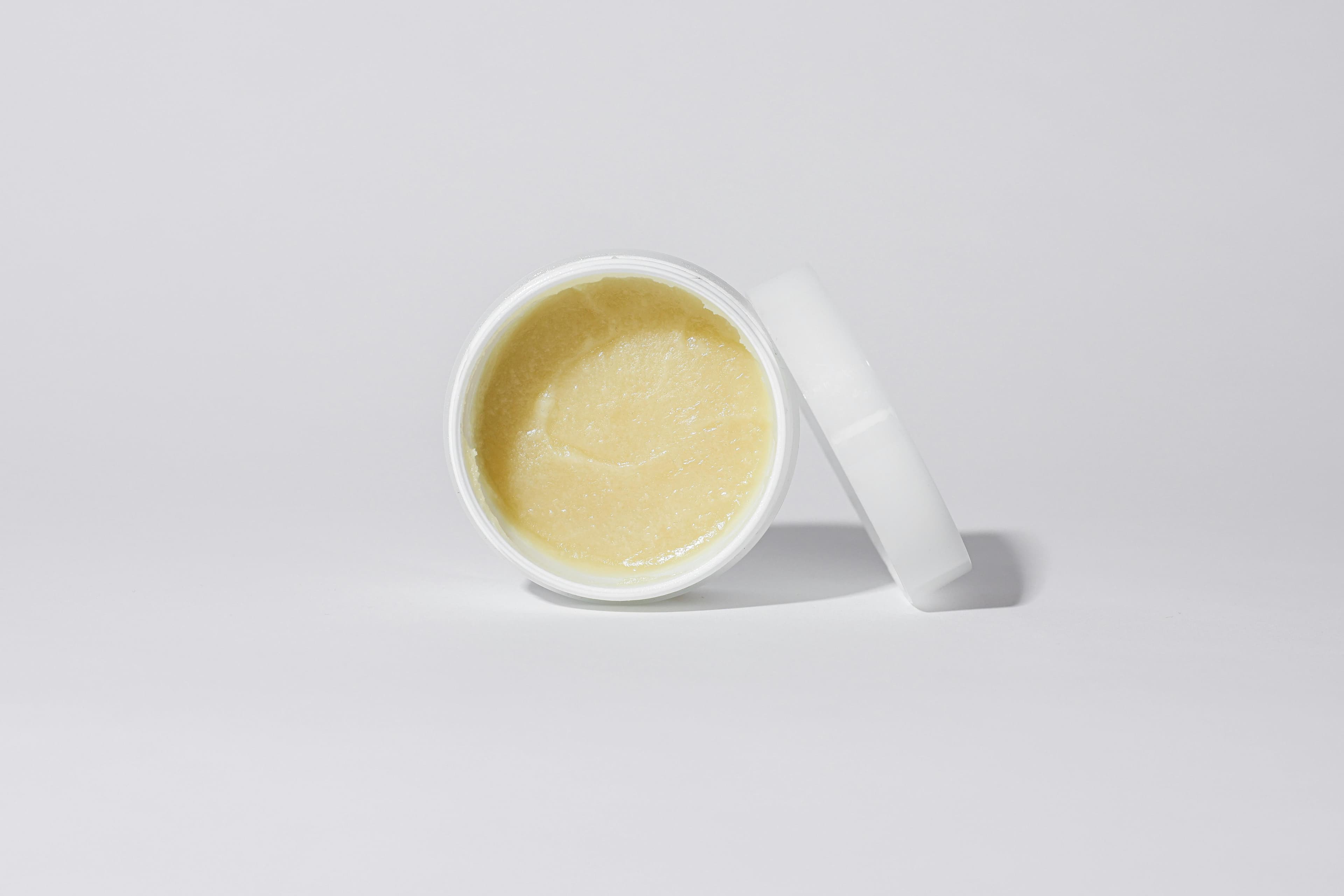
Because it's water-free, body butter doesn't need a preservative, but it can still go rancid as the oils age. Stored in a clean, dry jar away from heat and light, a batch keeps for 6 to 12 months. The shelf life is set by your shortest-lived oil, so check the dates on your carrier oil.
Keep water out of the jar. Scooping with wet fingers introduces moisture, and moisture is what lets mold or bacteria grow. Use a clean dry spoon or a small spatula, or pour the warm butter into a pump bottle if it's soft enough. A few drops of vitamin E oil stirred in at the end act as an antioxidant and stretch the shelf life a little.
💬 Frequently Asked Questions
What is the best oil ratio for body butter?
A reliable starting point is 50 percent shea butter, 25 percent cocoa butter, and 25 percent liquid carrier oil. Increase the cocoa butter for a firmer butter in warm weather, or add more liquid oil for a softer, faster-absorbing feel.
Why is my homemade body butter greasy?
Greasiness usually comes from too much heavy oil or applying too much at once. Stir in a teaspoon of arrowroot powder, switch to a dry-feel oil like jojoba, and use only a pea-sized amount. Body butter is concentrated, so a little goes far.
Do I need a preservative in body butter?
No. Body butter is anhydrous, meaning it contains no water, so bacteria and mold can't easily grow. You only need a preservative if you add water or any water-based ingredient like aloe. Keep water out of the jar to make the oils last.
Why is my body butter grainy?
Graininess happens when shea butter cools slowly and forms crystals. Melt the butters gently over low heat, then chill the mixture quickly in the freezer before whipping. If it's already grainy, remelt completely and cool it fast.
How long does homemade body butter last?
Stored in a clean, dry jar away from heat and light, homemade body butter keeps for 6 to 12 months. Its shelf life is limited by the carrier oil you use, so check that oil's expiration date and add a few drops of vitamin E to slow rancidity.
Ready to Get Your Scent Exactly Right?
Homemade moisturizing body butter is one of the easiest leave-on products to make, and the only number you really need to dial in is the scent. Use the free Soaply fragrance load calculator to set a safe, skin-friendly percentage for your batch, then whip up a jar that's rich, light, and never greasy. Already making bars? Try pairing your butter with a matching shea butter soap for a coordinated set.
Ready to Try It?
Use the free Soaply body butter calculator to size your batch and get every ingredient in grams and percent.
Open Calculator