How to Make Milk Soap: Goat Milk, Coconut Milk, and More
Learn how to make milk soap at home with goat milk, coconut milk, or oat milk. Get step-by-step instructions, temperature tips, and troubleshooting advice.
Milk soap is luxurious, creamy, and packed with skin-loving nutrients. Whether you use goat milk, coconut milk, or oat milk, adding milk to your soap creates bars that feel noticeably different from water-based soap. Here is everything you need to know.
- Why Add Milk to Soap?
- Popular Milks for Soap Making
- The Lye + Milk Challenge
- Three Methods for Adding Milk
- Step-by-Step: Goat Milk Soap Recipe
- Critical Tips for Milk Soap
- Troubleshooting Milk Soap
- Milk Soap for Selling
- Vegan Milk Alternatives
- Your First Milk Soap
- Frequently Asked Questions
Why Add Milk to Soap?
Milk brings real benefits to handmade soap:
- Natural fats. Add extra moisturizing properties
- Sugars. Boost lather and create creamier bubbles
- Proteins. Contribute to a silky skin feel
- Vitamins. Depending on the milk (A, D, B vitamins)
- Alpha-hydroxy acids. Gentle exfoliation (especially goat milk)
These are not marketing claims. The sugars genuinely improve lather, and the fats add conditioning beyond what your oil recipe provides.
Popular Milks for Soap Making
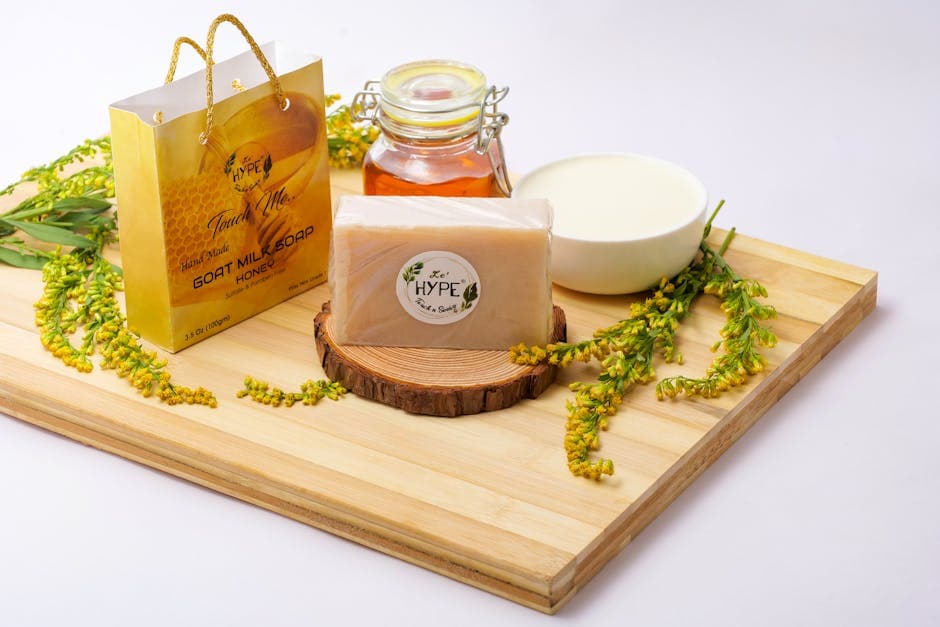
Goat Milk
The gold standard for milk soap.
- Rich in vitamins A and D
- Contains lactic acid (gentle exfoliant)
- Produces creamy, luxurious bars
- Available fresh, frozen, or powdered
Coconut Milk
Great for vegan soap.
- High fat content for extra conditioning
- Boosts lather significantly
- Widely available canned (full-fat)
- Produces very creamy bars
Oat Milk
Gentle and soothing.
- Excellent for sensitive skin
- Contains colloidal oat compounds
- Mild, subtle effect
- Easy to make at home
Cow Milk (Whole)
Classic and accessible.
- Similar benefits to goat milk
- Higher casein protein
- Widely available
- Use whole milk for best results
Other Options
- Buttermilk: Extra lactic acid, tangy
- Heavy cream: Ultra-rich, very moisturizing
- Almond milk: Light, vegan option
The Lye + Milk Challenge
Here is the thing about milk soap: lye reacts with milk sugars and fats. When you add lye directly to milk, it:
- Heats up rapidly (just like with water)
- Burns the sugars, turns orange/brown
- Creates a terrible smell
- Can curdle proteins
This is the number one reason milk soap fails for beginners. But there are proven techniques to prevent it.
Three Methods for Adding Milk
Method 1: Frozen Milk (Recommended for Beginners)
The most popular and reliable method.
Steps:
- Freeze your milk into ice cubes the night before
- Place frozen milk cubes in your lye container
- Add lye VERY slowly (1 tablespoon at a time)
- Stir between additions
- The frozen milk keeps temperature low
- Solution should stay light yellow/cream, not orange
Tips:
- Use a stainless steel container in an ice bath for extra cooling
- Add lye over 10-15 minutes, not all at once
- If it starts turning dark orange, slow down
- Final solution will be yellowish; that's normal
Method 2: Split Liquid (Most Reliable)
Use half water and half milk. Safest for consistent results.
Steps:
- Dissolve lye in HALF the liquid amount using water
- Let lye water cool completely
- Use the other half as milk (room temp or cold)
- At trace, add milk to the soap batter
- Blend briefly to incorporate
Advantages:
- Lye never touches milk directly
- Milk sugars and proteins stay intact
- Most consistent results
- Easiest for beginners
Example with Soaply calculator:
- Calculator says 280g water
- Use 140g water for lye solution
- Add 140g milk at trace
Method 3: Powdered Milk
Convenient and shelf-stable.
Steps:
- Make lye solution with full water amount as normal
- Mix powdered milk with a little oil from your recipe
- Add milk paste at trace
- Blend to incorporate
Usage rates:
- 1 tablespoon powdered milk per pound of oils (light)
- 2 tablespoons per pound of oils (rich)
Best powdered milks: Goat milk powder, whole milk powder, coconut milk powder, buttermilk powder
Step-by-Step: Goat Milk Soap Recipe
Here is a complete recipe for a beautiful goat milk bar:
Ingredients
| Oil | Percentage | For 2 lb batch |
| ----- | ----------- | ----------------- |
| Olive Oil | 35% | 11.2 oz |
| Coconut Oil | 25% | 8 oz |
| Lard or Palm | 25% | 8 oz |
| Shea Butter | 10% | 3.2 oz |
| Castor Oil | 5% | 1.6 oz |
Settings: 5% superfat, 33% lye concentration
Use our Soaply calculator to get exact lye and liquid amounts!
Additional:
- Goat milk (frozen): full liquid amount from calculator
- Fragrance: Honey or oatmeal FO at 6% (or lavender EO)
- Optional: 1 tbsp honey at trace, colloidal oatmeal
Instructions
- Night before: Freeze goat milk in ice cube trays
- Prep: Weigh all oils, melt solids, combine
- Lye: Slowly add lye to frozen milk cubes, stirring constantly. Take your time (15 minutes).
- Temperature: Let both reach 90-100 degrees F (milk soap works better cooler)
- Combine: Pour lye-milk into oils, stick blend to light trace
- Add-ins: Stir in fragrance, honey (dissolved in a tiny bit of oil), oatmeal
- Mold: Pour into mold. Do NOT insulate (see below)
- Wait: Unmold after 24-48 hours
- Cure: 4-6 weeks minimum
Critical Tips for Milk Soap
Temperature Control Is Everything
Milk soap overheats easily because sugars fuel a more exothermic saponification reaction. Overheating causes:
- Glycerin rivers
- Cracking
- Alien brain texture (yes, that is the actual term)
- Burning smell
Prevention:
- Soap at cooler temperatures (85-100 degrees F)
- Do NOT insulate the mold
- Consider putting the mold in the fridge for 24 hours
- Avoid gel phase (or force full gel in the oven at 170 degrees F; no in-between)
The Gel Phase Decision
No gel (fridge method):
- Lighter, creamier color
- More opaque bars
- Consistent look
- Safer for beginners
Full gel (oven method):
- Deeper, more translucent color
- Can look beautiful
- Risk of overheating if not monitored
- Not recommended for first attempt
Color Expectations
Milk soap will NOT be white. Expect:
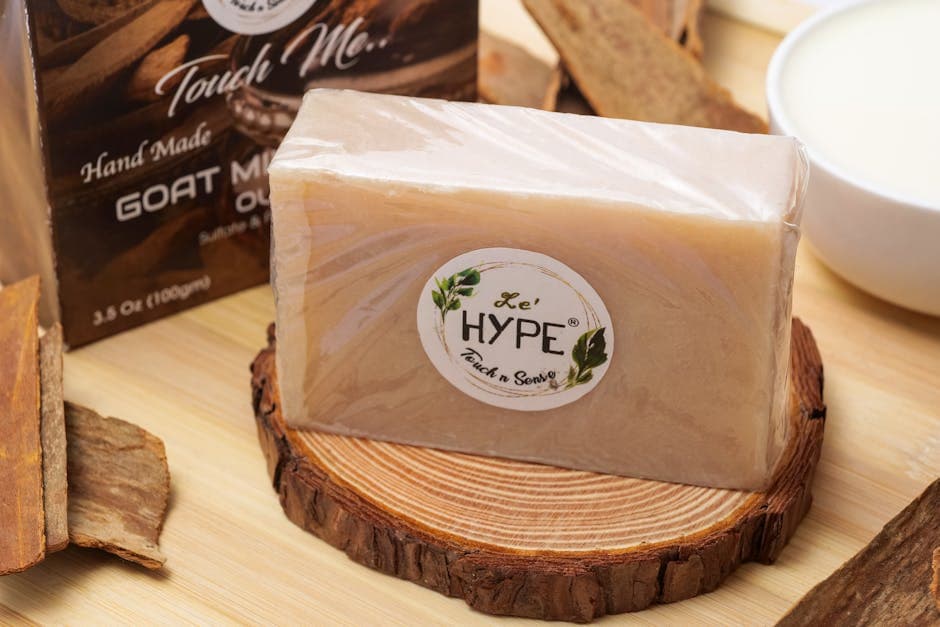
- Light tan/cream: Normal, well-made milk soap
- Caramel: Slight sugar browning, still fine
- Dark brown: Too much heat during lye mixing
- White: Only achievable with titanium dioxide added
The natural tan color is actually a selling point. It looks artisan and authentic.
Troubleshooting Milk Soap
Problem: Soap turned dark brown
Cause: Lye burned the milk sugars
Fix: Use frozen milk method, add lye more slowly, use an ice bath
Problem: Terrible smell during mixing
Cause: Normal! Lye + milk = temporary ammonia/burnt smell
Fix: Work in ventilation. Smell disappears during cure.
Problem: Volcano (soap expanded out of mold)
Cause: Overheating from sugar content
Fix: Do not insulate, put in fridge, soap cooler
Problem: Crumbly texture
Cause: Overheated and separated, or too much lye
Fix: Check calculator, control temperature
Problem: Soap is too soft after 48 hours
Cause: Extra fats from milk + water content
Fix: Wait longer to unmold (up to 5 days), ensure proper cure
Milk Soap for Selling
Milk soap commands premium prices because customers perceive it as luxurious:
- Standard soap: $6-8 per bar
- Goat milk soap: $8-12 per bar
- Specialty milk soap: $10-15 per bar
Marketing angles:
- "Made with fresh goat milk"
- Moisturizing and gentle
- Great for sensitive skin
- Natural and nourishing
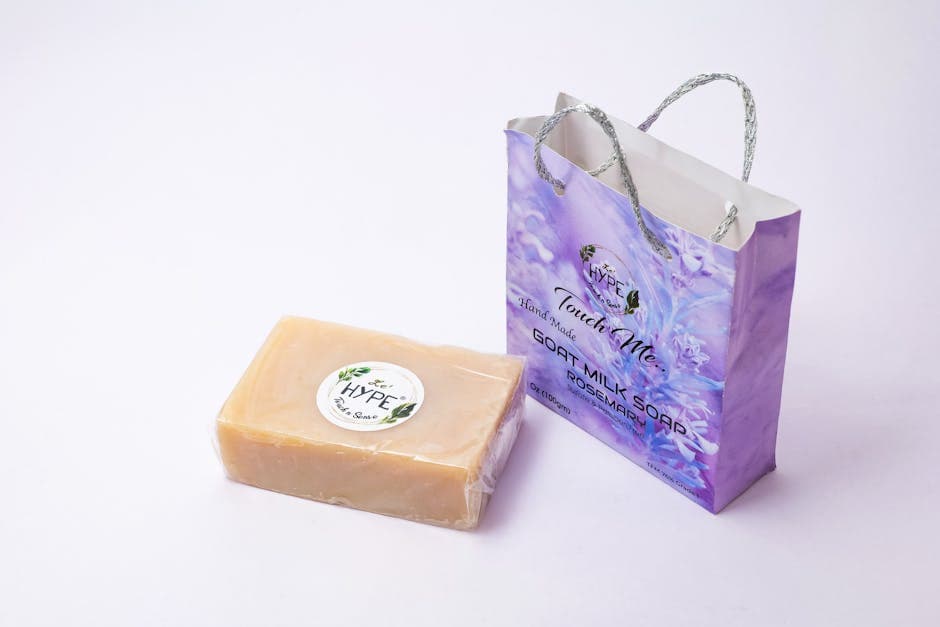
Labeling note: If you use goat milk, list it in ingredients as "goat milk" (or caprae lac for INCI). Customers love seeing it on the label.
Vegan Milk Alternatives
Not all milk soap needs animal products:
| Vegan Milk | Fat Content | Lather Boost | Conditioning |
| ------------ | ------------- | -------------- | ------------- |
| Coconut (full-fat) | High | Excellent | Very good |
| Oat | Low | Moderate | Good |
| Almond | Low | Mild | Mild |
| Soy | Medium | Good | Good |
Best vegan option: Full-fat coconut milk. It is rich, boosts lather significantly, and produces beautiful bars.
Your First Milk Soap
Ready to try? Here is the simplest approach:
- Pick a recipe you have already made successfully with water
- Use the split liquid method (half water, half milk at trace)
- Do not insulate; put in fridge
- Use our Soaply calculator for exact measurements
Start simple. Once you nail the technique, experiment with different milks and more advanced methods.
Milk soap is one of those things that, once you try it, you will not want to go back to plain water soap. Your skin will thank you!
💬 Frequently Asked Questions
Can you use store-bought milk for soap making?
Yes! Store-bought goat milk, coconut milk, and cow's milk all work. Use full-fat versions for the most skin benefits. Freeze the milk into cubes before adding lye to prevent scorching.
Why did my milk soap turn orange or brown?
The sugars in milk caramelize when they get too hot from the lye reaction. To prevent this, freeze your milk solid, add lye in tiny increments, and keep the mixing bowl in an ice bath. A light tan color is normal and expected.
How long does goat milk soap need to cure?
Goat milk soap cures for the standard 4-6 weeks, just like regular cold process soap. Don't insulate milk soap during the first 24 hours. Instead, place the mold in the fridge to prevent overheating.
Is milk soap safe for sensitive skin?
Yes! Milk soap is one of the gentlest types of handmade soap. The natural fats and lactic acid in milk are soothing for sensitive and dry skin. Use a higher superfat percentage (6-8%) for extra mildness.
Ready to Try It?
Use our free soap calculator to create your perfect recipe with real-time property predictions.
Open Calculator