How to Package Handmade Soap for Sale (9 Methods That Work)
Learn 9 proven ways to package handmade soap for sale. Covers kraft boxes, belly bands, shrink wrap, labeling requirements, and cost breakdowns per bar.
This article contains Amazon links. As an Amazon Associate, Soaply earns from qualifying purchases at no extra cost to you.
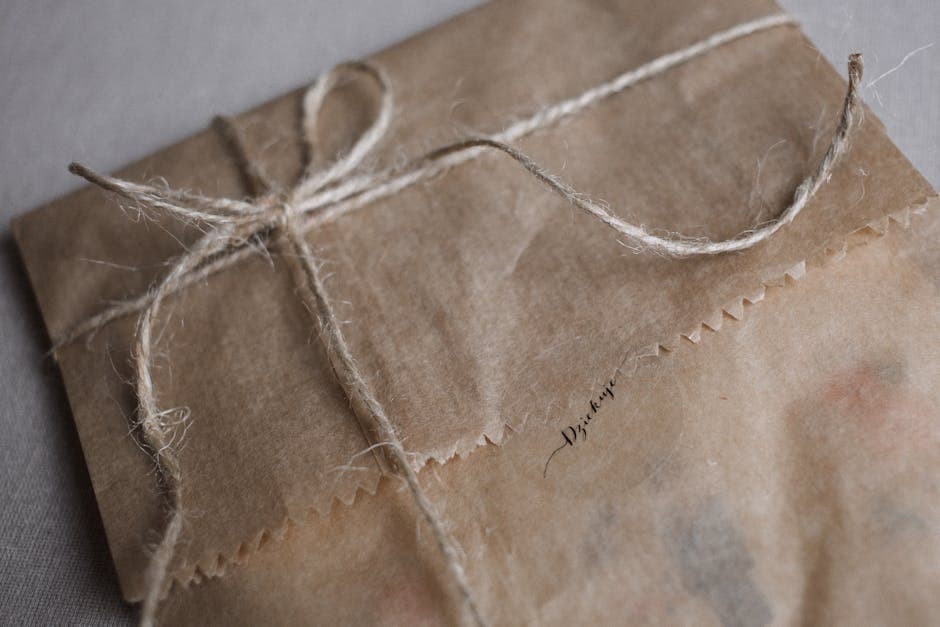
Your soap looks gorgeous uncut on the curing rack. But toss it in a plain plastic bag and it'll look like a gas station afterthought. Packaging is the difference between a $3 impulse buy and a $9 "treat yourself" purchase, and it doesn't have to cost a fortune. Here are nine packaging methods that actually work, with real costs and tips for each.
- Why Packaging Matters More Than You Think
- Kraft Paper Wraps
- Belly Bands and Cigar Bands
- Kraft Boxes With Windows
- Shrink Wrap Bags
- Muslin and Fabric Bags
- Wax Paper and Tissue Paper
- Clear Cellophane Bags
- Eco-Friendly and Zero Waste Options
- Custom Printed Packaging
- Soap Labeling Requirements You Can't Skip
- Packaging Cost Breakdown Per Bar
- Frequently Asked Questions
Why Packaging Matters More Than You Think
Customers at craft fairs pick up bars that catch their eye. Online shoppers judge your soap before they ever smell it. Packaging does three things: it protects your soap from moisture and damage, it communicates your brand, and it justifies your price point.
A bar wrapped in a simple belly band with a clean label tells the customer this is handmade with care. That same bar loose in a basket with a price sticker? It feels cheap, even if the recipe is identical.
Here's the thing most new soap makers get wrong: they either overspend on elaborate boxes before they've made their first sale, or they skip packaging entirely and wonder why nobody buys. You want something in the middle. Professional enough to build trust, affordable enough to protect your margins.
Let's break down each method so you can pick what fits your budget and brand.
Kraft Paper Wraps
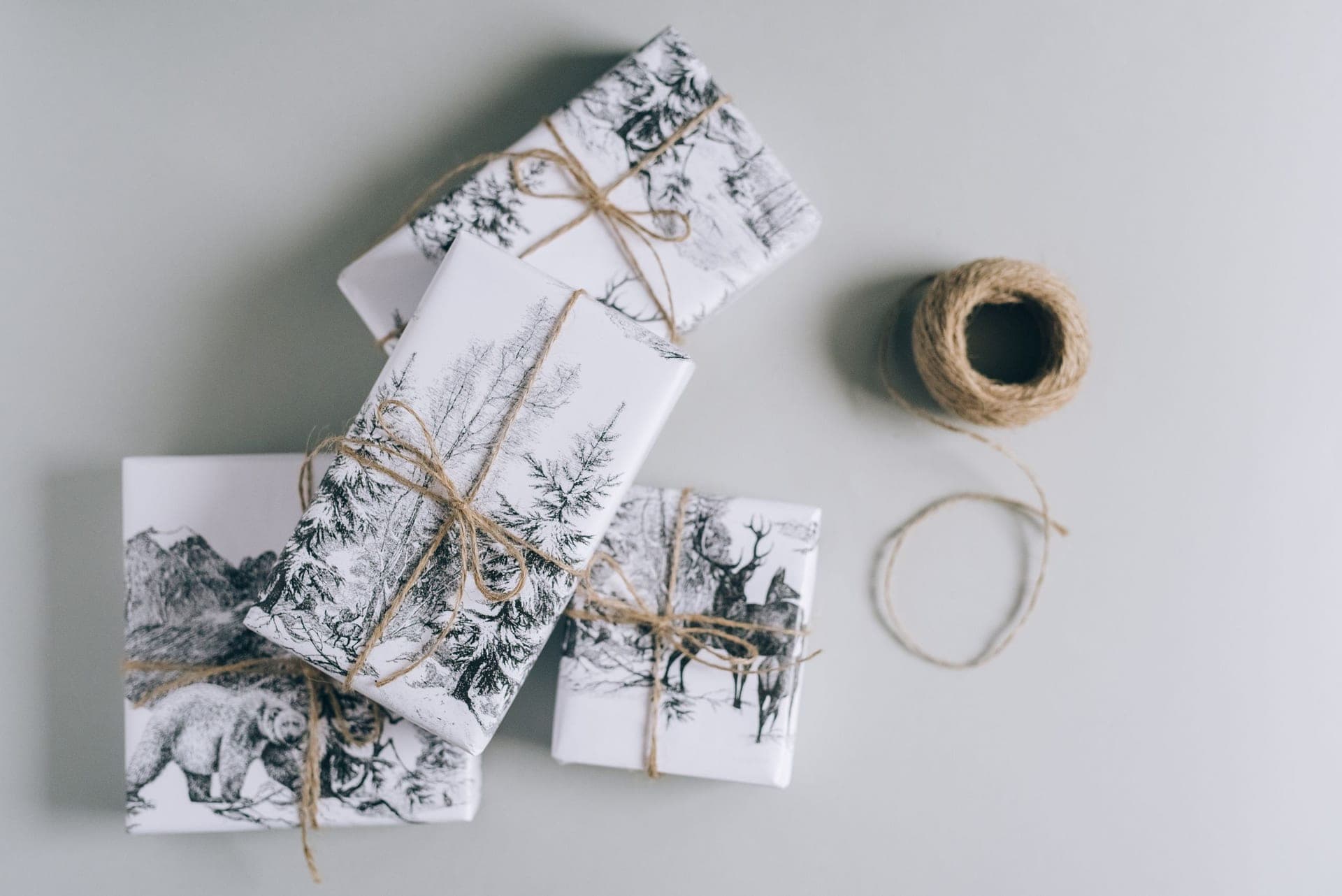
Kraft paper is the workhorse of handmade soap packaging. It's cheap (about $0.05-0.10 per bar), it looks rustic and intentional, and it works for almost every brand aesthetic.
How to do it: Cut a sheet of brown kraft paper slightly larger than your bar. Fold it around the soap like you're wrapping a small gift, tucking the ends neatly. Secure with a sticker, washi tape, or a rubber stamp directly on the paper.
Best for: Farmers market sellers, rustic or natural branding, and anyone starting out on a tight budget.
Pros:
- Cheap in bulk
- Lets you stamp or print your brand directly on it
- Biodegradable and recyclable
- Easy to customize with stamps, stickers, or twine accents
Cons:
- Customers can't see or smell the soap
- Paper can absorb moisture if your bars aren't fully cured
- Takes time to wrap each bar neatly
Pro tip: Always make sure your soap is fully cured before wrapping in kraft paper. Even slightly damp bars will leave grease spots on the paper. Use the Soaply calculator to nail your water discount so your bars cure faster and cleaner.
Belly Bands and Cigar Bands
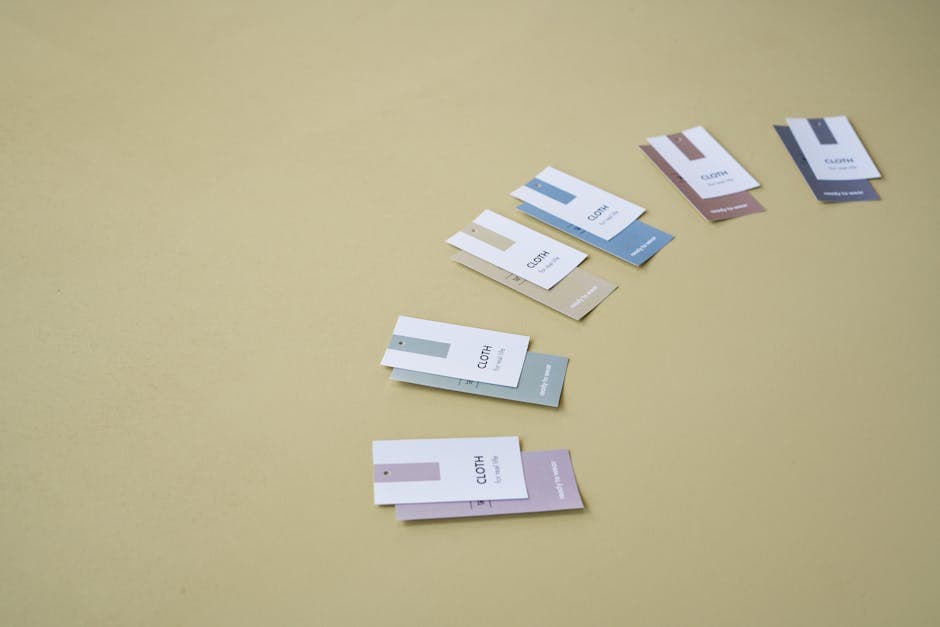
Belly bands are strips of paper (usually 1.5-2 inches wide) wrapped around the middle of your soap bar. They're one of the most popular packaging methods because customers can see and smell the soap while still getting a branded, professional look.
How to do it: Design your label as a long strip that wraps around the bar with a slight overlap. Print on cardstock or label paper, wrap snugly, and secure with a glue dot or the label's own adhesive.
Best for: Soap makers who want customers to see their product. Perfect for colorful, swirled, or textured bars where the design sells itself.
Cost: About $0.08-0.15 per bar if you print at home, or $0.15-0.30 each from a print shop.
Pros:
- Customers see and smell the soap
- Clean, professional appearance
- Easy to print at home with a laser or inkjet printer
- Lightweight for shipping
Cons:
- Doesn't protect the soap from handling (fingerprints, nicks)
- Bars can slide out if the band isn't snug
- Exposed soap can develop glycerin dew in humid conditions
You can buy printable kraft belly band labels on Amazon for around $12 per 125 labels, or design your own in Canva and print on cardstock.
Kraft Boxes With Windows
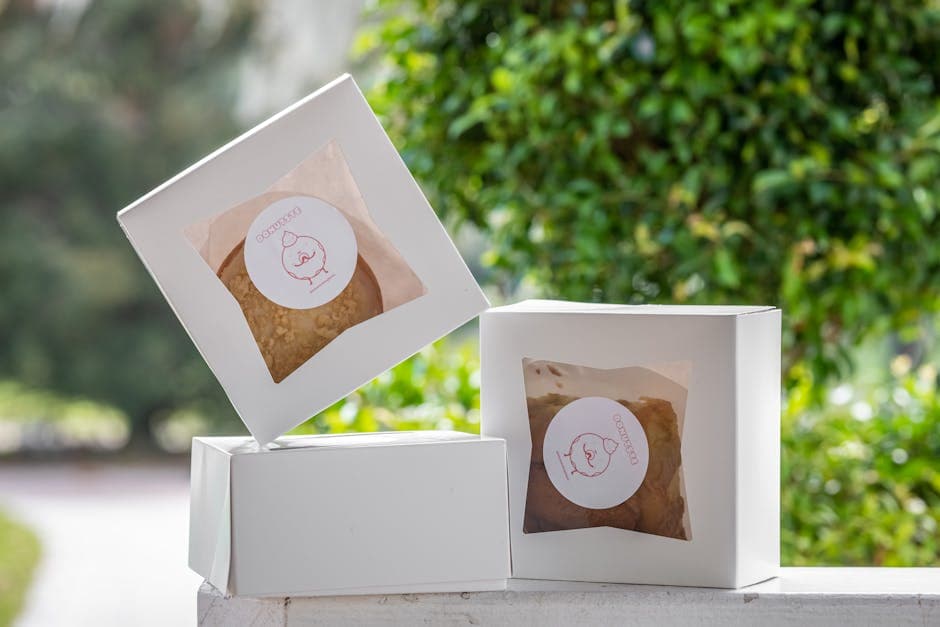
Windowed kraft boxes give you the best of both worlds: full protection for your soap bar plus a clear window so customers can see what they're buying. They look instantly professional.
How to do it: Buy boxes sized for standard soap bars (roughly 3.5" x 2.5" x 1.2"). Drop in your bar, close the box, and add a label or stamp. That's it.
Cost: About $0.25-0.50 per box when bought in bulk (packs of 100 kraft soap boxes run $15-25 on Amazon).
Best for: Online sellers, gift sets, and anyone who wants a polished look without custom printing.
Pros:
- Professional, retail-ready appearance
- Protects bars from handling and shipping damage
- Window lets customers see the product
- Easy to assemble, no wrapping skill needed
Cons:
- Higher cost per bar than paper wraps
- Takes up more space for storage and display
- Less "handmade" feel than paper wraps
Shrink Wrap Bags
Shrink wrap creates a tight, clear seal around your soap bar. It's the most protective option and gives a very clean, commercial look. You'll need a heat gun or hair dryer to shrink the bags.
How to do it: Slide your bar into a shrink wrap bag sized for soap. Use a heat gun on low setting, working evenly around the bar until the film tightens. Add a label on top.
Cost: About $0.05-0.10 per bag, plus a one-time heat gun purchase ($15-25).
Best for: Soap makers shipping bars (prevents scent mixing), wholesale accounts, and anyone selling in retail stores.
Pros:
- Maximum protection from moisture, dust, and handling
- Bars stay fresh longer
- Clean, uniform appearance
- Prevents scent transfer between bars
Cons:
- Customers can't smell the soap
- Plastic isn't eco-friendly (though biodegradable options exist)
- Requires a heat gun and some practice
- Can look too "commercial" for artisan markets
Muslin and Fabric Bags
Fabric bags, especially muslin or linen drawstring pouches, make your soap feel like a gift. They're reusable, eco-friendly, and add perceived value that justifies a higher price.
How to do it: Place your soap in a fabric bag, pull the drawstring closed, and attach a tag. Some soap makers tie on a label with twine for extra charm.
Cost: About $0.30-0.60 per bag for plain muslin. Printed or branded bags cost more.
Best for: Premium or gift lines, holiday soaps, bridal shower favors, and eco-conscious brands.
Pros:
- Customers can reuse the bag
- Elevated, premium feel
- Great for gift packaging without extra wrapping
- Breathable material lets soap cure further
Cons:
- Higher cost cuts into margins on lower-priced bars
- Customers can't see the soap
- Scent can fade through the fabric
Wax Paper and Tissue Paper
Wax paper gives a classic, bakery-style look to handmade soap. Tissue paper adds color and a delicate feel. Both are affordable and easy to work with.
How to do it: Wrap your bar in wax paper or tissue paper, folding the ends like a parcel. Secure with a sticker, label, or tied twine.
Cost: Under $0.05 per bar for wax paper; tissue paper is similarly cheap in bulk.
Best for: Budget-conscious sellers, farmers markets, and soap that needs breathing room during the final cure.
Pros:
- Very affordable
- Wax paper resists moisture better than kraft
- Tissue paper comes in dozens of colors for seasonal themes
- Easy to wrap, no special tools needed
Cons:
- Tissue paper tears easily
- Neither option looks as polished as boxes or belly bands
- Doesn't photograph as well for online listings
Clear Cellophane Bags
Cellophane bags show off your soap's colors and design while keeping it protected. They're a step up from shrink wrap because you don't need a heat gun; just seal with a sticker or twist tie.
How to do it: Slide your bar into a clear cellophane bag, fold the top over, and seal with a branded sticker. Add a cardstock backing insert for extra presentation.
Cost: About $0.05-0.10 per bag.
Best for: Colorful soaps where the visual design is a selling point. Works well for craft fair displays.
Pros:
- Full visibility of the soap bar
- No special equipment needed
- Affordable and available everywhere
Cons:
- Plastic-based (not eco-friendly unless you buy compostable cellophane)
- Can look generic without a good label
- Bars can shift around inside the bag
Eco-Friendly and Zero Waste Options
Sustainability sells. More customers are asking about packaging waste, and offering eco-friendly options can set you apart. Here are approaches that work:
Seed paper labels. Print your label on plantable seed paper. Customers tear off the label and plant it. It costs more ($0.30-0.50 per label) but the novelty factor is huge.
Naked bars with stamped tops. Skip packaging entirely and stamp your logo directly onto the soap bar using a custom stamp. This works best for simple, clean-looking bars sold at in-person markets.
Recycled paper wraps. Use paper made from post-consumer recycled content. Print with soy-based inks. Combine with a "100% recyclable packaging" callout on your label.
Beeswax wraps. Some soap makers wrap bars in beeswax-coated fabric wraps. The customer gets a reusable food wrap along with their soap. Clever, but the cost per bar is $1-2.
Custom Printed Packaging
Once you're selling consistently (50+ bars a month), custom printed packaging starts making financial sense. You can get custom belly bands, boxes, or wrapping paper printed with your logo, colors, and product info.
Where to order:
- Canva + home printer: Free designs, print on cardstock. Great for belly bands.
- Sticker Mule or Avery: Custom labels and stickers, starting around $0.10-0.25 each in bulk.
- Alibaba or PackLane: Custom printed boxes with minimums of 100-500 units, starting at $0.40-0.80 per box.
When to upgrade: If you're wrapping more than 50 bars a month and your current packaging takes more than 2 minutes per bar, it's time to invest in something more efficient.
Soap Labeling Requirements You Can't Skip
Packaging isn't just about looking good. If you're selling soap, federal law requires certain information on your labels. Here's what you need:
For "true soap" (the FDA definition):
The Fair Packaging and Labeling Act (FPLA) requires three things:
- Product identity: What it is (e.g., "Handmade Soap" or "Lavender Bar Soap")
- Net weight: In both ounces and grams (e.g., "4 oz / 113g"), placed on the front of the label
- Business name and address: Your name or company name plus your city, state, and zip code
That's the minimum for bars that are "true soap" (made primarily from fats/oils and an alkali, with cleaning as the primary claim).
If you make cosmetic claims:
The moment you say your soap "moisturizes," "treats acne," or "heals eczema," it's classified as a cosmetic (or even a drug) and needs a full ingredient list in INCI format, listed in descending order. Stick to cleaning claims if you want to keep labeling simple.
State requirements: Some states require additional registration for cosmetic products. Check your state's regulations before selling.
Pro tip: When formulating your recipe with the Soaply calculator, you can see the full list of oils and additives. Keep that list handy for your labels if you need an ingredient declaration.
Packaging Cost Breakdown Per Bar
Here's a realistic cost comparison so you can see where your money goes:
| Method | Cost Per Bar | Setup Cost | Professional Look |
| -------- | ------------- | ------------ | ------------------- |
| Kraft paper wrap | $0.05-0.10 | None | ★★★☆☆ |
| Belly bands | $0.08-0.30 | Printer or print order | ★★★★☆ |
| Kraft boxes (window) | $0.25-0.50 | None | ★★★★★ |
| Shrink wrap | $0.05-0.10 | Heat gun ($15-25) | ★★★☆☆ |
| Muslin bags | $0.30-0.60 | None | ★★★★★ |
| Wax/tissue paper | $0.03-0.05 | None | ★★☆☆☆ |
| Cellophane bags | $0.05-0.10 | None | ★★★☆☆ |
| Custom boxes | $0.40-0.80 | Design + MOQ | ★★★★★ |
Most soap makers spend $0.15-0.40 per bar on packaging. If your bar sells for $7-9, that's 2-5% of your retail price, which is right in the sweet spot.
Picking the Right Method for Your Business
Not sure which method to start with? Here's a quick decision framework:
Just starting out? Go with kraft paper wraps or belly bands. They're cheap, look good, and let you test different label designs without committing to a big order.
Selling mostly online? Use kraft boxes with windows or shrink wrap. You need protection during shipping, and the unboxing experience matters when the customer can't touch your product before buying.
Farmers markets and craft fairs? Belly bands are your best friend. Customers want to see and smell your bars. Check out our tips on how to price handmade soap to make sure your packaging costs don't eat your profits.
Going into retail stores? You'll need consistent, professional packaging. Invest in custom printed boxes or labels. Retail buyers expect barcodes, ingredient lists, and clean branding.
Eco-conscious brand? Naked bars with stamps, seed paper labels, or recycled kraft wraps. Make sustainability part of your brand story.
💬 Frequently Asked Questions
Do I need to list ingredients on handmade soap?
If your product is "true soap" under the FDA definition (made from fats and alkali, marketed only for cleaning), you don't need an ingredient list. You just need the product name, net weight, and your business name and address. But if you make any cosmetic or therapeutic claims, a full INCI ingredient list is required by law.
What's the cheapest way to package soap for sale?
Kraft paper wraps cost about $0.05-0.10 per bar, making them the most affordable option. Add a rubber stamp with your logo ($10-15 one-time cost) and you've got professional-looking packaging for pennies. Belly bands printed at home on cardstock are another budget option at $0.08-0.15 per bar.
Should I shrink wrap handmade soap?
Shrink wrap works great for shipping and retail because it protects bars from moisture and scent transfer. But it blocks customers from smelling the soap, which matters at craft fairs where fragrance drives sales. Many soap makers use shrink wrap for online orders and belly bands for in-person events.
How soon after making soap can I package it?
Wait until your soap is fully cured (4-6 weeks for cold process). Packaging soap too early traps moisture inside, which can cause soft bars, glycerin rivers, or even mold. Check our curing guide for the full breakdown on why patience pays off.
Can I use regular printer paper for soap labels?
You can, but it won't hold up well. Regular paper absorbs oils from the soap and wrinkles over time. Use cardstock (at least 80 lb weight), waterproof label paper, or kraft label sheets for labels that stay crisp. Laser-printed labels resist smudging better than inkjet.
Start Wrapping
Good packaging turns handmade soap into a product people want to buy and gift. Pick one method that fits your budget, get your labels sorted with the legal basics, and start selling. You can always upgrade as your business grows.
Need help dialing in your soap recipe before packaging day? Run your oils through the Soaply calculator to get your lye, water, and superfat numbers right on the first try.
Ready to Try It?
Use our free soap calculator to create your perfect recipe with real-time property predictions.
Open Calculator