How to Make Solid Cologne (A Men's Scent in a Pocket Tin)
How to make solid cologne at home: a beeswax balm with a masculine scent, four blends to copy, a firmer ratio for pocket carry, and how to make it last.
This article contains Amazon links. As an Amazon Associate, Soaply earns from qualifying purchases at no extra cost to you.
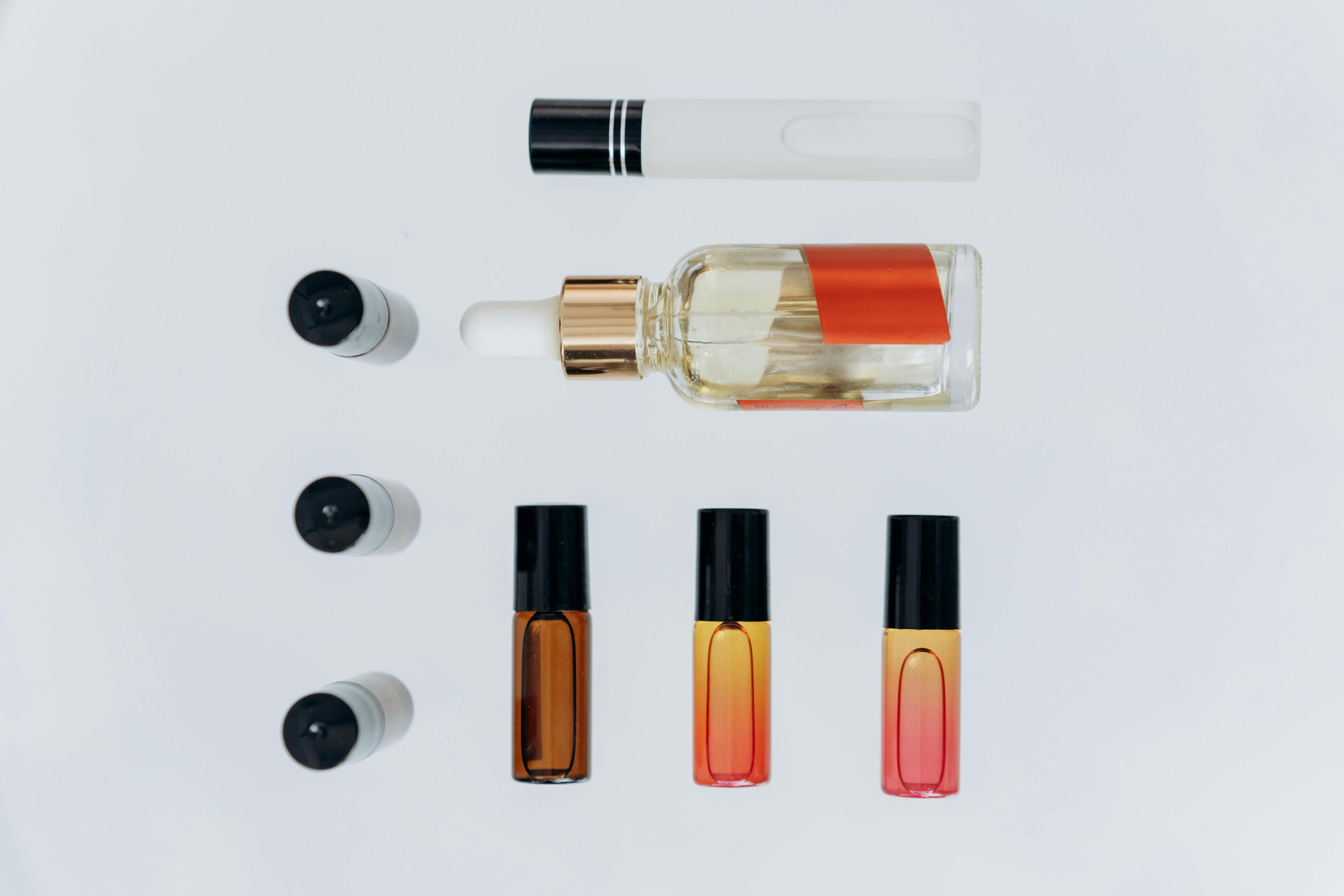
Solid cologne is a men's scent set into a beeswax-and-oil balm that you warm with a fingertip and swipe onto your skin. There's no alcohol, so it won't sting a freshly shaved jaw or dry out your skin, and because it's solid it won't leak in a gym bag or a carry-on. The whole thing fits in a tin the size of a lip balm. Melt the wax, blend in your scent, pour, and it sets in about twenty minutes.
If you've made a solid perfume before, you already know most of the method. A cologne is the same balm with two differences that matter: the scent leans woody, fresh, and spiced instead of floral, and you want it a touch firmer so it survives a warm pocket. This guide covers the scent side in depth, hands you four blends to copy, and points you to the exact ratios when you're ready to pour.
Quick start: grab a few empty push-up cologne tins and a bottle of cedarwood essential oil, then scale any blend below in the Soaply solid perfume calculator. It builds the same wax, oil, and fragrance balm a cologne needs.
- What Solid Cologne Is
- Solid Cologne vs Spray vs Roll-On
- The One Recipe Change: Make It Firmer
- Building a Masculine Scent
- Four Solid Cologne Blends
- A Base Solid Cologne Recipe
- How to Apply Solid Cologne
- How to Make It Last
- Fixing a Batch That Went Wrong
What Solid Cologne Is
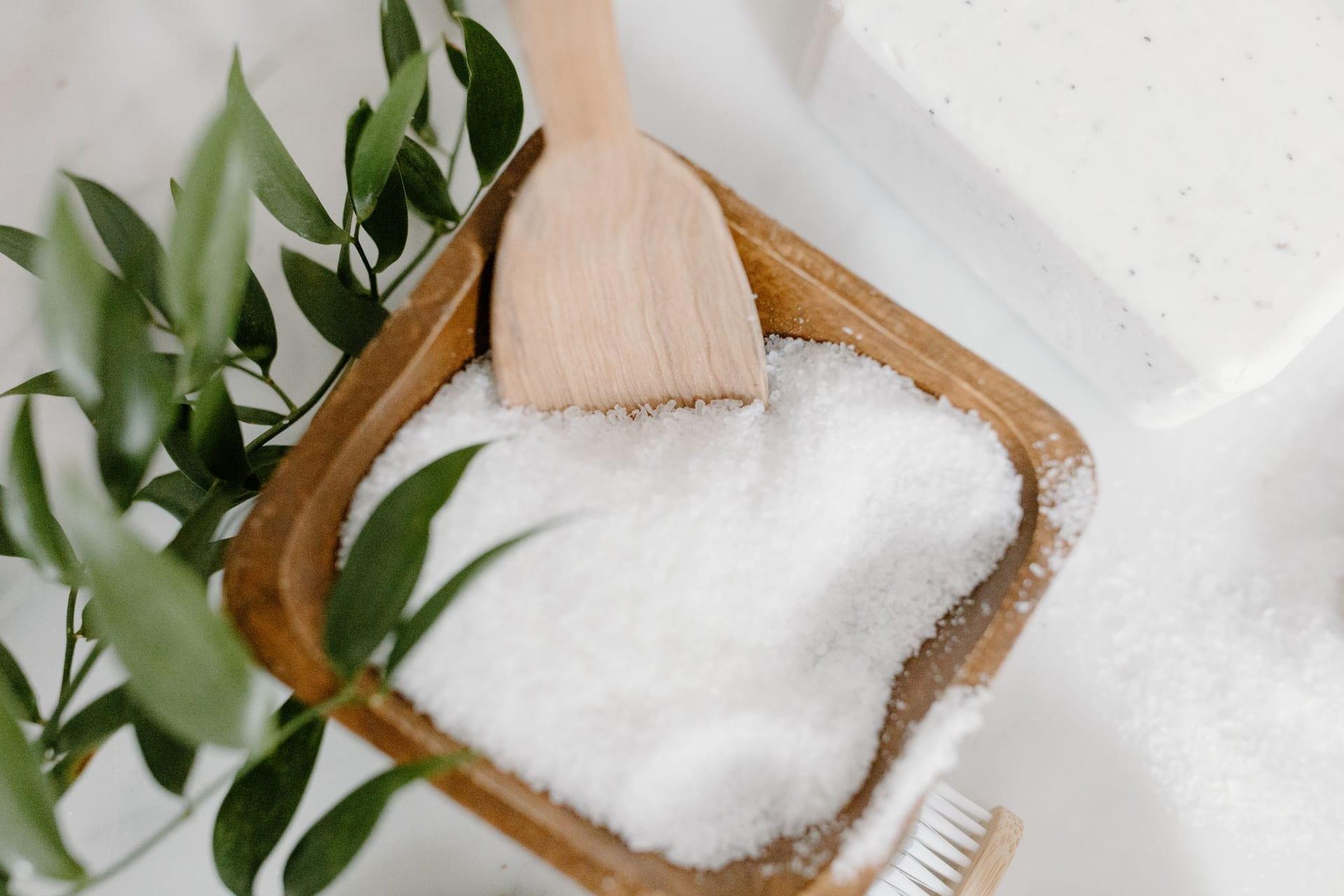
A solid cologne is scent suspended in a firm balm. Beeswax gives it a shape you can carry, a light carrier oil softens that wax so it melts on contact with skin, and your fragrance rides along in the oil. You press a finger to the surface, the warmth of your skin melts a thin film, and you swipe it onto your neck or wrists. That's the whole product.
The reason to make one instead of buying a spray comes down to what's not in it. A bottled cologne is mostly alcohol, which is what flings the scent into the air and makes it carry across a room. Alcohol also bites on skin that's just been shaved and pulls moisture out of it over the day. A solid has none of that. The carrier oil conditions your skin instead of drying it, which is why a lot of guys who shave daily or wear a beard reach for the solid. It sits quiet and close rather than announcing you from the doorway.
The trade is honest and worth saying up front: a solid won't project as far or last as long on your skin as a strong spray. You're applying a dab of oil, not a cloud of alcohol, so plan to top it up at midday. For an office, a date, or close quarters, that restraint is the point.
Solid Cologne vs Spray vs Roll-On
These are three formats for the same idea, a scent you wear, and each one handles differently.
| Format | What it is | Projection | Best for |
| --- | --- | --- | --- |
| Spray cologne | Fragrance in alcohol | Strong, fills a room | Big sillage, going out |
| Roll-on oil | Fragrance in a liquid carrier oil | Soft, close to skin | Travel, easy dosing |
| Solid cologne | Fragrance in a wax-and-oil balm | Soft, very close | Pocket carry, shaved or dry skin |
If you want the version that carries, our guide on how to make cologne covers the alcohol spray and an oil roll-on. If you'd rather a scent that rolls on from a bottle, start with how to make perfume oil. The solid is the one you keep in a jacket pocket.
The One Recipe Change: Make It Firmer
The mechanics of a solid cologne are identical to a solid perfume: melt beeswax with a carrier oil, stir in fragrance off the heat, pour into a tin. Our solid perfume guide walks through the wax-to-oil ratio, the carrier choices, and the fixes if it comes out too hard or too soft, so I won't repeat all of it here.
The one thing worth changing for a cologne is the firmness. A solid perfume on a bathroom shelf can be soft and glide-y. A cologne tends to live in a pocket, a gym bag, or a glovebox, where body heat and sun can turn a soft balm greasy. Beeswax melts around 145F (63C), so a firmer balm shrugs off a warm pocket far better. Where the perfume guide suggests about one part beeswax to two parts carrier oil, nudge a cologne toward one part wax to one-and-a-half parts oil, or roughly 40 percent wax. It'll still melt on your skin, but it holds up when it's riding around with you all day.
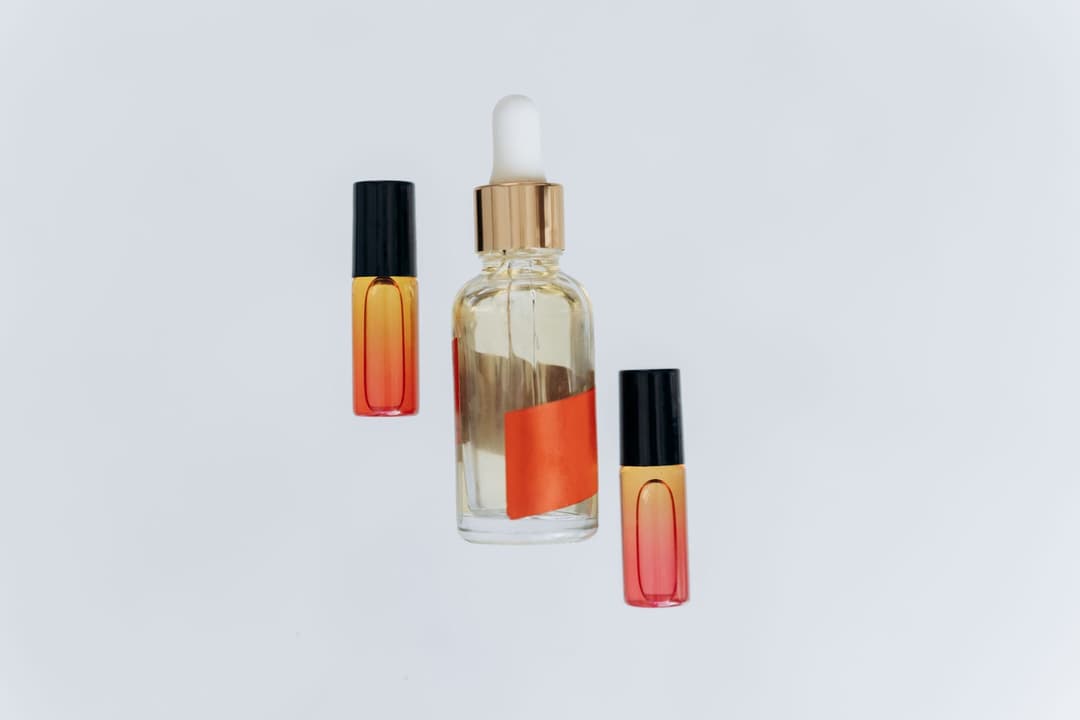
For the carrier, jojoba is the standout for a cologne. It's a liquid wax ester, so it barely goes rancid and a tin can keep well over a year. It's also close to odorless, so it won't fight your scent. Fractionated coconut oil is a lighter, fully odorless second choice, and sweet almond oil works if you don't mind a shelf life closer to a year. You can read more on jojoba oil and sweet almond oil on their reference pages, and on beeswax if you want its melt point and feel.
Building a Masculine Scent
This is where a cologne actually becomes a cologne. The balm is just the delivery; the blend is the thing. Men's scents are built from the same note pyramid as any fragrance, but they lean on different families.
Think in three layers. Top notes are the first thing you smell and the first to fade, usually bright and fresh. Heart notes are the body of the scent, the part that reads once the top burns off. Base notes are the heavy, slow oils that linger for hours and hold the lighter notes in place. A good starting split is about 30 percent top, 50 percent heart, and 20 percent base by drop count, then adjust by smell.
Here are the oils that pull a blend in a masculine direction:
| Layer | Oils to reach for | What they bring |
| --- | --- | --- |
| Top | Bergamot, grapefruit, lemon, black pepper | Fresh, sharp, clean lift |
| Heart | Lavender, rosemary, clary sage, cardamom, clove | Herbal, aromatic, a little spice |
| Base | Cedarwood, sandalwood, vetiver, patchouli, frankincense | Woody depth, smoke, grounding |
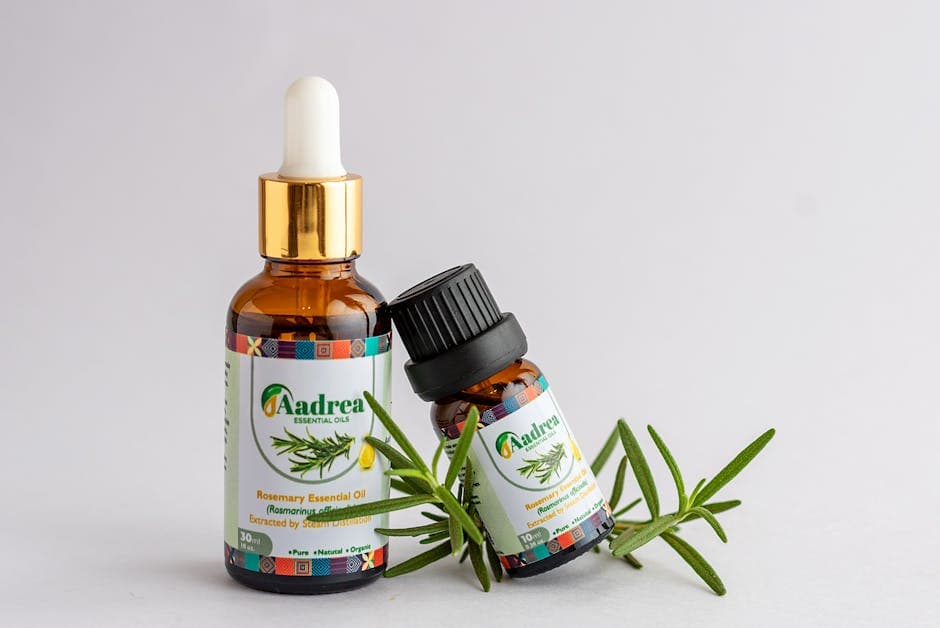
Two cautions before you start dripping. Cold-pressed citrus oils like bergamot, grapefruit, and lemon can be phototoxic, meaning they react with sunlight on skin and can leave a burn or a dark patch. For a dab you apply under a collar the risk is low, but keep the citrus modest or buy a bergaptene-free (FCF) bergamot. And go light on the hot spice oils, clove, cinnamon, and black pepper, since they can irritate skin at high doses. A few drops is plenty.
The base notes do double duty. Beyond scent, cedarwood, vetiver, patchouli, and frankincense act as fixatives: they're heavy and slow to evaporate, so they drag out the life of the whole blend. That's why nearly every men's scent you've liked has wood or resin sitting underneath it.
Four Solid Cologne Blends
Each of these makes enough scent for one 1 oz (30 g) tin at roughly 10 percent fragrance. Drip them into the melted oil, stir, and smell before you pour. If a blend reads too sharp, add a few more base drops; too flat, add a top.
Fresh Woods, the easy everyday one:
- 24 drops cedarwood
- 20 drops bergamot
- 12 drops lavender
- 8 drops vetiver
Barbershop, a classic clean-shave fougere:
- 22 drops lavender
- 16 drops bergamot
- 14 drops cedarwood
- 8 drops geranium
- 6 drops vanilla or tonka
Spiced Amber, for cool weather and nights out:
- 18 drops sweet orange
- 14 drops frankincense
- 10 drops cardamom
- 8 drops black pepper
- 6 drops clove
- 6 drops vanilla
Citrus Vetiver, light enough for summer or the office:
- 22 drops grapefruit
- 18 drops bergamot
- 14 drops vetiver
- 8 drops rosemary
You can swap essential oils for skin-safe fragrance oils in any of these if you're chasing a specific commercial-style scent. Our guide on essential oils vs fragrance oils covers when each one makes sense.
A Base Solid Cologne Recipe
This makes one firm 1 oz (30 g) tin. Weigh everything on a scale that reads to 0.1 g if you can; drops are fine for the fragrance.
Ingredients:
- 12 g beeswax (about 40 percent)
- 15 g jojoba or fractionated coconut oil (about 50 percent)
- one blend from above, roughly 60 to 70 drops (about 10 percent)
Method:
- Weigh the beeswax and carrier oil into a small heatproof jar.
- Set the jar in a pan of simmering water and stir until the wax is fully melted and clear.
- Take the jar off the heat and let it cool for a minute. Adding scent to scalding wax boils off the lighter notes.
- Stir in your blend and mix well.
- Pour into the tin and leave it undisturbed until firm, about twenty minutes. Cap it.
When you want a different tin size or a stronger pour, drop your batch weight and percentages into the Soaply solid perfume calculator and it'll hand you the beeswax, carrier oil, and fragrance in grams. It's labeled for solid perfume, but a cologne is the same balm, so the math is identical.
How to Apply Solid Cologne
Press a fingertip flat on the balm for a second so your body heat softens the surface, then swipe. Apply to warm pulse points where blood runs close to the skin and pushes the scent out through the day: the sides of the neck, behind the jaw, the inner wrists, and a little at the base of the throat if your collar's open.
A few habits make it work better:
- Apply to clean, slightly damp skin when you can. Scent grabs better than it does on bone-dry skin.
- Don't rub your wrists together hard. It heats and crushes the top notes.
- A small amount smoothed over a beard is fine, and unlike an alcohol spray it won't dry the hair out. That's a real edge for bearded guys.
- Go easy. A solid sits close by design, so two or three swipes is plenty. If you want more presence, reapply at lunch rather than piling it on at 7 a.m.
How to Make It Last
A solid cologne lives and dies by its base notes and its carrier. Weight the blend toward cedarwood, vetiver, patchouli, or frankincense and the scent holds for hours instead of minutes. Lean all top notes and it'll be gone by the time you reach the car.
Two more moves help. Let the finished tin rest in a dark drawer for a week or two before you judge it; the oils marry and the blend smells rounder than it does the day you pour it. And use jojoba as your carrier for the longest shelf life, with a drop of vitamin E oil if you want to stretch it further. Kept capped and out of the sun, a tin stays good long past when you'll finish it.
Be realistic about longevity. Even a well-built solid fades faster on skin than an alcohol spray and never throws as far, because you're wearing a thin film of scented oil rather than a blast of alcohol carrying a heavy fragrance load. Reapplying is part of the format, not a failure of your recipe.
Fixing a Batch That Went Wrong
- Too hard to swipe. Too much wax, or it's cold. Warm it a few seconds longer with your finger, or remelt and add a little more carrier oil.
- Scent too faint on skin. Push the fragrance toward the top of the 10 to 12 percent range, lean harder on base notes, and apply to warm, slightly damp skin.
- Fades by lunch. Normal for a solid. Reapply, and rebuild the blend with more base notes next time.
- Greasy or soft in the tin. Too much oil for the wax, or a hot pocket. Remelt and add beeswax toward the firm 40 percent mix. The solid perfume guide has the full ratio fixes.
If you like making scent for men, a matching bar of soap rounds out the gift or the routine. Our guide on how to make men's soap pairs well with a cologne in the same scent family.
💬 Frequently Asked Questions
Does solid cologne last as long as a spray?
No. A solid projects less and fades faster on skin because it's a thin film of scented oil, not alcohol carrying a heavy fragrance load. Expect a few hours and plan to reapply. The upside is a scent that stays close to you instead of filling the room.
Is solid cologne better for sensitive or just-shaved skin?
For a lot of guys, yes. There's no alcohol to sting a fresh shave or dry your skin, and the carrier oil conditions it instead. Still patch test your blend on your inner arm first, and keep the citrus and spice oils modest, since those are the most likely to irritate.
Can I use fragrance oils instead of essential oils?
Yes. Skin-safe, IFRA-compliant fragrance oils work in the same balm and often smell truer to a commercial cologne and last a bit longer. Check the oil's maximum skin usage rate and start around 6 to 8 percent. Fragrance oils vary in quality, so buy from a supplier that lists skin safety.
How much should I make at once?
Start with a single 1 oz tin. A blend keeps shifting as it ages and you'll almost always want to tweak it, so small batches let you dial in the scent without wasting oils. Once you love one, scale it up in the calculator.
Can I make a vegan solid cologne?
Yes. Swap the beeswax for candelilla wax, which is harder, so use about two-thirds the weight and make up the difference with carrier oil. The solid perfume guide walks through the plant-wax swap in detail.
Carry Your Own Signature Scent
A solid cologne is three things: a firm beeswax balm, a masculine blend built on woods and fresh top notes, and a carrier that keeps it fresh. Mix a blend you like, pour it into a pocket tin, and let it age a week before you judge it. When you're ready to scale a recipe to any tin size, run it through the Soaply solid perfume calculator, and read how to make solid perfume for the full ratio mechanics behind the balm.
Ready to Try It?
Use the free Soaply perfume oil calculator to size your batch and get every ingredient in grams and percent.
Open Calculator