How to Make a Honey Sugar Scrub (Recipe, Ratios, and Shelf Life)
How to make a honey sugar scrub at home, the sugar-to-honey-to-oil ratio, which honey to use, whether it is safe for your face, and how long it really keeps.
This article contains Amazon links. As an Amazon Associate, Soaply earns from qualifying purchases at no extra cost to you.
A honey sugar scrub is a plain sugar scrub with raw honey stirred in, and that one change does two things: the sugar sloughs off dead skin while the honey holds moisture against it so you rinse off soft instead of tight. The whole recipe is one cup of sugar, a couple of tablespoons of carrier oil, and two tablespoons of honey, mixed cold in about five minutes. No heat, no lye, no special gear. The part most recipes skip is what honey does to the shelf life, because it brings water into a scrub that otherwise has none, and that quietly changes how long the jar is safe to use.
This guide covers the ratio, a body recipe and a gentler face version, which honey and sugar to pick, and the storage rules that actually matter once honey is in the mix. You can resize any batch with the Soaply sugar scrub calculator.
Quick pick: The honey does the work here, so use raw honey rather than the squeeze-bottle kind. It keeps more of the enzymes and natural acids that make honey useful on skin.
- Why honey earns its place in a sugar scrub and what the claims hold up to
- The sugar-to-honey-to-oil ratio and how to keep it from turning sticky
- A body recipe and a milder face recipe
- The shelf-life catch that comes with adding honey
- Which sugar and which honey to reach for
- Whether it belongs on your face, and how often to use it
Why Add Honey to a Sugar Scrub?
A basic scrub is sugar and oil. The sugar exfoliates, the oil binds the grains and leaves a conditioning film. Honey adds a third job the oil can't do on its own: it's a humectant, so it draws water toward your skin and helps hold it there. That's why a honey scrub tends to leave skin feeling supple rather than just slick.
Honey also has a mild antibacterial side. Raw honey is acidic and low in available water, and it produces a trace of hydrogen peroxide, which is why a pure jar of it resists spoiling for years. On skin, that's part of why people with occasional breakouts reach for it. The honest version of this claim is narrower than the beauty-blog version: honey's antibacterial action is well documented for undiluted honey on wounds, and it weakens as soon as the honey is diluted or watered down, which is exactly what happens when you blend it into a scrub and then rinse. So treat the glow and the softness as the real payoff, and treat any acne or eczema benefit as a maybe, not a promise. If your skin is sensitive or broken, patch test on your inner arm first.
There's a kitchen-cupboard bonus too. The same honey goes into a honey and oatmeal soap and the same carrier oils belong in body butter and lip balm, so nothing you buy for one project sits going stale.
The Honey Sugar Scrub Ratio
Start here, by volume:
| Ingredient | Amount | Job |
| --- | --- | --- |
| Sugar | 1 cup | Exfoliant |
| Carrier oil | 2 to 3 tablespoons | Binder and conditioner |
| Raw honey | 2 tablespoons | Humectant |
| Essential oil | 10 to 15 drops (optional) | Scent |
The thing to understand is that honey and oil are both the wet part, so you balance them against each other. Honey on its own is thick and sticky, and a scrub made with honey and sugar alone grabs at your skin and smears rather than scrubs. The oil loosens it into something that actually glides. If you want a more honey-forward scrub, push the honey up toward a quarter cup, but add a little more oil at the same time or it turns gluey.
If you've made our basic sugar scrub, this is the same two-parts-sugar-to-one-part-wet idea, with honey taking over part of the wet share. When you scale a batch up for gifts or down for a test jar and don't want to redo the math, drop your numbers into the Soaply sugar scrub calculator and it keeps the ratio locked while it resizes.
A Simple Honey Sugar Scrub Recipe
This is the body version. It makes about one small jar.
Ingredients:
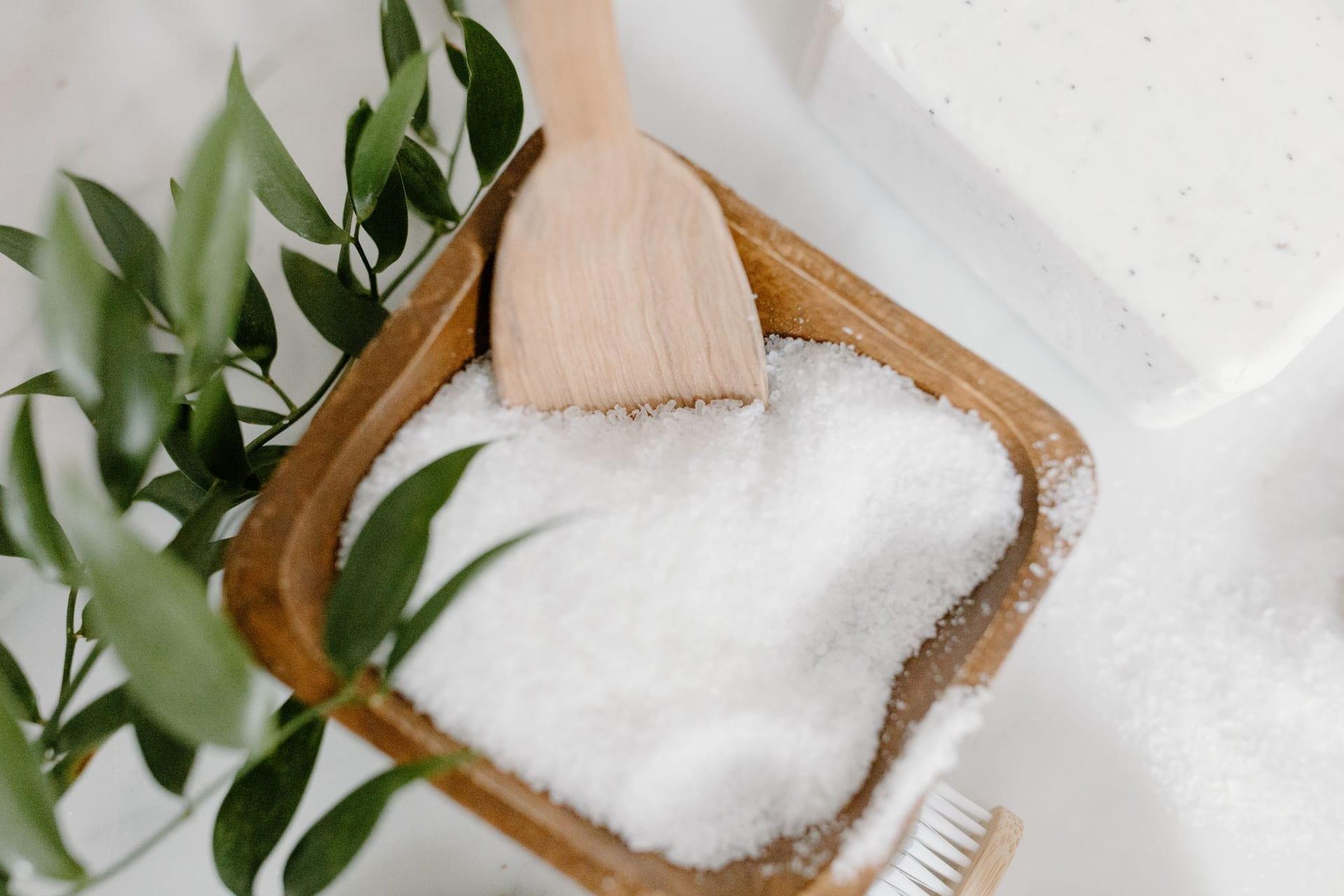
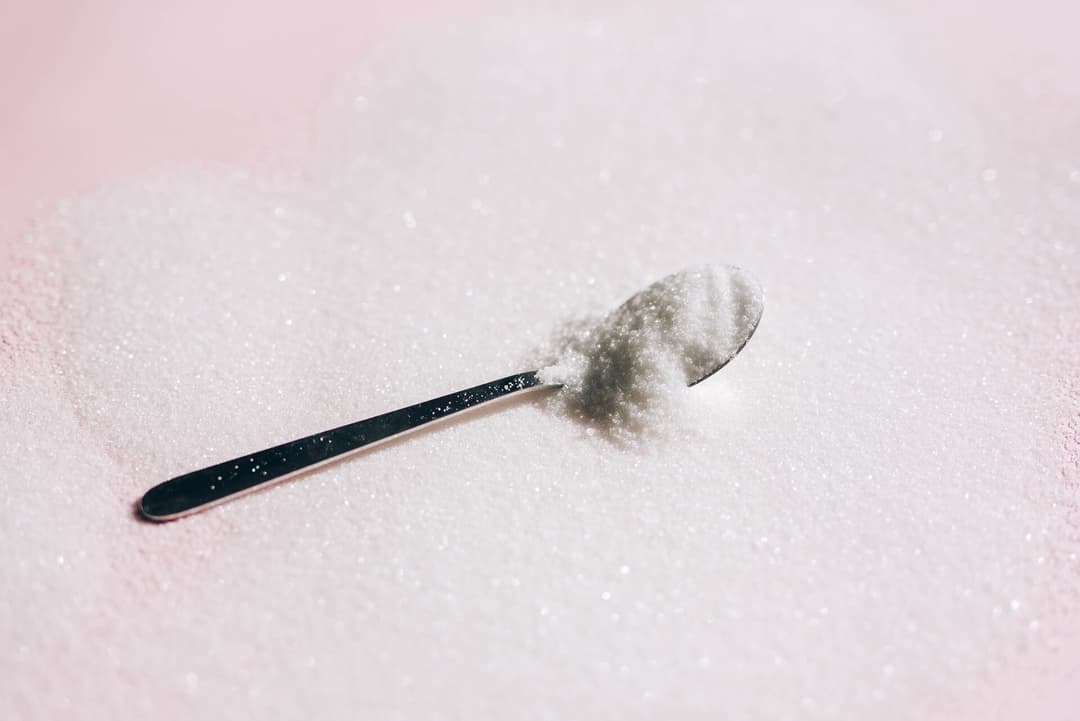
- 1 cup granulated white sugar
- 2 to 3 tablespoons sweet almond oil or jojoba oil
- 2 tablespoons raw honey
- 10 to 15 drops essential oil (optional)
Method:
- Put the sugar in a bowl.
- Warm the honey for a few seconds so it pours easily. A spoon held under hot tap water, or ten seconds of gentle warming, is enough. You don't want it hot, just runny.
- Pour the oil and honey over the sugar and stir until every grain is coated and the mix holds together like wet sand.
- Add the essential oil and stir again.
- Check the texture. Too stiff and sticky, add oil a teaspoon at a time. Too wet and soupy, add a spoon of sugar.
- Spoon it into a clean, dry jar and press it down.
The Shelf-Life Catch Nobody Mentions
Here's the part that separates a honey scrub from a plain one. A sugar-and-oil scrub has no water in it, so it doesn't need a preservative. It can go rancid if the oil is old, but it won't grow mold or bacteria, because there's nothing wet for them to live in.
Honey changes that math. Honey is mostly sugar with a little water, and left alone it's self-preserving because that water is locked up tight. But a scrub lives in a steamy bathroom and gets scooped with wet fingers, and every drop of shower water you introduce dilutes the honey and raises the amount of free water in the jar. Dilute honey enough and it loses the very thing that kept it safe. Now you've got sugar, water, and warmth, which is a decent recipe for mold.
So the rules for a honey scrub are stricter than for a dry one:
- Make small batches you'll finish in two to four weeks.
- Always scoop with a clean, dry spoon, never wet fingers.
- Keep it in the fridge if you want the longer end of that window.
- The moment you see a fleck of mold, a change in smell, or any fizzing, bin the whole jar.
If you want a honey scrub that survives water getting in, the fix is a broad-spectrum preservative, the same kind an emulsified scrub uses. That's worth it if you're selling jars or gifting them, and overkill for a jar you'll use up yourself this month. Our basic sugar scrub guide walks through the emulsified, preserved version if you want to go that route.
Which Sugar and Which Honey to Use
For the sugar, grain size sets how rough the scrub feels:
- Granulated white is the all-purpose default and it's already in your kitchen.
- Fine or caster sugar is gentle enough for the face, since smaller grains are less likely to scratch.
- Brown sugar is soft and dissolves fast, so it makes the mildest scrub and pairs well with honey's color and smell.
- Coarse raw sugars like turbinado are for heels and elbows only, too sharp for anywhere thin-skinned.
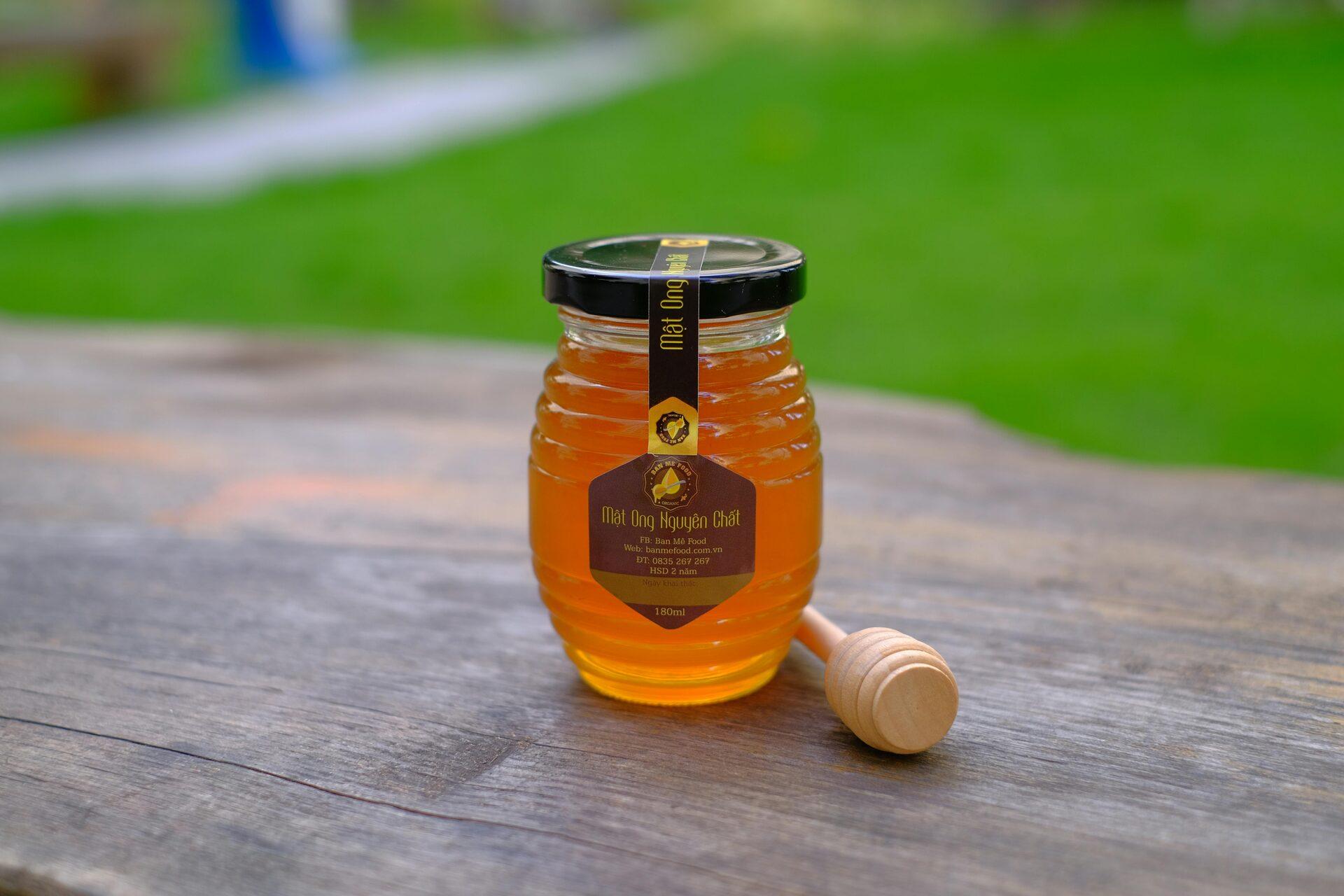
For the honey, raw and local is the pick if you can get it, because it keeps more of the enzymes and acids that make honey worth adding. Regular filtered supermarket honey still works and still moisturizes. Skip anything labeled honey-flavored syrup or honey blend, since those are often corn syrup with a little honey and none of the benefits. Manuka honey is fine but you're paying a premium your skin won't notice in a rinse-off scrub.
Can You Use a Honey Sugar Scrub on Your Face?
You can, with two changes. Use fine or caster sugar, not granulated or raw, because facial skin is thinner and the big grains in a body scrub can cause tiny tears. And go gentle: damp skin, light pressure, small circles, and keep clear of the eye area. Honey is a reasonable match for facial skin because it's a humectant and mildly antibacterial, which is the logic behind a lot of honey face masks.
A face-sized recipe is just the body one shrunk down: 2 tablespoons fine sugar, 1 teaspoon honey, 1 teaspoon light oil like jojoba. Mix only what you'll use in a sitting, or keep a tiny jar in the fridge for up to a week. If your skin is acne-prone or reactive, patch test first and stop if it stings. For lips, which are thinner still, our lip scrub recipe uses an even finer grain and a touch of honey for exactly this reason.
How Often and How to Use It
On the body, once or twice a week is plenty. Over-scrubbing strips the skin barrier and leaves you drier than when you started, which is the opposite of the point. On the face, once a week is the ceiling for most people.
To use it, get your skin wet in the shower or at the sink, scoop out a small amount with a dry spoon, and massage it in with light circular motions. Let it sit a few seconds so the honey has a moment to work, then rinse with warm water. Pat dry rather than rub. You shouldn't need lotion after a honey scrub, but if your skin is very dry, a thin layer of body butter on damp skin locks everything in.
One safety note that catches people out: honey and oil both make the tub slippery. Rinse the floor well when you're done, and hold the rail if you have one.
Why Your Honey Sugar Scrub Went Wrong
A few things go sideways with honey in the mix:
- It's gluey and drags on skin. Too much honey, not enough oil. Stir in oil a teaspoon at a time until it glides.
- It separated or went soupy in the jar. Usually too much total wet, or the honey was warm when you jarred it and loosened as it cooled. Add sugar to firm it up.
- It smells off after a week or two. Water got in. This is the shelf-life issue above, and a scrub that smells sour or looks fuzzy goes in the bin, no rescuing it.
- The grains feel scratchy on your face. The sugar is too coarse. Switch to fine or caster sugar for anywhere above the neck.
💬 Frequently Asked Questions
What does a honey sugar scrub do for your skin?
It exfoliates and moisturizes at the same time. The sugar grains lift away dead surface skin, and the honey is a humectant that draws and holds water, so skin feels soft and smooth rather than tight after you rinse. Honey is also mildly antibacterial, though that effect fades once it's diluted on wet skin.
Can I use a honey and sugar scrub on my face?
Yes, if you use fine or caster sugar and a light touch. Facial skin is thin, so coarse grains can cause micro-tears. Scrub damp skin gently in small circles, avoid the eye area, and limit it to about once a week. Patch test first if your skin is sensitive or acne-prone.
How long does a honey sugar scrub last?
Make small batches and use them within two to four weeks, since honey adds water that can let mold grow once shower water gets into the jar. Keep it in the fridge for the longer end of that range, always scoop with a dry spoon, and throw it out at the first sign of off smell or mold. A preservative extends that if you're selling jars.
Does a honey sugar scrub need a preservative?
Not for a small jar you'll finish in a few weeks and scoop with a dry spoon. It does if you want a longer shelf life or you're gifting or selling it, because honey and shower water together can support microbial growth. In that case use a broad-spectrum preservative, the same kind an emulsified scrub uses.
What kind of honey is best for a sugar scrub?
Raw honey, ideally local, because it keeps more of the enzymes and natural acids that make honey useful on skin. Regular filtered honey works fine and still moisturizes. Avoid honey-flavored syrups or blends, which are mostly corn syrup, and don't bother paying extra for manuka in a rinse-off scrub.
Make a Jar This Week
A honey sugar scrub is one of the easiest things you can mix at home, and the only real trick is respecting the water that honey brings: keep the batches small, the spoon dry, and the jar used up while it's fresh. Dial in your sugar, oil, and honey amounts with the Soaply sugar scrub calculator, then try the same honey trick on a gentler grain with our lip scrub recipe.
Ready to Try It?
Use the free Soaply sugar scrub calculator to size your batch and get every ingredient in grams and percent.
Open Calculator