Bath Salts for Sore Muscles: Recipes That Actually Help
Bath salts for sore muscles come down to Epsom salt, a warm soak, and the right essential oil blend. Get the recipe, exact ratios, and what the science shows.
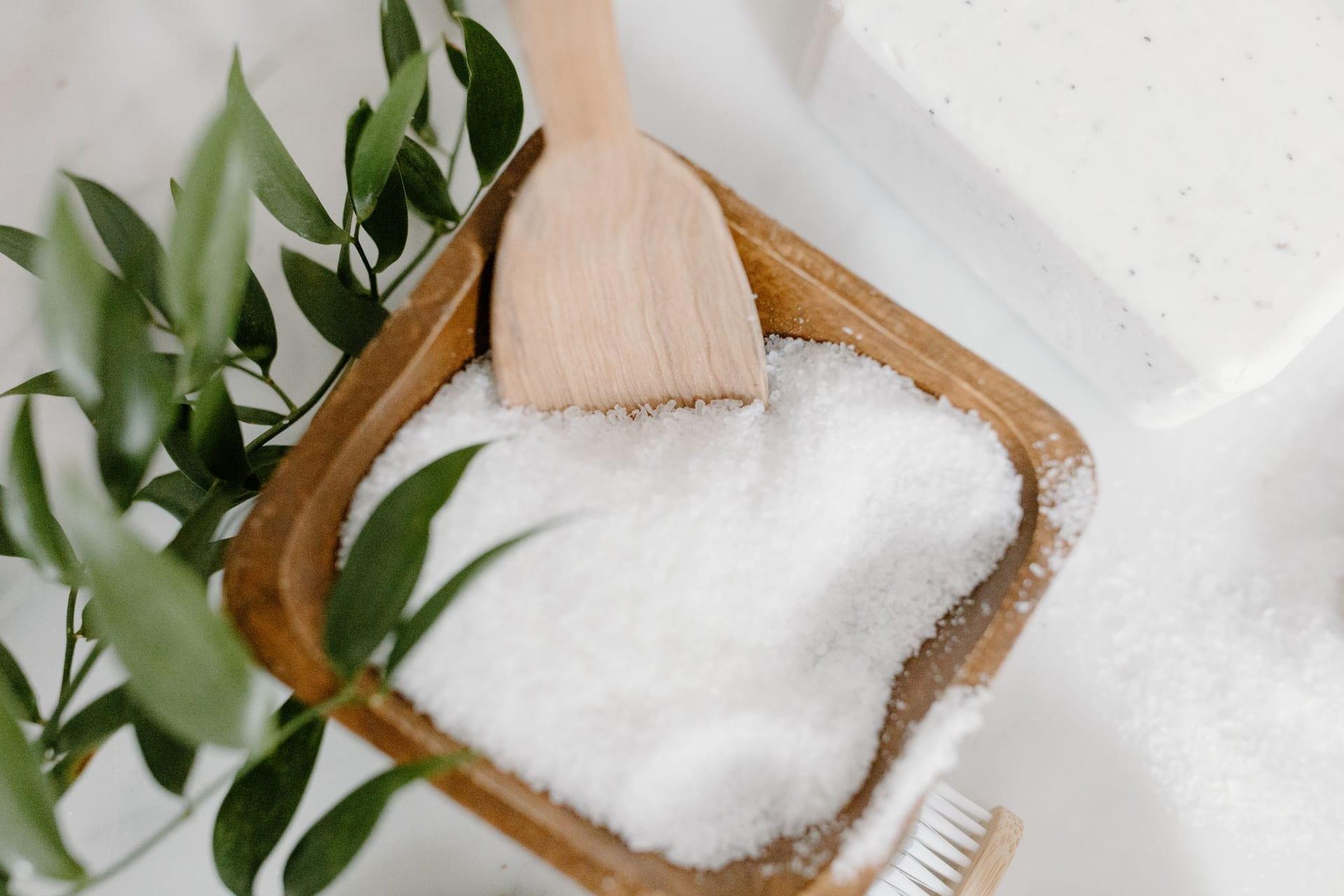
Bath salts for sore muscles start with Epsom salt, a tub of warm water, and an essential oil blend built around peppermint, eucalyptus, or rosemary. Stir 2 cups of Epsom salt with 1 cup of coarse sea salt, 1/2 cup of baking soda, and 30 to 40 drops of essential oil, then soak for about 20 minutes in water as warm as you can comfortably stand. Most of the relief comes from the heat loosening tight muscles and the quiet time off your feet. The salt and the scent turn an ordinary bath into something that feels like a treatment. Below you'll get the full recipe, muscle-focused scent blends, exact ratios, and an honest look at what the magnesium really does.
The fast recipe: 2 cups Epsom salt + 1 cup coarse sea salt + 1/2 cup baking soda + 1 tablespoon carrier oil + 30 to 40 drops essential oil. Mix, jar, and pour 1/2 to 1 cup into a warm bath.
Do Bath Salts Really Help Sore Muscles?
Partly, and it helps to be clear about which part. The warm water is the piece with the strongest support. Heat widens your blood vessels, brings more blood to tired muscles, and lets tight tissue relax. That effect is real whether or not you add anything to the tub.
The magnesium story is shakier. Epsom salt is magnesium sulfate, and the popular claim is that your skin soaks up that magnesium during a bath. A 2017 review in the journal Nutrients looked at the research and found the studies small and low in quality. Only one small clinical study has linked Epsom bathing to a rise in blood magnesium, and some researchers point out that the skin's barrier blocks charged particles like magnesium ions. For comparison, magnesium taken by mouth has much better evidence for easing muscle soreness after exercise.
So treat the magnesium as an unproven bonus sitting on top of a warm soak that genuinely helps. If the bath relaxes you and your legs feel looser afterward, that's a real result, even if the heat is doing the heavy lifting. You still get a cheap, pleasant 20 minutes that beats standing around waiting for the ache to fade.
What Goes in a Muscle-Soak Blend
A muscle soak uses the same bones as any homemade bath salts recipe, with the ratios tilted toward Epsom salt. Here's what each part does.
- Epsom salt. The base of the blend and the cheapest ingredient by the bag. It dissolves fast and gives you the magnesium, for whatever that's worth.
- Magnesium chloride flakes. Optional. A 2014 review hinted that absorption might improve with heat, higher concentration, or broken skin, and magnesium chloride is the form some people reach for over Epsom. The evidence is thin, so add it if you want to, not because it's proven.
- Coarse sea salt. Adds minerals and a nicer texture, and slows the dissolve so the jar looks good.
- Baking soda. Softens the water a little and gives the blend a smoother feel on the skin.
- Carrier oil. A teaspoon of sweet almond, jojoba, or fractionated coconut oil gives the essential oils something to cling to, so they spread through the water instead of floating as hot spots.
- Essential oils. The scent, and the part most people run the bath for. Peppermint, eucalyptus, and rosemary are the muscle-soak regulars.
The Base Muscle-Soak Recipe
This makes about one large jar, roughly 4 cups of finished salts, which is enough for four to eight baths depending on how heavy a scoop you like. Hold the ratios and scale it to whatever salt you have.
| Ingredient | Amount | Job |
| ------------ | -------- | ----- |
| Epsom salt | 2 cups | Magnesium base, fast dissolve |
| Coarse sea salt | 1 cup | Minerals and texture |
| Baking soda | 1/2 cup | Softens water, smooth feel |
| Magnesium chloride flakes (optional) | 1 cup | Second magnesium source |
| Carrier oil | 1 tablespoon | Disperses the essential oils |
| Essential oil | 30 to 40 drops | Scent and sensation |
For a sore-muscle bath, a bigger dose of salt makes sense. Pour in 1 to 2 cups of the blend per tub rather than the half cup you'd use for a light relaxing soak. That puts more Epsom in the water and gives you a stronger mineral bath.
Essential Oil Blends for Sore Muscles
The essential oils won't heal a strained muscle, but they change how the soak feels and smells, and a few have real sensory effects. Menthol in peppermint reads as cooling on the skin. Eucalyptus smells sharp and clearing, which is why it shows up in so many rub-on muscle products. Rosemary and sweet marjoram are old-school favorites for tired legs. Lavender does nothing for muscles directly, but it rounds out a blend and helps a bedtime bath feel calmer.
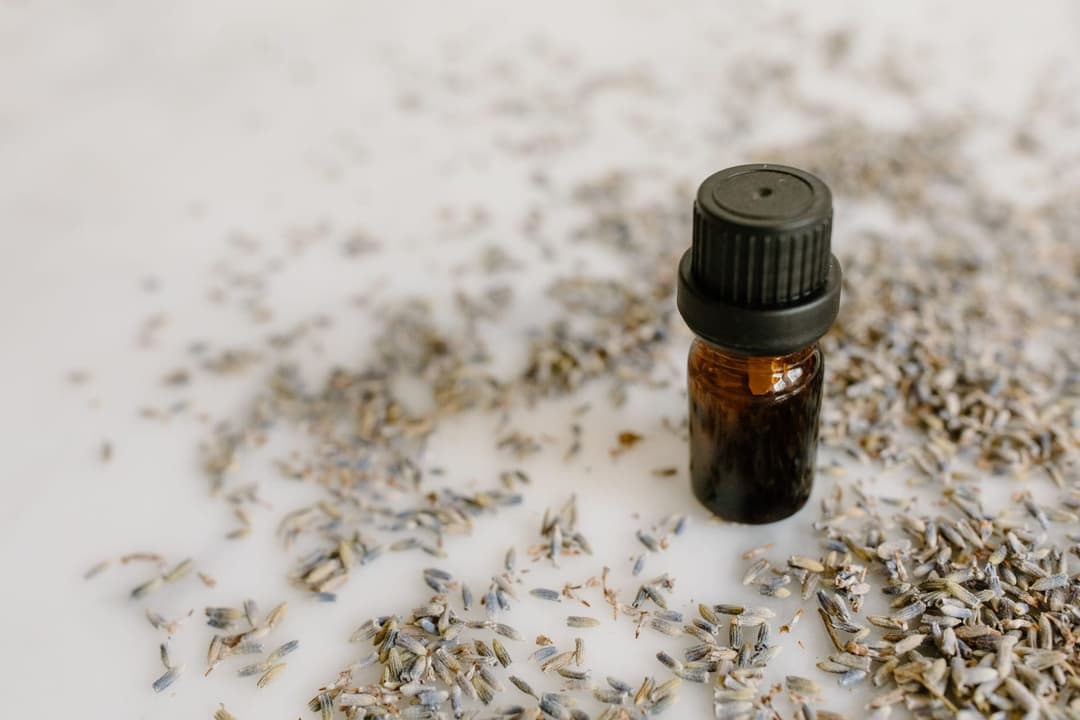
Here are three blends to try, measured for one batch of the recipe above:
- Cooling blend: 18 drops eucalyptus + 14 drops peppermint. Bright and brisk, good after a hard workout.
- Warming evening blend: 16 drops lavender + 12 drops rosemary + 8 drops sweet marjoram. Softer and better before bed.
- Clearing blend: 20 drops eucalyptus + 12 drops rosemary. The one to reach for when you're stiff and stuffed up at the same time.
Stir the drops into the tablespoon of carrier oil first, then work that into the salt. These are real essential oils, not fragrance oils, so if you want the difference spelled out, read our guide on essential oils versus fragrance oils. Keep the total under 40 drops per batch. Peppermint and eucalyptus feel intense fast, and more is not better once you're sitting in hot water. If you want a precise fragrance load for a bigger batch, the Soaply bath salts calculator will scale the oils for you.
How to Use a Muscle Soak
The salts do their job in the tub, not the jar, so a few habits matter more than the recipe.
- Run the water warm, not scalding. Warm enough to relax you, cool enough to sit in for 20 minutes without getting lightheaded.
- Add 1 to 2 cups of salts under the running tap. The moving water dissolves the salt faster and spreads the oils.
- Soak for 15 to 20 minutes. That's long enough for the heat to reach deep muscle. Longer doesn't add much and can leave you drained.
- Drink water before and after. A hot bath makes you sweat more than it feels like.
- Rinse off at the end. A quick rinse clears the salt film and the last of the oils from your skin.
For feet that take a beating, a shallow basin works as well as a full tub. The same blend makes a quick foot soak when you don't want to fill the bath. If your skin tends to feel tight after a soak, a splash of a richer bath oil in the water helps hold moisture in.
Mistakes That Ruin a Good Soak
- Too much essential oil. Peppermint and eucalyptus can sting sensitive skin and irritate the eyes when the dose climbs. Stay under 40 drops a batch and keep the water away from your face.
- Skipping the carrier oil. Without something to disperse them, essential oils float on top and can land on your skin undiluted. The teaspoon of oil fixes that.
- A slick tub. Salt and oil leave the bottom slippery. Lay a mat down and hold the grab bar when you climb out.
- Soaking a cut or a fresh scrape. Salt water in an open wound stings, and broken skin is exactly where you don't want concentrated oils.
- Storing it damp. Jar the blend airtight and keep it dry. Salt pulls moisture from the air and clumps into a brick if the lid's loose.
Who Should Skip an Epsom Salt Soak
An Epsom bath is safe for most people, but a few should check first. If you have kidney disease, your body may not clear extra magnesium well, so skip the Epsom soak unless your doctor says otherwise. If you're pregnant, ask your provider before using essential oils in the bath, and go light on the oils either way. Keep peppermint and eucalyptus baths away from babies and young children, since both oils can affect breathing in kids. And if you feel dizzy or your heart races in a hot bath, get out and cool down. The soak is supposed to relax you, not push you.
💬 Frequently Asked Questions
Are Epsom salt and bath salts the same thing?
No. Epsom salt is one ingredient, magnesium sulfate, sold as a plain crystal. Bath salts are a blend that usually includes Epsom salt plus sea salt, baking soda, and essential oils. A muscle soak is mostly Epsom salt with the extras added for texture and scent.
How much Epsom salt should I use for sore muscles?
Most people use 1 to 2 cups of Epsom salt per standard tub. That's more than a light relaxing bath, which calls for about half a cup. There's no proven magic dose, so stay in that range and go by how the soak feels.
How long should you soak sore muscles in the bath?
About 15 to 20 minutes. That gives the warm water time to loosen tight muscle without leaving you lightheaded. Soaking much longer adds little and can make you feel wrung out, so get out when the water starts to cool.
What is the best essential oil for sore muscles?
Peppermint and eucalyptus are the top picks because menthol feels cooling and eucalyptus smells clearing. Rosemary and sweet marjoram are traditional choices for tired legs. None of them cures a strained muscle, but they make the soak more pleasant and pair well in a blend.
Can you use too much Epsom salt in a bath?
Yes. A very heavy dose can dry out your skin and, rarely, upset magnesium levels if you have kidney trouble. Sticking to 1 to 2 cups per tub keeps you well inside the safe range for a normal bath.
Pull the Recipe Together
A good muscle soak is a warm bath, a scoop of Epsom-heavy salts, and a scent blend you like. The heat does the real work, the magnesium is a maybe, and the essential oils make the 20 minutes feel earned. When you're ready to scale the recipe or dial in the oil load, run your numbers through the Soaply bath salts calculator and jar a batch to keep by the tub.
Ready to Try It?
Use the free Soaply bath salts calculator to size your batch and get every ingredient in grams and percent.
Open Calculator