How to Make a Foot Scrub (Salt Recipe for Cracked Heels and Calluses)
How to make a foot scrub at home with coarse salt and oil, a pumice version for cracked heels and calluses, how to use it, and when not to scrub.
This article contains Amazon links. As an Amazon Associate, Soaply earns from qualifying purchases at no extra cost to you.
A foot scrub is a thick paste of coarse salt and oil that you massage into damp feet to slough off dead skin, soften rough heels, and smooth calluses. You can mix it in about five minutes, and a jar costs a couple of dollars. The one thing that sets a foot scrub apart from every other scrub on this site is the grain: feet are the place where you actually want the coarse, scratchy salt. On your face that salt would be a mistake. On a heel, it's the whole point.
Here's the base recipe, then the reasons behind each choice and the one safety rule that matters more than all of them.
Quick pick: You need two things. A bag of coarse sea salt and, for stubborn heels, some pumice powder will make a dozen jars. (Affiliate links.)
- What a foot scrub does, and the cracked-heel jobs it cannot do on its own
- Why coarse salt is right for feet when it is wrong for your face
- A simple salt foot scrub recipe plus a grittier pumice version for heels
- The soak, scrub, and seal routine that actually works
- When you should not scrub your feet at all
What a Foot Scrub Actually Does
A foot scrub does one job well. It mechanically lifts dry, dead surface skin off your soles and heels so your feet feel smooth and your moisturizer can sink in instead of sitting on top of a layer of flakes. The salt does the scraping, and the oil carries it and leaves a thin conditioning film behind.
What it won't do is fix a deep problem on its own. A thick callus took months to build, and a scrub thins it slowly over repeated use, not in one sitting. A heel that's cracked open far enough to bleed needs more than exfoliation. It needs soaking, a heavy occlusive balm, often a product with urea or salicylic acid, and sometimes a doctor. Salt rubbed into an open crack stings and can make the split worse.
So treat a foot scrub as upkeep for rough, dry, callus-prone feet, not a repair for skin that has already failed. If your heels are smooth but dry, a weekly scrub keeps them that way. If they're deeply fissured, start with a soak and a rich balm, and only bring in the scrub once the skin has closed. Being honest about that line saves you a lot of frustration.
Foot Scrub vs Foot Soak: Use Both
People mix these two up, and they do different work. A foot soak is Epsom or bath salt dissolved in warm water that you rest your feet in. It softens skin, eases tired muscles, and does nothing abrasive. A foot scrub is a paste you rub on. Soaking loosens the dead skin, and scrubbing removes it.
The routine that gets the best result uses them in that order. Soak for ten minutes to soften, towel off most of the water, scrub while the skin is still damp and pliable, rinse, then seal with an oil or butter. Scrubbing bone-dry, un-soaked feet is both harder on your skin and less effective, because the dead layer hasn't loosened yet.
The Best Salt for a Foot Scrub
This is where foot scrubs break the rules. For a body salt scrub you reach for a medium grain so you don't tear the skin, and for a face or lip scrub you drop all the way to fine sugar because facial skin is thin. Feet flip that logic. The skin on your soles and heels is the thickest on your body, so coarse salt that would be too harsh anywhere else is exactly right here.
Good choices:
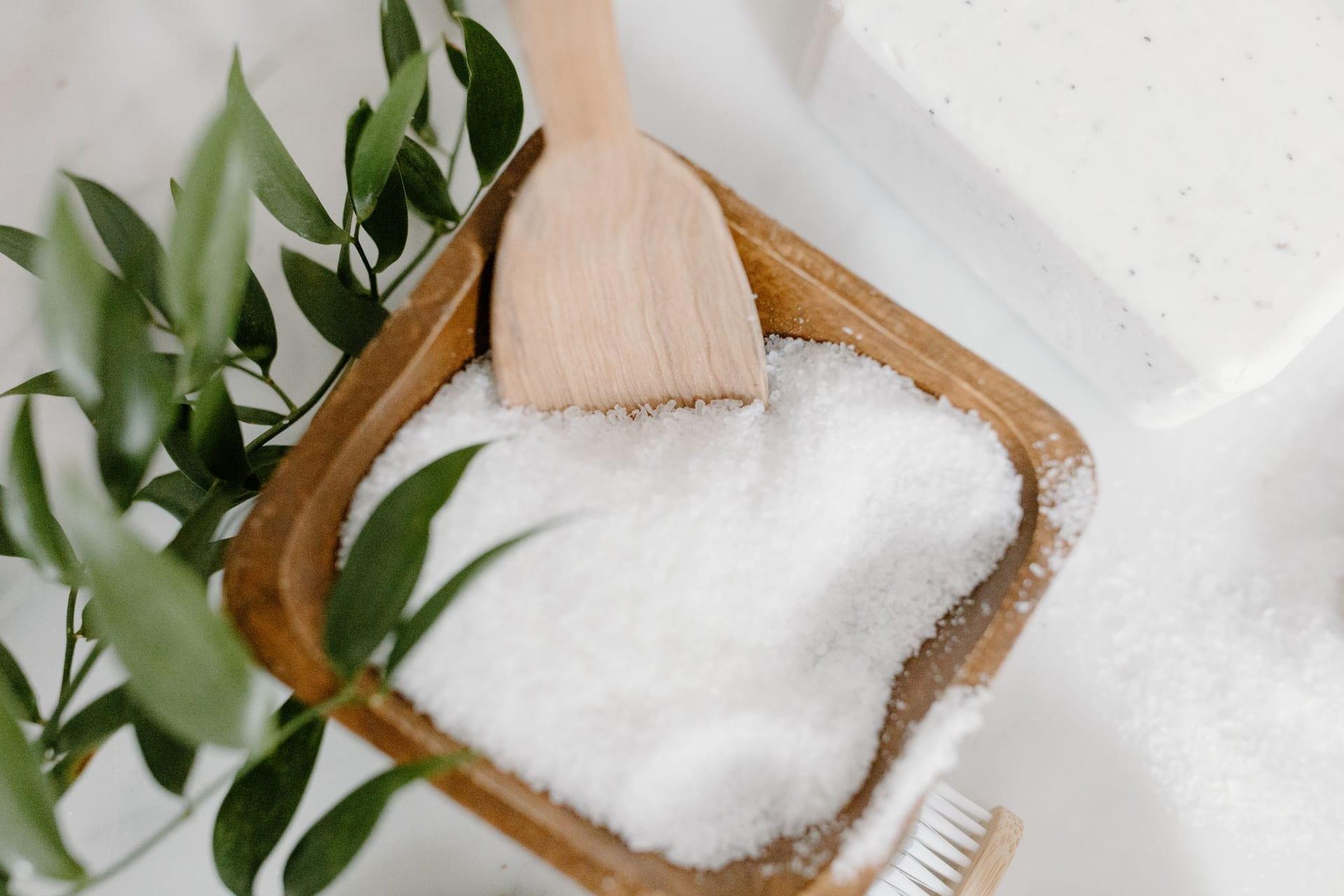
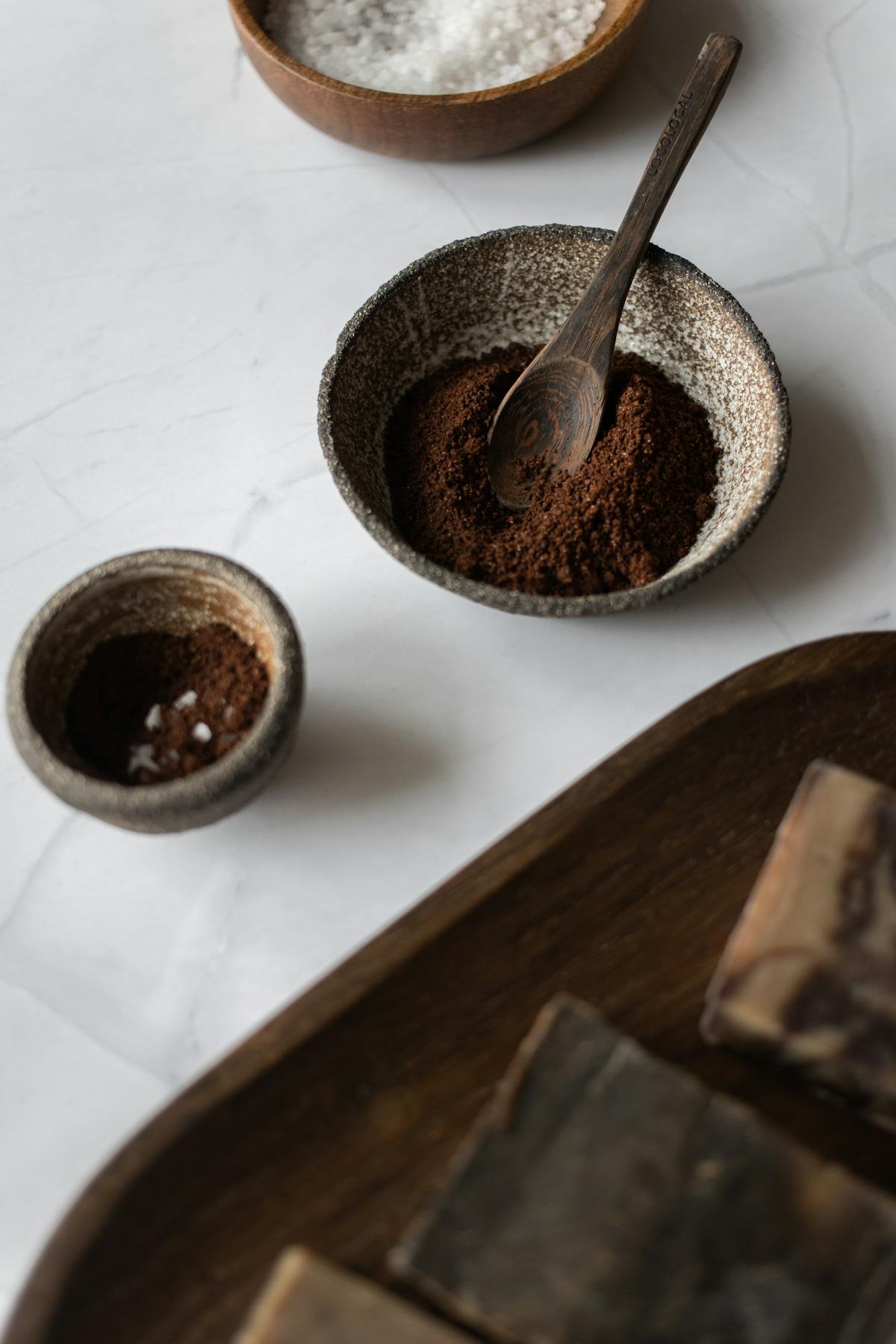
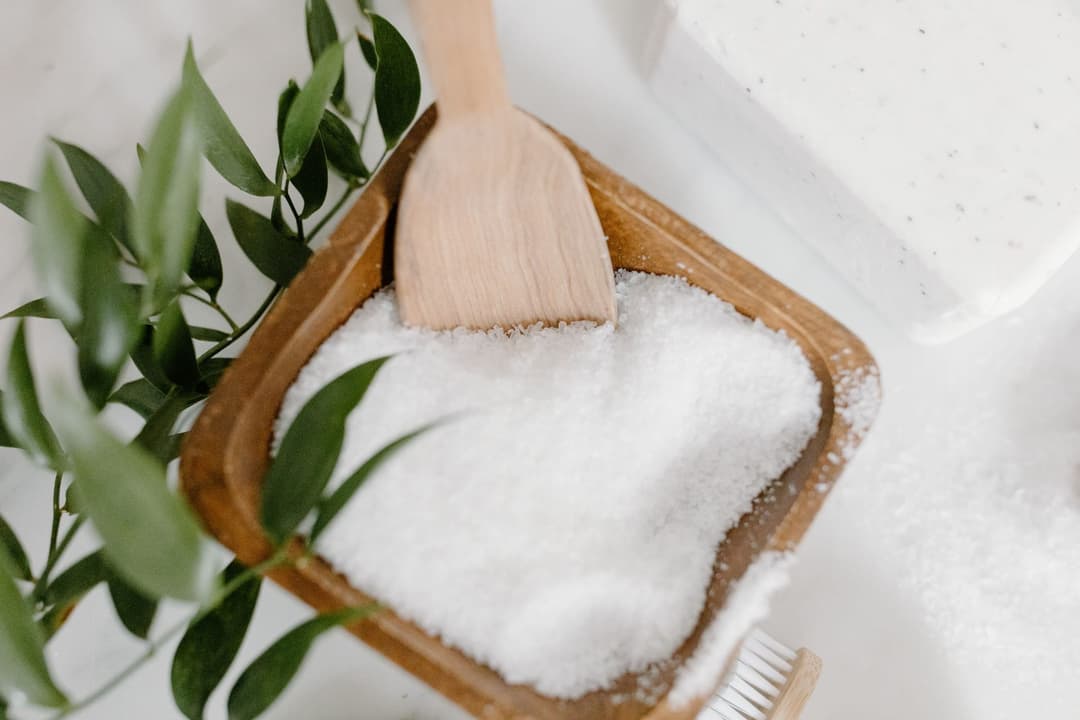
- Coarse sea salt. Cheap, sharp-edged, and slow to dissolve, so it keeps scrubbing the whole time. This is the default pick.
- Epsom salt. Softer crystals that dissolve faster, so the scrub is gentler. Good if your feet aren't badly calloused, or if coarse sea salt feels too rough.
- Coarse Himalayan or Dead Sea salt. These behave the same as sea salt, with no real performance difference, so buy on price.
Skip table salt. The grains are too fine to do much scrubbing, and the anti-caking agents add nothing. And don't swap in sugar for a dedicated foot scrub. Sugar dissolves almost on contact, so it loses its grit before it has worked through thick heel skin. Save the sugar scrub for softer skin where that gentleness is the goal.
Which Oil Holds It Together
The oil binds the salt into a paste and leaves your feet conditioned instead of stripped. Any skin-safe carrier oil works, so pick on feel and on what's already in your cupboard.
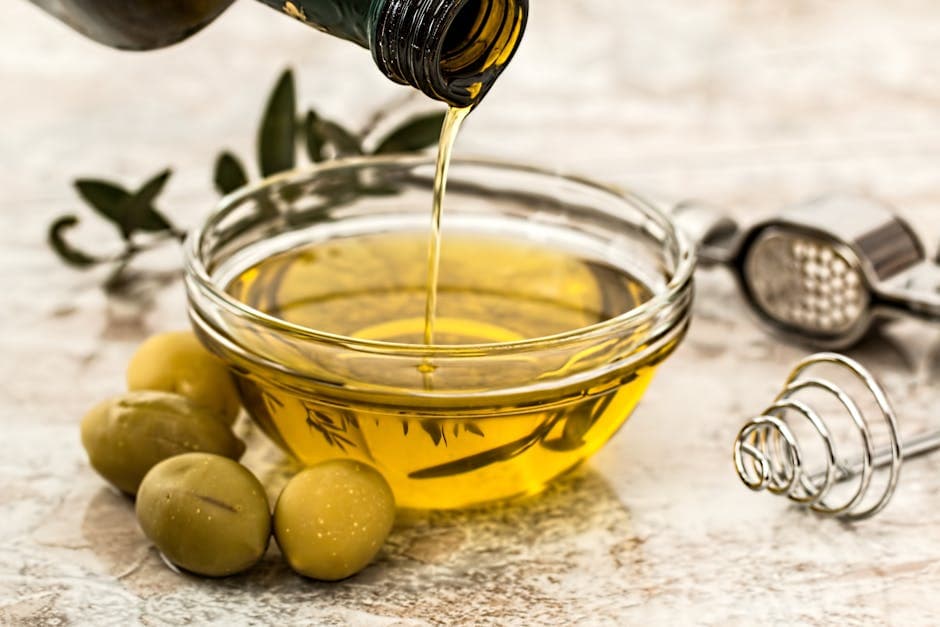
- Olive oil is rich, cheap, and great for very dry feet. It's heavier, so it leaves more of a film behind.
- Sweet almond oil is lighter and soaks in a little faster if you dislike a greasy finish.
- Coconut oil is solid below about 76F, so a scrub made with it firms into a scoopable paste in cool weather and turns liquid in summer. Use fractionated coconut oil if you want it to stay pourable year round.
A spoonful of shea butter or cocoa butter stirred into the oil makes the scrub feel more balm-like and leaves heels softer afterward, which is worth the extra step in winter.
A Simple Salt Foot Scrub Recipe
This makes about one cup, enough for several sessions.
- 1 cup coarse sea salt
- 1/3 to 1/2 cup carrier oil (olive, sweet almond, or melted coconut)
- 10 to 15 drops peppermint or tea tree essential oil (optional)
Stir the salt and oil together until every grain is coated and the mix looks like wet sand. Use less oil for a drier, grittier scrub and more for a softer, more conditioning one. Stir in the essential oil last, then spoon it into a clean jar. Not sure on amounts? The Soaply salt scrub calculator scales the salt-to-oil ratio to whatever jar size you're filling.
Peppermint gives the cooling tingle people like on tired feet, and tea tree is popular for foot odor, though don't expect either to cure athlete's foot. Keep the essential oil modest. Ten to fifteen drops per cup is plenty, and peppermint in particular feels bitingly cold if you overdo it.
A Pumice Foot Scrub for Cracked Heels and Calluses
For heels that need more bite, add pumice. Pumice is ground volcanic rock, the same abrasive that's in a pumice stone, and it keeps scrubbing after the salt starts to dissolve.
- 1 cup coarse sea salt
- 2 tablespoons pumice powder
- 1/2 cup carrier oil
- 1 tablespoon shea or cocoa butter (optional, for softening)
- 10 to 15 drops peppermint essential oil (optional)
Use this one only on heels and the balls of your feet, never the tops or anywhere the skin runs thin. Work it in with firm circles for about thirty seconds, then move on. You're thinning the callus over weeks, not grinding it off today. A foot file or pumice stone used gently on top of the scrub speeds things along, but the same caution holds: a little at a time beats going at it hard once.
How to Use a Foot Scrub
- Soak. Ten minutes in warm water softens the dead skin. A plain basin does the job, and a proper foot soak does it better.
- Scrub. Towel off the extra water, scoop out a tablespoon, and massage it into damp feet in circles. Spend the most time on your heels and the ball of the foot, and go light on the arch and the top.
- Rinse. Warm water clears the salt and most of the oil. Your tub floor will be slick afterward, so hold the wall or a grab bar and rinse the floor down when you're done.
- Seal. Pat dry and lock in moisture while your feet are still slightly damp, using a body butter or a thick foot cream. This step is what fixes the dryness. The scrub just clears the way for it.
Once or twice a week is enough. Scrubbing thick foot skin every day sounds thorough, but it over-strips and can leave your heels tender and more prone to cracking.
When Not to Scrub Your Feet
This is the part to read twice. Skip the scrub, or talk to a doctor first, if any of these apply to you.
- Diabetes or nerve damage. If you can't fully feel your feet, you can scrub too hard without noticing, and a small raw spot can become a wound that heals slowly and infects easily. People with diabetes are usually advised to have calluses handled by a podiatrist rather than filed or scrubbed hard at home. Gentle moisturizing is fine. Abrasive scrubbing is not.
- Cracked, bleeding, or broken skin. Salt in an open crack stings and inflames it. Heal the skin first with soaks and balm, then scrub for maintenance once it has closed.
- Athlete's foot, warts, or any active infection. Scrubbing can spread it and irritate the area. Treat the infection first.
- Very thin or fragile skin. Older or compromised skin tears easily. Go gentle, or stick to a soak and a moisturizer.
When you're unsure, a warm soak and a good cream are always safe. The scrub is a bonus on top, not a requirement.
How Long It Keeps and How to Store It
A salt-and-oil scrub has no water in it, so it won't grow mold or bacteria the way a lotion can, and it needs no preservative. What it can do is turn rancid as the oil ages. Expect a few months at room temperature, and longer if you keep the jar somewhere cool and dark. A few drops of vitamin E oil slow the oil down.
The real enemy is water getting into the jar. A wet, soapy finger dragged through the salt introduces moisture that can let something grow. Use a dry spoon, keep the lid on, and store the jar out of the shower stream. If the oil ever smells like old nuts or crayons, it has gone rancid, so toss it and mix a fresh batch. Mixing small beats mixing big.
💬 Frequently Asked Questions
How do you make a foot scrub at home?
Mix 1 cup of coarse sea salt with about 1/3 to 1/2 cup of a carrier oil such as olive or sweet almond until it looks like wet sand, then stir in 10 to 15 drops of peppermint or tea tree oil. Massage it into damp feet, rinse, and moisturize.
What is the best salt for a foot scrub?
Coarse sea salt is the best all-rounder, because its sharp, slow-dissolving grains scrub thick foot skin well. Epsom salt is a gentler option for less calloused feet. Avoid fine table salt, which is too small to exfoliate much.
Does a foot scrub remove calluses?
It thins and softens them over repeated use, but it won't remove a thick callus in one session. Adding pumice powder and using a foot file helps. Deep or painful calluses should be seen by a podiatrist, especially if you have diabetes.
Can you use a foot scrub on cracked heels?
Only if the skin isn't split open. Salt stings raw cracks and can make them worse. For heels that are cracked but still intact, soak first, scrub gently, then seal with a heavy balm. Bleeding cracks need a doctor.
How often should you use a foot scrub?
Once or twice a week. Daily scrubbing over-strips thick foot skin and can leave heels tender and more likely to crack. Moisturizing every day, on the other hand, is fine and encouraged.
Smooth Your Heels This Week
A foot scrub is the rare scrub where coarse and gritty is the entire point, and the routine matters as much as the recipe: soak to soften, scrub to clear the dead skin, seal with something rich. Dial in your salt-to-oil ratio with the Soaply salt scrub calculator, then pair the scrub with a warm foot soak for the softest heels you've had all year.
Ready to Try It?
Use our free soap calculator to create your perfect recipe with real-time property predictions.
Open Calculator