How to Make Hemp Seed Oil Soap: Recipe, Tips, and Benefits
Learn how to make hemp seed oil soap with this cold process recipe. Covers benefits, recommended percentages, preventing rancidity, and beginner-friendly tips.
This article contains Amazon links. As an Amazon Associate, Soaply earns from qualifying purchases at no extra cost to you.
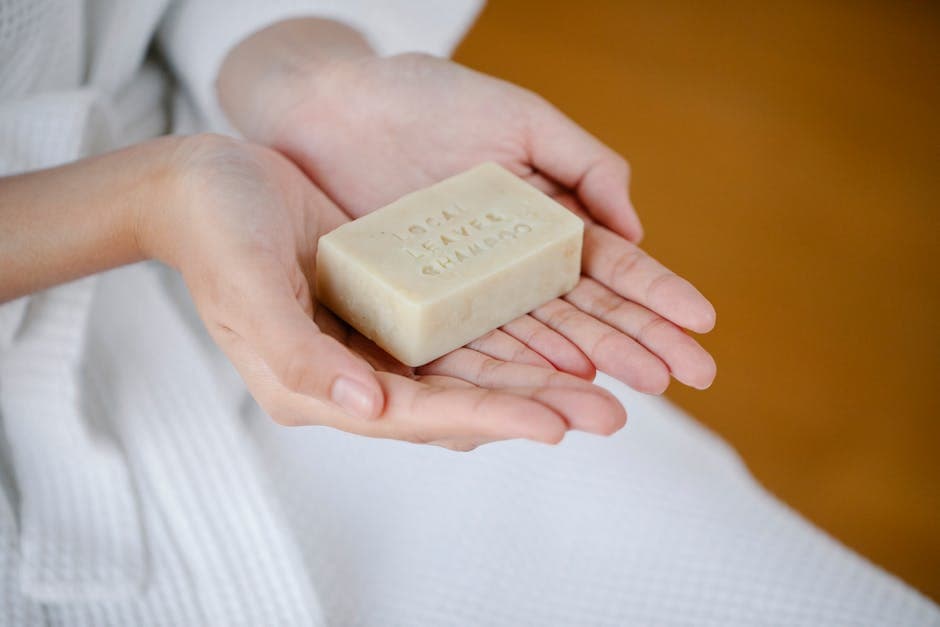
Hemp seed oil makes some of the most moisturizing, skin-loving soap you'll ever use. It's packed with omega-3 and omega-6 fatty acids, absorbs quickly, and won't clog pores. If you've been curious about adding hemp seed oil to your soap recipes, you're in the right place.
- Why Use Hemp Seed Oil in Soap?
- Hemp Seed Oil vs CBD Oil: What's the Difference?
- Best Percentage of Hemp Seed Oil for Soap
- Hemp Seed Oil Soap Recipe (Cold Process)
- Step-by-Step Instructions
- How to Prevent Dreaded Orange Spots
- Tips for Working with Hemp Seed Oil
- What to Expect from Your Finished Bars
- Frequently Asked Questions
Why Use Hemp Seed Oil in Soap?
Hemp seed oil stands out from other soap making oils for a few important reasons. It's one of the few oils with an almost perfect ratio of omega-6 to omega-3 fatty acids (roughly 3:1), which makes it excellent for skin conditioning. Here's what it brings to your soap:
- Deep moisture without greasiness. Hemp seed oil has a comedogenic rating of 0, meaning it won't clog pores. It absorbs into skin quickly and leaves a silky feel.
- Rich in gamma-linolenic acid (GLA). GLA is an omega-6 fatty acid that helps calm irritated skin and supports the skin's natural barrier.
- High in linoleic acid. This contributes to a conditioning bar that's gentle enough for sensitive or eczema-prone skin.
- Antioxidant properties. Vitamin E and other antioxidants in hemp seed oil help protect skin from environmental stress.
The trade-off? Hemp seed oil produces a softer bar with less cleansing power on its own. That's why you'll want to pair it with harder oils like coconut oil and palm oil (or palm-free alternatives like cocoa butter) to create a balanced bar.
Hemp Seed Oil vs CBD Oil: What's the Difference?
This comes up constantly, so let's clear it up. Hemp seed oil and CBD oil both come from the cannabis plant, but they're completely different products.
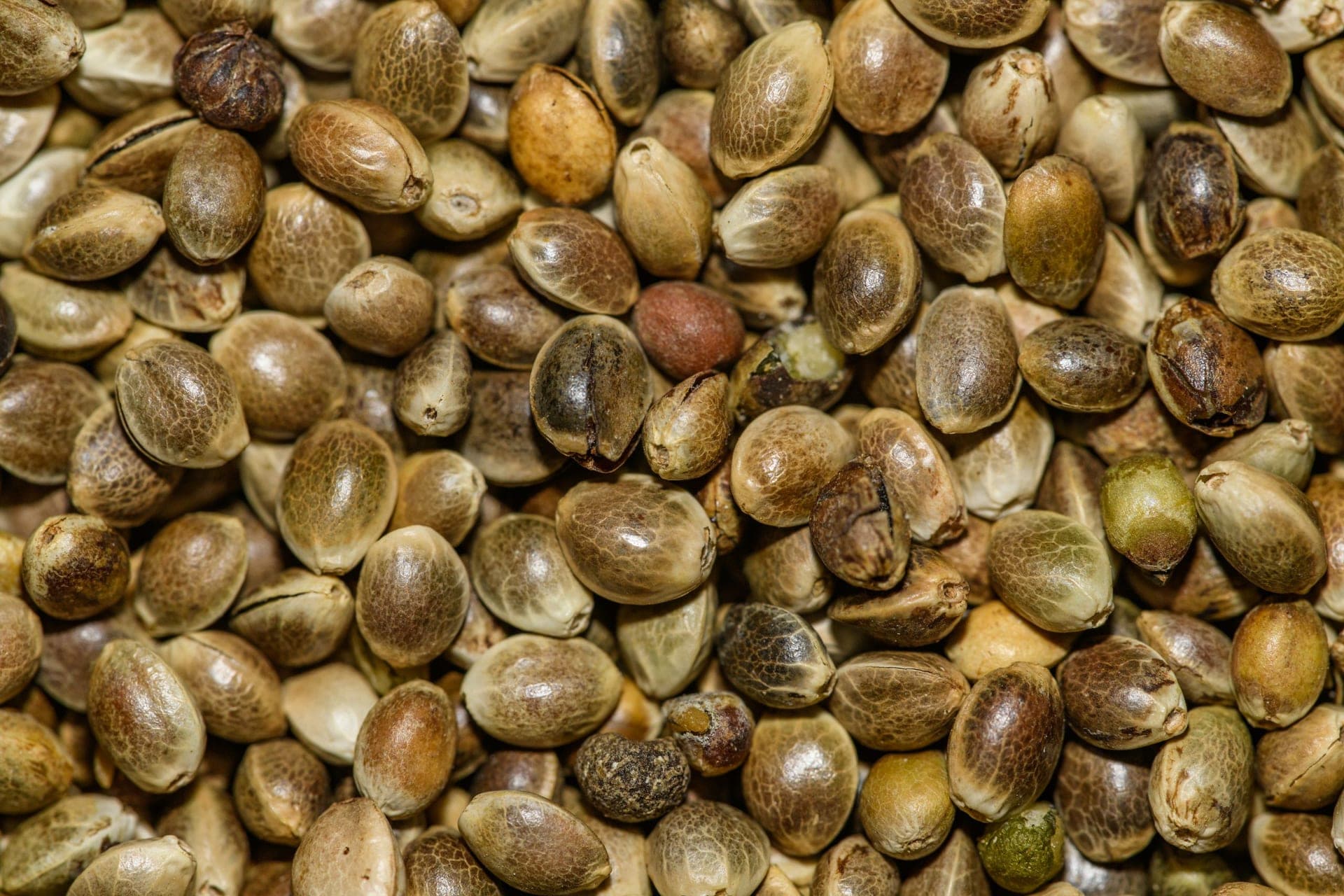
Hemp seed oil is pressed from the seeds of the hemp plant. It contains no THC and no CBD. It's a culinary and cosmetic oil, similar to sunflower or grapeseed oil. You can buy it at most grocery stores.
CBD oil is extracted from the flowers, leaves, and stalks of the hemp plant. It contains cannabidiol (CBD) and sometimes trace amounts of THC. It's much more expensive and its benefits in soap are debatable since it's a wash-off product.
For soap making, hemp seed oil is the practical choice. It's affordable, widely available, and offers real skin benefits that survive the saponification process. CBD oil, at $50-100+ per ounce, doesn't make financial sense for most soap makers.
Best Percentage of Hemp Seed Oil for Soap
Hemp seed oil works best at 5-15% of your total oil weight in cold process soap. Here's how different percentages affect your bars:
| Percentage | Effect | Best For |
| ----------- | -------- | ---------- |
| 5-8% | Subtle conditioning boost, minimal impact on bar hardness | Beginners, adding to existing recipes |
| 10-15% | Noticeable moisturizing properties, slightly softer bar | Dedicated hemp bars, sensitive skin recipes |
| 15-20% | Very conditioning but significantly softer bar, higher DOS risk | Experienced soapers, personal use only |
| 20%+ | Very soft bar, high rancidity risk, short shelf life | Not recommended |
Going above 15% introduces real challenges with bar hardness and shelf stability. If you want a heavily hemp-forward bar, stick to 15% max and pair it with at least 25-30% coconut oil or palm oil for structure.
The SAP value for hemp seed oil is 0.1345 (NaOH), which your lye calculator needs to account for. Using the Soaply calculator handles this automatically when you select hemp seed oil from the oils list.
Hemp Seed Oil Soap Recipe (Cold Process)
This recipe creates a balanced, moisturizing bar that showcases hemp seed oil without sacrificing hardness or lather.
| Oil | Percentage | Purpose |
| ----- | ----------- | --------- |
| Olive Oil | 35% | Conditioning, gentle cleansing |
| Coconut Oil (76°) | 25% | Hardness, big bubbly lather |
| Shea Butter | 15% | Hardness, creamy lather |
| Hemp Seed Oil | 15% | Moisture, omega fatty acids |
| Castor Oil | 10% | Lather boost, stabilizer |
Settings:
- Superfat: 6% (slightly higher than standard to maximize hemp oil's conditioning)
- Lye concentration: 33%
- Batch size: Use the Soaply calculator to scale to your mold
This combination gives you a bar that's hard enough to last, lathers well, and delivers the moisturizing benefits hemp seed oil is known for. The higher superfat means more unsaponified hemp oil stays in your finished bar.
Step-by-Step Instructions
What You'll Need
Oils and butters:
- Olive oil (pomace works great for soap)
- Coconut oil (76°)
- Shea butter
- Hemp seed oil (cold-pressed, unrefined)
- Castor oil
Other supplies:
- Sodium hydroxide (lye)
- Distilled water
- Digital scale
- Stick blender
- Safety gear (goggles, gloves, long sleeves)
- Silicone soap mold
Step 1: Run Your Recipe Through the Calculator
Plug your oil percentages and batch size into the Soaply calculator to get exact lye and water amounts. Don't guess with lye. Even small errors can make your soap lye-heavy (caustic) or too soft.
Step 2: Prep Your Workspace
Lay out all your ingredients, measured and ready. Put on your safety gear. Make sure kids and pets aren't in the area. Have a vinegar-soaked rag nearby for any lye splashes on surfaces (for skin, use lots of running water instead).
Step 3: Make the Lye Solution
Measure your distilled water into a heat-safe container. Slowly sprinkle the lye into the water while stirring. Never add water to lye. The solution will heat up to around 200°F and release fumes, so work near an open window or turn on your range hood.
Set the lye solution aside to cool to about 100-110°F.
Step 4: Melt and Combine Your Oils
Melt the coconut oil and shea butter together in a pot over low heat. Once melted, remove from heat and add the olive oil, hemp seed oil, and castor oil. Stir to combine.
Let the oils cool to about 100-110°F. You want both the lye solution and oils within 10 degrees of each other.
Step 5: Combine and Blend
Pour the lye solution through a strainer into your oils. Use your stick blender in short bursts (3-5 seconds on, then stir) to bring the mixture to light trace. Light trace looks like thin pudding, where drizzling batter across the surface leaves a faint trail.
Don't over-blend. Hemp seed oil accelerates trace slightly, so you'll reach it faster than an all-olive-oil recipe.
Step 6: Add Fragrance and Extras (Optional)
At light trace, stir in any essential oils or fragrance oils. Good pairings with hemp seed oil soap include:
- Patchouli and cedarwood (earthy, complementary)
- Lemongrass and tea tree (fresh, clean)
- Lavender and eucalyptus (calming, herbal)
You can also add a tablespoon of French green clay per pound of oils for a natural green color that plays nicely with hemp's natural tint.
Step 7: Pour and Insulate
Pour the batter into your mold. Tap the mold on the counter a few times to release air bubbles. Cover with a lid or cardboard, then wrap in a towel to insulate for 24 hours.
Step 8: Unmold and Cure
After 24-48 hours, unmold your soap. If it's still too soft (hemp oil bars often need an extra day), wait another 12-24 hours. Cut into bars and place on a curing rack with good airflow.
Cure for a minimum of 6 weeks. Hemp seed oil soap benefits from a longer cure than most recipes. The extra time lets more water evaporate, creating a harder, longer-lasting bar. Eight weeks is even better if you can wait.
How to Prevent Dreaded Orange Spots
Hemp seed oil is high in polyunsaturated fatty acids, which makes it prone to rancidity. Those ugly orange or brown spots that sometimes appear on soap? They're called Dreaded Orange Spots (DOS), and hemp oil is one of the biggest culprits.
Here's how to keep your hemp soap DOS-free:
- Buy fresh oil. Check the expiration date and buy from a supplier with high turnover. Cold-pressed, unrefined hemp seed oil should smell nutty and slightly green, not fishy or sour.
- Store hemp seed oil in the fridge before use. Once opened, it lasts about 6-8 months refrigerated.
- Add rosemary oleoresin extract (ROE) at 0.02-0.05% of your total oil weight at trace. ROE is a natural antioxidant that slows oxidation.
- Use sodium lactate at 1 teaspoon per pound of oils in your lye water. It hardens bars faster, reducing cure time and the window for rancidity.
- Don't exceed 15% hemp seed oil. Higher percentages significantly increase DOS risk.
- Cure in a cool, dark, dry area with good airflow. Heat, light, and humidity all speed up oxidation.
- Use finished bars within 6-12 months. Hemp soap doesn't have the shelf life of an all-coconut bar. Make smaller batches and use them up.
Tips for Working with Hemp Seed Oil
A few things that'll make your hemp soap projects go smoother:
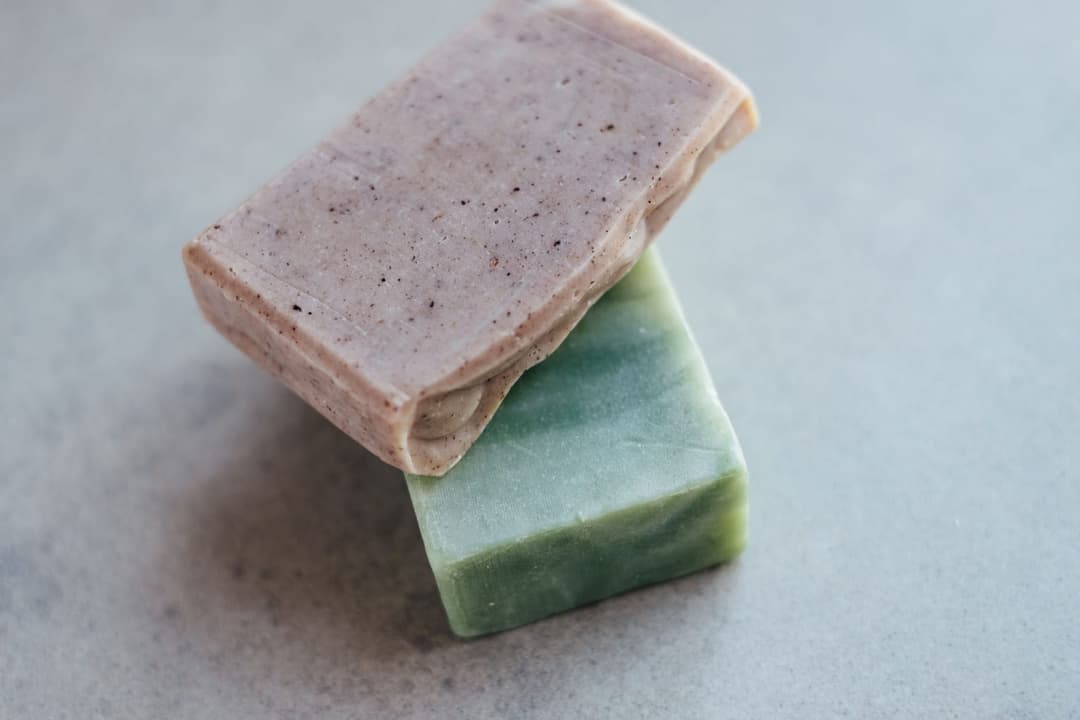
- Color matters. Unrefined hemp seed oil is dark green and will give your soap a greenish-brown hue. Refined hemp seed oil is lighter and produces a more neutral bar. Pick based on the look you want.
- Don't discount the water too aggressively. A 33% lye concentration works well. Going higher (like 40%) can cause the batter to seize because hemp oil already speeds up trace.
- Add hemp oil at a cooler temperature. Some soapers add hemp seed oil after the cook in hot process, or at very light trace in cold process, to preserve more of its beneficial properties. The lye reaction destroys some of the omega fatty acids, so later addition keeps more of them intact.
- Pair with a chelating agent. Sodium citrate at 1-2% of your oil weight helps prevent DOS by binding metal ions that catalyze oxidation.
- Label your bars with a date. Since hemp bars have a shorter shelf life, knowing when you made them helps you use the oldest bars first.
What to Expect from Your Finished Bars
After a full 6-8 week cure, your hemp seed oil soap will be:
- Conditioning: You'll notice a silky, smooth feel on your skin that's different from olive oil or shea butter bars. Hemp's omega profile gives it a unique "slip."
- Moderate lather: The coconut and castor oil in the recipe handle lather duty. Hemp oil itself contributes minimal bubbles but adds creaminess.
- Slightly soft: Even with the coconut and shea, hemp bars are softer than average. Use a well-draining soap dish to extend their life.
- Natural green-brown color: Unrefined hemp oil produces an earthy, natural look. Some people love it. If you want a different color, use refined hemp oil as your base and add colorants.
The bar hardness on the Soaply calculator will show a lower value for recipes with high hemp content. That's normal and expected. If you want a harder bar, you can bump the coconut oil to 30% and drop the olive oil to 30%.
💬 Frequently Asked Questions
Is hemp seed oil good for soap making?
Hemp seed oil is excellent for soap making when used at 5-15% of your total oils. It contributes omega-3 and omega-6 fatty acids that condition skin without clogging pores. The main considerations are its tendency toward rancidity (so use fresh oil and add ROE) and that it produces a softer bar than harder oils like coconut or palm.
Does hemp soap contain THC or get you high?
No. Hemp seed oil is pressed from the seeds of the hemp plant and contains no THC and no CBD. It's the same oil sold in grocery stores for cooking and salad dressings. There's no psychoactive component whatsoever.
How long does hemp seed oil soap need to cure?
Hemp seed oil soap should cure for a minimum of 6 weeks, though 8 weeks produces a harder and longer-lasting bar. The extra cure time is important because hemp oil contributes more moisture to the bar than most oils. Good airflow during curing also helps prevent Dreaded Orange Spots.
Can I use hemp seed oil in melt and pour soap?
Yes, you can add hemp seed oil to melt and pour soap base at about 1-2 teaspoons per pound of base. Add it after melting and stir well before pouring. Don't add too much or the bar won't set properly. Melt and pour is a simpler option, but you won't get the same level of integration as cold process.
Why did my hemp soap turn brown?
Unrefined hemp seed oil is dark green and naturally produces a greenish-brown bar. This is normal and doesn't mean anything went wrong. If you see isolated orange or brown spots (DOS), that's rancidity, which is a different issue. To get a lighter-colored bar, use refined hemp seed oil and add colorants at trace.
Ready to formulate your own hemp seed oil recipe? Head to the Soaply calculator to dial in your oil percentages, superfat level, and batch size. You can experiment with different ratios and see how they affect your bar properties before committing to a batch.
Ready to Try It?
Use our free soap calculator to create your perfect recipe with real-time property predictions.
Open Calculator