How to Make Exfoliating Soap: 10 Natural Scrub Additives That Actually Work
Learn how to make exfoliating soap with natural additives like oatmeal, coffee, and pumice. Includes usage rates, tips for cold process, and a beginner recipe.
This article contains Amazon links. As an Amazon Associate, Soaply earns from qualifying purchases at no extra cost to you.
Adding texture to your handmade soap turns an ordinary bar into a skin-smoothing powerhouse. Exfoliating soap removes dead skin cells while you wash, leaving your skin softer without needing a separate scrub. The trick is choosing the right additive and using the correct amount so you get gentle scrubbing action without scratching yourself raw.
- Why Add Exfoliants to Soap?
- How to Choose the Right Exfoliation Level
- 10 Best Natural Exfoliants for Soap
- When to Add Exfoliants in Cold Process
- Exfoliating Soap Recipe for Beginners
- Common Mistakes to Avoid
- Frequently Asked Questions
Why Add Exfoliants to Soap?
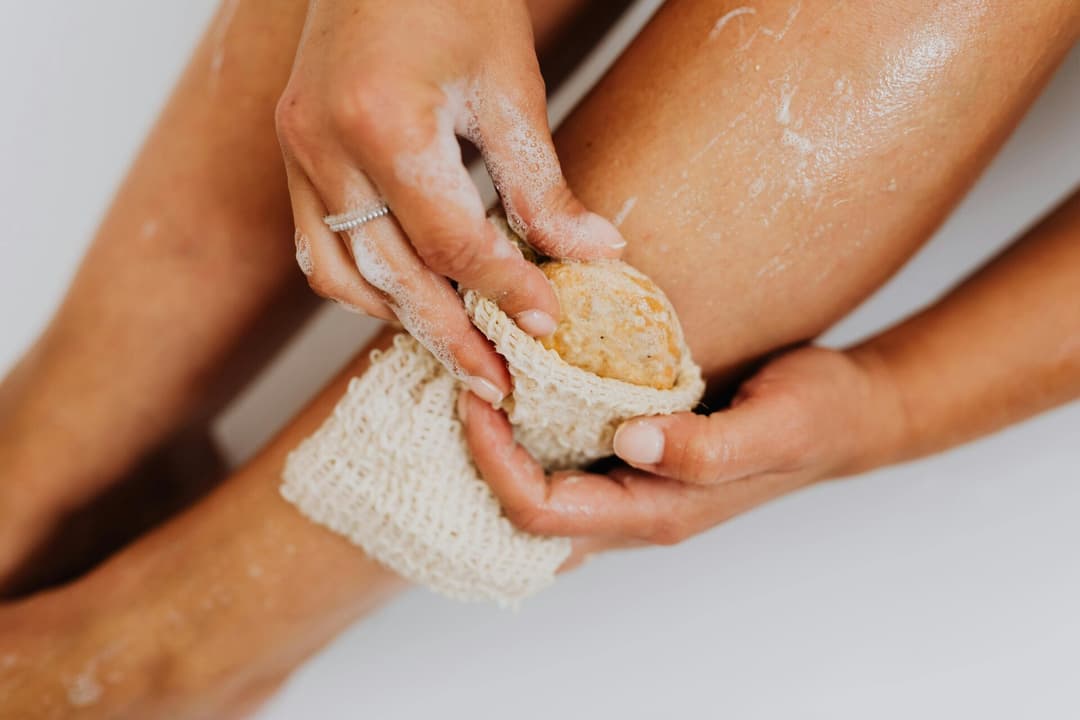
Your skin sheds millions of dead cells every day, but they don't always fall off on their own. That buildup makes skin look dull and can clog pores. An exfoliating soap bar handles the scrubbing for you right in the shower, no extra steps needed.
Compared to separate sugar scrubs or body polishes, an exfoliating soap bar is more convenient. You're already lathering up, so the exfoliant does its work without adding time to your routine. Plus, handmade soap with natural exfoliants avoids the microplastics found in many commercial scrub products.
Exfoliating bars also make great gifts. A coffee scrub bar or an oatmeal and honey soap looks impressive, smells fantastic, and feels like a spa product. They're one of the easiest ways to level up your soap making.
How to Choose the Right Exfoliation Level
Not all exfoliants are created equal. Some are barely noticeable, while others could sand a deck. Here's a rough scale to help you pick:
| Level | Feel | Best For | Examples |
| ------- | ------ | ---------- | ---------- |
| Gentle | Smooth with slight texture | Face, sensitive skin | Finely ground oatmeal, clay, jojoba beads |
| Medium | Noticeable scrub | Everyday body bars | Coffee grounds, poppy seeds, cornmeal |
| Heavy | Strong scrub | Hands, feet, elbows | Pumice, coarse sea salt, walnut shell |
Start gentle if you're not sure. You can always make the next batch scratchier, but you can't undo an overly aggressive bar.
10 Best Natural Exfoliants for Soap
1. Oatmeal (Colloidal or Rolled)
Oatmeal is the gold standard for gentle exfoliation. Finely ground (colloidal) oatmeal barely scrubs at all, making it safe for sensitive and dry skin. Coarsely ground oats give a medium scrub.
Usage rate: 1 to 3 tablespoons per pound of oils
Tips: Grind rolled oats in a blender or food processor to your preferred coarseness. Colloidal oatmeal also soothes itchy skin, so it's a solid choice for soap designed for sensitive skin. Add at light trace for even distribution.
2. Coffee Grounds
Used coffee grounds add a medium scrub and a rich brown speckle to your bars. They're one of the most popular exfoliants because most people have them sitting in the kitchen already.
Usage rate: 1 to 2 tablespoons per pound of oils
Tips: Use spent (brewed) grounds, not fresh. Fresh grounds can bleed oils and create a greasy feel. Let them dry fully before adding to soap. Coffee grounds pair perfectly with peppermint or vanilla fragrance. Check out our coffee soap recipe for a full walkthrough.
3. Pumice Powder
Pumice is volcanic rock ground into a fine powder. It's one of the most effective scrubbing agents and works especially well in mechanic's soap or foot scrub bars.
Usage rate: 1 to 2 teaspoons per pound of oils (a little goes a long way)
Tips: Use cosmetic-grade pumice powder, not the stuff from a hardware store. Too much pumice makes a harsh, unpleasant bar. Start with less and increase in future batches if you want more scrub.
4. Poppy Seeds
Whole poppy seeds add a beautiful visual speckle and a medium-level scrub. They don't dissolve or break down in the soap, so they maintain their texture through the entire life of the bar.
Usage rate: 1 to 2 teaspoons per pound of oils
Tips: Poppy seeds are small enough to feel pleasant without being scratchy. They look especially nice in a lemon poppy seed soap. Add at thin to medium trace so they stay evenly distributed.
5. Sea Salt (Fine or Coarse)
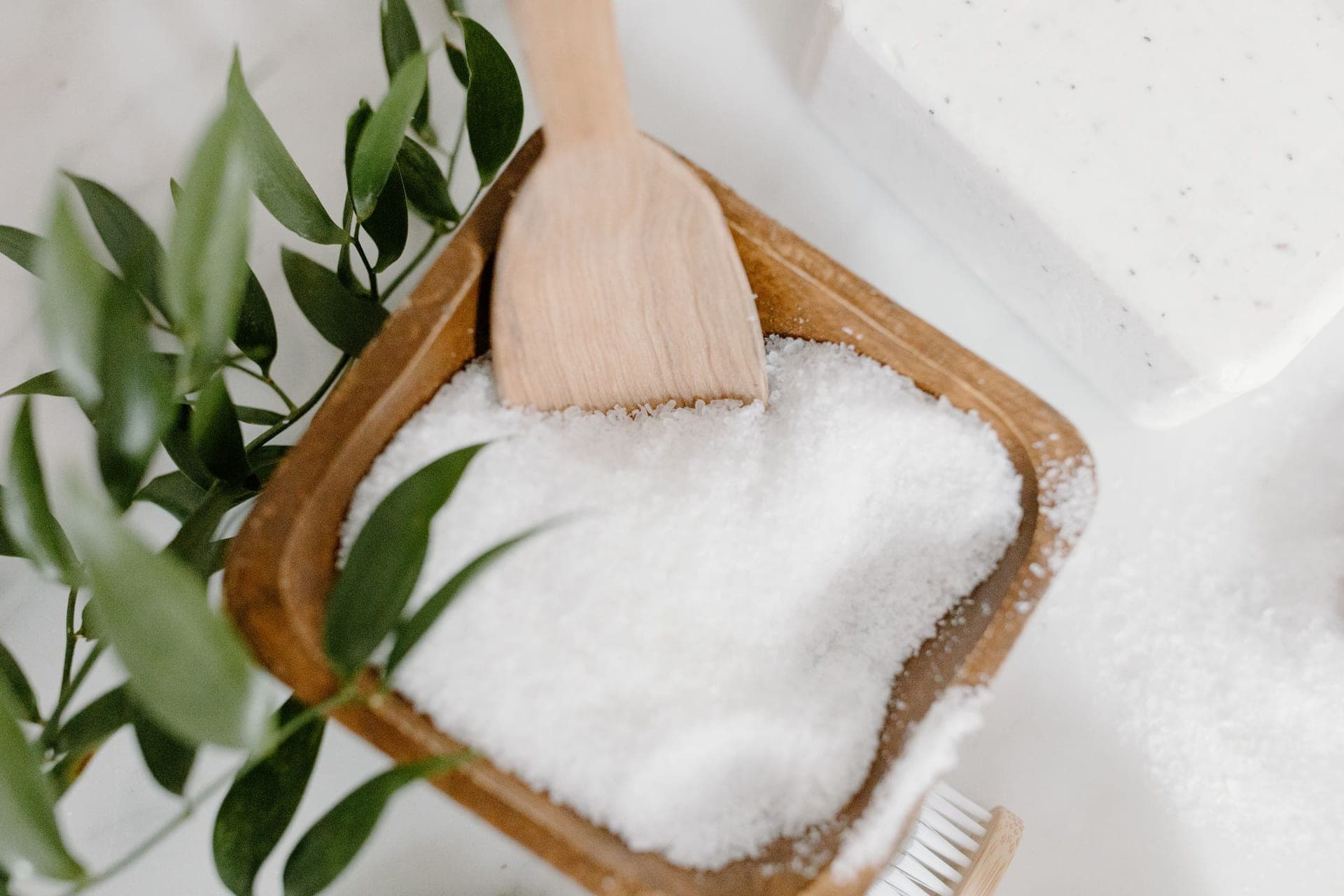
Salt bars have a devoted following in the soap world. Fine sea salt gives a gentle polish, while coarse salt provides a heavy scrub. Salt also hardens the bar and produces a creamy, lotion-like lather.
Usage rate: 50% to 100% of oil weight for a true salt bar
Tips: Salt bars set up fast, so work quickly and use individual cavity molds (you won't be able to cut a loaf). Add salt at very thin trace and stir by hand. Our salt bar guide covers this process in detail.
6. Cornmeal
Cornmeal is an underrated, kitchen-pantry exfoliant. It provides a medium scrub similar to coffee grounds and gives bars a cheerful yellow tint.
Usage rate: 1 to 3 tablespoons per pound of oils
Tips: Use fine-ground cornmeal for body bars or medium-ground for hand soap. It tends to settle in the mold, so stir at medium trace and give the mold a tap to distribute evenly.
7. Ground Loofah
Dried loofah (luffa) is a natural sponge from the gourd family. You can chop it into small pieces and embed them in soap, or grind it into coarse bits for a heavy-duty scrub.
Usage rate: Embed slices in individual molds, or 1 to 2 tablespoons of ground loofah per pound of oils
Tips: Soak dried loofah pieces in warm water for a few minutes before embedding so they don't absorb too much moisture from the raw soap. Loofah pieces embedded in clear melt-and-pour soap look particularly eye-catching.
8. Jojoba Beads
Jojoba beads are tiny, round, color-stable beads made from hydrogenated jojoba oil. They're one of the gentlest physical exfoliants available and won't scratch delicate skin.
Usage rate: 1 to 2 teaspoons per pound of oils
Tips: Jojoba beads melt above about 160°F, so they work best in cold process soap that doesn't go through a hot gel phase. If your soap tends to gel, use a freezer or insulate lightly. They're also perfect for melt and pour soap where temperatures are easier to control.
9. Dried Herbs (Rosemary, Lavender, Calendula)
Dried herbs add visual interest and a light scrub. Calendula petals keep their golden color in cold process soap and are very gentle. Ground rosemary provides a stronger texture.
Usage rate: 1 to 2 teaspoons per pound of oils for mixed-in herbs; a generous pinch on top for decoration
Tips: Most dried flowers turn brown in cold process soap because of the high pH. Calendula petals are the big exception; they stay a pretty golden color. If you want lavender buds, use them only as a topping. Mixed into the bar, they go brownish-gray and look like mouse droppings. Not the spa vibe you're after.
10. Activated Charcoal + Walnut Shell Powder
Activated charcoal doesn't exfoliate on its own, but combined with finely ground walnut shell powder, you get a detox-style scrub bar. The charcoal draws out impurities while the walnut shell provides a medium scrub.
Usage rate: 1 teaspoon charcoal + 1 teaspoon walnut shell powder per pound of oils
Tips: Use cosmetic-grade walnut shell powder (very finely ground). Coarsely ground walnut shell can cause micro-tears in skin, so finer is safer. For a full charcoal bar walkthrough, see our activated charcoal soap guide.
When to Add Exfoliants in Cold Process
Timing matters. Add your exfoliant at light to medium trace in cold process soap. Here's why:
- Too early (before trace): The exfoliant can sink to the bottom of the mold
- At thin trace: Works for lightweight items like poppy seeds and jojoba beads
- At medium trace: Best for heavier additives like oatmeal, coffee, pumice, and cornmeal
- Too thick: You won't be able to stir evenly, and you'll get clumps
For most exfoliants, blend your soap to light trace with your stick blender, then stir in the additive by hand with a spatula. This prevents your blender from pulverizing the exfoliant into mush.
Use our Soaply calculator to build your base recipe. A recipe with 30% coconut oil and 5% superfat creates a nice, hard bar with good lather that shows off the exfoliant's texture well.
Exfoliating Soap Recipe for Beginners
This oatmeal and honey scrub bar is a crowd-pleaser and a great first exfoliating project.
Oil Blend
| Oil | Percentage |
| ----- | ----------- |
| Olive Oil | 35% |
| Coconut Oil (76°) | 30% |
| Shea Butter | 15% |
| Sweet Almond Oil | 10% |
| Castor Oil | 10% |
Settings
| Parameter | Value |
| ----------- | ------- |
| Superfat | 5% |
| Lye Concentration | 33% |
| Fragrance | Oatmeal Milk & Honey (6% of oil weight) |
Additives (at light trace)
- 2 tablespoons colloidal oatmeal per pound of oils
- 1 tablespoon honey (dissolved in a small amount of warm water)
Instructions
- Run the oil percentages through the Soaply calculator with your total oil weight
- Prepare lye solution and let it cool to about 100°F
- Melt and combine your solid and liquid oils; cool to about 100°F
- Pour lye solution into oils and blend to light trace
- Stir in oatmeal and dissolved honey by hand
- Add fragrance oil and stir to combine
- Pour into a silicone soap mold
- Insulate and let sit 24 to 48 hours before unmolding
- Cut and cure for 4 to 6 weeks (see our curing guide)
This recipe produces a gentle, skin-soothing bar. The oatmeal provides a light scrub while the honey adds natural humectant properties that pull moisture into the skin.
Common Mistakes to Avoid
Using too much exfoliant. More isn't better. A tablespoon of coffee per pound of oils is plenty. Double that and you've got a sandpaper bar nobody wants to use.
Adding exfoliants at thick trace. You'll end up with uneven distribution. Some slices will be packed with scrub, others will be plain. Stir at light to medium trace for consistency.
Using non-cosmetic-grade materials. Craft-store glitter, random ground nutshells, or hardware-store pumice can contain contaminants or sharp edges that damage skin. Always buy cosmetic-grade ingredients from a soap supply vendor.
Skipping the cure. Exfoliating bars still need a full 4 to 6 week cure. The bar hardens, excess moisture evaporates, and the pH mellows. A freshly cut exfoliating bar might feel too harsh simply because it hasn't cured yet.
Forgetting that some additives change color. Lavender buds turn brown. Coffee can bleed. Paprika turns orange but can stain. Test small batches before committing to a big loaf.
💬 Frequently Asked Questions
What's the best exfoliant for sensitive skin?
Colloidal oatmeal and jojoba beads are the gentlest options. Both provide light texture without scratching. Clay also offers very mild exfoliation and comes in skin-soothing varieties like kaolin and French green clay.
Can you put sugar in cold process soap?
Sugar dissolves in the lye water phase and won't survive as a physical exfoliant in cold process. It does boost lather, though. If you want sugar scrub texture, use it in melt-and-pour soap where temperatures are lower and the sugar crystals stay intact.
How much exfoliant should I add per batch?
A good starting point is 1 to 2 teaspoons per pound of oils for heavy exfoliants (pumice, walnut shell) and 1 to 3 tablespoons per pound for lighter ones (oatmeal, coffee, cornmeal). Salt bars are the exception, where you might use up to 100% of oil weight in salt.
Do exfoliants affect soap curing time?
They don't change the saponification chemistry, so your cure time stays the same: 4 to 6 weeks for cold process. Some additives like oatmeal can absorb moisture, which might make the bar feel ready sooner, but give it the full cure for best results.
Are walnut shell scrubs safe for skin?
Finely ground, cosmetic-grade walnut shell powder is safe for body soap. Coarsely ground walnut shell has sharp edges that can cause micro-tears, so always buy the fine powder intended for cosmetic use. Avoid using walnut shell on the face.
Got your exfoliant picked out? Head over to the Soaply calculator to build a recipe, then add your favorite scrub additive at trace. For more recipe ideas, check out our honey oatmeal soap, coffee soap, or salt bar tutorials.
Ready to Try It?
Use our free soap calculator to create your perfect recipe with real-time property predictions.
Open Calculator