How to Make Coffee Soap: Cold Process Recipe with Real Coffee
Learn how to make coffee soap from scratch with brewed coffee and grounds. This cold process recipe creates exfoliating bars that smell amazing. Full tutorial inside.
This article contains Amazon links. As an Amazon Associate, Soaply earns from qualifying purchases at no extra cost to you.
Coffee isn't just for drinking. Used coffee grounds and brewed coffee make one of the best natural exfoliants you can add to handmade soap, and the rich brown color you get is 100% natural with zero colorants needed.
- Why Add Coffee to Soap?
- Three Ways to Use Coffee in Soap
- Coffee Soap Recipe (Cold Process)
- Equipment and Supplies
- Step-by-Step Instructions
- Tips for the Best Coffee Soap
- How Much Coffee Grounds Should You Add?
- Troubleshooting Coffee Soap Problems
- Frequently Asked Questions
Why Add Coffee to Soap?
Coffee brings a lot more to soap than just a nice smell. Here's what it actually does:
Exfoliation. Spent coffee grounds create gentle physical exfoliation that's perfect for scrubbing away dead skin cells. They're softer than sugar or salt scrubs, making them a good middle ground for everyday use.
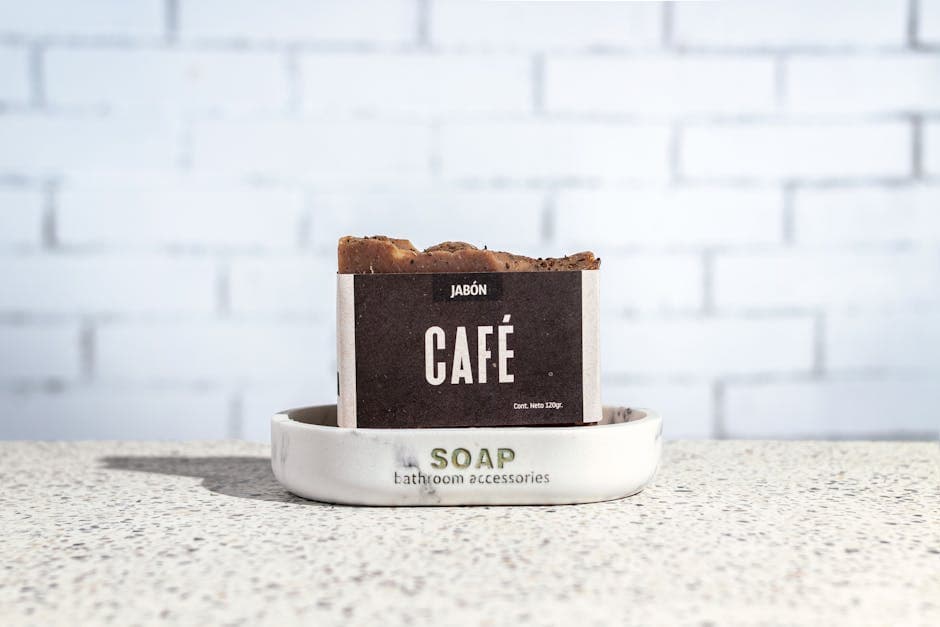
Natural color. Brewed coffee turns cold process soap a warm caramel to chocolate brown depending on how strong you brew it. No synthetic colorants, no mess with micas.
Odor neutralization. Coffee is famous for absorbing odors. A coffee soap bar by the kitchen sink is great for removing garlic, onion, and fish smells from your hands.
Antioxidants. Coffee contains caffeine and polyphenols that some studies suggest may benefit skin when applied topically. While the saponification process changes some of these compounds, the grounds themselves retain their properties on the surface of the bar.
Three Ways to Use Coffee in Soap
You've got options when it comes to incorporating coffee, and you can combine all three in a single batch:
1. Replace Water with Brewed Coffee
Brew a strong pot of coffee using distilled water, let it cool completely, then use it in place of the water in your lye solution. This gives your soap a natural brown color and subtle coffee scent (though the fragrance fades during saponification).
Important: Always use distilled water to brew the coffee. Tap water minerals can cause issues with your lye solution.
2. Add Spent Coffee Grounds
Mix used coffee grounds directly into your soap batter at trace. This adds exfoliation and visual texture. Used grounds are preferred over fresh because they're softer on skin and won't bleed oils into your soap.
3. Use Coffee Butter or Coffee Oil
Coffee-infused oils (made by steeping grounds in a carrier oil) add a mild coffee scent and additional skin benefits. You can replace part of your olive oil with coffee-infused olive oil for a subtle twist.
Coffee Soap Recipe (Cold Process)
This recipe makes about 6 bars (roughly 2.5 lbs of soap). It's a balanced formula with good lather, hardness, and conditioning.
| Ingredient | Amount | Percentage |
| ------------ | -------- | ------------ |
| Olive Oil | 280g | 40% |
| Coconut Oil (76°) | 175g | 25% |
| Shea Butter | 105g | 15% |
| Sweet Almond Oil | 70g | 10% |
| Castor Oil | 70g | 10% |
| Total Oils | 700g | 100% |
| Lye (NaOH) | Use calculator | 5% superfat |
| Brewed Coffee (cooled) | Use calculator | 33% lye concentration |
| Spent Coffee Grounds | 2-3 tbsp | At trace |
Don't guess on lye and liquid amounts. Plug these oil weights into the Soaply calculator to get your exact numbers. Different superfat levels and lye concentrations change everything.
Equipment and Supplies
You'll need everything from a standard cold process setup, plus a few coffee-specific items:
- Digital scale (measure everything by weight)
- Stick blender
- Safety goggles and gloves (non-negotiable when handling lye)
- Heat-safe mixing containers
- Silicone soap mold
- Infrared thermometer
- Brewed coffee (cooled to room temperature)
- Spent coffee grounds (dried or fresh)
Step-by-Step Instructions
Step 1: Brew and Cool Your Coffee
Brew a strong pot of coffee using distilled water. You want it about twice as strong as you'd drink it. Let it cool completely to room temperature. You can even refrigerate it overnight.
Pro tip: brew extra. You'll need enough to replace all the water in your recipe, and it's better to have too much than too little.
Step 2: Prepare Your Lye Solution
Put on your safety gear. Slowly add your lye to the cooled coffee, stirring steadily. The coffee will darken significantly and it'll smell like burnt coffee for a minute. That's normal.
The liquid will heat up fast, just like a regular lye-water solution. Set it aside in a safe place to cool.
Never add liquid to lye. Always add lye to your liquid, slowly.
Step 3: Melt and Combine Your Oils
Weigh out your coconut oil and shea butter and gently melt them. Once liquid, add your olive oil, sweet almond oil, and castor oil. Stir to combine and let the oil blend cool to around 100-110°F (38-43°C).
Step 4: Combine Lye Solution and Oils
When both your lye-coffee solution and oils are within 10°F of each other (ideally 100-110°F), slowly pour the lye solution into the oils.
Use your stick blender in short bursts, alternating between blending and stirring. You're aiming for a light to medium trace, which looks like thin pudding.
Step 5: Add Coffee Grounds and Fragrance
At light trace, stir in your spent coffee grounds. Two to three tablespoons gives you a nice exfoliation without being too scratchy.
If you want extra coffee scent (the brewed coffee scent won't survive saponification), add a coffee-scented fragrance oil at this point. About 1 oz per pound of oils is a good starting rate. Check our fragrance load guide for exact calculations.
Step 6: Pour and Insulate
Pour your soap batter into your mold. Tap the mold on the counter a few times to release air bubbles. If you want a textured top, sprinkle a light layer of dry coffee grounds on the surface.
Cover the mold with a piece of cardboard, then wrap it in a towel. Coffee soap benefits from a cooler environment since the sugars in coffee can cause overheating. If your soap gets too hot, it might crack or volcano. Don't insulate as heavily as you would a regular batch.
Step 7: Unmold and Cure
Wait 24-48 hours, then unmold. If the soap feels soft, give it another day. Cut into bars and set them on a curing rack with good airflow.
Cure for 4-6 weeks. Coffee soap can be a bit softer initially because of the sugars, so a full cure is important. Check out our curing guide for more details on why patience pays off.
Tips for the Best Coffee Soap
Use spent grounds, not fresh. Fresh coffee grounds still have oils in them that can go rancid over time. Spent grounds have had most of their oils extracted already, so they're more stable in soap. They're also gentler on skin.
Cool your coffee completely. Adding lye to hot coffee creates a violent reaction. Room temperature or refrigerator cold is the way to go.
Don't insulate too heavily. The sugars in coffee generate extra heat during saponification. Too much insulation can cause cracking, glycerin rivers, or a full-on soap volcano. A light towel is plenty, or skip insulation entirely if your house is warm.
Pair with complementary scents. Coffee pairs well with vanilla, chocolate, cinnamon, and peppermint fragrance oils. A coffee-vanilla combination is a customer favorite if you're selling at craft fairs.
Dry your grounds first. Spreading spent grounds on a baking sheet and drying them in the oven (200°F for 30 minutes) or air-drying them prevents mold before you're ready to use them.
How Much Coffee Grounds Should You Add?
The amount of coffee grounds you add controls the exfoliation level:
| Amount (per lb of oils) | Exfoliation Level | Best For |
| ------------------------ | ------------------- | ---------- |
| 1/4 teaspoon | Very light | Face bars, sensitive skin |
| 1 teaspoon | Gentle | Everyday body bars |
| 1 tablespoon | Medium | Kitchen hand soap, gardeners |
| 2+ tablespoons | Heavy | Mechanic's soap, foot scrub bars |
For this recipe (about 1.5 lbs of oils), 2-3 tablespoons gives you a solid medium exfoliation that works great as a kitchen or shower bar.
Troubleshooting Coffee Soap Problems
Soap overheated or cracked. The sugars in coffee generate extra heat. Next time, soap at a lower temperature (90-95°F), don't insulate, and consider putting the mold in the fridge for the first few hours.
Color is too light. Brew your coffee stronger. Use a double-strength brew or even espresso. You can also add a teaspoon of cocoa powder at trace to deepen the brown.
Coffee grounds settled to the bottom. You poured at too thin of a trace. Next time, wait until you hit medium trace before adding grounds, and pour quickly after mixing them in.
Soap smells like nothing. Brewed coffee scent doesn't survive saponification well. If you want that coffee shop smell, you'll need a coffee fragrance oil. The grounds will retain a faint earthy scent, but don't count on brewed coffee for fragrance.
Bar is too soft after unmolding. Coffee sugars create a softer bar initially. Give it an extra day or two in the mold, and make sure you're curing for the full 4-6 weeks. Using a higher percentage of coconut oil (up to 30%) also helps with hardness.
💬 Frequently Asked Questions
Can you use instant coffee in soap?
Yes. Dissolve instant coffee in your lye water for color without exfoliation. It gives a more uniform brown than brewed coffee and won't add texture. Use about 1-2 tablespoons of instant coffee per pound of oils.
Does coffee soap actually reduce cellulite?
There's no solid scientific evidence that coffee soap reduces cellulite. Caffeine applied topically may temporarily tighten skin, but a rinse-off product like soap doesn't stay on long enough to have a real effect. It's a great exfoliant and odor fighter though.
Can you use coffee soap on your face?
It depends on the grind size. Finely ground coffee can work as a gentle facial exfoliant, but most coffee grounds are too coarse for facial skin. If you want a face bar, use less than 1/4 teaspoon per pound of oils, or skip the grounds entirely and just use brewed coffee for color.
How long does coffee soap last?
Coffee soap lasts about 12 months when stored properly (cool, dry place, away from direct sunlight). The coffee grounds won't go rancid since the saponification process preserves the bar, but the coffee scent fades over time. Fully cured bars last longer.
Is coffee soap good for kitchen use?
It's one of the best uses for coffee soap. Coffee naturally absorbs strong odors like garlic, onion, and fish. Keep a bar by your kitchen sink and use it after cooking. The exfoliating grounds also help scrub off stubborn food residue.
Brew Up Your First Batch
Coffee soap is one of the most satisfying recipes for soapmakers at any level. You get a beautiful natural color, built-in exfoliation, and a bar that's genuinely useful in the kitchen. Plus, you're recycling spent coffee grounds that would've gone in the trash.
Grab the Soaply calculator to run your exact lye and water numbers, save your morning coffee grounds for a week, and you've got everything you need to get started.
Ready to Try It?
Use our free soap calculator to create your perfect recipe with real-time property predictions.
Open Calculator