How to Make a Lip Scrub (Simple Sugar and Honey Recipe)
How to make a lip scrub with sugar, oil, and honey. The right grain for delicate lips, three food-safe recipes, and how long a homemade lip scrub lasts.
This article contains Amazon links. As an Amazon Associate, Soaply earns from qualifying purchases at no extra cost to you.
To make a lip scrub, you stir fine sugar into a little oil, add a dab of honey for grip and flavor, and rub a pea-sized amount over your lips in slow circles. That's the whole thing. Two tablespoons of ordinary white sugar, a spoonful of sweet almond oil, and a teaspoon of honey make a scrub that buffs off flaky skin, costs pennies, and does the same job as the $12 pot at the beauty counter. No heat, no lye, no special gear.
Where people go wrong is the grain and the flavoring. Lip skin is thin and has no oil glands of its own, so a coarse sugar or a pinch of salt can scratch it instead of smoothing it. And because a lip scrub ends up on your mouth, you can't scent it the way you'd scent a body scrub. This guide walks through the right sugar, the oils that work, three food-safe recipes, and how to resize any of them with the Soaply sugar scrub calculator.
Quick pick: You probably have the sugar and oil already. The two things worth buying are a set of small lip balm jars to store batches and gift them, and a bottle of food-grade flavor oil if you want more than plain honey or vanilla.
- Why Make Your Own Lip Scrub
- What a Lip Scrub Actually Does
- What Goes in a Lip Scrub
- Which Sugar to Use (and Why Not Salt)
- The Best Oils for a Lip Scrub
- A Simple Honey Lip Scrub Recipe
- More Lip Scrub Recipes to Try
- Flavoring a Lip Scrub Safely
- How to Use a Lip Scrub
- How Long a Lip Scrub Lasts
- Why Your Lip Scrub Failed
Why Make Your Own Lip Scrub
A store lip scrub is sugar, an oil or two, a wax, some flavor, and a markup. You can mix the same thing in a bowl in two minutes for a fraction of the price, and you get to pick the oil and the flavor instead of taking whatever the brand chose.
The homemade version has one more thing going for it: you control the grain. Commercial scrubs have to survive shipping and a long shelf life, so they lean on additives and preservatives. A fresh scrub you make this week needs none of that, because there's no water in it for anything to grow in. More on that below.
It's also a gift people actually use. A little jar of brown sugar lip scrub with a handwritten label costs almost nothing to make and looks like you spent real money. If you sell at markets, a lip scrub pairs naturally with lip balm and gives shoppers a cheaper add-on at the register.
What a Lip Scrub Actually Does
Here's the honest version, because this is where a lot of marketing oversells. A lip scrub is a mechanical exfoliant. The sugar grains, held in a bit of oil, physically buff away the dead and peeling skin on the surface of your lips. That's it, and it's genuinely useful: smooth lips look better, lipstick goes on evenly, and your balm sinks in instead of sitting on top of flakes.
What a scrub does not do is add moisture. Lips chap because they have no oil glands and a thin outer layer that loses water fast. Scrubbing removes the flakes, but it doesn't fix the dryness underneath. That job belongs to the balm you put on afterward. Think of the scrub as prep and the balm as the actual treatment. If you only have time for one, pick the balm.
So the real routine is two steps: scrub to clear the dead skin, then seal with a good lip balm to hold moisture in. Doing the scrub without the follow-up balm can leave lips feeling worse, not better.
What Goes in a Lip Scrub
A lip scrub has three working parts and one optional one.
- Sugar is the exfoliant. It's the only part that does the physical scrubbing, and the grain size matters more here than anywhere else.
- Oil carries the sugar, keeps it from scratching, and conditions the skin. Any skin-safe carrier oil works.
- A binder and sweetener, usually honey, holds the paste together, helps it cling to your lips, and makes it taste good. This one's optional but classic.
- Flavor, if you want it, has to be food-safe, because it goes on your mouth.
The ratio is close to a body sugar scrub: roughly two parts sugar to one part oil by volume, loosened with a little honey. You're aiming for a thick, spoonable paste that holds its shape, like wet sand. If you've made our body sugar scrub, this is the same idea scaled way down and flavored for the mouth.
Which Sugar to Use (and Why Not Salt)
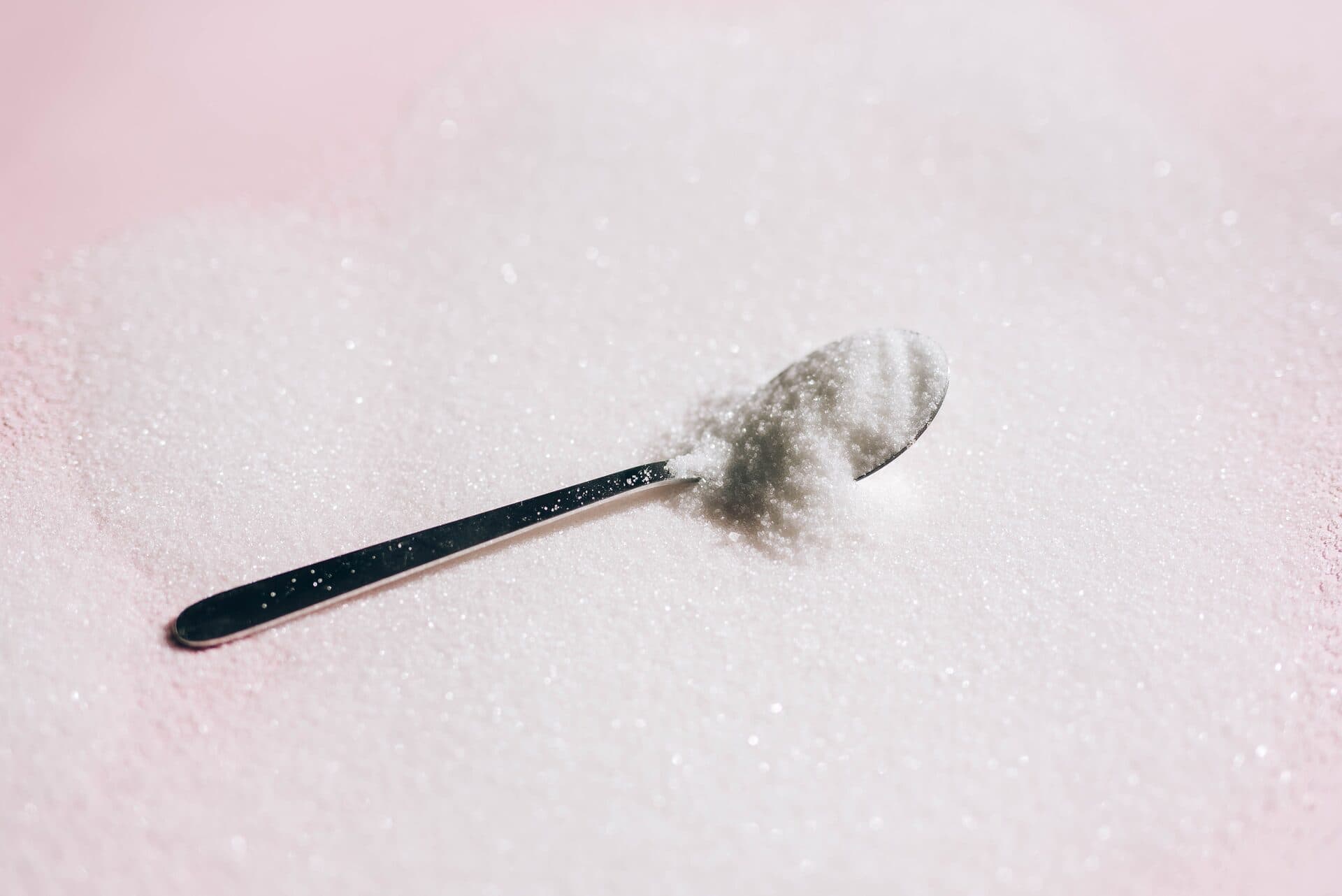
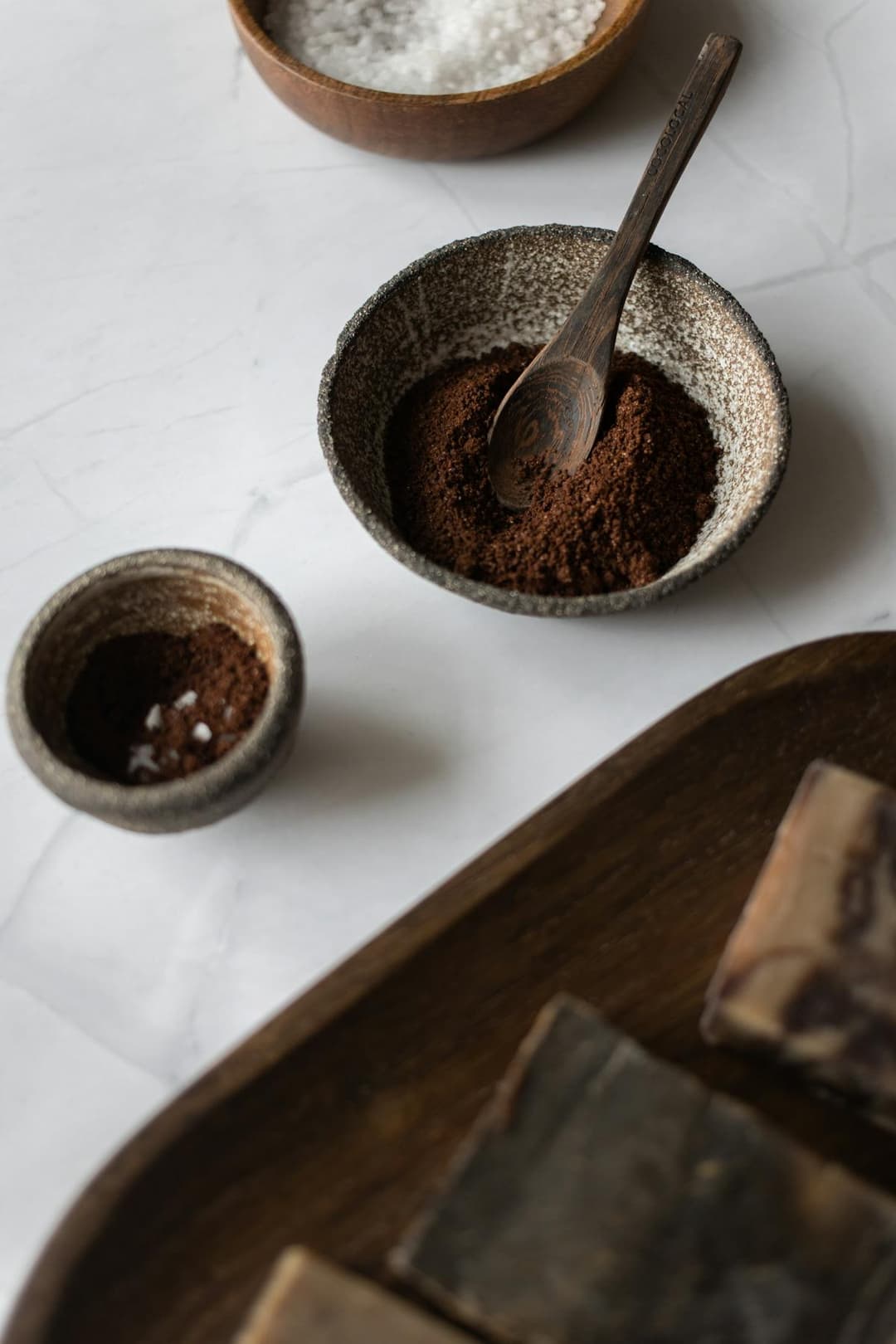
For lips, use fine sugar. Plain white granulated sugar is fine, and caster sugar (the superfine kind) is even better because the crystals are smaller and gentler. The whole point on lips is a light buff, not a deep scour.
Brown sugar is the gentlest choice of all. Its crystals are small and soft, it dissolves a little as you rub, and the molasses in it adds a bit of conditioning. If your lips are sensitive or you're making a scrub for a kid's chapped lips, brown sugar is the one to reach for.
Two things to avoid. Skip coarse or raw sugars like turbinado and demerara. Those big, hard crystals are great on rough heels but can micro-tear the thin skin on your lips. And don't use salt. A salt scrub is wonderful on the body, but salt stings, it pulls moisture out, and it'll find every tiny crack in a chapped lip. If you want to understand why salt behaves so differently, our salt scrub guide breaks it down, but the short version is: salt is for the body, sugar is for lips.
The Best Oils for a Lip Scrub
Because a lip scrub gets close to your mouth, lean toward oils that are fine to eat in small amounts. Most carrier oils qualify. Here are the ones that work best:
- Coconut oil is the classic. It's solid at room temperature, which gives the scrub a nice firm texture, it tastes mildly sweet, and it's easy to find. Warm it just enough to stir if it's hard.
- Sweet almond oil is light, mild, and absorbs well. It's a good all-rounder, the same reason it shows up in so many recipes. See the sweet almond oil profile for its properties.
- Jojoba oil is technically a liquid wax and it's close to the oil our own skin makes, so it feels natural on the lips and keeps a long time. The jojoba oil page has the details.
- Olive oil works in a pinch and is probably already in your kitchen. It's heavier and has a stronger taste, so use a mild one. The olive oil profile covers it.
Any of these is fine. If you're making a scrub to sell or gift, jojoba and sweet almond have longer shelf lives than softer kitchen oils, so they're worth the small upgrade.
A Simple Honey Lip Scrub Recipe
This is the one to start with. It makes a small jar, enough for several weeks of use.
- 2 tablespoons fine granulated or caster sugar
- 1 tablespoon carrier oil (sweet almond, jojoba, or melted coconut)
- 1 teaspoon honey
- 1/4 teaspoon vanilla extract (optional)
Stir the oil and honey together first, then work in the sugar a little at a time until you have a thick, wet-sand paste. If it slumps, add a pinch more sugar. If it crumbles, add a few drops more oil. Spoon it into a small clean jar.
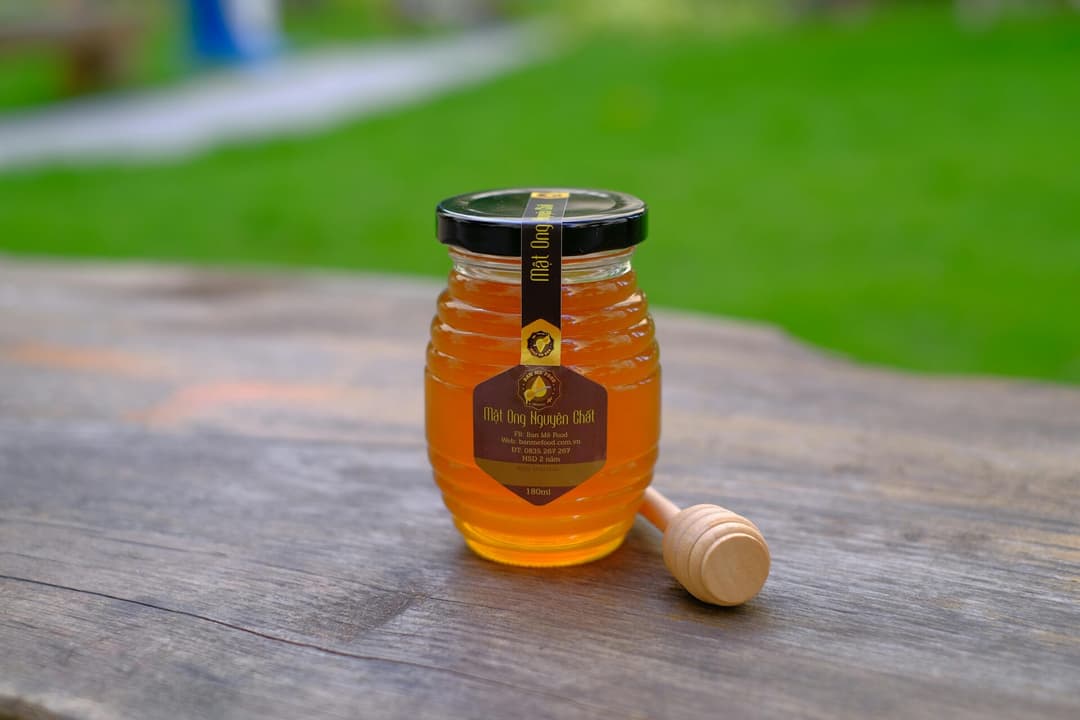
That's the whole recipe. The honey does triple duty here: it binds the grains, it draws a little moisture to the skin, and it tastes good enough that the scrub doesn't need anything else.
More Lip Scrub Recipes to Try
Once you've made the basic version, these are easy variations.
Brown sugar vanilla (gentlest). Swap the white sugar for 2 tablespoons of brown sugar and keep everything else the same. This is the softest scrub of the bunch and smells like cookie dough from the vanilla and molasses. Good for sensitive or badly chapped lips.
Vegan lip scrub (no honey). Use 2 tablespoons fine sugar, 1 tablespoon coconut or jojoba oil, and 1/2 teaspoon maple syrup in place of the honey. Maple is runnier than honey, so add a little extra sugar to firm it up. A food-safe flavor adds interest here since you've dropped the honey's taste.
Chocolate scrub. Add 1/2 teaspoon of unsweetened cocoa powder to the basic recipe. It tints the scrub brown, smells like chocolate, and the cocoa adds a touch of butter feel. Don't overdo it or it gets pasty.
For all of these, you can set the exact sugar and oil amounts in the Soaply sugar scrub calculator and then stir in the honey and flavor by hand. Just set a small batch size, since a lip scrub is a fraction of a body scrub.
Flavoring a Lip Scrub Safely
This is the one real safety point, so it gets its own section. A lip scrub ends up on your lips and some of it gets licked off, so treat flavoring the way you'd treat food, not the way you'd scent a candle or a body product.
Safe options are honey, a little vanilla extract, a pinch of cocoa, or a food-grade flavor oil, the kind sold for lip balm and candy. These are made to go in the mouth. A food-grade peppermint flavor gives a light tingle; one drop is plenty.
What to skip: regular fragrance oils and essential oils at the doses you'd use in a body scrub. Fragrance oils aren't meant to be eaten. Essential oils are stronger than people expect, some aren't safe to ingest, and the amounts that scent a tub of body scrub are far too much for a lip product. If you want to use an essential oil, use a tiny amount of one that's food-grade and sold for culinary use, and keep it to a drop or less. When in doubt, plain honey and vanilla never cause a problem.
How to Use a Lip Scrub
Start with clean, dry lips. Dab a pea-sized amount onto your lips with a clean fingertip or a small spatula.
Rub it in slow, gentle circles for about 20 to 30 seconds. Let the sugar do the work and go easy. You're buffing, not sanding. If it stings or your lips feel raw, you're pressing too hard or your lips were too chapped to scrub today.
Wipe it off with a damp, warm washcloth, or rinse with water. Licking off a food-safe scrub won't hurt you, but wiping clears away the loosened skin better than your tongue does. Pat your lips dry and put on a lip balm right away while they're still soft. The balm is the part that actually heals and holds moisture, so don't skip it.
Use a lip scrub once or twice a week, not every day. Lip skin is thin, and scrubbing it too often strips it and makes flaking worse rather than better. A couple of times a week is plenty to keep lips smooth.
One caution: don't scrub an active cold sore or a cracked, bleeding lip. Rubbing an open cold sore can irritate it and spread the virus to the rest of your mouth, so wait until it heals and reach for a cold sore lip balm in the meantime.
How Long a Lip Scrub Lasts
A sugar-and-oil scrub has no water in it, and sugar and honey are both self-preserving, so a homemade lip scrub keeps a few weeks to about a month at room temperature. Store it in the fridge and it lasts longer. You don't need a broad-spectrum preservative, because preservatives exist to stop microbes growing in water, and there isn't any water here.
The real thing that spoils a lip scrub is contamination. Every time you dip a wet finger into the jar, you add a little moisture and a few microbes, and that's what eventually grows mold or turns the scrub funky. Two easy fixes: scoop with a clean dry spatula instead of your fingers, and make small batches you'll finish quickly. Toss any scrub that smells off, changes color, or shows the first spot of mold.
The oils themselves can go rancid over several months, well before anything else fails. A couple drops of vitamin E oil in the batch slows that down, and so does keeping the jar out of heat and sunlight.
Why Your Lip Scrub Failed
Most lip scrub problems trace back to the grain, the ratio, or the flavoring. Here's how to read them.
- It scratches or stings. The sugar's too coarse, or your lips were too chapped to scrub. Switch to fine or brown sugar, press lighter, and skip scrubbing on days your lips are raw.
- It slumps into a puddle. Too much oil or honey. Stir in more sugar until it holds its shape.
- It crumbles off the spoon. Too dry. Add oil a few drops at a time until it comes together.
- It tastes bitter or soapy. You used a fragrance oil or too much essential oil. Lip scrubs only get food-safe flavor. Start over with honey, vanilla, or a food-grade flavor oil.
- The oil separates on top. That's normal for a scrub with no emulsifier. Give it a quick stir before each use.
- It went moldy or smells off. Water got in, usually from wet fingers, or it sat too long. Make smaller batches, scoop with a dry spatula, and store it cool.
💬 Frequently Asked Questions
What kind of sugar is best for a lip scrub?
Fine granulated sugar or, even better, caster sugar. Brown sugar is the gentlest of all because its crystals are small and soft. Avoid coarse or raw sugars, and never use salt, since both are too harsh for the thin skin on your lips.
How often should you use a lip scrub?
Once or twice a week. Lips have thin skin with no oil glands, so scrubbing daily strips them and makes flaking worse. Always follow a scrub with a lip balm to seal in moisture.
Do you wash off a lip scrub or leave it on?
Rub it in for about 20 to 30 seconds, then wipe it off with a damp cloth or rinse with water, and put on balm right away. Licking off a food-safe scrub is harmless, but wiping removes the loosened dead skin better.
How long does a homemade lip scrub last?
A sugar-and-oil scrub with no water keeps a few weeks to about a month at room temperature, and longer in the fridge. Scoop with a clean dry spatula to keep moisture out, and throw it away if it smells off or shows any mold.
Do lip scrubs actually work?
Yes, for surface flakes. The sugar mechanically buffs away dead, peeling skin so lips look smoother and balm absorbs better. It won't fix the underlying dryness, though. That's the balm's job, which is why you always scrub first and seal second.
Make Your Batch the Right Size
A lip scrub is about the easiest thing you can make for your skin: fine sugar, a little oil, a dab of honey, and a food-safe flavor if you want one. Scrub gently once or twice a week, seal with balm, and keep your fingers out of the jar. When you want to scale a batch up for gifts or dial in the sugar-to-oil ratio without guessing, run the numbers through the Soaply sugar scrub calculator, then stir in the honey and flavor by hand. Ready for the second half of the routine? Make a matching lip balm, or a beeswax-free version if you keep things vegan.
Ready to Try It?
Use our free soap calculator to create your perfect recipe with real-time property predictions.
Open Calculator