What Is Emulsifying Wax? A Lotion Maker's Guide to Types and Uses
Emulsifying wax binds oil and water into stable lotion. Learn what it is, the main types (NF, Olivem, BTMS-50), how much to use, and natural alternatives.
This article contains Amazon links. As an Amazon Associate, Soaply earns from qualifying purchases at no extra cost to you.
Emulsifying wax is the ingredient that forces oil and water to stay blended in a lotion or cream instead of splitting into greasy layers. It's a waxy solid, usually sold as small white pastilles, made from a fatty alcohol bonded to an emulsifier. Just a few percent of it turns a separating oil-and-water mess into a smooth, stable cream. If you've ever made lotion and watched it break apart overnight, missing or misusing emulsifying wax is almost always why. Here's what it is, the main types you'll run into, how much to use, and how to work it into a batch that actually holds together.
- What Emulsifying Wax Actually Is
- Why Lotion Falls Apart Without It
- The Main Types of Emulsifying Wax
- How Much Emulsifying Wax to Use
- How to Use Emulsifying Wax in Lotion
- Natural Emulsifying Wax Options
- Emulsifying Wax vs Beeswax vs Stearic Acid
- Troubleshooting a Broken Batch
- Frequently Asked Questions
What Emulsifying Wax Actually Is
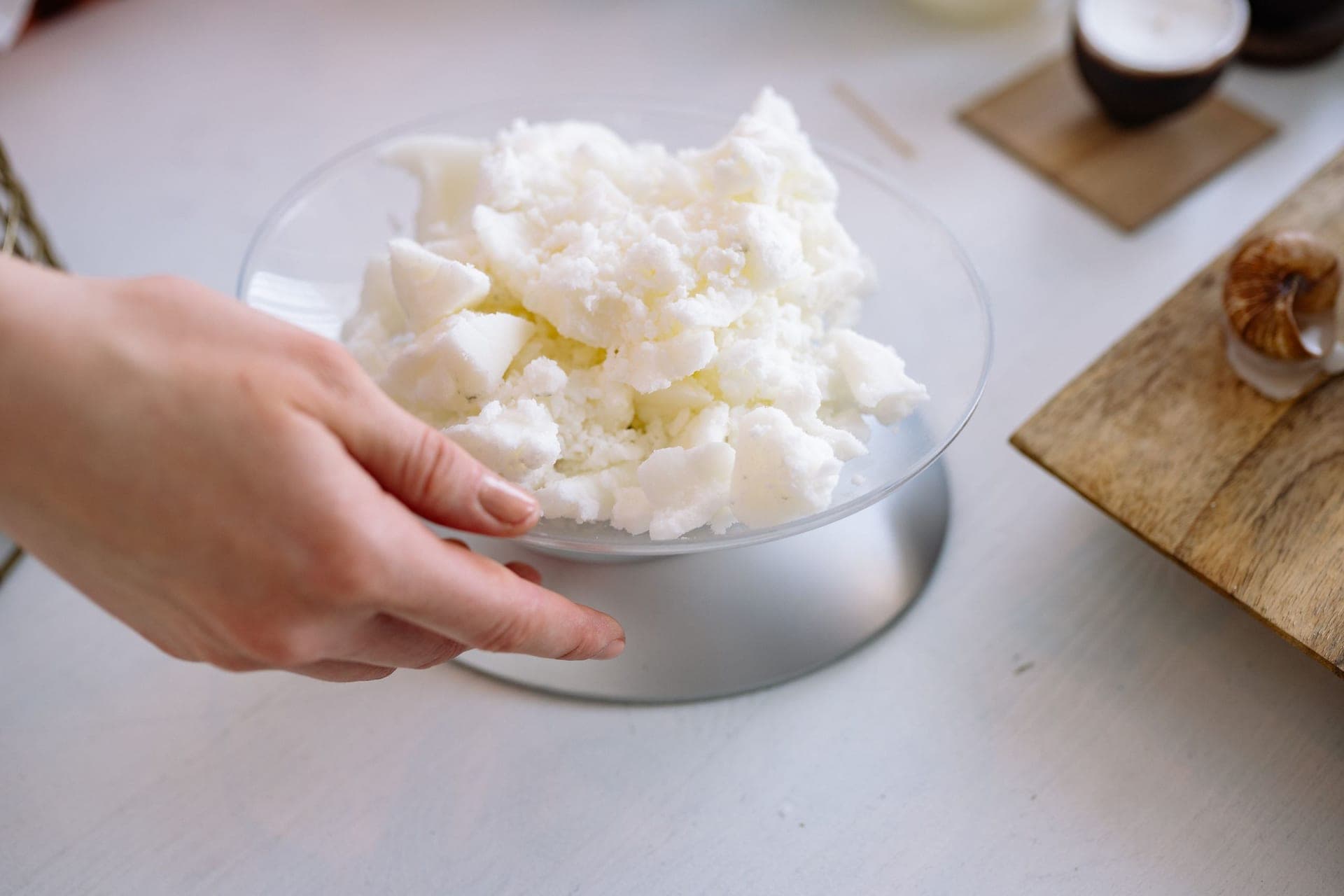
Emulsifying wax is a blend of a fatty alcohol, usually cetearyl alcohol made from vegetable oil, combined with an emulsifier such as polysorbate 60. The fatty alcohol thickens and stabilizes the cream, and the emulsifier is the working part: it grabs oil on one end and water on the other so the two phases lock into a single smooth product. Sold as small white or off-white pastilles or flakes, it melts into your warm oils and vanishes into the finished lotion.
The reason home makers reach for it is that it does the hard chemistry for you. Oil and water don't want to mix, and building a stable blend by hand is genuinely difficult. A purpose-made emulsifying wax is already balanced for oil-in-water lotions, so you don't have to calculate anything to get a cream that stays smooth for months. That's why it shows up in nearly every beginner lotion recipe.
One thing it does not do is preserve your product. Any lotion or cream that contains water needs a real broad-spectrum preservative to stay safe from mold and bacteria. Emulsifying wax keeps the texture together, not the microbes out, so treat the two as separate jobs.
Why Lotion Falls Apart Without It
A lotion is an emulsion: mostly water with oil dispersed all the way through it. Left to their own devices, the oil floats to the top, the water sinks, and within hours you've got something that looks like salad dressing. An emulsifier wraps every tiny oil droplet so it stays suspended in the water instead of clumping back together. Emulsifying wax is the simplest way to get that effect at home.
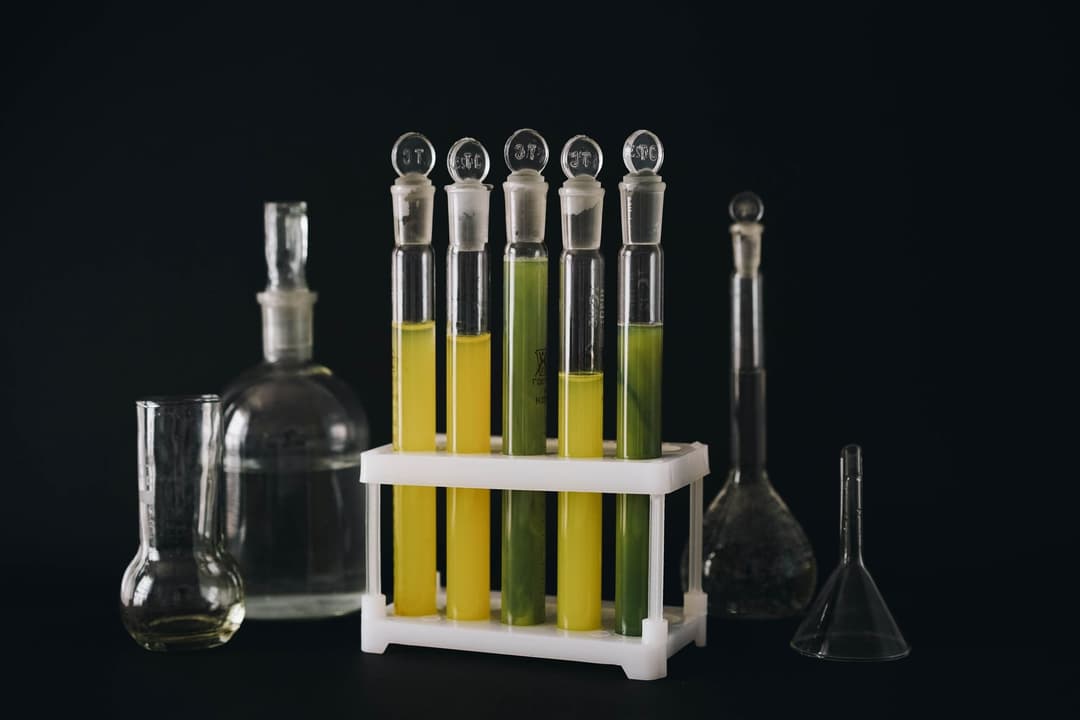
This is also the clearest line between lotion and the anhydrous products a lot of soapmakers start with. A whipped body butter and a lotion bar contain no water at all, so there's nothing to emulsify and no emulsifying wax needed. The moment you add water, though, you need a true emulsifier or the batch will separate. There's no way around it, and no amount of extra stick blending fixes an emulsion that has no emulsifier in it.
The Main Types of Emulsifying Wax
Not every product labeled emulsifying wax behaves the same way. Some are complete emulsifiers that work on their own, and a couple are built for specific jobs like hair conditioner. Here are the ones you'll actually see for sale.
| Type | What it is | Best for | Notes |
| ------ | ----------- | ---------- | ------- |
| Emulsifying Wax NF | Cetearyl alcohol plus polysorbate 60 | Everyday lotions and creams | The reliable default, very forgiving |
| Polawax | Cetearyl alcohol, PEG-150 stearate, polysorbate 60 | Rich creams, larger batches | A complete emulsifier, very stable |
| Olivem 1000 | Cetearyl olivate, sorbitan olivate | Natural-leaning lotions | Olive-derived, gives a light powdery feel |
| BTMS-50 | Behentrimonium methosulfate, cetearyl alcohol | Conditioners and hair creams | Conditioning, also emulsifies lotion |
| Ecomulse / Natramulse | Glyceryl stearate, cetearyl alcohol, sodium stearoyl lactylate | Natural creams | A complete plant-based emulsifier |
For a first batch, emulsifying wax NF is the one to buy. It's cheap, widely available, and hard to mess up. Reach for BTMS-50 when you're making something for hair, like a leave-in cream or the oil phase of conditioner and shampoo bars, because it leaves hair soft and detangled in a way plain e-wax doesn't.
How Much Emulsifying Wax to Use
A dependable rule of thumb is to use emulsifying wax at about 25 percent of the weight of your oils. If your oil phase is 20 grams, use roughly 5 grams of wax. Across a whole recipe that usually lands somewhere between 3 and 6 percent of the total batch weight, which is where most lotion formulas sit.
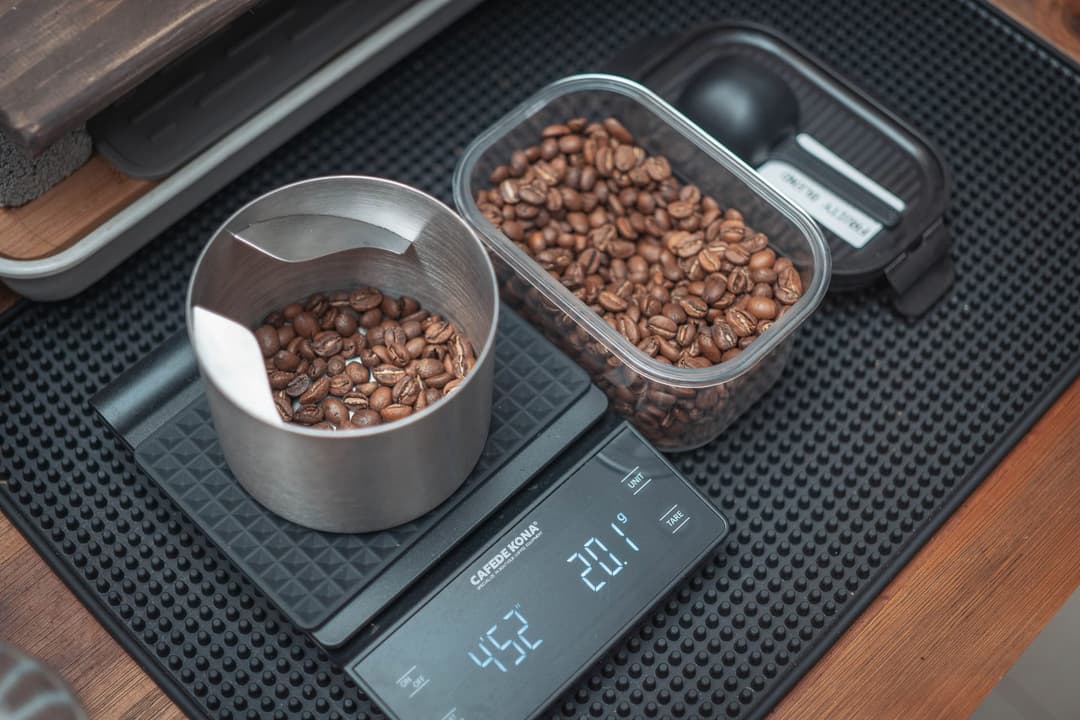
Too little and the emulsion is fragile, so it separates after a few days or when it warms up in a bathroom. Too much and the lotion turns waxy, thick, and slow to sink in. If your first batch feels heavy, drop the wax a percent or two next time and add that weight back to your water phase. Weigh everything in grams on a digital scale rather than measuring by volume, because a teaspoon of pastilles is far too rough for something this sensitive to ratios.
How to Use Emulsifying Wax in Lotion
The method that makes emulsions behave is called heat and hold. You warm the oil and water separately, hold them both hot for a stretch, then combine and blend. Here's the flow for a simple lotion.
- Weigh your oil phase, which is your carrier oils, any butters, and the emulsifying wax, into one heatproof container.
- Weigh your water phase, usually distilled water, into a second container.
- Set both containers in a hot water bath and bring them to about 70 to 75 C (158 to 167 F). Hold them there for 20 minutes. This melts the wax fully and helps knock back stray microbes.
- Pour the water phase into the oil phase, then blend with a stick blender in short bursts. It'll turn opaque and creamy almost immediately.
- Keep blending on and off as it cools. Add your preservative and any essential or fragrance oils once the mixture drops below the temperature listed for those ingredients, usually under 45 C (113 F).
- Bottle it while it's still pourable, since it keeps thickening as it fully cools.
Skipping the hold time is the most common beginner mistake. Undissolved wax and mismatched temperatures are what give you a lotion that looks fine in the bowl but splits a day later.
Natural Emulsifying Wax Options
If you want a plant-derived option, you have a few. Olivem 1000, made from olive oil, is the popular pick. It creates a light, almost powdery skin feel and works at 3 to 8 percent, though it likes a slightly higher melting temperature and sometimes needs a thickener like cetyl alcohol to firm up. Ecomulse, also sold as Natramulse or ECOMulse, is a complete emulsifier built from glyceryl stearate and sodium stearoyl lactylate that many makers find more forgiving than Olivem.
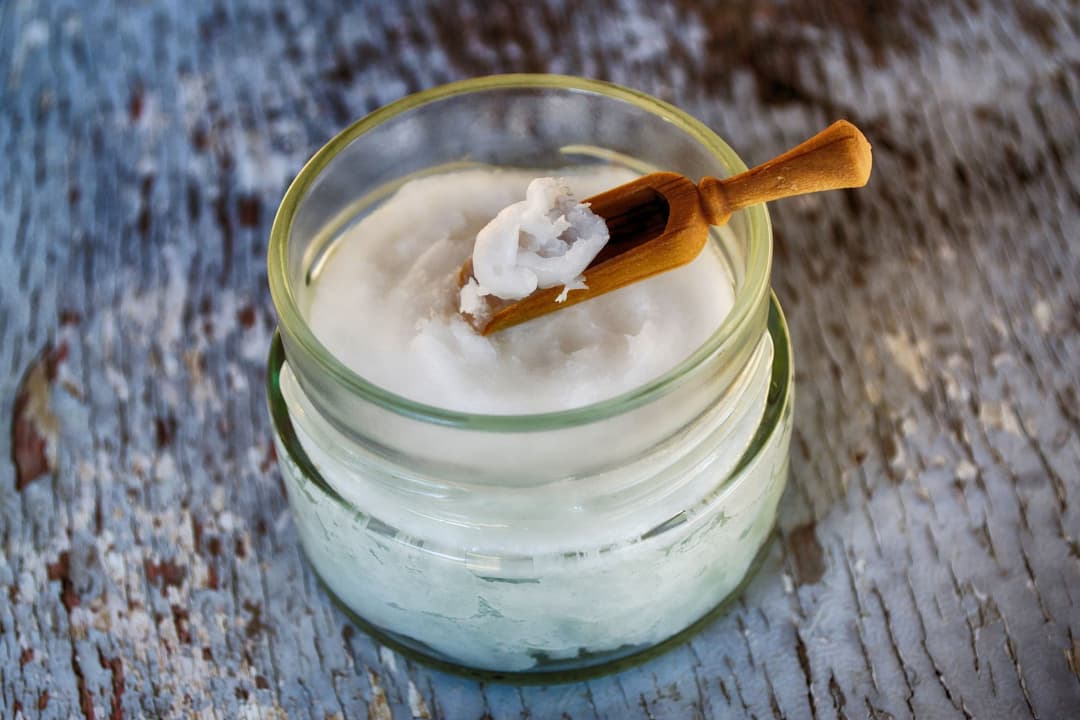
Keep in mind that natural is a loose word here. Even standard emulsifying wax NF starts from vegetable fatty alcohols, and the natural options still go through real processing to become emulsifiers. The practical difference is in the ingredient list and the skin feel, not in whether the batch works. All of them still need a preservative once water is involved.
Emulsifying Wax vs Beeswax vs Stearic Acid
This trips up a lot of people, so it's worth being blunt: beeswax is not an emulsifier. It's a thickener and a hardener. The old beeswax-and-borax cold creams your grandmother might have made were weak, unstable emulsions that separated easily and still needed care to keep. If you swap beeswax in where a recipe calls for emulsifying wax, your lotion will split. Beeswax earns its place in anhydrous products like lotion bars and balms, not in water-based creams.
Stearic acid is in the same boat. It's a fatty acid that thickens and adds body, and it can act as a helper alongside a real emulsifier, but it won't bind oil and water on its own. When a recipe lists both stearic acid and emulsifying wax, the wax is doing the emulsifying and the stearic acid is just tuning the texture. Neither beeswax nor stearic acid is a substitute for a complete emulsifying wax.
Troubleshooting a Broken Batch
If your lotion separated, work through the usual suspects. The batch either had too little emulsifying wax, wasn't held hot long enough for the wax to fully melt, or the two phases went in at very different temperatures. Any of those leaves the emulsion weak.
You can often rescue a fresh separation by reheating the whole thing back to about 70 C and stick blending again, sometimes with a touch more wax melted in. If it splits a second time, the ratio is off and it's better to start over with the wax bumped up toward that 25 percent of oils mark. A grainy, gritty texture is a different problem, usually a butter that recrystallized, and reheating past its melt point then cooling quickly fixes it.
💬 Frequently Asked Questions
Is emulsifying wax natural?
It depends on the type. Standard emulsifying wax NF is made from vegetable fatty alcohols combined with a processed emulsifier like polysorbate 60, so it's plant-derived but not raw. Olive-based options such as Olivem 1000 are marketed as natural, though they're still processed. None of them are the same thing as beeswax.
Can I use beeswax instead of emulsifying wax?
No. Beeswax is a thickener, not an emulsifier, so it can't hold oil and water together in a stable lotion. Swap it in and your cream will separate. Save beeswax for anhydrous products like balms and lotion bars, and use a true emulsifying wax whenever water is in the recipe.
What can I substitute for emulsifying wax?
Only another complete emulsifier, such as Polawax, Olivem 1000, Ecomulse, or BTMS-50 for hair products. You can't sub in beeswax, stearic acid, cetyl alcohol, or plain oils, because none of them emulsify. If a recipe needs an oil-in-water cream, it needs a real emulsifier.
How much emulsifying wax do I need per cup of oil?
Use roughly 25 percent of your oil weight, then weigh it in grams for accuracy. A cup of oil weighs about 200 grams, so you'd use around 50 grams of emulsifying wax, adjusting down if the finished lotion feels waxy.
Is emulsifying wax safe for skin?
Yes, it's a common, well-tolerated cosmetic ingredient used at low percentages in lotions and creams. It stays in the product rather than being absorbed in any meaningful amount. As with any new ingredient, patch test a small batch if your skin is sensitive.
Get Your Ratios Right the First Time
Emulsifying wax is the small ingredient that decides whether your lotion stays creamy or splits into oil and water. Buy a complete emulsifier like e-wax NF, use it at about a quarter of your oil weight, heat and hold both phases, and always follow up with a preservative. When you're ready to build a batch, run your oils and water through the free Soaply lotion calculator so your phases come out balanced, then follow the full method in our how to make lotion at home guide.
Ready to Try It?
Use the free Soaply lotion calculator to size your batch and get every ingredient in grams and percent.
Open Calculator