Coconut Essential Oil: Does It Exist and How to Scent Soap With Coconut
Coconut essential oil doesn't really exist. Here is what is actually in the bottle, why coconut can't be distilled, and how to get a true coconut scent in soap.
This article contains Amazon links. As an Amazon Associate, Soaply earns from qualifying purchases at no extra cost to you.
Here's the short answer: true coconut essential oil doesn't exist. Coconut has no volatile aromatic oil you can steam distill or cold press out of it, so there's nothing to bottle as a genuine essential oil. When you see "coconut essential oil" on a label, you're looking at one of two things. It's either fractionated coconut oil, which is a light carrier oil with almost no smell, or a coconut fragrance oil, which is a blended scent that only mimics the aroma. Neither one is a real essential oil. If you want that sweet, tropical coconut scent in your soap or body products, you'll need a fragrance oil, and this guide walks through what's actually in the bottle, why coconut can't be distilled, and how to pick and use a coconut scent that survives the soap pot.
Quick pick: For a real coconut scent that survives cold process soap, reach for a skin-safe coconut fragrance oil instead of anything sold as an "essential oil." Check the vanilla content on the label so you know how much it will darken your batch.
Does Coconut Essential Oil Exist?
No, not as a genuine essential oil. An essential oil is the concentrated pool of volatile aroma compounds pulled out of a plant, usually by steam distillation and sometimes by cold pressing citrus peels. For a plant to give up an essential oil, it has to hold enough of those light, fragrant molecules in a form you can separate and collect. Coconut doesn't. The fat inside a coconut is a heavy fixed oil, the same coconut oil you cook with and make soap from, and fixed oils are never essential oils.
The pleasant coconut smell you know from sunscreen, candy, and tropical drinks comes mostly from a group of compounds called lactones, and there's no practical way to distill those straight out of the fruit into a bottle. So anything sold as "coconut essential oil" is mislabeled. It's a carrier oil or a manufactured fragrance wearing the wrong name. This is the exact same mix-up that trips people up with vanilla and strawberry, two more scents everyone wishes existed as essential oils but don't. Our piece on why vanilla essential oil doesn't exist covers the identical problem if you want the parallel.
Why Coconut Can't Be Turned Into an Essential Oil
It comes down to the difference between a fixed oil and a volatile oil. Steam distillation works by heating plant material so the tiny, lightweight aroma molecules lift off with the steam, then cool back into a liquid you collect. That only works if the plant actually stores those volatile molecules in the first place, the way lavender, peppermint, and rosemary do.
Coconut stores energy as saturated fat, not as aromatic volatiles. When you press a coconut, you get a thick, greasy oil that stays put. It won't ride off on steam, so there's nothing to distill. The faint natural coconut note in virgin coconut oil comes from trace lactones left over from processing, and those fade fast. You can't concentrate them into a standalone essential oil at any scale that matters.
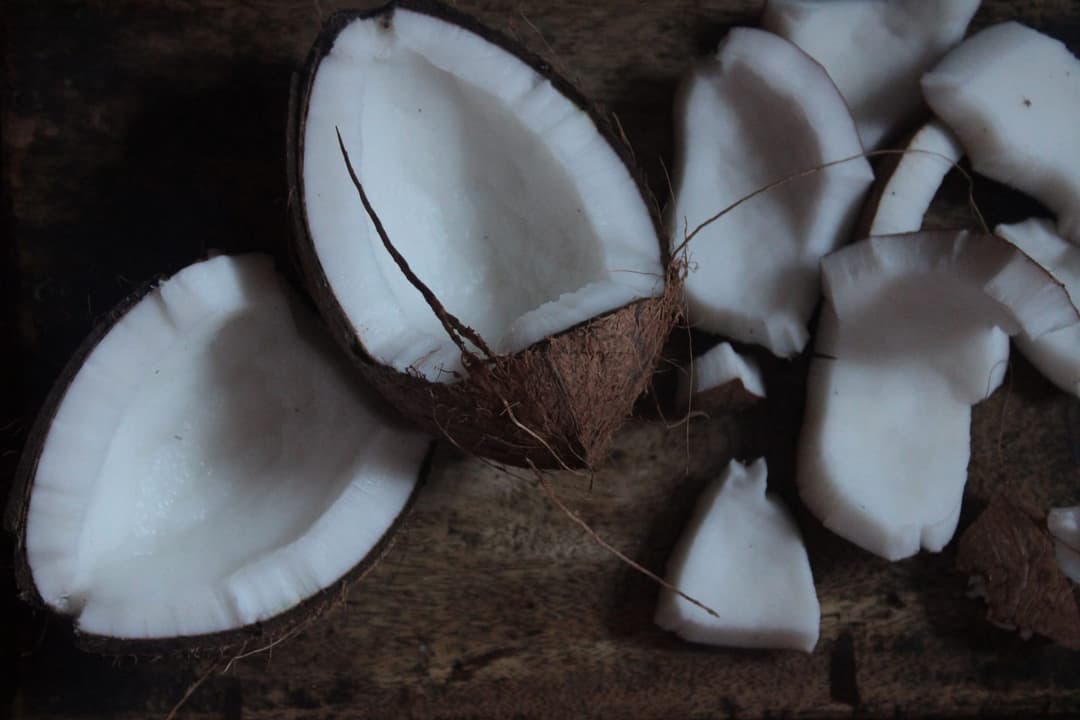
Because a true coconut essential oil is off the table, makers who want a strong, reliable coconut scent turn to fragrance oils. A fragrance oil is a blended scent, sometimes fully synthetic and sometimes a mix of natural and synthetic aroma molecules, engineered to smell like coconut and to hold that smell through heat, lye, and time. If you're new to the difference, our guide on essential oils vs fragrance oils for soap breaks down when each one makes sense.
Coconut Oil vs Coconut Essential Oil vs Coconut Fragrance Oil
Three very different products get lumped under the coconut name, and mixing them up leads to wasted money and failed batches. Here's how they compare.
| Product | What it is | Smell | Use in soap |
| --------- | ----------- | ------- | ------------- |
| Coconut oil (fixed) | The pressed fat of the coconut | Faint or none | A base oil that builds hardness and lather |
| "Coconut essential oil" | Marketing name, not a real EO | Depends what's inside | Skip it, the label is misleading |
| Fractionated coconut oil | Coconut oil with heavy fats removed | Nearly odorless | A light carrier oil for roll-ons and massage oil |
| Coconut fragrance oil | A blended manufactured scent | Strong, true coconut | The right choice to scent a batch |
The takeaway is simple. If a bottle says "coconut essential oil," read the fine print. It's almost always fractionated coconut oil or a fragrance oil in disguise, and knowing which one tells you whether you bought a carrier or a scent.
What Is Fractionated Coconut Oil?
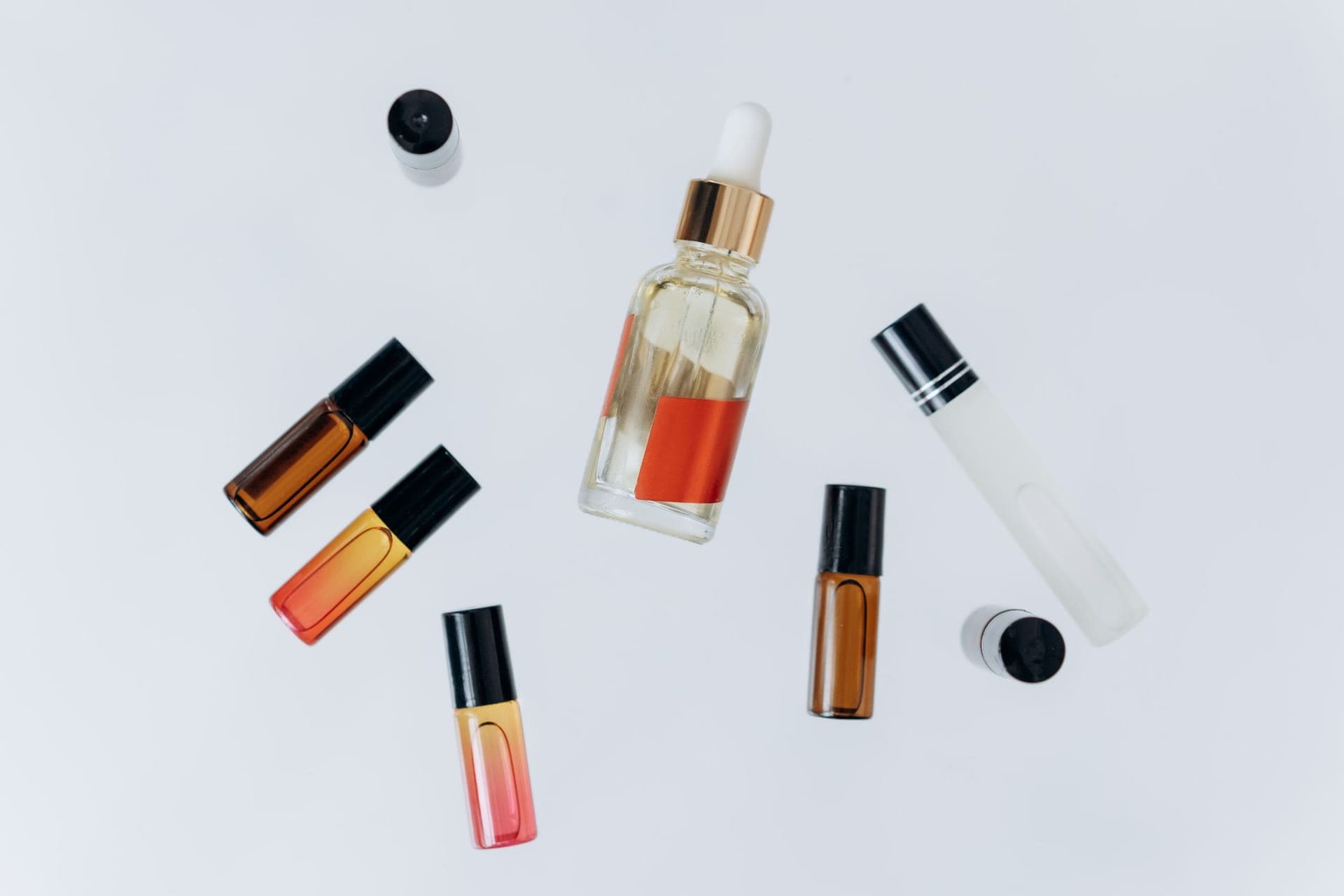
Fractionated coconut oil, often shortened to FCO, is regular coconut oil with the long-chain fatty acids removed. What's left is mostly the medium-chain fats, which stay liquid at room temperature and almost never go rancid. That gives you a clear, thin, nearly odorless oil with a very long shelf life. You'll also see it sold as MCT oil.
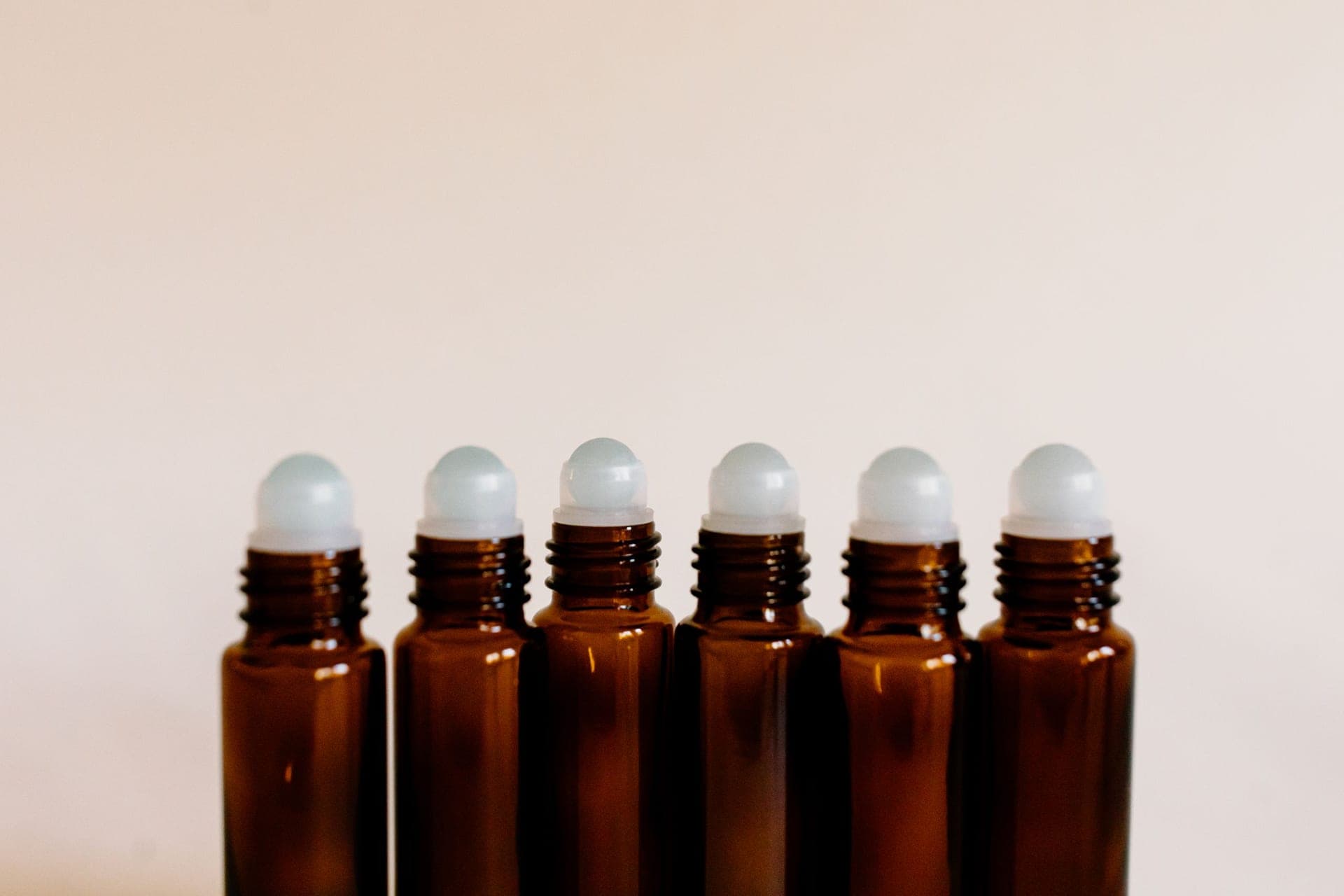
FCO is a favorite carrier oil for exactly the products where a heavy oil would feel greasy. It's the standard base for roll-on perfume oils, massage oils, and diluting essential oils before they touch skin because it soaks in cleanly and won't stain fabric. What it is not is a scent. FCO barely smells like anything, so if you bought it hoping for a coconut aroma, you'll be disappointed. In cold process soap it behaves like a light liquid oil rather than the solid coconut oil most recipes call for, so it's not a drop-in swap for your base.
How to Get a Real Coconut Scent in Soap
Since there's no essential oil to reach for, a coconut fragrance oil is how you get that beachy scent into a bar. A few things keep it from going sideways.
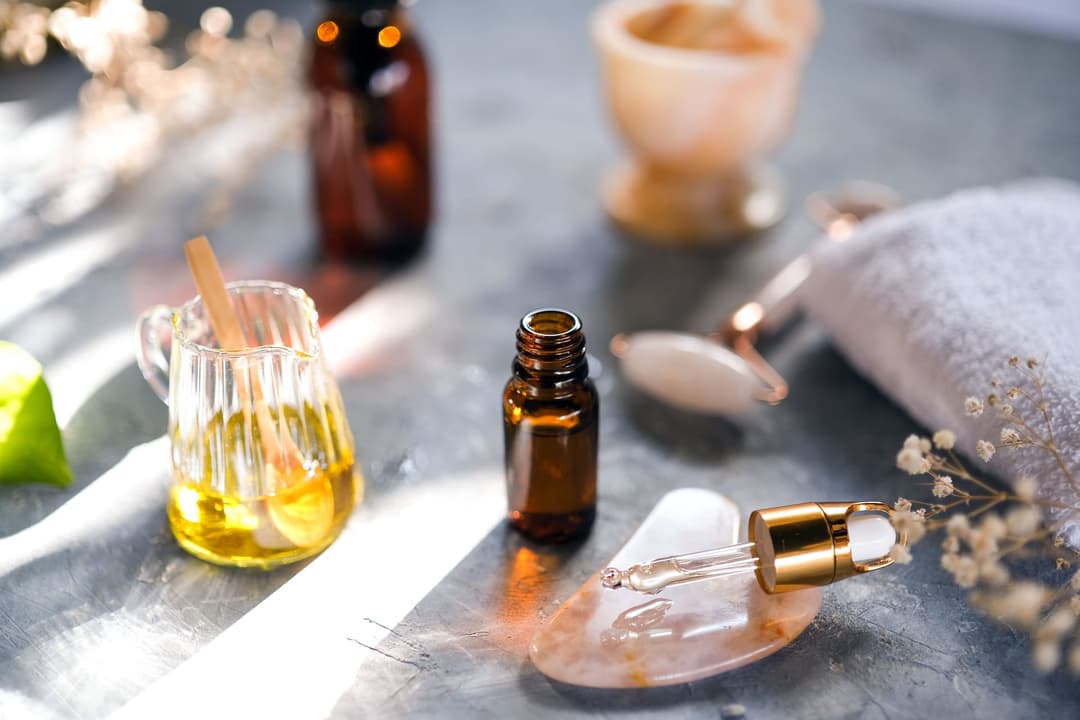
- Buy a skin-safe fragrance oil rated for cold process soap. Not every fragrance oil holds up to lye. Vendors list whether a scent is CP-safe, whether it accelerates trace, and whether it discolors. Read that before you buy.
- Use the right amount. A common starting range is 0.5 to 0.7 ounces of fragrance oil per pound of oils, and you should never go above the vendor's IFRA maximum for skin. Too much can cause seizing, weeping, or a slick, irritating bar. Run the numbers with our fragrance load guide or plug your batch into the Soaply fragrance calculator so you dose it right the first time.
- Expect some discoloration. Many coconut and tropical fragrances contain vanillin, the compound that gives vanilla its smell, and vanillin turns soap tan or brown as it cures. That's not a defect. If you want a creamy white bar, pick a low-vanillin or vanilla-free coconut scent, or lean into the color and pair it with a warm swirl.
- Test a small batch first. Fragrance behavior is hard to predict from a description. Make a one-pound tester, note how it moves in the pot, and cure it before you commit to a full loaf.
If you'd rather stay all-natural, there's no honest way to fake a true coconut scent with essential oils alone, since none of them smell like coconut. What you can do is build a tropical-leaning blend from real essential oils. Our roundup of the best essential oils for soap making shows which ones survive saponification and hold their scent.
Coconut Oil in Soap Isn't About Scent
It's worth separating two jobs that share a name. The coconut oil in your recipe is a workhorse base oil, not a fragrance. It makes a hard, white bar and whips up big, bubbly lather thanks to its lauric acid. It does almost nothing for scent, and any faint coconut note in virgin coconut oil fades during saponification and cure.
So when a recipe calls for coconut oil, that's about the bar's structure, not its smell. If you want to understand how much to use and why too much dries skin, our guide to coconut oil for soap making has the percentages and the superfat fix. Scent is a separate decision you make with a fragrance oil, added at trace, on top of whatever base oils you chose.
Can You Make Coconut Essential Oil at Home?
Not a real one. Home distillation gear can pull essential oils from herbs and flowers that actually contain volatile aromatics, but coconut has none to give, so there's nothing to collect. Any DIY tutorial promising homemade "coconut essential oil" is really teaching you to make an infused oil or a scented carrier oil, which is a different thing.
What you can do at home is infuse a light oil with warmth and time, or simply blend FCO with a store-bought coconut fragrance oil to make a body or roll-on oil. That gives you a coconut-scented product, just not an essential oil. For anything that needs a strong, lasting coconut smell, a commercial fragrance oil will always outperform a home infusion.
💬 Frequently Asked Questions
Is there such a thing as coconut essential oil?
No. Coconut doesn't hold the volatile aroma compounds needed to make a true essential oil, so it can't be steam distilled into one. Products labeled "coconut essential oil" are really fractionated coconut oil or a coconut fragrance oil.
Is coconut oil an essential oil or a carrier oil?
Coconut oil is a fixed carrier and base oil, not an essential oil. It's the pressed fat of the coconut, used to build lather and hardness in soap or to dilute essential oils on skin. It carries scent, it doesn't provide it.
Is fractionated coconut oil the same as coconut essential oil?
No. Fractionated coconut oil is a light, nearly odorless carrier oil made by removing the heavy fats from coconut oil. It has no real coconut smell and is used as a base for roll-ons and massage oils, not as a fragrance.
How do you make soap smell like coconut?
Add a skin-safe coconut fragrance oil at trace, usually around 0.5 to 0.7 ounces per pound of oils and never above the vendor's IFRA limit. Essential oils won't work because none of them smell like coconut.
Does coconut fragrance oil discolor soap?
Often, yes. Many coconut scents contain vanillin, which turns soap tan or brown as it cures. Choose a low-vanillin or vanilla-free version if you want a white bar, or design the batch around the warmer color.
Scent It Right the First Time
Coconut essential oil isn't real, so save your money and reach for a CP-safe coconut fragrance oil when you want that tropical scent, then dose it carefully so the bar stays gentle and behaves in the pot. Before your next batch, run your recipe and your fragrance load through the free Soaply calculators so your oils, lye, and scent all come out balanced, with fewer surprises at trace and a better bar at the end.
Ready to Try It?
Use our free soap calculator to create your perfect recipe with real-time property predictions.
Open Calculator