How to Make Lotion at Home (Easy Recipe From Scratch)
Learn how to make lotion at home with a simple recipe. Get the oil-to-water ratio, why you need an emulsifier and preservative, and step-by-step instructions.
This article contains Amazon links. As an Amazon Associate, Soaply earns from qualifying purchases at no extra cost to you.
Making lotion at home comes down to combining three things the right way: an oil phase, a water phase, and an emulsifier that locks them together into one smooth cream. Add a preservative so it stays safe, and you can make a bottle of custom lotion for a fraction of what a good store-bought one costs. The catch is that lotion is trickier than a body butter or a lotion bar, because the moment you add water you have to worry about two things beginners often skip: keeping the oil and water from separating, and keeping bacteria out. This guide walks through the exact ratio, the equipment, a simple beginner recipe, and the step-by-step method so your first batch comes out silky instead of split.
Quick pick: The two ingredients beginners skip and shouldn't are a proper emulsifying wax NF and a broad-spectrum lotion preservative. Together they're what keep homemade lotion smooth and safe to use.
What Lotion Actually Is
Lotion is an emulsion, which is a fancy way of saying it's oil and water forced to live together as one creamy blend. On their own, oil and water refuse to mix, and that's the whole challenge of making lotion. A butter or a lotion bar sidesteps this because it's all oils and no water, so there's nothing to separate. The instant you add water, you've signed up for two jobs: holding the mixture together and keeping it from spoiling.
Every lotion has four working parts:
- A water phase. Usually distilled water, sometimes with a humectant like glycerin that pulls moisture into the skin.
- An oil phase. The oils and butters that soften and protect. This is where sweet almond, jojoba, shea, or cocoa butter go.
- An emulsifier. The ingredient that binds oil and water into a stable cream so they don't split back apart.
- A preservative. A broad-spectrum preservative that stops mold, yeast, and bacteria from growing in the water.
Get those four right and lotion is genuinely easy. Skip the emulsifier and it separates. Skip the preservative and it grows things you can't see. The rest of this guide makes sure you nail all four.
What You Need to Make Lotion
You don't need a lab, but a few tools make the difference between a smooth batch and a greasy mess.
Equipment:
- A digital kitchen scale that reads in grams (lotion is measured by weight, not volume)
- A thermometer
- Two heatproof containers or glass measuring cups, one for each phase
- A small pot for a water bath
- An immersion (stick) blender or a small electric frother
- Pump bottles or jars to store the finished lotion
- Rubbing alcohol to sanitize everything
Ingredients:
- Distilled water (not tap, which carries minerals and microbes)
- A liquid carrier oil like sweet almond, jojoba, or grapeseed
- A butter like shea or cocoa for richness
- Emulsifying wax NF (this is not the same as beeswax, more on that below)
- A broad-spectrum preservative such as Optiphen, Geogard, or Liquid Germall Plus
- Optional: vegetable glycerin, and a skin-safe fragrance or essential oil
The Basic Lotion Ratio
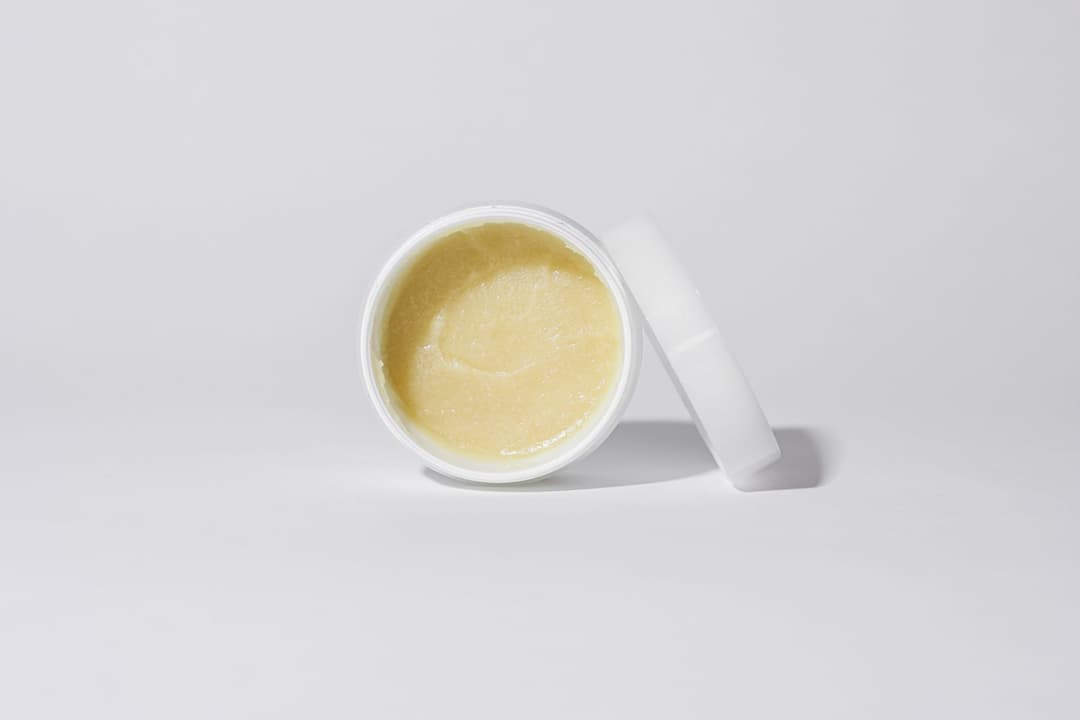
A simple beginner lotion is roughly 70 percent water phase and 25 percent oil phase, with the emulsifier and preservative making up the rest. Here's a reliable starting breakdown by weight:
| Component | Percentage |
| --- | --- |
| Distilled water | 70% |
| Vegetable glycerin (humectant) | 3% |
| Liquid carrier oil | 15% |
| Butter (shea or cocoa) | 5% |
| Emulsifying wax NF | 6% |
| Broad-spectrum preservative | 1% |
That's the framework. You can shift the oil up for a richer cream or down for a light everyday lotion, but keep the emulsifying wax around 5 to 6 percent of the total and the preservative at whatever your specific product's label says, usually about 1 percent. Because everything is measured by weight and small changes matter, run your exact formula through the free Soaply lotion calculator so your water, oils, emulsifier, and preservative all land at the right percentages before you heat anything.
Easy Homemade Lotion Recipe
Here's a well-balanced, everyday body lotion built on the ratio above. This makes about 500 grams, which fills a couple of pump bottles.
Everyday body lotion (about 500 g)
| Phase | Ingredient | Amount |
| --- | --- | --- |
| Water phase | Distilled water | 350 g |
| Water phase | Vegetable glycerin | 15 g |
| Oil phase | Sweet almond oil | 75 g |
| Oil phase | Shea butter | 25 g |
| Oil phase | Emulsifying wax NF | 30 g |
| Cool down | Broad-spectrum preservative | 5 g |
| Cool down | Skin-safe fragrance (optional) | up to 3 g |
The water phase and oil phase get heated separately, then combined and blended. The preservative and fragrance go in last, once the mixture has cooled a bit, because heat can weaken them. If you'd rather make a water-free moisturizer that needs no preservative at all, a body butter or a lotion bar is the simpler route.
How to Make Lotion Step by Step
Take it in order and don't rush the cooling stage. Here's the full method.
- Sanitize everything. Wipe down your containers, blender, thermometer, and bottles with rubbing alcohol and let them air dry. Clean gear is your first defense against spoilage.
- Weigh your phases. Put all the water phase ingredients in one heatproof container and all the oil phase ingredients (including the emulsifying wax) in another. Measure by weight in grams.
- Heat and hold both phases. Set both containers in a water bath and bring them to about 70°C (158°F). Hold them there for 20 minutes. This "heat and hold" step melts the wax fully and helps kill off stray microbes.
- Combine. Slowly pour the water phase into the oil phase (or the other way, either works if both are the same temperature). The mixture will turn milky right away.
- Blend. Use the immersion blender in short bursts for a minute or two. You'll watch it thicken into a creamy lotion. Stir and blend on and off as it cools.
- Cool down, then add the finishing ingredients. Once the lotion drops below about 40°C (104°F), stir in your preservative and any fragrance. Adding them while it's still hot can break them down.
- Bottle it. Pour or spoon the finished lotion into your sanitized pump bottles or jars. It will keep thickening slightly over the next day.
If your lotion looks thin right after blending, don't panic. Emulsions firm up as they cool and rest overnight.
Why You Need an Emulsifier
This is the step that trips up most first-timers. Oil and water will not stay mixed on their own, no matter how hard you stir or shake. An emulsifier is a molecule that grabs oil on one end and water on the other, holding the two together so your lotion stays a smooth, uniform cream instead of separating into a greasy layer over a watery one.
Emulsifying wax NF is the standard beginner choice because it's forgiving and makes a stable lotion every time. Polawax and Olivem 1000 are other popular options that work much the same way. Use one of these at around 5 to 6 percent of your total recipe.
Here's the honest truth about a common shortcut: beeswax is not a true emulsifier. Plenty of old recipes call for beeswax in "lotion," but beeswax is a thickener, not a binder. A beeswax and oil blend with water added will usually separate within days or feel greasy and unstable. If you want a real pourable lotion that stays mixed, use a proper emulsifying wax. If you love beeswax, save it for a lotion bar, where it belongs and shines.
Why Homemade Lotion Needs a Preservative
Anything with water in it can grow bacteria, mold, and yeast, and lotion is no exception. Those microbes are often invisible until the product is already unsafe, and the warm, moist, oil-rich environment of a lotion is close to ideal for them. That's why every water-based lotion needs a broad-spectrum preservative. This is not optional, and it's the single most important safety step in the whole process.
A few points to get it right:
- Use a broad-spectrum preservative like Optiphen, Geogard ECT, or Liquid Germall Plus. Each has a recommended usage rate on the label, usually around 1 percent. Follow it.
- Vitamin E and rosemary extract are not preservatives. They're antioxidants that slow oils from going rancid, but they do nothing against bacteria and mold. Don't rely on them to protect a water-based lotion.
- Distilled water matters. Tap water introduces minerals and microbes from the start, so always use distilled.
- Refrigeration is not a substitute. A properly preserved lotion is stable at room temperature. An unpreserved one can grow harmful microbes in the fridge too.
With a good preservative and clean tools, homemade lotion typically stays fresh for up to six months. Without one, an unpreserved batch can go bad in a matter of days, even if it looks and smells fine.
How to Customize Your Lotion
Once the base method clicks, the fun part is making it yours. A few easy ways to adapt the recipe:
- Swap the oils. Jojoba is light and close to skin's own oils, sweet almond is a soft all-rounder, and avocado or hemp seed oil are richer for dry skin. Keep the total oil phase percentage the same when you swap.
- Change the butter. Shea is creamy and soothing, cocoa butter is firmer and a touch more occlusive. Either works at that 5 percent slot.
- Add a soothing extra. A splash of aloe vera in the water phase makes a calming lotion for irritated skin.
- Scent it lightly. Add a skin-safe fragrance or essential oil at the cool-down stage, staying within safe usage rates. Less is more here.
- Adjust the feel. More oil and butter gives a rich night cream, less gives a light lotion that absorbs fast.
Whatever you change, re-run the numbers through the Soaply lotion calculator so your percentages stay balanced. Small tweaks to the water or oil phase change how the whole emulsion behaves.
💬 Frequently Asked Questions
Can you make lotion at home?
Yes, and it's straightforward once you understand the four parts: a water phase, an oil phase, an emulsifier to bind them, and a preservative to keep it safe. Heat the oil and water phases separately, blend them together, then add the preservative as it cools. The result is a custom lotion for a fraction of store prices.
Do you need a preservative in homemade lotion?
Yes, always, for any lotion that contains water. Water grows bacteria, mold, and yeast, often invisibly, so a broad-spectrum preservative like Optiphen or Geogard is essential. Vitamin E and rosemary extract are antioxidants, not preservatives, and won't protect against microbes. Only water-free products like body butters can skip it.
Can I use beeswax instead of emulsifying wax?
Not for a true pourable lotion. Beeswax is a thickener, not an emulsifier, so a beeswax and water mixture tends to separate or feel greasy. For a stable, smooth lotion, use emulsifying wax NF, Polawax, or Olivem 1000. Save beeswax for lotion bars and salves, where no water is involved.
How long does homemade lotion last?
With a proper broad-spectrum preservative, distilled water, and sanitized tools, homemade lotion usually stays good for up to six months at room temperature. Without a preservative, a water-based lotion can spoil within days, even if it looks and smells normal, so preservative is non-negotiable.
Why did my homemade lotion separate?
Almost always because of the emulsifier. Either there wasn't enough (aim for 5 to 6 percent emulsifying wax), the two phases weren't the same temperature when combined, or a non-emulsifier like beeswax was used. Reheat both phases to the same temperature, blend well, and use a real emulsifying wax to fix it.
Ready to Make Your First Batch?
Homemade lotion isn't hard once you respect the two rules beginners skip: use a real emulsifier so it stays smooth, and use a preservative so it stays safe. Start with the everyday recipe above, keep your tools clean, and add the preservative at cool-down. When you're ready to tweak the oils, butters, or scent, run your recipe through the free Soaply lotion calculator so every percentage comes out balanced. Want a simpler, water-free option to start with? Try a body butter or a lotion bar first, then graduate to a full emulsified lotion.
Ready to Try It?
Use the free Soaply lotion calculator to size your batch and get every ingredient in grams and percent.
Open Calculator