Jojoba Oil for Soap and Skin: Uses, Benefits, and How Much to Add
Jojoba oil is a liquid wax that mimics skin's own sebum. Here's how to use it in soap, as a carrier oil for essential oils, plus benefits and how much to add.
This article contains Amazon links. As an Amazon Associate, Soaply earns from qualifying purchases at no extra cost to you.
Jojoba oil is one of those ingredients that shows up everywhere in soap making and skincare, and for good reason. It's the closest oil to your skin's own sebum, it barely ever goes rancid, and it gives soap a silky, conditioning feel. The twist is that jojoba isn't really an oil at all. It's a liquid wax, and that one fact explains almost everything about how it behaves in a soap pot, in a lotion bar, and as a carrier oil for your essential oils. This guide covers what jojoba oil actually is, whether it counts as a carrier oil, how much to use in soap, its SAP value, and how to blend it with essential oils for roll-ons and facial serums.
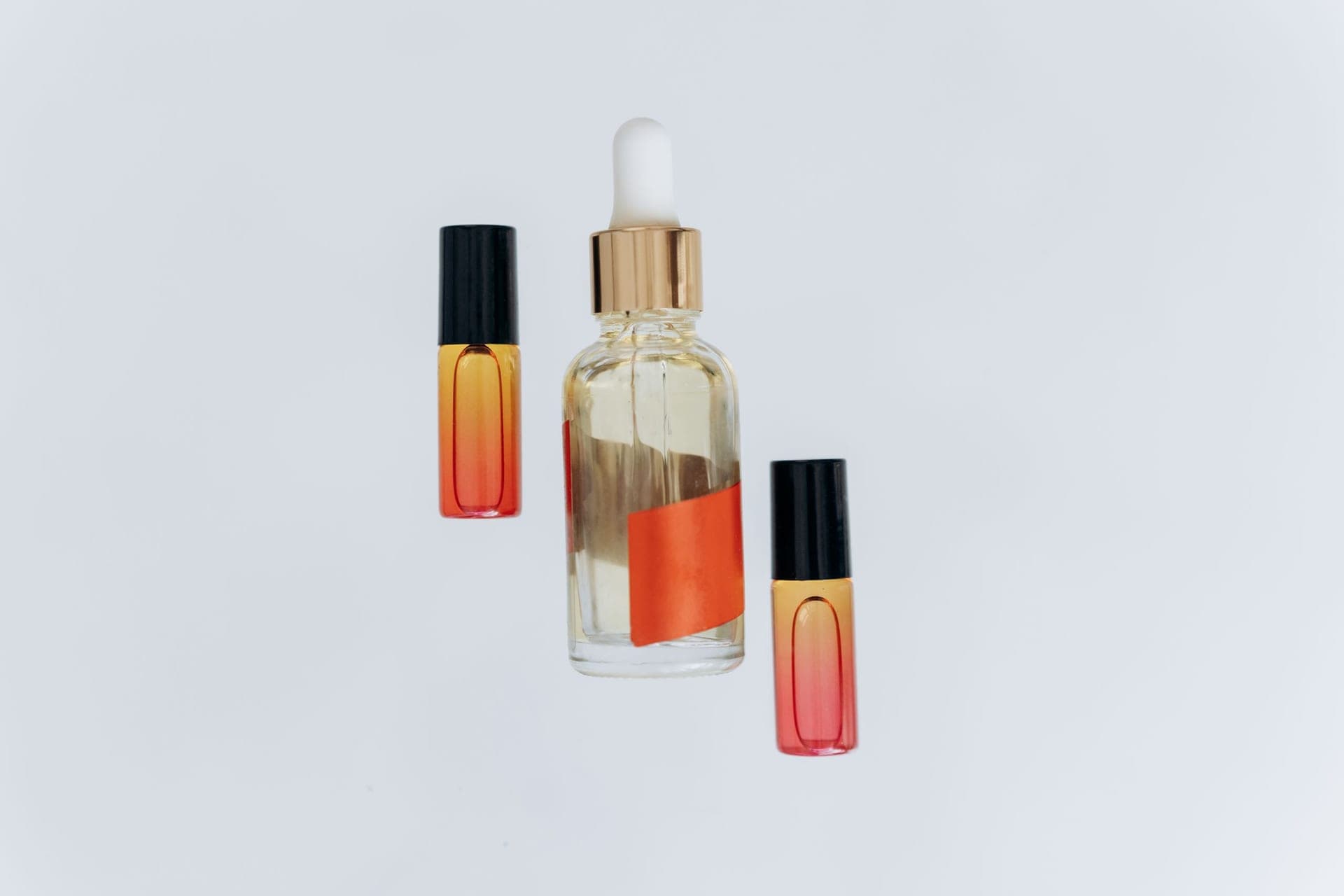
Quick pick: A bottle of golden jojoba oil is the standard for skin and soap. It's cold-pressed, shelf-stable for years, and works as both a superfat in soap and a carrier oil for essential oils.
What Is Jojoba Oil? Actually a Liquid Wax
Jojoba oil comes from the seeds of the jojoba shrub, a hardy desert plant native to the Sonoran Desert across Arizona, California, and northern Mexico. Native peoples used the seeds and their oil for skin and hair long before it became a skincare staple.
Here's the part that matters: jojoba isn't a triglyceride like olive, coconut, or shea. Those are true fats made of glycerol and fatty acids. Jojoba is a liquid wax ester, chemically more like the wax whales once supplied through spermaceti oil, which is exactly why jojoba took off as a plant-based replacement when that trade ended. Its structure is so close to human sebum, the oil your own skin makes, that your skin treats it as familiar rather than foreign.
That wax-ester structure is the reason jojoba does everything it does. It's why the oil is so stable and resists going rancid, why it absorbs without feeling greasy, and why it behaves a little differently in soap than a normal oil. Keep that one fact in your back pocket and the rest of this guide makes sense.
Is Jojoba Oil a Carrier Oil?
Yes, jojoba oil is a carrier oil, and it's one of the best ones you can pick. A carrier oil is any gentle base oil you use to dilute concentrated essential oils so they're safe to put on skin. Essential oils are far too strong to apply undiluted, so you blend a small percentage into a carrier before using them in a roll-on, a massage oil, or a facial serum.
Jojoba stands out among carrier oils for three reasons. First, it barely oxidizes, so a blend made with jojoba stays fresh for a year or more instead of turning within a few months like grapeseed or sunflower can. Second, it's light and sinks in fast without a heavy film. Third, because it matches skin sebum so closely, it suits oily and acne-prone skin as well as dry skin, where some heavier oils feel like too much.
So when you see the search phrase "essential oils jojoba oil," this is the connection people are making: jojoba is the base you dilute your essential oils into. We'll walk through the exact dilution ratios further down.
Jojoba Oil Benefits for Skin and Hair
Because jojoba mirrors your skin's own oil, it plays well with nearly every skin type. Here's what it brings:
- It moisturizes without feeling greasy. Jojoba absorbs quickly and leaves skin soft rather than slick, which is why it turns up in facial oils and lightweight lotions.
- It's low on the comedogenic scale. Jojoba rates around a 2 out of 5 for clogging pores, so it's a common pick for acne-prone and combination skin. Some people find that its sebum-like signal even helps balance oily skin.
- It's rich in vitamin E and antioxidants. Golden, unrefined jojoba carries natural tocopherols that support the skin barrier and help the oil resist rancidity.
- It conditions hair and scalp. A few drops smooth frizz and flyaways, and it's a favorite for scalp massage and beard oils because it doesn't sit heavy.
- It plays nicely in balms and bars. Jojoba is a go-to for lip balm and lotion bars precisely because its long shelf life keeps the finished product from turning. Our shea butter lip balm recipe uses jojoba for exactly this reason.
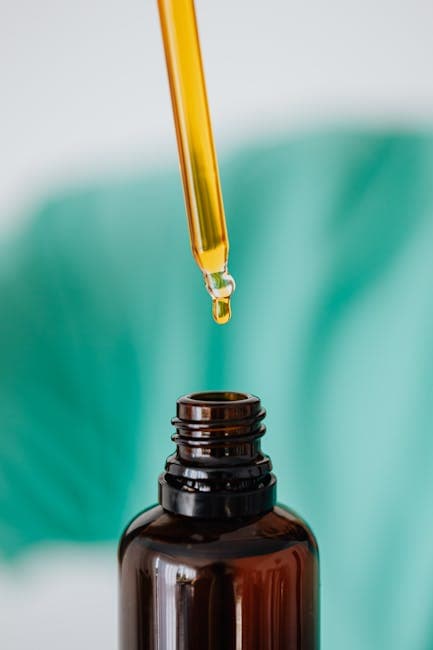
How to Use Jojoba Oil in Soap Making
Jojoba earns a spot in soap, but you use it in small amounts. Because it's a wax ester rather than a true triglyceride, jojoba saponifies less completely than normal oils, and using too much can soften your bar and cut into your lather. It's also one of the pricier oils on the shelf, so most soap makers treat it as a luxury touch rather than a base oil.
Here's the general guidance for cold process soap:
| Jojoba percentage | Best use |
| --- | --- |
| 1 to 3% | A light conditioning boost in any recipe; great in facial and shaving bars |
| 5 to 8% | A noticeable silky, skin-loving feel; common in luxury and shampoo bars |
| Added at trace | Used as part of your superfat so the free oil stays on the skin |
| Over 10% | Rarely worth it; softens the bar, drags on lather, and gets expensive fast |
A popular move is to add jojoba as a superfat oil. Superfatting means leaving a little extra oil in the bar unsaponified so there's free oil to condition your skin. Since jojoba is so gentle and stable, it's a smart choice to stir in at light trace so more of it survives as free oil in the finished bar. Our complete guide to superfat explains how to dial this in for any recipe.
Jojoba shines in specialty bars. It's excellent in a face bar, a shaving soap where a silky glide matters, and a shampoo bar where you want conditioning without heaviness. For a broader look at how jojoba compares to other soap oils, see our guide to the best oils for soap making and the full soap making oils guide.
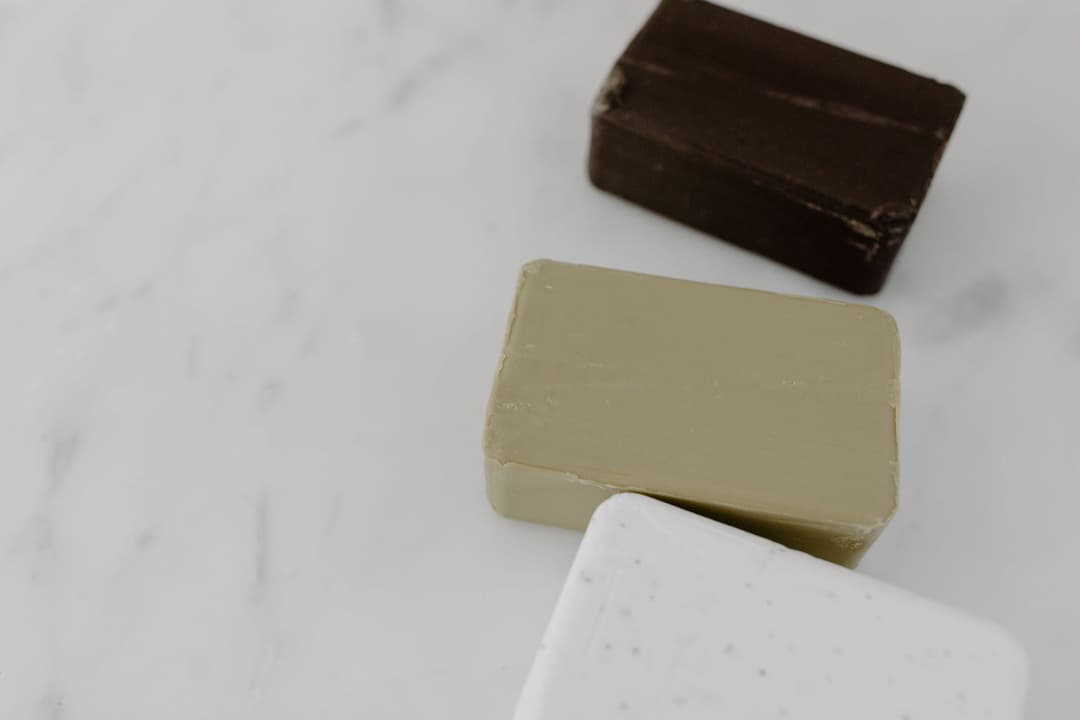
Jojoba Oil SAP Value and Lye Math
Every oil has a saponification (SAP) value, which is how much lye it takes to turn that oil into soap. Jojoba's sodium hydroxide SAP value is commonly listed around 0.069, which is low compared to most oils. Coconut oil, by contrast, sits near 0.19. That means jojoba needs very little lye per ounce.
There's a catch, though. Because jojoba is a wax ester and not a standard triglyceride, its saponification behaves a little differently than the number alone suggests, and different sources list slightly different values. This is exactly the kind of oil where you don't want to guess.
Never plug a memorized SAP figure into a batch and hope for the best. Run your full recipe through the Soaply soap calculator so the lye, water, and superfat come out right for your exact oils and batch size. Any time you add or swap even one oil, including a small percentage of jojoba, recalculate from scratch. For more on swapping oils safely, see our guide on how to substitute oils in soap recipes.
Jojoba Oil as a Carrier Oil for Essential Oils
This is where jojoba really pulls its weight for most people. If you make roll-on perfumes, massage oils, or facial serums, jojoba is close to the ideal base because your blend won't go rancid before you finish it.
The rule of thumb for skin dilution is 2 to 3 percent essential oil for a leave-on product on the body, and closer to 1 percent for the face. Here's what that looks like in practice:
| Product | Jojoba amount | Essential oil drops | Dilution |
| --- | --- | --- | --- |
| Facial serum (1 oz) | 30 ml (1 oz) | 6 to 9 drops | about 1% |
| Body roll-on (10 ml) | 10 ml | 4 to 6 drops | 2 to 3% |
| Massage oil (2 oz) | 60 ml (2 oz) | 24 to 36 drops | 2 to 3% |
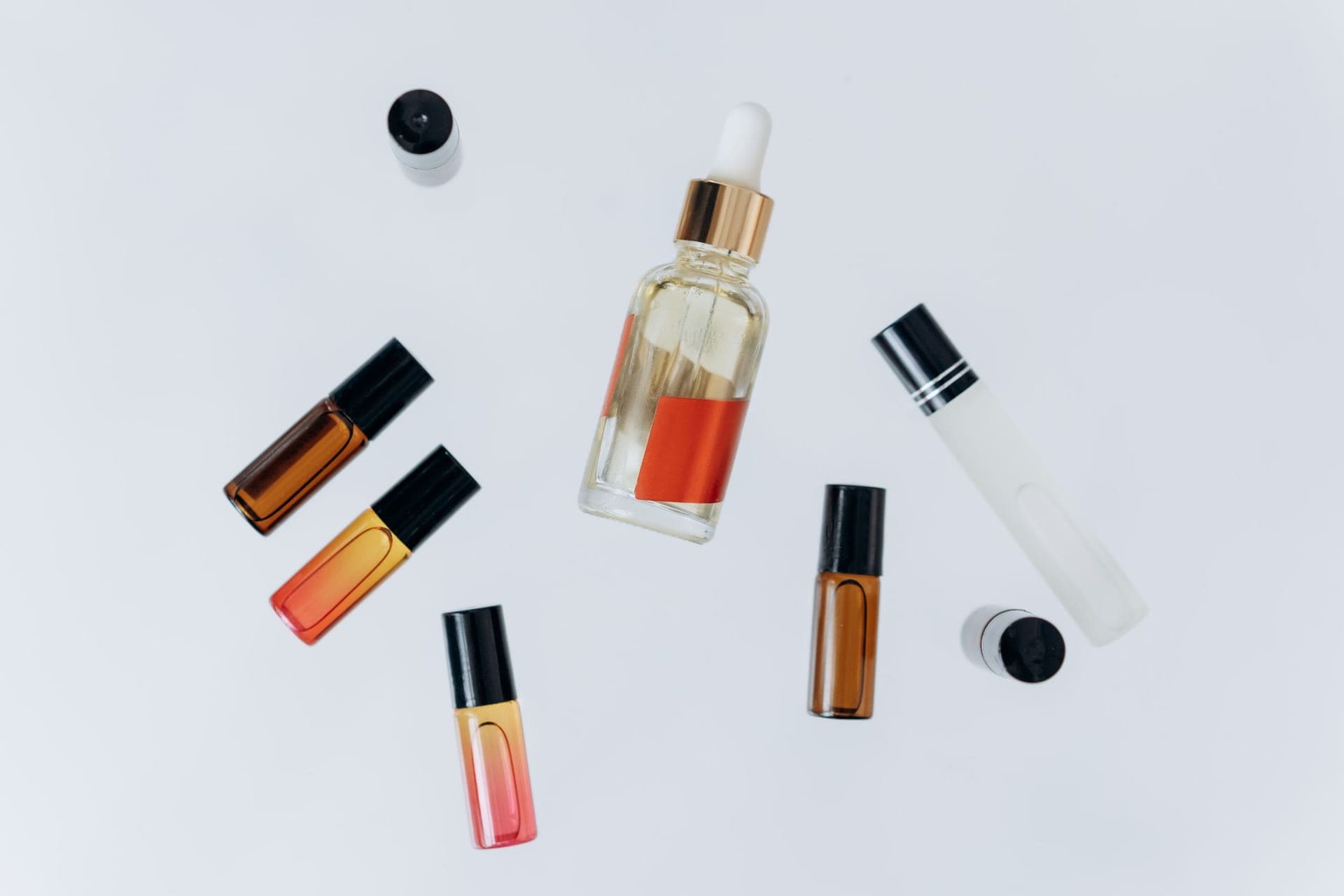
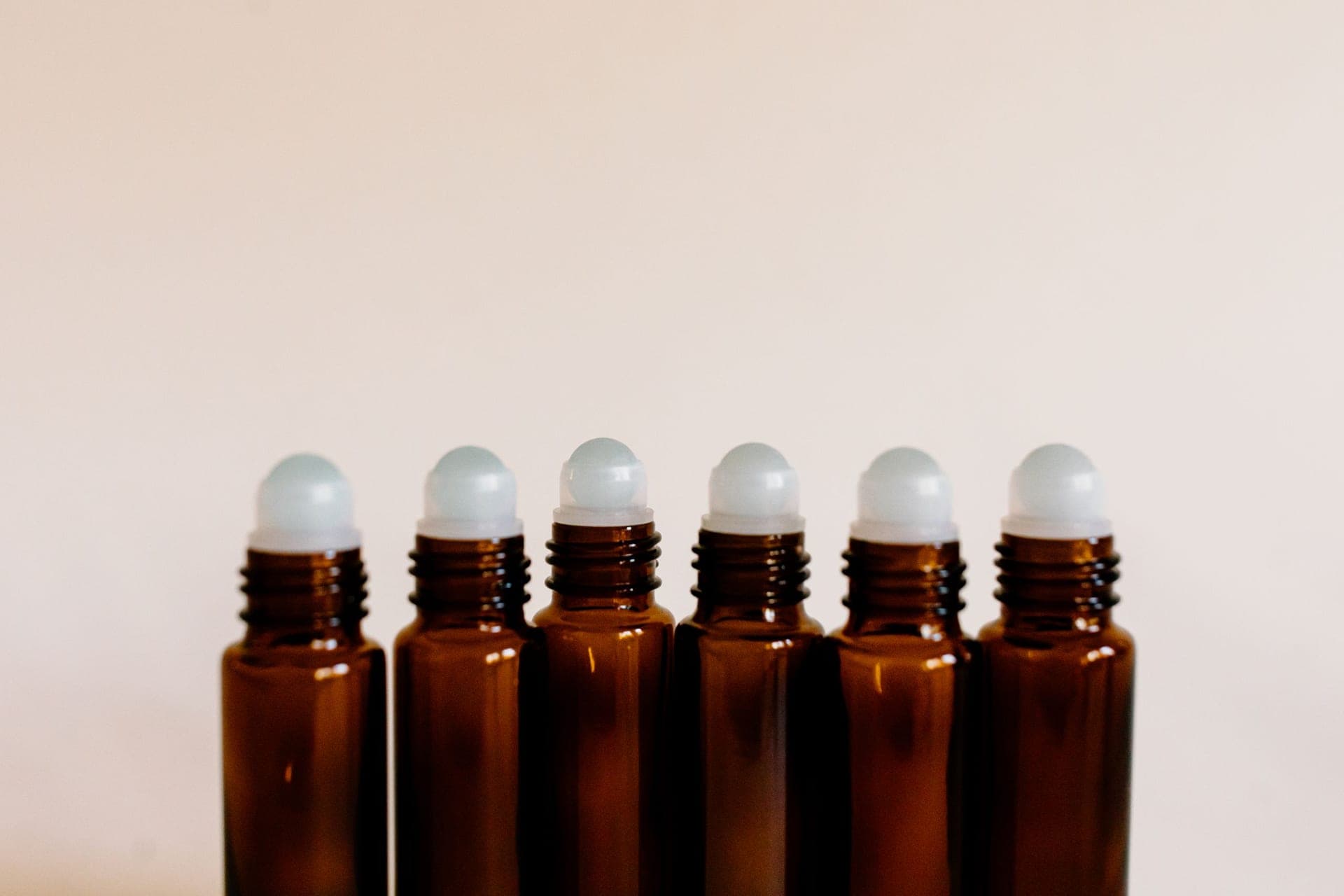
To make a simple roll-on, fill a 10 ml glass roller bottle almost to the top with jojoba, add 4 to 6 drops of a skin-safe essential oil or blend, cap it, and roll it between your palms to mix. That's it. Lavender, sweet orange, and cedarwood are easy, well-loved starters. For scent ideas and safe picks, see our roundup of the best essential oils for soap making, most of which work beautifully in a jojoba roll-on too.
One more reason jojoba wins here: essential oils don't really spoil, but the carrier oil around them can, and a rancid carrier ruins the whole blend. Jojoba's stability sidesteps that problem. If you're curious how long your scents keep, we cover it in do essential oils expire.
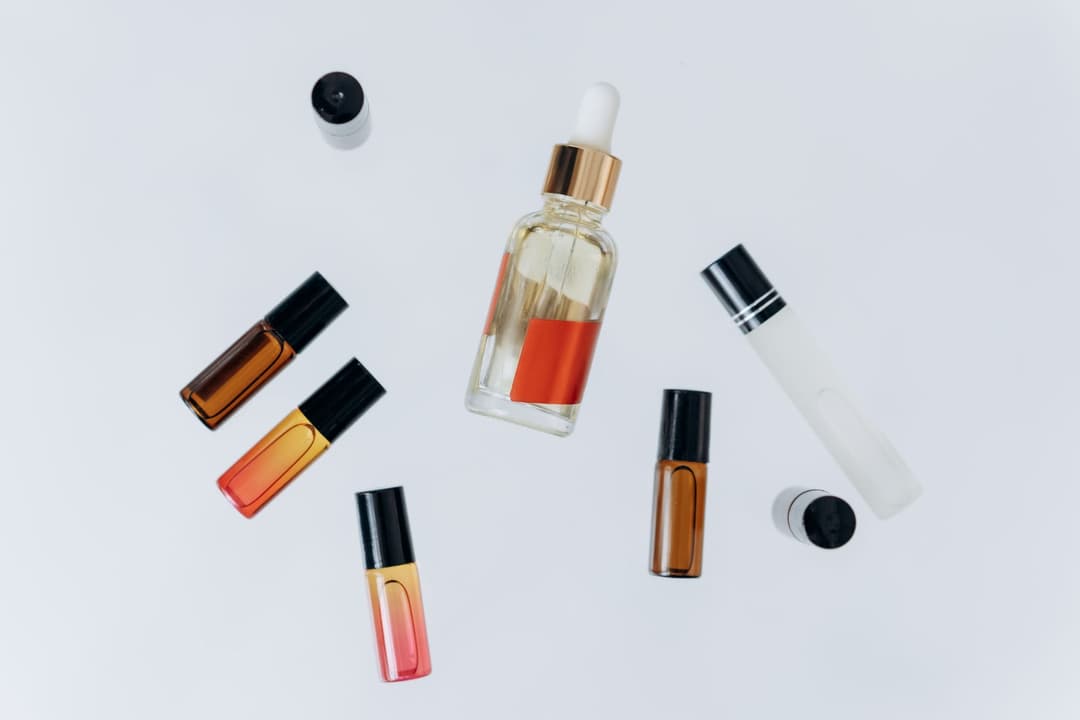
Golden vs Clear Jojoba Oil
At the store you'll see two versions, and the difference is simple:
- Golden jojoba oil is cold-pressed and unrefined. It keeps a golden color, a faint nutty scent, and more of its natural vitamin E and antioxidants. It's the pick when you want the most skin benefit, and it's ideal for serums and balms where a whisper of natural color is fine.
- Clear (refined) jojoba oil has been filtered and deodorized, so it's colorless and odorless. Choose it when you don't want any color or scent affecting your product, such as a delicate white lotion or a soap where you're controlling color carefully.
Both work in soap and skincare, and both share jojoba's long shelf life. For most home soap makers and skincare crafters, golden jojoba gives you a little more for your money since you keep the natural nutrients. Use clear when a neutral base matters more than those extras.
Substitutes for Jojoba Oil
Jojoba is a bit of a one-of-a-kind ingredient because nothing else is a liquid wax quite like it. That said, if you're out or looking to save money, a few oils cover parts of the job:
- Meadowfoam seed oil is the closest match. It's also highly stable and light on the skin, and it behaves similarly as a carrier and a superfat.
- Fractionated coconut oil is a cheap, ultra-stable, odorless carrier oil for roll-ons and massage blends. It doesn't feed skin the way jojoba does, but it won't go rancid.
- Sweet almond or grapeseed oil work as everyday carrier oils, though they're less shelf-stable, so make smaller batches and use them up faster.
Remember that swapping oils in a soap recipe changes the SAP value and the lye you need, so recalculate every time rather than trading ounce for ounce. Our guide to substituting oils in soap recipes walks through the safe way to do it.
Tips for Buying and Storing Jojoba Oil
A few working notes to get the most out of your bottle:
- Buy 100 percent pure jojoba. Check the label for the botanical name, Simmondsia chinensis, and avoid blends cut with cheaper filler oils if you want the real benefits.
- Store it cool and dark. Jojoba is famously stable, but heat and light still age any oil over time. A cupboard away from the stove is plenty.
- It lasts for years. Unlike most carrier oils, jojoba can keep for two years or more when stored well, which is part of why it's such a reliable base.
- A little goes a long way. Because it's pricey and used at low percentages, a modest bottle stretches across a lot of batches and blends.
- Golden may tint pale products. If you're making something you want snow-white, reach for clear refined jojoba instead.
💬 Frequently Asked Questions
Is jojoba oil a carrier oil?
Yes. Jojoba is one of the best carrier oils for diluting essential oils before you put them on skin. It's light, absorbs quickly, and barely goes rancid, so blends stay fresh far longer than ones made with grapeseed or sunflower oil. Dilute essential oils to about 2 to 3 percent for body products.
How much jojoba oil should I use in soap?
Keep jojoba to roughly 1 to 8 percent of your total oils, or add it at trace as part of your superfat. It's a wax ester rather than a true oil, so higher amounts can soften the bar and reduce lather. It's also expensive, which is why most makers use it as a small luxury touch.
Does jojoba oil go bad?
Rarely, and slowly. Because jojoba is a liquid wax ester rather than a triglyceride, it resists oxidation and can stay good for two years or more when stored cool and dark. That stability is a big reason it's prized as both a carrier oil and a lip balm and lotion bar ingredient.
Is jojoba oil good for your face?
For most skin types, yes. Jojoba closely mimics your skin's natural sebum and rates low on the comedogenic scale, around a 2 out of 5, so it's a popular choice for facial oils even on oily or acne-prone skin. Do a patch test first, as with any new skincare ingredient.
What is the difference between golden and clear jojoba oil?
Golden jojoba is unrefined, with a faint nutty scent, natural color, and more vitamin E. Clear jojoba is refined, so it's colorless and odorless. Golden gives you more skin nutrients, while clear is better when you need a neutral base that won't affect your product's color or scent.
Put Jojoba Oil to Work
Jojoba oil is the rare ingredient that pulls double duty: a silky, stable superfat in your soap and a long-lasting carrier for your essential oil blends. Use it in the 1 to 8 percent range in soap, dilute your essential oils into it at 2 to 3 percent for roll-ons, and reach for golden jojoba when you want the full skin benefit. When you're ready to build a recipe that includes it, run every oil through the free Soaply soap calculator so your lye, water, and superfat come out right every time.
Ready to Try It?
Use our free soap calculator to create your perfect recipe with real-time property predictions.
Open Calculator