How to Make Hair Perfume Oil (A Scent That Won't Dry Your Hair)
How to make hair perfume oil at home with lightweight carrier oils and the right dilution. The oils to use, how much scent to add, and how to apply it.
This article contains Amazon links. As an Amazon Associate, Soaply earns from qualifying purchases at no extra cost to you.
Hair perfume oil is fragrance diluted in a light carrier oil and smoothed through your mid-lengths and ends so your hair smells good all day without the alcohol that dries it out. You can mix a bottle in five minutes. Pour a lightweight oil like jojoba or fractionated coconut into a dropper bottle, add a small amount of scent, and you have a leave-in that perfumes your hair, tames a little frizz, and leaves no greasy film if you use it right.
The catch is restraint. Your hair sits right under your nose and frames your whole face, so a hair perfume oil needs far less fragrance than a perfume you'd dab on your wrist, and far less oil than you think. Too much scent and you'll tire of it by noon. Too much oil and your roots look wet. This guide covers the carrier oils that stay light, how much fragrance to add, a simple recipe, and how to apply it so it reads as clean hair, not oiled hair. You can size any blend in the Soaply perfume oil calculator.
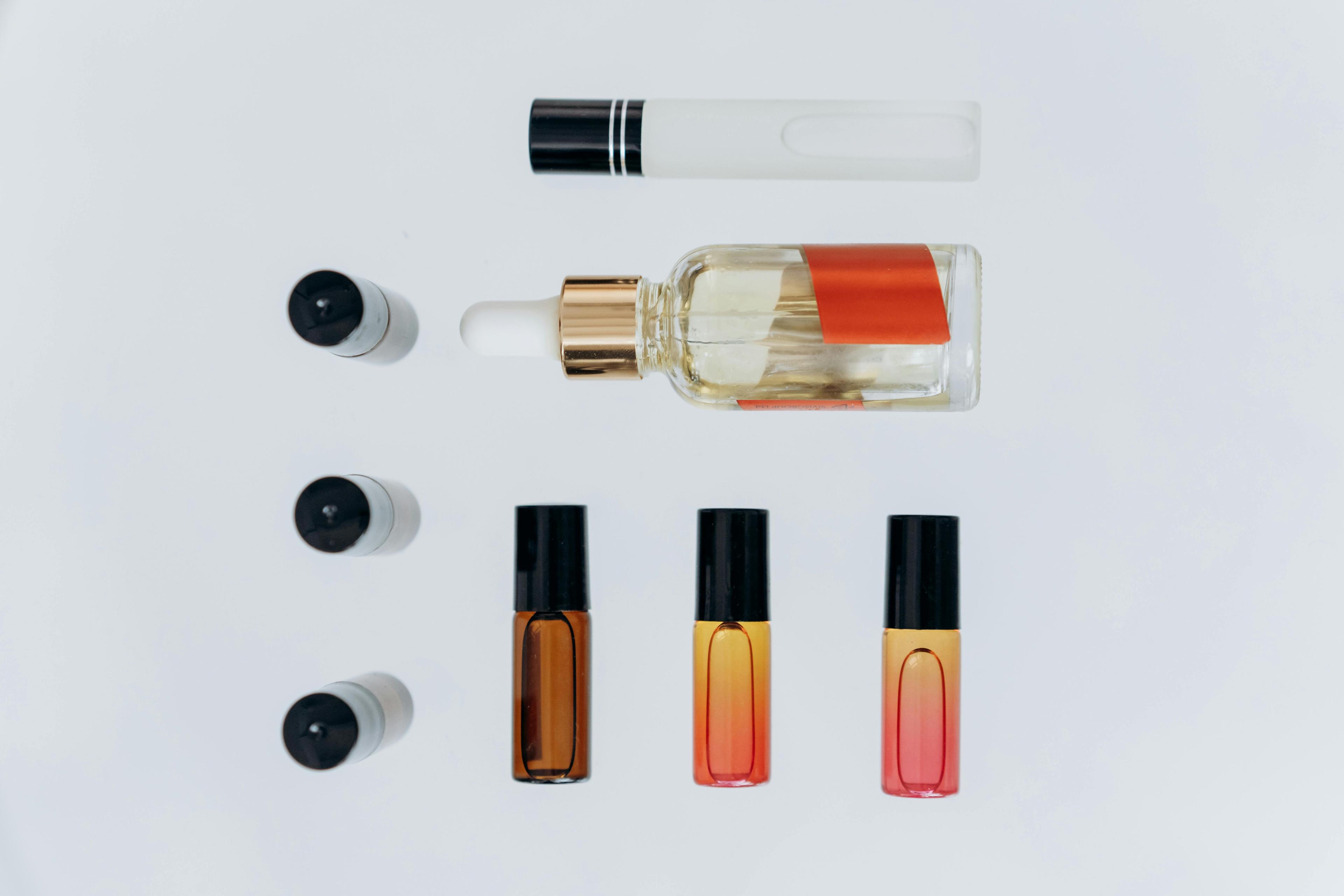
Quick pick: The two things worth buying are a set of dark glass dropper bottles so light doesn't fade the scent, and a bottle of jojoba oil for a carrier that stays light and keeps for years.
- What Hair Perfume Oil Is
- Why Not Just Spray Perfume on Your Hair
- The Best Carrier Oils for Hair
- How Much Fragrance to Use
- Essential Oil or Fragrance Oil
- A Simple Hair Perfume Oil Recipe
- How to Apply It Without Greasy Roots
- How Long the Scent Lasts
- Storage and Shelf Life
- Why Your Hair Perfume Oil Went Wrong
What Hair Perfume Oil Is
A hair perfume oil is a scent carried in a light oil instead of alcohol, made to go on your hair rather than your skin. It does two small jobs at once. It leaves a soft, lasting smell in your hair, and the oil itself smooths flyaways and adds a little shine on the ends. People reach for it because hair holds onto scent beautifully. A wrist perfume fades as it warms on your skin, but a trace of fragrance combed into your hair drifts up every time you move.
It's close cousin to a skin perfume oil, and the mixing is nearly identical. The difference is in the dose and the carrier. Hair perfume oil runs lighter on scent and leans harder on carriers that won't sit heavy, because nobody wants slick-looking roots in exchange for a nice smell.
Why Not Just Spray Perfume on Your Hair
You can, but most perfumes are mostly alcohol, and alcohol is drying. Spritz a standard eau de parfum on your hair often enough and you can leave the strands brittle, dull, and more prone to breakage, which hits color-treated and curly hair hardest because those are already thirstier to begin with. The alcohol flashes off fast too, so the scent that felt strong at 8am is gone by lunch.
An oil-based version fixes both problems. There's no drying alcohol, the carrier conditions the hair a touch instead of stripping it, and the oil slows how fast the fragrance evaporates so it lingers. That trade is the whole reason to make this instead of borrowing your spray perfume. If you want the quick spritz format, a water-and-witch-hazel hair mist is gentler than neat perfume, but it won't hold scent as long as an oil and it needs a good shake before every use.
The Best Carrier Oils for Hair
The carrier decides whether this reads as perfumed hair or oily hair. You want an oil that stays liquid, sinks in fast, and barely smells on its own. A few work well:
- Jojoba oil is the top pick. It's technically a liquid wax, so it's close to your scalp's own sebum, it absorbs without a heavy film, and it resists going rancid for years. If you buy one carrier, buy this.
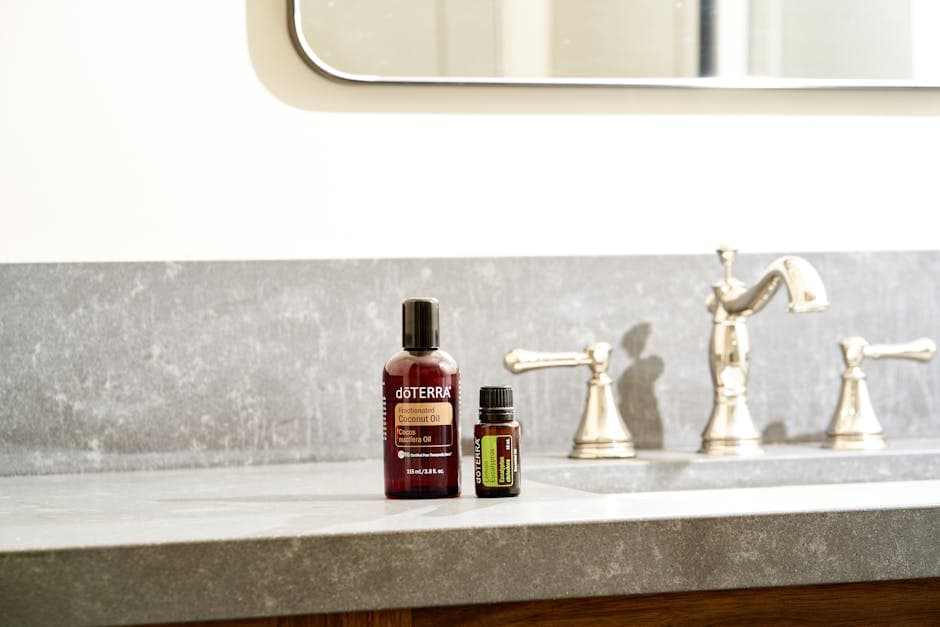
- Fractionated coconut oil is nearly weightless and completely odorless, and unlike regular coconut oil it stays liquid at room temperature so it never turns solid in the bottle.
- Argan oil adds real shine and helps with frizz thanks to its vitamin E content, which makes it a nice small addition even if you don't want it as the whole base.
- Grapeseed oil is the lightest and fastest-absorbing of the bunch, a good choice for fine hair that goes limp easily.
- Sweet almond oil sits a little richer, which suits thick, dry, or coarse hair that can take more conditioning.
Skip the heavy, strong-smelling, or solid oils. Unrefined coconut hardens and carries its own scent, olive oil feels greasy and heavy, and castor oil is far too thick to use on its own. Castor is fine as a few drops for shine, but it'll weigh hair down as a main carrier.
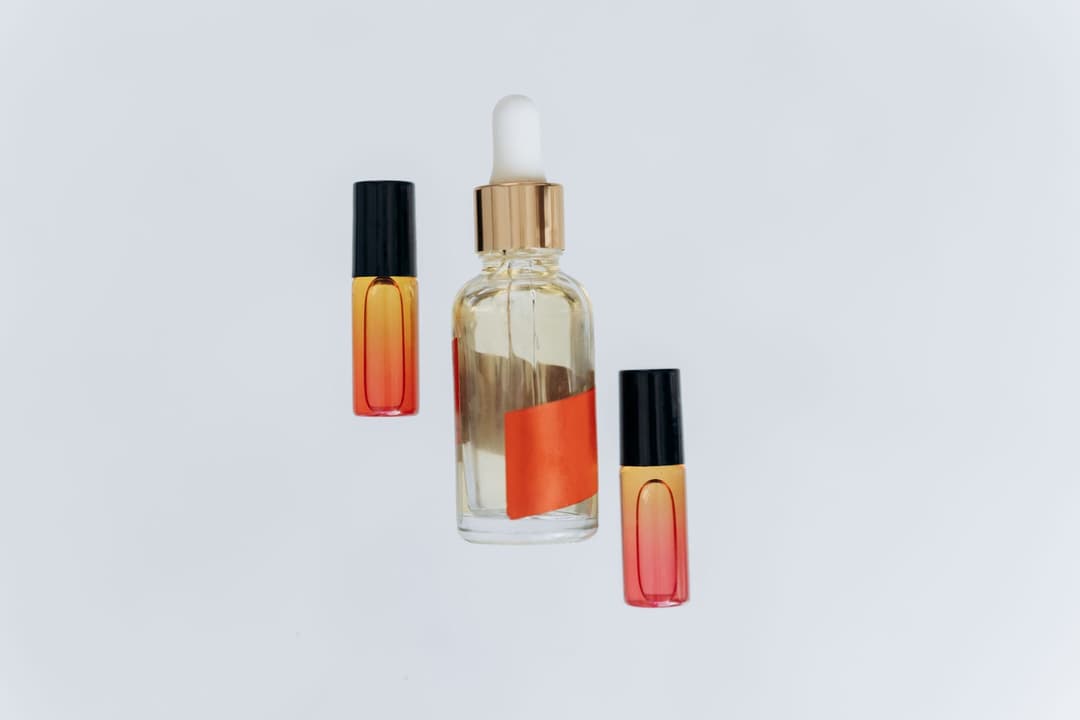
How Much Fragrance to Use
This is where most homemade hair oils go wrong. A hair perfume oil needs much less scent than a perfume oil for skin. You apply it over a large surface right beside your face, and you smell it all day, so a dilution that feels perfect on your wrist is overwhelming in your hair.
Aim for about 1 percent fragrance, and treat 2 percent as the ceiling. In a 30 mL (1 oz) bottle that's roughly 6 drops of fragrance for 1 percent and about 12 drops for 2 percent, figuring around 20 drops to a milliliter. Start low. You can always add a drop or two to the next batch, but you can't pull scent back out of an oil you've already mixed.
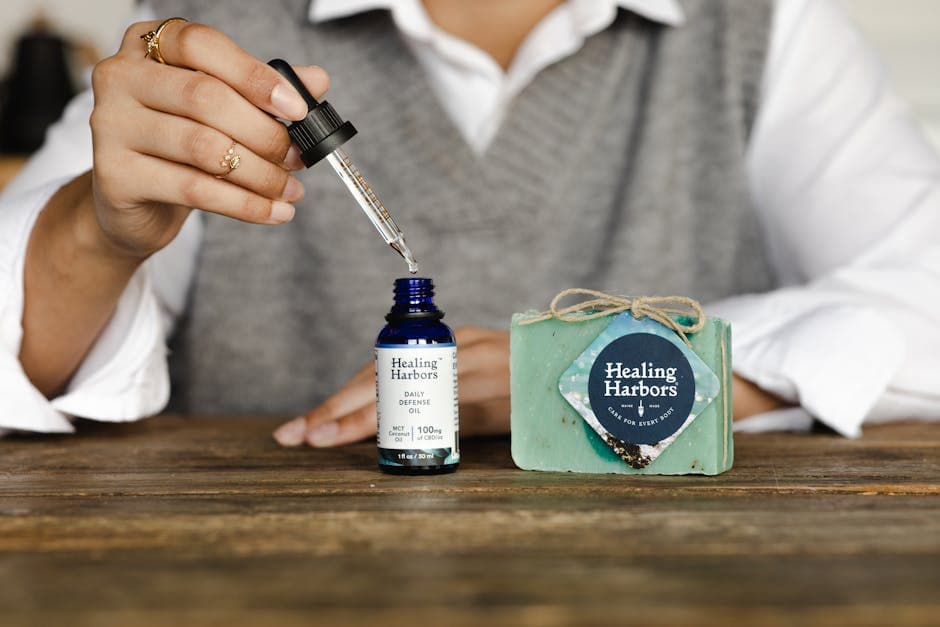
A couple of safety notes matter more than the exact number. Never put undiluted essential oil on your hair or scalp. And go easy on citrus oils like bergamot, lemon, and lime, because several are phototoxic, meaning they can make skin burn faster in sunlight, and a hair oil ends up on the skin around your hairline and neck. Patch test any new blend on your inner arm first and wait a day. If you'd rather set the strength by weight than count drops, the Soaply perfume oil calculator works out the carrier and fragrance amounts for any dilution you type in.
Essential Oil or Fragrance Oil
Both work in hair. Essential oils are the natural route and bring their own small benefits, rosemary and peppermint are longtime favorites for the scalp, but the scent choices are limited and some fade fast. A skin-safe fragrance oil opens up the whole range of perfume-style scents, from vanilla to a clean musk to a boutique dupe, and tends to hold longer. Neither is better across the board, it depends on the smell you're after. Our guide to essential oils versus fragrance oils breaks down the trade-offs if you're not sure which to reach for.
Whatever you pick, lean on base notes for a scent that stays. Vanilla, sandalwood, musk, and amber cling to the hair and keep drifting up hours later, while a bright citrus or a thin floral flashes off quickly. The same blending logic from our perfume oil guide applies here, just at a lighter dose.
A Simple Hair Perfume Oil Recipe
This fills one 30 mL (1 oz) dark glass dropper bottle at about 1 percent, light enough for daily use.
- Jojoba oil: 15 mL
- Fractionated coconut oil: 13 mL
- Argan oil: 2 mL (optional, for shine)
- Fragrance or essential oil: 6 to 8 drops
Pour the carrier oils into the bottle, add the fragrance, cap it, and roll it between your palms for a few seconds to blend. Let it rest somewhere dark for a day so the scent settles into the oil and smooths out. That's the whole thing. Keep this as your master recipe and change one element at a time, swap grapeseed for the fractionated coconut if your hair is fine, or bump the fragrance to 10 drops if the first batch is too faint for you.
How to Apply It Without Greasy Roots
Less is the entire trick. Put one or two drops in your palm, rub your hands together to warm and spread the oil into a thin film, then scrunch or smooth it through the bottom half of your hair. Keep it off your roots and scalp. The ends are driest and hold scent without looking wet, while oil at the roots is what makes hair look greasy an hour later.
You can use it on damp hair after a shower or on dry hair as a midday refresh. On damp hair it absorbs more and conditions a little more; on dry hair the scent reads stronger. Run your fingers or a comb through to spread it evenly, and if your hands still feel slick afterward, smooth the extra over the lengths rather than adding water. One honest caution: the Cleveland Clinic advises against putting oil on a flaky, dandruff-prone scalp, since it can feed the yeast behind the flaking. Keep this on your lengths, not your scalp, and that's a non-issue.
How Long the Scent Lasts
An oil holds fragrance longer than an alcohol spray because it evaporates slowly, so a well-made hair perfume oil can stay noticeable for most of the day, especially on longer hair. Base notes stretch it furthest. A vanilla or sandalwood blend will still be there in the afternoon when a pure citrus would be long gone. Hair also traps scent in a way skin doesn't, which is why a light oil can outlast a stronger wrist perfume.
If your scent fades faster than you'd like, the fix is usually a heavier base note rather than more fragrance overall. The same fixative idea that makes a soap scent stick around is covered in our notes on making a scent last longer, and it carries straight over to hair.
Storage and Shelf Life
Store the bottle in a cool, dark spot, and use dark glass rather than clear or plastic. Light fades fragrance and can degrade the oil, and essential oils slowly eat at cheap plastic. How long the blend keeps comes down to the carrier. Jojoba and fractionated coconut last a year or more, while lighter oils like grapeseed turn sooner, in six to twelve months. A few drops of vitamin E oil in the bottle slows the oil going rancid. If the oil ever smells sour or off under the fragrance, that's the carrier spoiling, and it's time to toss the batch and mix fresh. For more on why scents weaken over time, see do essential oils expire.
Why Your Hair Perfume Oil Went Wrong
My hair looks greasy. You used too much, or applied it too high. Drop to one or two drops, warm it between your palms first, and keep it on the lengths and ends only.
The scent is overpowering. Too much fragrance for a product that lives under your nose. Cut a fresh batch at 1 percent or lower. Hair amplifies scent more than skin does.
It disappears in an hour. Your blend is all top notes. Add a base note like vanilla, sandalwood, or a musky fragrance oil to anchor it.
It feels heavy and won't absorb. The carrier is too rich for your hair type. Move to grapeseed or fractionated coconut, and save sweet almond for thick or coarse hair.
My scalp got itchy or flaky. You're applying too close to the roots. Keep the oil on your lengths, and if you have a dandruff-prone scalp, leave the scalp out of it entirely.
💬 Frequently Asked Questions
Can you put perfume oil in your hair?
Yes, a perfume oil made with a light carrier like jojoba or fractionated coconut is safe for hair and actually suits it better than spray perfume, since there's no drying alcohol. Keep the dilution low, around 1 percent, and apply it to the mid-lengths and ends rather than the scalp.
Does hair perfume oil damage your hair?
No, an oil-based hair perfume is gentle and can even smooth and condition the ends. The thing that damages hair is the alcohol in most spray perfumes, which dries the strands and can leave them brittle over time. An oil avoids that entirely.
What oil makes your hair smell good the longest?
Jojoba and fractionated coconut carry scent well and keep for a long time without turning. For the fragrance itself, base notes like vanilla, sandalwood, musk, and amber last the longest in hair, while citrus and light florals fade fast.
How do you apply hair perfume oil?
Put one or two drops in your palm, rub your hands together, and smooth it through the bottom half of your hair, keeping it off the roots. Use it on damp hair after washing or on dry hair as a refresh. More than a couple of drops will look greasy.
Can you use hair perfume oil on your scalp?
It's best kept to the lengths. Oil on the scalp can look greasy and, on a dandruff-prone scalp, can feed the yeast behind the flaking. If you want a scalp treatment, that's a different product; a hair perfume oil belongs on the hair itself.
Mix Your First Bottle
A hair perfume oil is about the easiest scented product you can make, and the only number that really matters is the dilution. Start light, keep it off your roots, and lean on base notes if you want it to last. When you're ready to resize a batch or dial in the exact strength, run it through the Soaply perfume oil calculator, which sets the carrier and fragrance amounts for any bottle size and dilution. Want the skin version too? Our perfume oil guide covers roll-ons and note blending in more depth.
Ready to Try It?
Use the free Soaply perfume oil calculator to size your batch and get every ingredient in grams and percent.
Open Calculator