How to Use Dried Flowers in Soap (Without Them Turning Brown)
Learn how to add dried flowers to cold process soap. Discover which flowers keep their color, 4 methods for adding botanicals, and tips to avoid ugly brown spots.
This article contains Amazon links. As an Amazon Associate, Soaply earns from qualifying purchases at no extra cost to you.
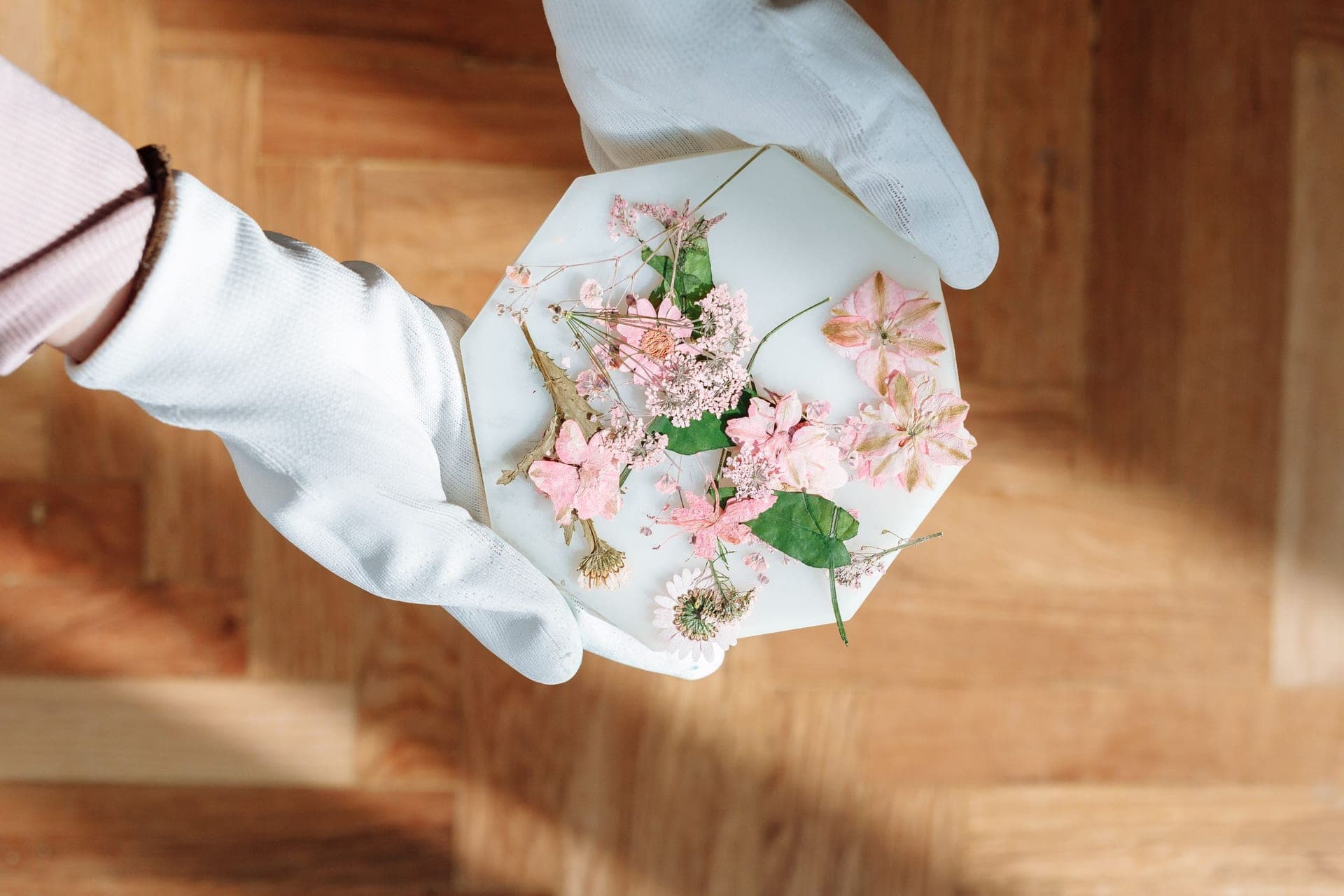
Dried flowers on handmade soap look stunning. They catch the eye at craft fairs, photograph beautifully for your online shop, and make customers feel like they're buying something special. There's just one problem: most dried flowers turn brown and ugly in cold process soap.
- Why Do Flowers Turn Brown in Soap?
- Flowers That Keep Their Color
- Flowers That Always Turn Brown
- Four Methods for Adding Botanicals
- How to Top Your Soap with Dried Flowers
- Infusing Oils with Herbs and Flowers
- Botanical Soap Recipe
- Shelf Life and Storage Tips
- Selling Botanical Soap
- Frequently Asked Questions
Why Do Flowers Turn Brown in Soap?
Cold process soap has a high pH (around 9-10), and the saponification process generates heat. Both of those things destroy the plant pigments that give flowers their color. The pH breaks down anthocyanins (the compounds behind reds, purples, and blues), while heat accelerates the browning.
This is why a gorgeous handful of dried rose petals turns into sad brown specks within days of being added to cold process soap. It's not your fault and it's not a technique problem. It's chemistry.
The good news? Some flowers resist this browning, and there are smart ways to use botanicals that work around the problem entirely.
Flowers That Keep Their Color
These are the reliable ones. If you want color that lasts in cold process soap, stick to this list:
Calendula Petals (The Gold Standard)
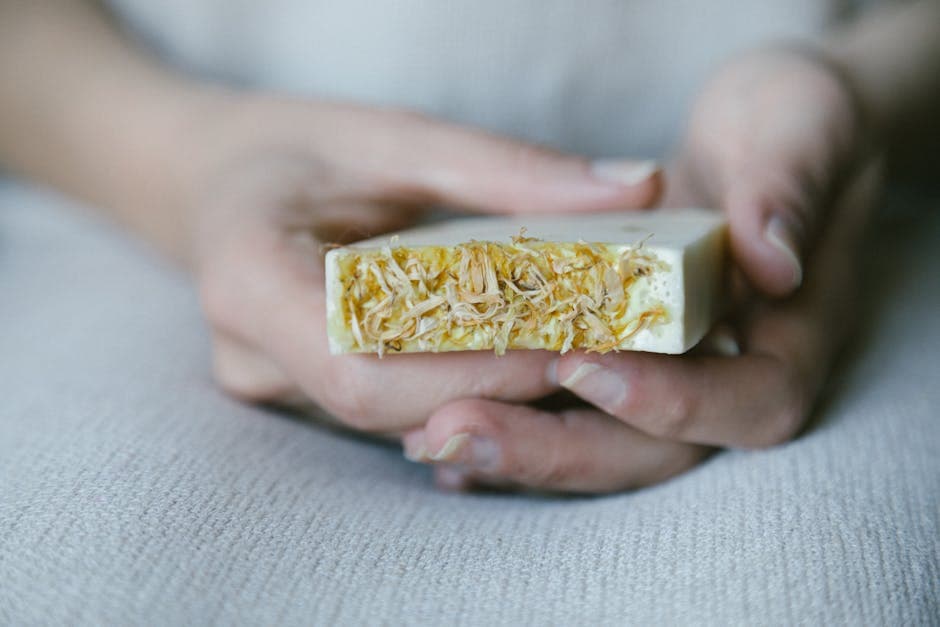
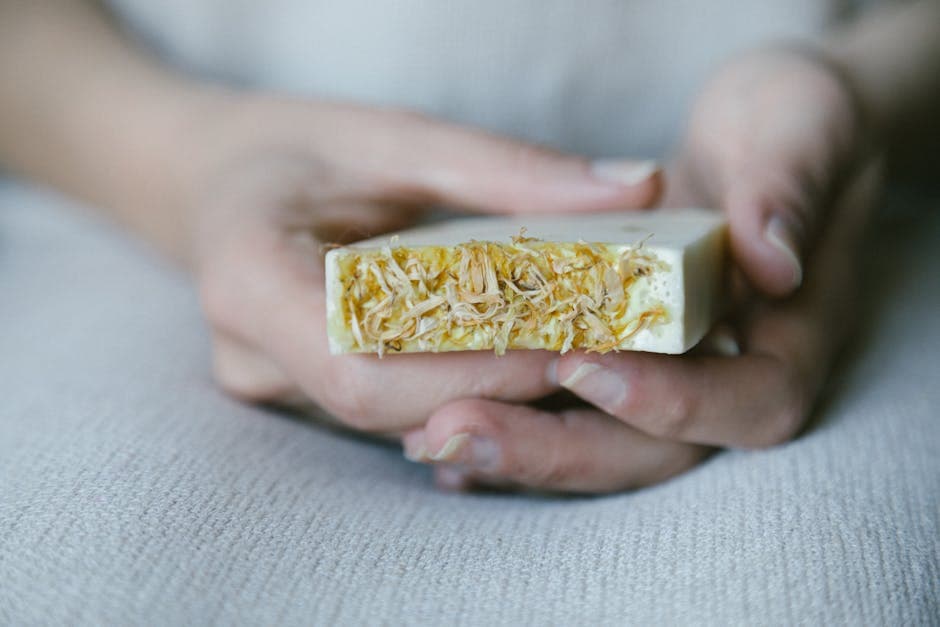
Calendula is the single best flower for cold process soap. The bright yellow-orange petals keep their color for months, sometimes over a year. They look beautiful scattered on top of bars or mixed into the batter.
Usage: 1-2 tablespoons per pound of oils (on top or mixed in)
Color retention: Excellent
Bonus: Calendula has anti-inflammatory properties and is gentle on skin
Chamomile Flowers
Dried chamomile buds hold up reasonably well in soap. They won't stay bright white, but they keep a pleasant golden-tan color rather than turning dark brown.
Usage: Whole buds on top, or ground into batter
Color retention: Good (turns golden, not brown)
Cornflower (Bachelor's Button) Petals
Blue cornflower petals keep their color better than almost any other blue flower. They'll eventually fade to a muted blue-gray, but they don't turn brown like most botanicals.
Usage: Sprinkle on top at trace; don't mix into batter
Color retention: Moderate (fades over weeks but stays blue-ish)
Jasmine Buds
Dried jasmine buds hold their shape and color well on the surface of soap. They dry to a yellow-tan that looks intentional and pretty.
Usage: Press into the top of bars at trace
Color retention: Good
Heather Flowers
Small, purple heather blooms retain their color surprisingly well in cold process soap, especially when placed on top rather than mixed in.
Usage: Sprinkle on top
Color retention: Good
Flowers That Always Turn Brown
Save yourself the disappointment. These flowers look terrible in cold process soap no matter what you do:
| Flower | What Happens |
| -------- | ------------- |
| Rose petals | Turn dark brown/black within days |
| Lavender buds | Turn brown-gray, look like mouse droppings |
| Hibiscus | Turns dark brown, bleeds murky color |
| Violets | Completely lose purple color |
| Sunflower petals | Brown and mushy |
| Lilac | Turns brown immediately |
| Peony | Brown, unrecognizable |
The lavender exception: Lavender buds are the #1 offender because they're so popular. Soap makers keep trying, and they keep getting ugly brown specks. If you want lavender-scented soap, use lavender essential oil for the scent and skip the buds entirely (or use them for decoration on melt-and-pour soap only).
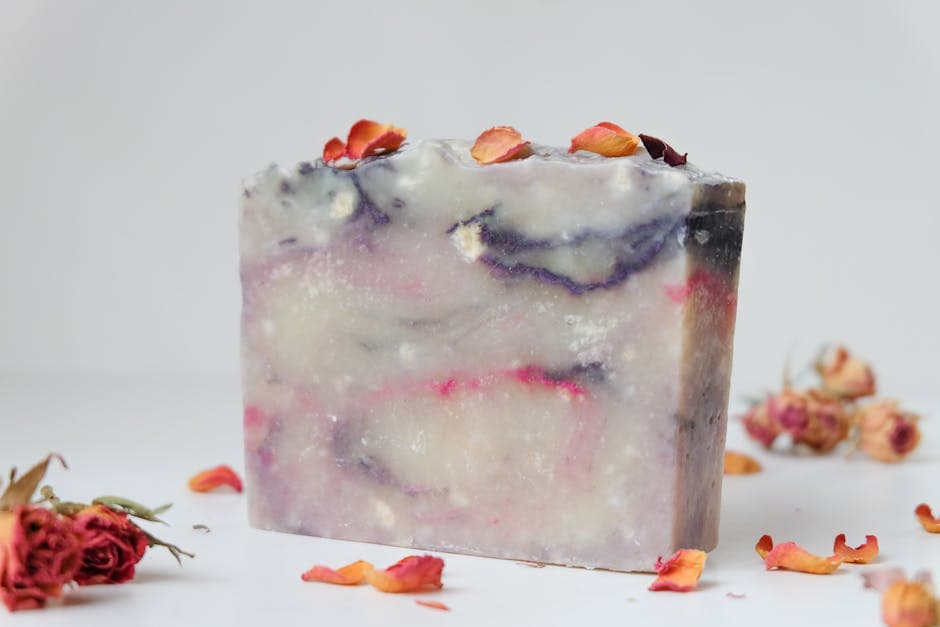
The rose exception: If you're determined to use rose petals, place them ONLY on top of the bar and accept that they'll turn brown over time. Some soap makers like the rustic, antique look of browned rose petals against a light soap. It's an aesthetic choice, not a mistake.
Four Methods for Adding Botanicals
Method 1: Top Decoration (Easiest, Most Reliable)
Sprinkle dried flowers on top of your soap right after pouring into the mold. Gently press them into the surface so they stick.
Best for: Calendula, cornflower, chamomile, jasmine
Pros: Flowers stay visible, easy to do, minimal browning since they're on the surface
Cons: Flowers can fall off during use, only decorates one side
Tips:
- Press flowers in firmly at medium trace (not too thin or they'll sink)
- Spray the top with rubbing alcohol to help them adhere
- Less is more; a sparse scattering looks better than a thick layer
Method 2: Mixed Into Batter
Stir ground or whole dried flowers directly into the soap batter at trace.
Best for: Calendula (ground or whole petals), ground oatmeal, dried herbs
Pros: Flowers throughout every bar, adds gentle exfoliation
Cons: Most flowers turn brown inside the batter, can create dark speckles
Tips:
- Only use flowers from the "keeps color" list above
- Grind larger petals in a coffee grinder for even distribution
- Add at light trace and stir gently (don't over-blend or you'll pulverize them)
Method 3: Herbal Oil Infusion
Infuse your soap-making oils with dried herbs or flowers before making soap. This extracts color and beneficial compounds without adding actual plant matter to the bar.
Best for: Calendula (golden color), madder root (pink), annatto seeds (orange), chamomile (light yellow)
Pros: Even color throughout the bar, no texture changes, no browning risk
Cons: Subtle colors (not vivid), requires advance preparation
How to infuse:
- Fill a clean jar halfway with dried botanicals
- Cover completely with your chosen soap oil (olive oil works great)
- Quick method: Heat in a slow cooker on low for 2-4 hours
- Slow method: Store in a warm, dark spot for 4-6 weeks, shaking daily
- Strain through cheesecloth
- Use the infused oil in your soap recipe
Method 4: Botanical Tea as Lye Liquid
Replace some or all of the water in your lye solution with a strong herbal tea.
Best for: Chamomile tea (golden bars), green tea (subtle green), rooibos (warm tan), coffee (brown speckled)
Pros: Adds properties throughout the bar, no texture issues
Cons: Colors are subtle and may darken with lye, tea should be cooled completely
Tips:
- Brew the tea double-strength and let it cool completely before adding lye
- Freeze the tea into cubes (just like milk soap) for better temperature control
- Strain the tea well; floating bits can cause problems in the lye solution
How to Top Your Soap with Dried Flowers
Here's the step-by-step for the most popular method:
Step 1: Prepare Your Flowers
Buy or dry your botanicals ahead of time. Make sure they're completely dry (any moisture encourages mold). Store in airtight containers away from light.
Step 2: Make Your Soap
Follow your regular cold process soap recipe. Pour into your mold at medium trace.
Step 3: Smooth the Top
Use a spatula to create a flat or gently textured top surface.
Step 4: Apply Flowers
Within 5-10 minutes of pouring (while the top is still soft), sprinkle your dried flowers over the surface. Gently press each one into the soap with your gloved finger or the back of a spoon.
Step 5: Spray with Alcohol
Lightly mist the top with 91% isopropyl alcohol. This helps prevent soda ash and can help flowers adhere.
Step 6: Don't Insulate
For botanical-topped soaps, skip the towel insulation. Lower temperatures help preserve flower color. You can even put the mold in the fridge for 24 hours if you want maximum color preservation.
Infusing Oils with Herbs and Flowers
Oil infusion is the secret weapon of experienced botanical soap makers. You get the benefits and color of plants without any browning, speckling, or texture issues.
Best Botanicals for Oil Infusion
| Botanical | Oil Color Result | Best Oil to Use |
| ----------- | ----------------- | ----------------- |
| Calendula petals | Golden yellow | Olive oil |
| Madder root | Pink to red | Olive oil |
| Annatto seeds | Deep orange | Olive or coconut oil |
| Alkanet root | Purple-blue | Olive oil |
| Chamomile flowers | Pale yellow | Olive or sweet almond |
| Turmeric | Bright yellow | Any (stains everything!) |
| Comfrey leaf | Light green | Olive oil |
The Slow Infusion Process
- Place dried botanicals in a clean, dry mason jar (fill about 1/3 full)
- Pour oil over the botanicals until the jar is nearly full
- Cap tightly and store in a warm spot (windowsill works)
- Shake or stir daily for 4-6 weeks
- Strain through cheesecloth, squeezing out every drop
- Use in place of the same oil in your soap recipe
The Quick Heat Infusion
- Combine dried botanicals and oil in a slow cooker or double boiler
- Heat on the lowest setting for 2-4 hours
- Stir occasionally
- Let cool, then strain
The slow method generally produces richer color, but the quick method works when you don't want to wait a month.
Botanical Soap Recipe
Here's a tried-and-true recipe designed for botanical soap:
Calendula Garden Bar
| Oil | Percentage |
| ----- | ----------- |
| Calendula-infused Olive Oil | 40% |
| Coconut Oil | 25% |
| Shea Butter | 15% |
| Sweet Almond Oil | 10% |
| Castor Oil | 10% |
Superfat: 5% | Lye Concentration: 33%
Fragrance: Lemongrass essential oil at 4% (pairs perfectly with calendula)
Color: The infused olive oil gives the soap a natural golden hue. No additional colorants needed.
Topping: Whole dried calendula petals pressed into the top at trace.
Result: A warm golden bar with bright calendula petals on top, gentle lemongrass scent, and excellent skin-conditioning properties.
Use the Soaply calculator to get your exact lye and water amounts for this recipe.
Shelf Life and Storage Tips
Botanical soap needs a bit more care than plain soap:
During Cure
- Cure in a cool, dry, well-ventilated area (not humid)
- Keep out of direct sunlight (UV light fades flower colors)
- Allow extra airflow around botanical-topped bars
After Cure
- Store in a cool, dark place
- Wrap in tissue paper or kraft paper (not plastic wrap, which traps moisture)
- Use within 12 months for best appearance
Mold Prevention
Dried flowers can attract moisture and grow mold if conditions are wrong. Prevent this by:
- Making sure all botanicals are completely dry before using
- Not wrapping bars in plastic
- Storing in a climate-controlled space
- Keeping humidity below 60% in your storage area
If you spot mold on a bar, discard it. Don't try to cut it out; mold can penetrate deeper than what's visible.
Selling Botanical Soap
Botanical-topped soap is a bestseller at craft fairs and on Etsy. Here's why and how to maximize sales:
Photography Tips
- Photograph on natural backgrounds (wood, linen, slate)
- Show the botanical tops prominently
- Use natural lighting
- Group bars with the same type of flowers for a cohesive look
Pricing
Botanical soap commands a premium. Expect to charge $1-3 more per bar than your standard line. The visual appeal justifies it.
Labeling
List all botanicals in your ingredients. Even if they're just decoration, they're still part of the product. Some customers have plant allergies, so transparency matters. Check our labeling guide for complete requirements.
Best Sellers
In our experience, these botanical soaps sell best:
- Calendula bars with golden petals (the warm color draws people in)
- Lavender-scented bars with cornflower petals on top (the blue pops against purple-tinted soap)
- Chamomile and honey bars with chamomile buds (cozy, gentle branding)
Find craft fairs to sell your botanical soap on TheCraftMap.
Where to Buy Dried Flowers for Soap
- Dried Calendula Petals - The essential botanical for soap
- Dried Cornflower Petals - Beautiful blue accents
- Dried Chamomile Flowers - Gentle and pretty
- Dried Lavender Buds - For melt-and-pour or sachets (not CP!)
- Dried Rose Petals - For top decoration if you accept browning
💬 Frequently Asked Questions
Do dried flowers turn brown in cold process soap?
Most of them do, yes. The high pH of cold process soap destroys plant pigments. Calendula petals are the notable exception; they keep their bright yellow-orange color for months. Cornflower and chamomile also hold up reasonably well. Rose petals, lavender buds, and most purple or red flowers will turn brown.
What is the best dried flower for soap making?
Calendula petals are by far the best option. They keep their color in cold process soap, add skin-soothing properties, and look gorgeous as a top decoration. They're affordable, easy to source, and work both mixed into the batter and pressed on top.
Can you put fresh flowers in soap?
Fresh flowers contain moisture, which can cause mold inside your soap. Always use fully dried botanicals. If you want to use garden flowers, dry them completely first by hanging them upside down in a warm, dry spot for 1-2 weeks.
How do you keep lavender buds from turning brown in soap?
You really can't in cold process soap. Lavender buds turn brown-gray no matter what technique you use. For lavender-themed soap, use lavender essential oil for scent and a purple clay or ultramarine violet for color instead. Save the actual buds for melt-and-pour soap or sachets.
Do dried flowers in soap cause mold?
They can if the flowers weren't completely dry before being added, or if the soap is stored in a humid environment. Always use thoroughly dried botanicals, cure in a well-ventilated space, and avoid wrapping bars in plastic. Flowers on the surface (exposed to air) are less risky than flowers embedded inside the bar.
Ready to Try It?
Use our free soap calculator to create your perfect recipe with real-time property predictions.
Open Calculator