How to Make Aloe Vera Soap: 2 Soothing Cold Process Recipes
Learn how to make aloe vera soap with fresh gel or bottled juice. Two cold process recipes, tips for using aloe in soap, and skin benefits explained.
This article contains Amazon links. As an Amazon Associate, Soaply earns from qualifying purchases at no extra cost to you.
Aloe vera soap is one of the gentlest bars you can make at home. The plant's natural sugars boost lather, its vitamins nourish skin, and it adds a silky feel that's hard to replicate with other additives. If you've got an aloe plant on your windowsill (or a bottle of aloe juice in the fridge), you're already halfway there.
- Why Add Aloe Vera to Soap?
- Fresh Gel vs. Aloe Juice vs. Freeze-Dried Powder
- How to Prepare Fresh Aloe for Soap Making
- Recipe 1: Simple Aloe Vera Body Bar
- Recipe 2: Aloe and Cucumber Facial Bar
- Step-by-Step Instructions
- Tips for Working with Aloe in Cold Process Soap
- Frequently Asked Questions
Why Add Aloe Vera to Soap?
Aloe vera isn't just a sunburn remedy. When you add it to cold process soap, you get a few real benefits:
- Better lather. Aloe contains natural sugars (acemannan and other polysaccharides) that boost bubble production. You'll notice a creamier, more stable lather compared to a plain water batch.
- Skin-soothing properties. While saponification changes many ingredients, some of aloe's beneficial compounds survive the process. The finished bar tends to feel gentler on sensitive or irritated skin.
- Silky bar feel. Aloe adds a smooth, almost slippery quality to the bar that makes it glide nicely across skin.
- Natural sugars create warmth. Similar to adding honey or sugar to soap, aloe's sugars can cause the batter to heat up and gel faster. That's not a problem if you know to expect it.
It won't turn your soap into a miracle cure, but it genuinely improves the bar's feel and performance.
Fresh Gel vs. Aloe Juice vs. Freeze-Dried Powder
You've got three main options for getting aloe into your soap, and each one works differently.
Fresh Aloe Gel
Straight from the plant. You fillet the leaf, scoop out the gel, and blend it smooth. This gives you the highest concentration of active compounds, but it's also the trickiest to work with because the gel heats up fast when it hits lye.
Best for: Soapmakers who grow aloe or can buy fresh leaves at the grocery store.
Bottled Aloe Vera Juice
Sold at health food stores and online. Look for juice that's 99% aloe vera with minimal preservatives. It's the easiest option because you just measure it like water.
Best for: Beginners and anyone who wants consistency batch to batch.
Freeze-Dried Aloe Powder
Concentrated and shelf-stable. You reconstitute it with water or add it directly to oils at trace. A little goes a long way, usually 1-2 teaspoons per pound of oils.
Best for: Soapmakers who want a long shelf life and precise measurements.
| Form | Replaces Water? | Shelf Life | Difficulty |
| ------ | ----------------- | ------------ | ------------ |
| Fresh Gel | Partial (up to 50%) | Days (refrigerated) | Moderate |
| Bottled Juice | Full or partial | Months | Easy |
| Freeze-Dried Powder | No (add at trace) | Years | Easy |
How to Prepare Fresh Aloe for Soap Making
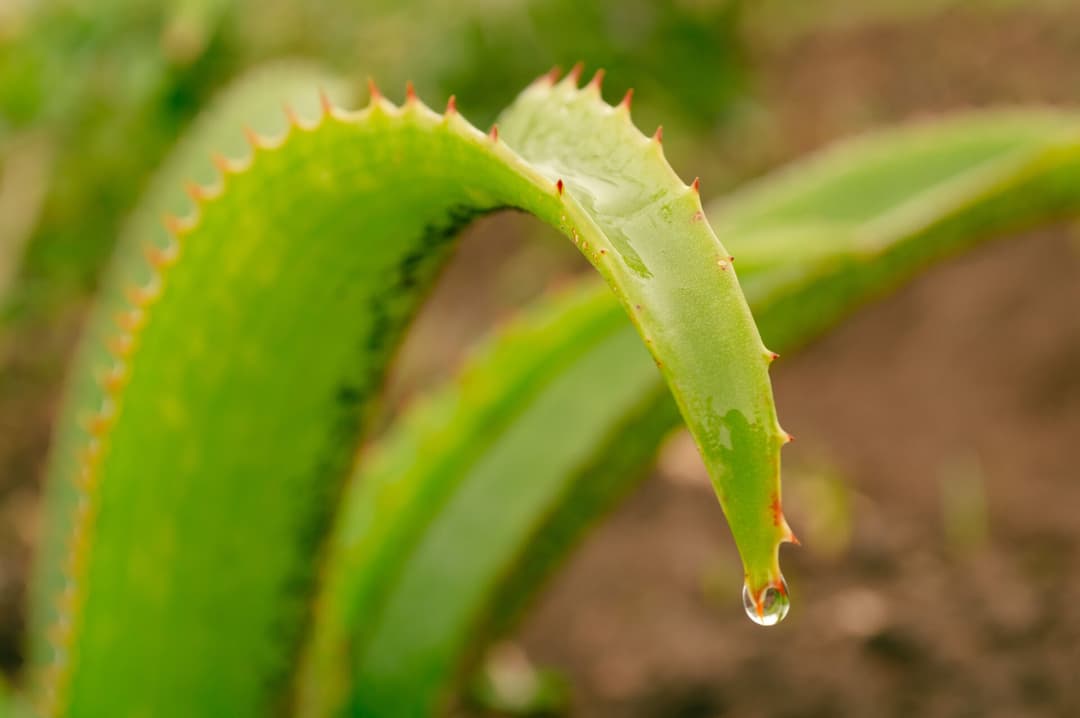
If you're using a fresh aloe leaf, here's how to prep it:
- Cut the leaf into 3-4 inch sections. Rinse off any yellow sap (called aloin) that oozes out. That yellow stuff can irritate skin and discolor your soap.
- Fillet the gel by slicing off the flat side of each section, then running your knife along the inside edge to separate the clear gel from the green skin.
- Blend until smooth using a small food processor or blender. It'll turn slightly frothy, almost like whipped egg whites. That's normal.
- Freeze in ice cube trays. This is the key trick. Frozen aloe cubes melt slowly when you add lye, which prevents the sugars from scorching and turning your soap brown. Each cube is roughly 1 oz, making it easy to measure.
You can prep a whole leaf at once and store the cubes in a freezer bag for months.
Recipe 1: Simple Aloe Vera Body Bar
This is a forgiving, all-purpose recipe that produces a creamy, moisturizing bar. Great for your first aloe soap.
| Ingredient | Percentage | For a 2 lb batch |
| ------------ | ----------- | ------------------- |
| Olive Oil | 35% | 11.2 oz |
| Coconut Oil | 25% | 8 oz |
| Shea Butter | 20% | 6.4 oz |
| Sweet Almond Oil | 10% | 3.2 oz |
| Castor Oil | 10% | 3.2 oz |
| Superfat | 5% | - |
| Lye Concentration | 33% | - |
Liquid: Replace 50% of your water with aloe vera juice (or thawed fresh aloe gel).
Optional additions:
- 1 tbsp colloidal oatmeal at trace for extra soothing
- 0.7 oz lavender essential oil per pound of oils
Plug these percentages into the Soaply lye calculator to get your exact lye and water amounts.
Recipe 2: Aloe and Cucumber Facial Bar
A gentle facial bar designed for sensitive and combination skin. Lower cleansing, higher conditioning.
| Ingredient | Percentage | For a 1 lb batch |
| ------------ | ----------- | ------------------- |
| Olive Oil | 40% | 6.4 oz |
| Avocado Oil | 20% | 3.2 oz |
| Coconut Oil | 15% | 2.4 oz |
| Mango Butter | 15% | 2.4 oz |
| Castor Oil | 10% | 1.6 oz |
| Superfat | 7% | - |
| Lye Concentration | 30% | - |
Liquid: Use 100% aloe vera juice as your full water replacement.
At trace, add:
- 2 tbsp pureed cucumber (strain seeds first)
- 1/2 tsp French green clay mixed into 1 tbsp of the batter
The higher superfat and lower coconut percentage keep this bar mild enough for daily face washing. Run the recipe through our soap calculator to double-check your lye.
Step-by-Step Instructions
These steps work for both recipes above. If you're brand new to soap making, read our beginner's guide to cold process soap first.
Step 1: Prep Your Aloe Liquid
If using frozen fresh aloe cubes, weigh them out and place them in your lye-mixing container. If using bottled juice, measure it cold from the fridge.
For Recipe 1, measure half your liquid as aloe and half as distilled water. For Recipe 2, use all aloe juice.
Step 2: Mix the Lye Solution
Slowly sprinkle your lye into the aloe liquid, stirring constantly. The mixture will heat up and may turn orange or yellow. Don't panic. That color comes from the sugars reacting with lye. It usually fades during saponification.
Tip: If you froze your aloe, the ice cubes keep temperatures low and reduce discoloration. This is why freezing is worth the extra step.
Step 3: Melt and Combine Your Oils
Weigh your solid oils (coconut oil, shea/mango butter) and melt them gently. Add your liquid oils (olive, sweet almond, avocado, castor) and stir. Let the oil blend cool to about 100-110°F.
Step 4: Combine and Blend to Trace
When both your lye solution and oils are around 100-110°F, pour the lye solution through a strainer into the oils. Use a stick blender in short bursts until you reach light trace (the consistency of thin pudding).
Step 5: Add Extras at Trace
Stir in essential oils, oatmeal, cucumber puree, or clay at this stage. Blend briefly to incorporate.
Step 6: Pour and Insulate
Pour into your soap mold and cover with a towel. Because aloe's sugars generate extra heat, keep an eye on the batch for the first few hours. If it starts to crack or volcano, uncover it and move it somewhere cooler.
Step 7: Unmold and Cure
Unmold after 24-48 hours. Cut into bars and cure on a rack with airflow for 4-6 weeks. For more on why curing matters, check out our guide on how long to cure soap.
Tips for Working with Aloe in Cold Process Soap
After making dozens of aloe batches, here's what I've learned works best:
Freeze fresh aloe before adding lye. This is the single most important tip. Frozen aloe keeps temperatures manageable and prevents the ugly brown discoloration that happens when sugars overheat.
Don't expect a green bar. Fresh aloe soap usually cures to a creamy off-white or pale yellow. The green color doesn't survive saponification. If you want green soap, add a tiny bit of chlorella powder or spirulina at trace.
Watch for overheating. Aloe sugars act like honey in soap. They accelerate gel phase and can cause the batter to get hot fast. Soap at lower temperatures (100-110°F) and don't insulate as heavily as you normally would.
Start with juice if you're new. Bottled aloe vera juice is more predictable than fresh gel. Once you're comfortable with how aloe behaves in your recipes, try fresh.
Replace no more than 50% of water with fresh gel on your first try. A full replacement works, but it's more likely to overheat or discolor. Build up to 100% as you get the feel for it.
Use a water discount. A higher lye concentration (33-35%) means less total liquid, which helps aloe soap harden faster and reduces the chance of a soft, sticky bar.
💬 Frequently Asked Questions
Does aloe vera survive the soap making process?
Some of aloe's beneficial compounds do survive saponification, though the lye changes many of them. The polysaccharides that give aloe its silky feel tend to persist, which is why aloe soap genuinely feels different from a plain batch. You won't get the same effect as applying raw aloe to skin, but your bar will be noticeably smoother and gentler.
Can I use aloe vera gel from the drugstore?
You can, but check the ingredients first. Many drugstore aloe gels contain added thickeners (like carbomer), alcohol, and artificial colors. These additives can cause unpredictable results in cold process soap. Look for products labeled 99% pure aloe vera with no added thickeners. Bottled aloe vera juice from a health food store is usually a safer bet.
Why did my aloe vera soap turn brown?
That's the sugars in aloe reacting with lye at high temperatures. It's cosmetic, not harmful. Prevent it by freezing your aloe before adding lye, soaping at cooler temperatures (100-110°F), and using a water discount. Some soapmakers embrace the warm honey-brown color, but if you want a lighter bar, the freeze method works well.
How much aloe vera should I add to soap?
For bottled juice, you can replace 50-100% of your water amount. For fresh gel, start at 50% water replacement until you're comfortable with how it behaves. For freeze-dried powder, use 1-2 teaspoons per pound of oils, added at trace. More isn't always better since too much fresh gel can make the batter overheat.
Can I add aloe to hot process or melt and pour soap?
Yes to both. For hot process soap, add aloe gel or juice after the cook is complete, right before molding. For melt and pour, stir in a tablespoon of aloe juice per pound of base after melting. The heat is lower in both methods, so you'll preserve more of aloe's properties.
Ready to formulate your own aloe vera soap recipe? Head to the Soaply calculator to run your numbers. And if you're looking for more soothing recipe ideas, check out our goat milk soap guide or honey oatmeal soap recipe.
Ready to Try It?
Use our free soap calculator to create your perfect recipe with real-time property predictions.
Open Calculator