Coconut Oil for Soap Making: How Much to Use and Why
Coconut oil makes soap hard and bubbly, but too much dries your skin. Here is how much to use, its SAP value, the superfat fix, and a balanced recipe.
This article contains Amazon links. As an Amazon Associate, Soaply earns from qualifying purchases at no extra cost to you.
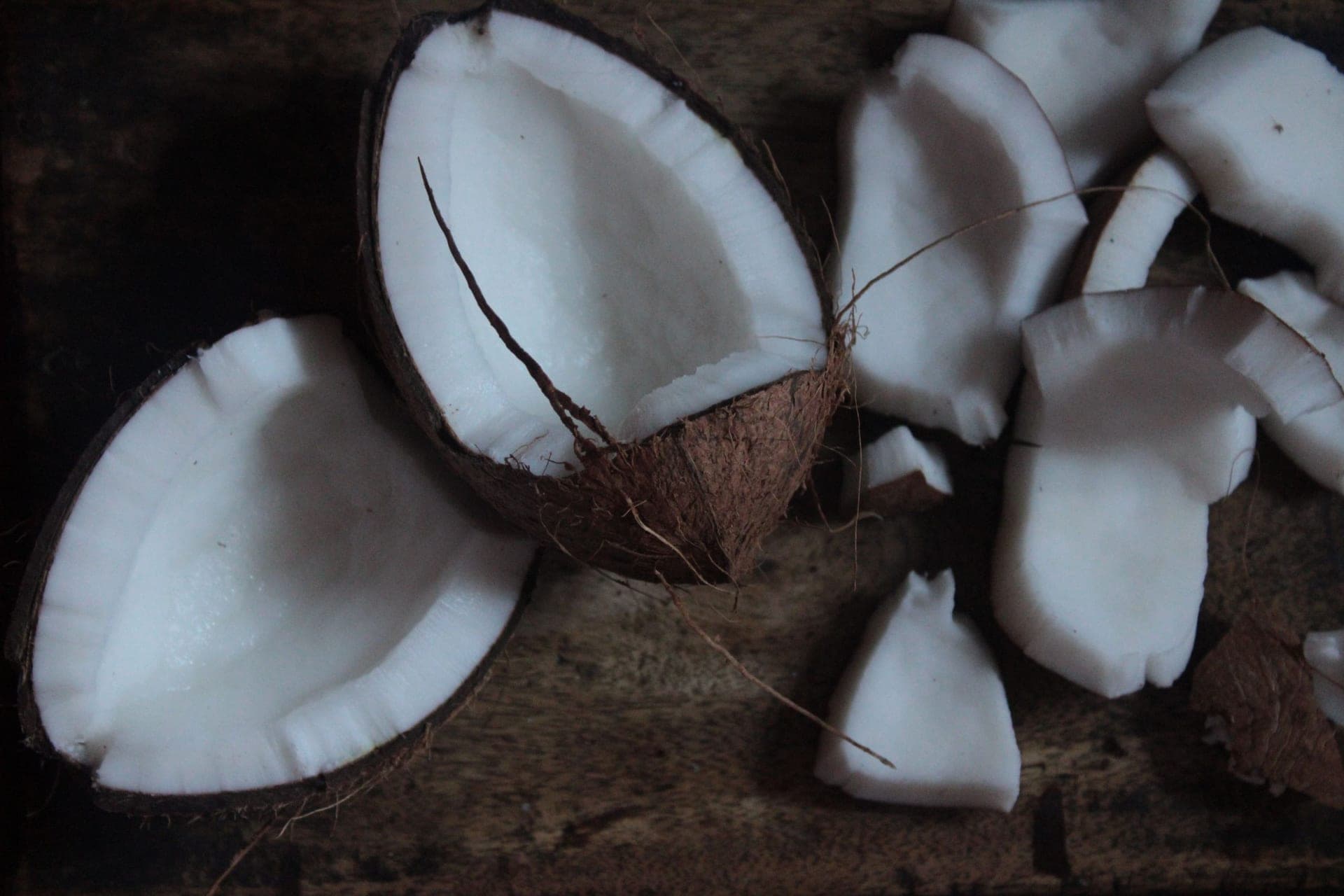
Coconut oil is the workhorse of cold process soap. It makes a rock-hard white bar, it lathers like nothing else, and it's cheap and easy to find. That's why almost every beginner recipe includes it. The catch is that coconut oil is also the most stripping oil most soap makers use, so pour in too much and your gentle bar turns into a skin-drying one. Getting coconut oil right in soap making comes down to two things: how much you use, and how you balance it. This guide covers what coconut oil does in a bar, the sweet-spot percentage, its saponification value, the superfat trick that keeps it from drying skin, the grades you'll see on the shelf, and a balanced recipe you can run today.
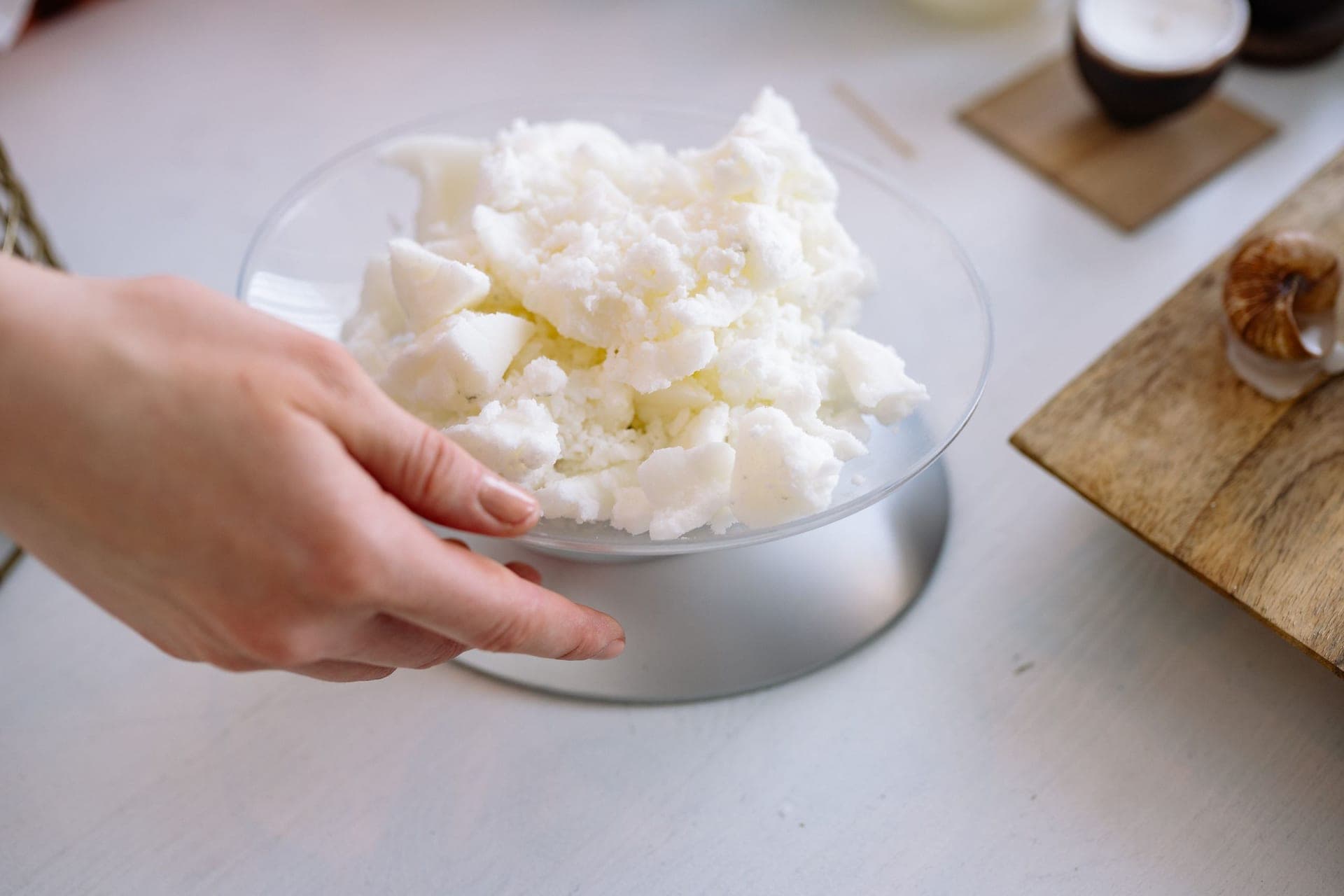
Quick pick: A tub of refined 76-degree coconut oil is the standard grade for cold process soap. It's inexpensive, melts easily, and behaves predictably in the pot.
Why Soap Makers Love Coconut Oil
Coconut oil earns its spot in most recipes because it does three jobs at once, and it does all of them well. Understanding those jobs tells you exactly when and how much to reach for.
- It makes a hard bar. Coconut oil is highly saturated, around 85 to 90 percent, so it contributes real hardness. A bar with a good slug of coconut oil unmolds firm and lasts a long time in the shower instead of turning to mush.
- It produces big, fluffy lather. This is coconut oil's headline trait. Most soft, conditioning oils like olive give you a creamy, low-bubble lather. Coconut is loaded with lauric acid, which whips up into large, foamy bubbles even in hard water. If you want a soap that lathers, coconut oil is how you get it.
- It cleanses hard. Coconut oil is a strong cleanser, which is great for a laundry or dish bar and useful in a face or body bar in small amounts.
Those first two traits are why coconut oil shows up in nearly every balanced recipe. For the full rundown on how each oil behaves, our guide to the best oils for soap making breaks them down side by side, and our article on soap bar properties explains how hardness, cleansing, and lather all trade off against each other.
How Much Coconut Oil Should You Use in Soap?
For a gentle, everyday bar, keep coconut oil between 15 and 30 percent of your total oils. That range gives you the hardness and lather without pushing the cleansing so high that the bar strips skin. Most balanced recipes land right around 20 to 25 percent, which is a reliable starting point.
Here's how the amount changes the bar:
| Coconut oil percentage | What you get |
| --- | --- |
| 10 to 15% | Very mild bar, gentle enough for sensitive skin, softer lather |
| 20 to 30% | The sweet spot: hard bar, good bubbly lather, still skin-friendly |
| 30 to 40% | Firmer and bubblier, but starting to feel drying for daily face or body use |
| 100% | Rock-hard, huge lather, very cleansing, needs a heavy superfat (more below) |
If you're making a dedicated laundry bar or a household cleaning soap, a high coconut percentage or even 100 percent is a feature, not a bug, because you want maximum cleansing. For skin bars, stay in the 15 to 30 percent range. If you want the pure single-oil version, our 100% coconut oil soap recipe walks through it step by step, including how to keep it from drying your skin.
The Catch: Coconut Oil Can Dry Out Your Skin
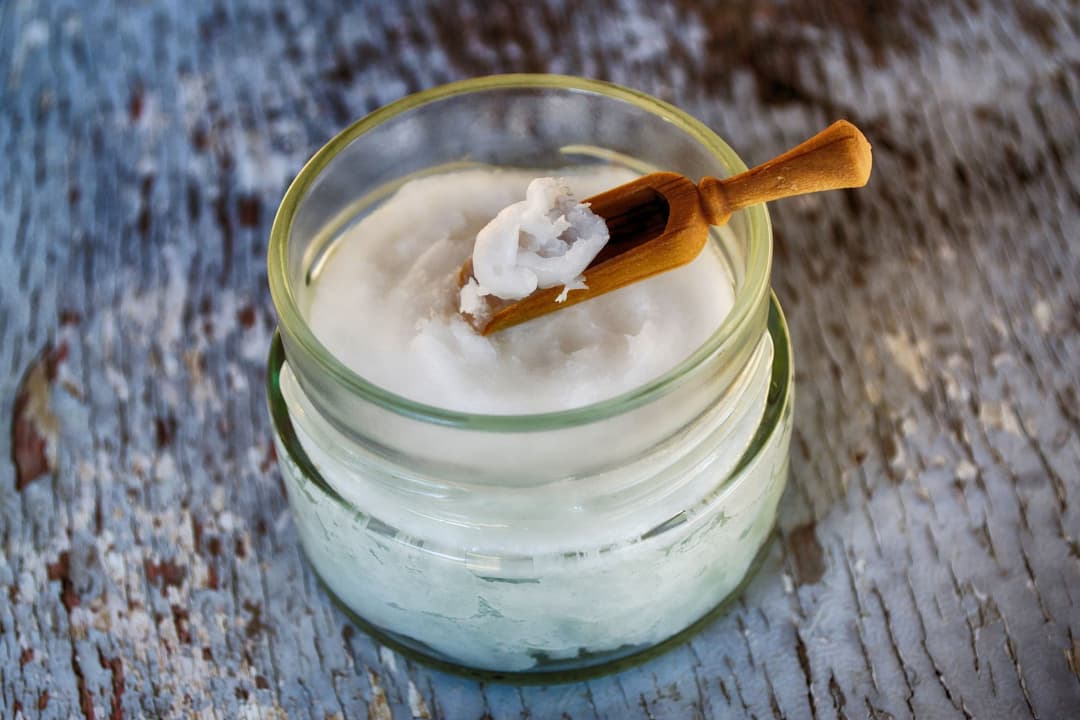
Coconut oil's strong cleansing is exactly what makes it tricky. The same lauric acid that gives you those big bubbles also strips oils from your skin efficiently. In small amounts that's fine, but in a high-coconut bar it can leave skin feeling tight and dry, especially in winter or for anyone with sensitive skin.
There are two ways to handle it. The first is simply keeping coconut oil in that 15 to 30 percent range and balancing it with conditioning oils like olive oil, shea butter, or cocoa butter. The second is raising your superfat, which means leaving a little extra oil in the bar unsaponified so there's free oil to condition the skin.
For a normal balanced recipe, a 5 percent superfat is standard. For a bar that's heavy in coconut oil, bump the superfat higher. A 100 percent coconut oil bar is famously made at 20 percent superfat, and that heavy superfat is the whole reason it can still be a lovely, mild bar instead of a harsh one. Our complete guide to superfat explains how to dial this in for any recipe. The short version: the more coconut oil you use, the more superfat you want.
Coconut Oil SAP Value and Lye Math
Every oil has a saponification (SAP) value, which is the amount of lye it takes to turn that oil into soap. Coconut oil needs more lye than most soft oils because it's so saturated. For sodium hydroxide, coconut oil's SAP value is commonly listed around 0.178 to 0.19, depending on the source and the grade.
That higher SAP value matters when you swap oils. If you replace part of an olive oil recipe with coconut oil, the lye amount goes up, because coconut eats more lye per ounce than olive does. This is the classic mistake that ruins a batch: reusing an old lye figure after changing an oil.
Never plug a memorized SAP number into a batch and hope for the best. Getting the lye wrong is how you end up with a harsh, lye-heavy bar that can burn skin, or a soft, greasy bar that never sets. Run your full recipe through the Soaply soap calculator so the lye, water, and superfat come out right for your exact oils and batch size. Any time you change even one oil, recalculate from scratch. For more on swapping oils safely, see our guide on how to substitute oils in soap recipes.
Types of Coconut Oil for Soap Making
Walk into a supplier and you'll see a few different coconut oils. Here's what each one means for soap.
- 76-degree coconut oil. This is the standard for cold process soap. The "76" is the temperature in Fahrenheit at which it melts, so it's solid at room temperature and melts easily on the stove. It's inexpensive and behaves predictably. When a recipe just says "coconut oil," this is what it means.
- 92-degree coconut oil. A higher-melt version that stays solid in warmer climates. It works fine in soap and has a nearly identical SAP value, so you can use it in place of 76-degree without changing your lye much. It's handy if your workshop runs hot.
- Virgin (unrefined) coconut oil. This carries a light coconut scent and costs more. It saponifies the same as refined, but the natural scent mostly fades during saponification and cure, so it's usually not worth the extra money for soap. Save it for the kitchen.
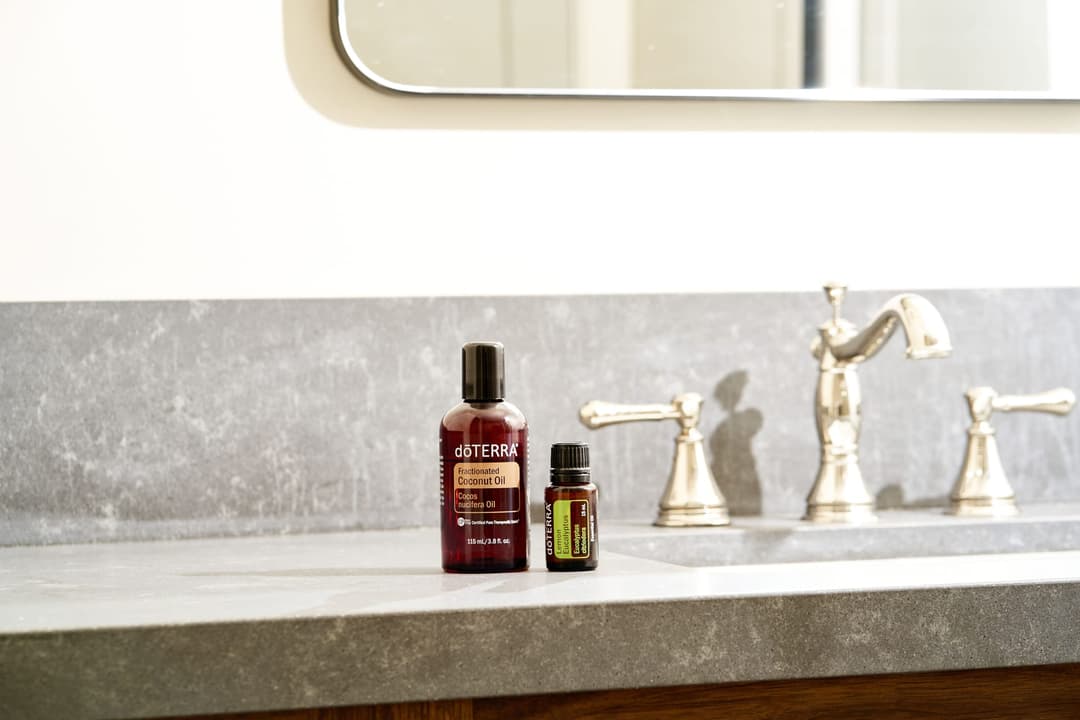
- Fractionated coconut oil. This is a liquid oil with the lauric acid removed, so it stays pourable. It does not harden a bar or lather the way solid coconut oil does, and it has a different SAP value. Don't use it as a stand-in for regular coconut oil in bar soap.
For nearly every batch, refined 76-degree is the right pick. It's the grade almost every recipe assumes, and it's the cheapest reliable option.
A Balanced Coconut Oil Soap Recipe
Here's a well-rounded, palm-free bar that uses coconut oil for hardness and lather, olive oil for a gentle base, shea butter for extra conditioning, and a splash of castor oil to boost the bubbles. It's a great everyday recipe. The weights below are a starting point, so always run the exact recipe through a soap calculator before you make it.
Balanced everyday bar (about 2.2 pounds of oils)
| Ingredient | Amount | Percentage |
| --- | --- | --- |
| Olive oil | 450 g | 45% |
| Coconut oil | 250 g | 25% |
| Shea butter | 250 g | 25% |
| Castor oil | 50 g | 5% |
| Lye (sodium hydroxide) | run through calculator | at 5% superfat |
| Distilled water | run through calculator | at 33% lye concentration |
Steps in brief:
- Suit up in goggles and gloves, then mix your lye into the distilled water (always lye into water, never the reverse) and let it cool.
- Melt the coconut oil and shea butter, then stir in the olive and castor oils. Bring everything to around 100 to 110°F.
- Pour the cooled lye solution into the oils and stick blend to a light trace.
- Add any skin-safe fragrance or natural colorant, stir, and pour into your mold.
- Insulate, unmold after 24 to 48 hours, cut, and cure four to six weeks.
At 25 percent coconut oil with a 5 percent superfat, this bar lands squarely in the skin-friendly zone: hard, bubbly, and mild. For a deeper look at building your own formulas from scratch, see our complete guide to soap making oils.
Substitutes for Coconut Oil in Soap
If you're out of coconut oil or want a palm-free, coconut-free bar for allergy reasons, you have a couple of options, though nothing matches coconut oil exactly.
- Babassu oil is the closest swap. It's also high in lauric acid, so it hardens and lathers much like coconut, and it's often gentler on skin. It costs more and is harder to find.
- Palm kernel oil also brings hardness and lather, though it's less bubbly than coconut and comes with the same sustainability questions as palm oil.
- A hardening oil plus a lather booster can approximate the effect. Something like shea or cocoa butter for hardness paired with a little castor oil for bubbles gets you part of the way, but you'll lose some of that signature fluffy coconut lather.
Any time you sub one oil for another, the SAP value changes and so does the lye. Recalculate the whole recipe rather than trading ounce for ounce. Our guide to substituting oils in soap recipes covers this in detail.
Tips for Soaping With Coconut Oil
A few working notes to get the best results with coconut oil:
- Melt it gently. Coconut oil melts fast on low heat. There's no need to blast it, and overheating just wastes time cooling it back down.
- Watch your superfat. The more coconut oil in the recipe, the higher you want the superfat. Think 5 percent for a 20 to 25 percent coconut bar, and up toward 15 to 20 percent for a very high-coconut or 100 percent bar.
- Use it for laundry bars on purpose. A high-coconut or 100 percent coconut bar is a fantastic stain-fighting laundry and household soap, precisely because it cleanses so hard.
- Buy in bulk. Coconut oil is cheap and shelf-stable, and it's in almost every recipe, so a big tub usually beats small jars on price per ounce.
- Store it sealed. Keep the lid tight and the tub in a cool, dark spot. Refined coconut oil has a long shelf life, but sealing it keeps it fresh.

💬 Frequently Asked Questions
Is coconut oil good for soap making?
Yes, coconut oil is one of the most useful soap making oils. It makes a hard bar, produces big fluffy lather, and cleanses well. The one caution is that it's very cleansing, so keep it to 15 to 30 percent of your oils in a skin bar and balance it with conditioning oils to avoid drying skin.
How much coconut oil should I use in soap?
For a gentle everyday bar, use coconut oil at 15 to 30 percent of your total oils, with 20 to 25 percent being the reliable sweet spot. Higher percentages make a firmer, bubblier, but more drying bar. A 100 percent coconut bar is possible but needs a heavy 20 percent superfat.
Why does coconut oil dry out skin in soap?
Coconut oil is high in lauric acid, which strips oils from skin efficiently. That strong cleansing is great for laundry bars but can leave skin tight and dry in a high-coconut skin bar. Keeping coconut in the 15 to 30 percent range and raising your superfat both fix this.
What is the SAP value of coconut oil?
Coconut oil's sodium hydroxide SAP value is commonly listed around 0.178 to 0.19, higher than most soft oils because it's very saturated. That means it needs more lye per ounce. Always run your exact recipe through a soap calculator rather than relying on a memorized number.
Can I use 100% coconut oil to make soap?
Yes, a 100 percent coconut oil bar is a classic. It's rock hard, makes big fluffy lather, and is very cleansing, which makes it a great laundry or household bar. To use it on skin, make it at a 20 percent superfat so it stays mild instead of stripping.
Put Coconut Oil to Work in Your Next Batch
Coconut oil is the oil that makes soap feel like soap: hard, bubbly, and clean. Keep it in the 15 to 30 percent range for a skin bar, raise your superfat as you add more, and lean on it heavily only when you actually want that scrubbing power, like in a laundry bar. When you're ready to build your recipe, run every oil through the free Soaply soap calculator so your lye, water, and superfat come out right every time.
Ready to Try It?
Use our free soap calculator to create your perfect recipe with real-time property predictions.
Open Calculator