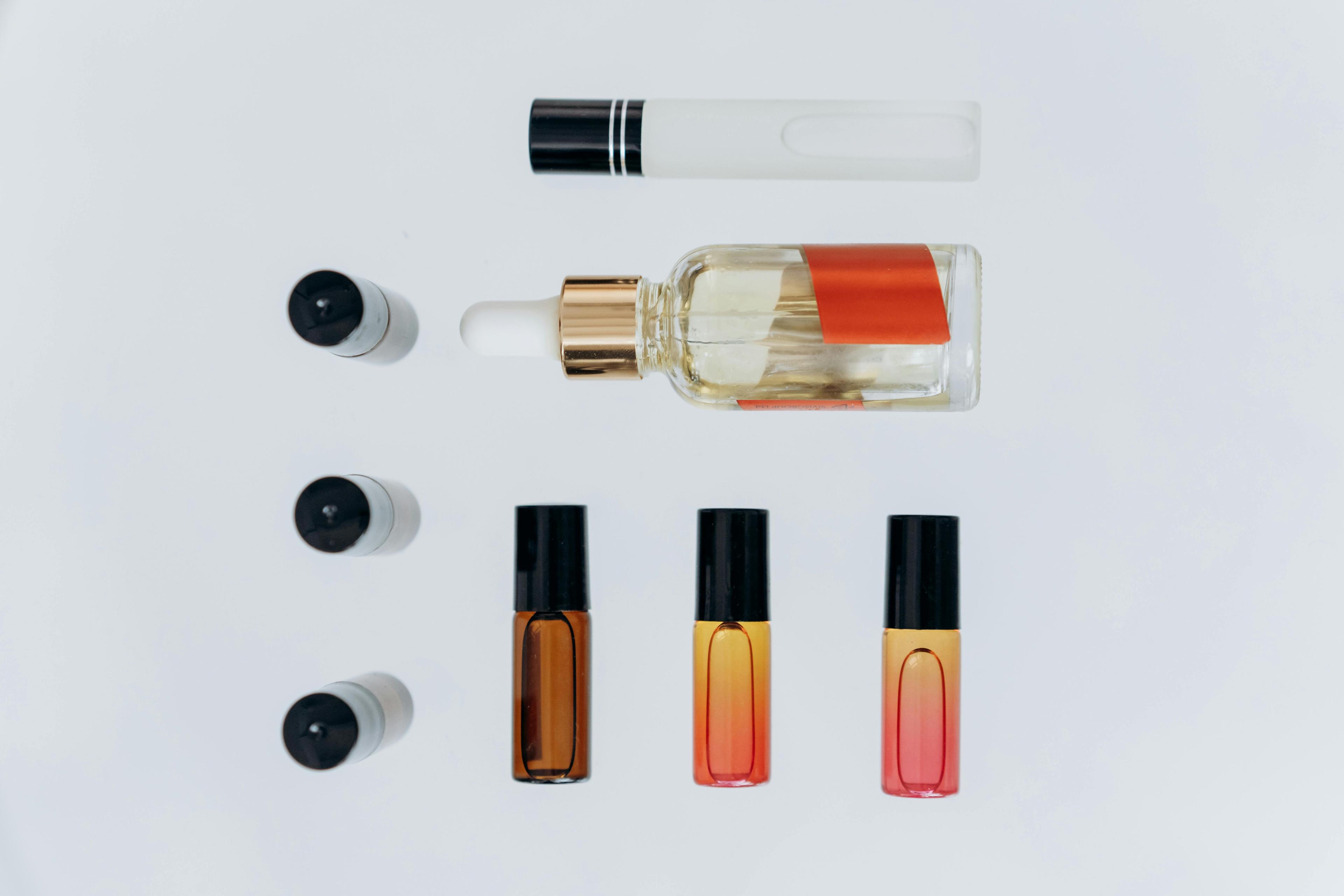
How to Make an Anti-Aging Face Serum (Oils That Actually Help)
How to make an anti-aging face serum at home: the oils and actives with real evidence, a simple oil-based recipe, honest results, and how to use it.
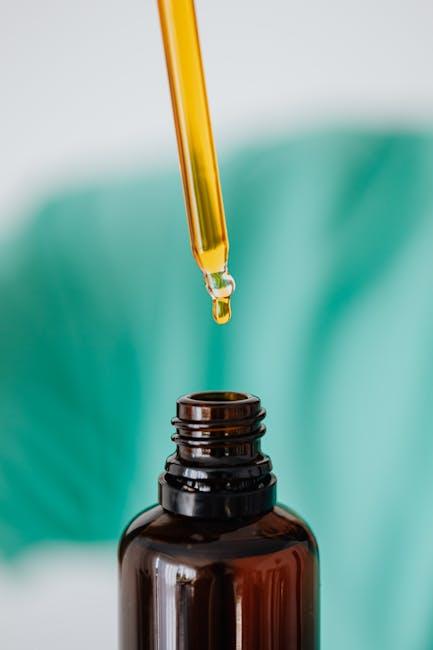
An anti-aging face serum you mix yourself is a blend of lightweight, antioxidant-rich oils in a dropper bottle: rosehip for its vitamins, squalane or jojoba for a weightless base, and a small dose of vitamin E or bakuchiol as the active. It takes about ten minutes, no heat, and no special gear. Here's the honest part first, though, because most product pages won't tell you: a face oil can't rebuild lost collagen or erase a deep wrinkle, and no plant oil matches a prescription retinoid. What a good serum does is protect, hydrate, and smooth, and that's enough to make skin look fresher and feel better. This guide covers the oils worth using, the actives with real evidence behind them, a recipe you can resize with the Soaply face serum calculator, and how to use it so you don't waste your money.
- Can a Face Oil Really Reduce Wrinkles?
- What Ages Skin, and Where an Oil Helps
- The Best Oils for an Anti-Aging Serum
- Active Ingredients Worth Adding
- A Simple Anti-Aging Face Serum Recipe
- How to Adjust It for Your Skin
- How to Use an Anti-Aging Serum
- Mistakes That Waste a Good Serum
- Frequently Asked Questions
Can a Face Oil Really Reduce Wrinkles?
Short answer: a little, and mostly in ways that are easy to oversell. It helps to split the marketing from what holds up.
Wrinkles come from three main places. Your skin makes less collagen and elastin as you age, sunlight breaks down what's left, and dry skin creases more than plump skin does. An oil can't put collagen back, and it can't undo sun damage. It can seal water into the skin so the fine lines that come from dehydration soften, strengthen the skin's outer barrier so the surface looks smoother, and carry antioxidants that slow the free-radical damage UV and pollution cause, which is one real driver of visible aging.
So the realistic promise is healthier, smoother-looking skin, not a decade erased. If you want the single most proven anti-aging step, it's daily sunscreen, and nothing in a homemade bottle beats it. Think of a serum as a supporting player that keeps your barrier happy and delivers a few useful actives. On those terms, it earns its place on the shelf.
What Ages Skin, and Where an Oil Helps
Knowing the cause tells you what to expect from the fix.
| What's happening | Can an oil help? |
| --- | --- |
| Collagen and elastin drop with age | No. Oils don't rebuild structural proteins. |
| Sun breaks down collagen (photoaging) | Only indirectly, through antioxidants. Sunscreen is the real answer. |
| The skin barrier weakens and loses water | Yes. This is an oil's strongest card. |
| Dehydration lines form on the surface | Yes. Sealing in moisture softens these fast. |
| Free radicals from UV and pollution | Somewhat. Antioxidant oils and actives slow this. |
| Repeated expression (frown lines, crow's feet) | No. That's muscle movement, not skin care. |
The pattern is clear once you lay it out. An oil is a barrier and antioxidant tool, so lean the recipe toward those jobs and keep your expectations honest about the rest.
The Best Oils for an Anti-Aging Serum
The ingredient lists on luxury serums look exotic, but a few carriers do most of the work. One caveat worth stating plainly: strong independent trials on any single oil reducing wrinkles are thin, and most of the big claims trace back to brands selling the oil. The honest case for these picks is barrier support, a good skin feel, and antioxidant content, not proven wrinkle removal.
| Oil | Why it's here | Skin feel | Keep in mind |
| --- | --- | --- | --- |
| Rosehip oil | High in provitamin A, vitamin C, and linoleic acid; the classic brightening pick | Dry, sinks in fast | Goes rancid in about six months, so buy small and store cool |
| Squalane | Bio-identical to your own skin oil, clogs nothing, suits every skin type | Weightless, no scent | Very stable; a great default base |
| Jojoba oil | Closest to your skin's sebum, so it absorbs cleanly and balances oily skin | Light, dry | Technically a wax, lasts for years |
| Argan oil | Rich in vitamin E, nice for dry and mature skin | Medium, a touch richer | Buy cosmetic grade, not culinary |
| Evening primrose | High in gamma-linolenic acid, calming for reactive skin | Light | Short shelf life, add vitamin E |
| Pomegranate seed | Punicic acid, a strong antioxidant | Medium | Pricey, use as a small percentage |
If you build a serum around squalane and rosehip with a little jojoba, you've covered a weightless base, the vitamin-rich star, and a barrier oil that keeps the blend stable. That's a serum that does its real jobs well. The reference pages for each oil break down the exact fatty-acid profile if you want to compare.
Active Ingredients Worth Adding
The oils are the carrier. The actives are where a serum does more than moisturize, and a little goes a long way. All of these are oil-soluble, so they fit an oil-based serum.
Vitamin E (tocopherol). The one to add to every batch. It's an antioxidant for your skin and, handily, it slows your oils from going rancid, so it stretches shelf life too. Use about 0.5 to 1 percent of the blend, which is only a few drops in a small bottle.
Bakuchiol. This is the active with the most interesting evidence. A 12-week randomized, double-blind trial by Dhaliwal and colleagues, published in the British Journal of Dermatology in 2019, put 44 people on either 0.5 percent bakuchiol twice a day or 0.5 percent retinol once a day. Both cut wrinkle surface area and hyperpigmentation, with no significant difference between them, and the retinol group had more stinging and flaking. It's one modest study, and bakuchiol was applied twice as often as the retinol, so read it as promising rather than settled. Still, for a gentler plant alternative to retinol you can add at home, it's the standout. Use it at 0.5 to 1 percent.
A rosemary antioxidant. Rosemary oleoresin or a rosemary CO2 extract, used at a fraction of a percent, mainly guards the oils against oxidation so the serum lasts longer. It's a preservative-style helper, not a wrinkle cure, but a rancid serum helps nobody.
Keep any scented essential oil separate from these actives and dose it low, which the recipe below handles. More actives is not better. Stacking strong ingredients on facial skin tends to irritate it, and irritation is the opposite of what you want.
A Simple Anti-Aging Face Serum Recipe
This fills one 1 oz (30 mL) amber dropper bottle. The percentages are by volume, which is close enough for an oil serum you're mixing at home.
- Squalane: 42% (about 12.6 mL)
- Rosehip oil: 35% (about 10.5 mL)
- Jojoba oil: 20% (about 6 mL)
- Vitamin E oil: 1% (6 to 8 drops)
- Bakuchiol: 1% (optional, about 0.3 mL)
- Essential oil: up to 1% (optional, skip for daytime use)
Method: pour the squalane, rosehip, and jojoba into the bottle, add the vitamin E and bakuchiol, cap it, and roll it gently between your palms to mix. Don't shake hard, since that just whips in air. Label it with the date. Because rosehip is the quickest to spoil, use the bottle within about six months and keep it out of sunlight and heat.
Patch test before the first full use. Put a drop on your inner forearm or behind your ear, wait a day, and check for redness. That goes double if you added bakuchiol or any essential oil. To scale this up or down without redoing the math, drop your numbers into the Soaply face serum calculator and it holds the ratios while it resizes the batch. The same tool powers a general oil serum recipe if you want to start from the basics first.
How to Adjust It for Your Skin
The base recipe suits most people, but a few tweaks make it fit better.
For dry or mature skin, swap some of the squalane for argan oil or add a few milliliters of a richer oil like marula. You want a touch more cushion, so aim the blend slightly heavier. The same oils carry over into body butter if you like the feel.
For oily or acne-prone skin, lean on squalane and jojoba, which don't clog pores, and cut the rosehip back to around 20 percent. A lighter serum sinks in without leaving a shine, and jojoba in particular tends to calm oily skin rather than feed it.
For sensitive or reactive skin, keep it fragrance-free, skip the essential oil, and go slow on the bakuchiol, starting at 0.5 percent or leaving it out for the first few batches. Evening primrose is a gentle addition here. The calculator has presets for fine lines and mature skin that give you a starting point, then you adjust from there.
How to Use an Anti-Aging Serum
Order matters more than people think. The rule is thin to thick, water before oil, because oil seals everything underneath it and nothing water-based gets through once it's on.
So a simple routine looks like this: cleanse, apply any water-based treatment or a hydrating toner, then press in 3 to 5 drops of your facial oil, and in the morning finish with sunscreen. Oils absorb better into slightly damp skin, so a serum goes on well right after a hydrating step rather than onto bone-dry skin. Warm the drops between your fingers and press them in instead of rubbing hard.
Night is the usual slot for a richer oil serum, and bakuchiol pairs naturally with a bedtime routine, though it's stable enough to use any time. If anti-aging is your real goal, daily sunscreen is not optional, and it does more than the serum ever will. The oil supports your skin; the sunscreen protects the collagen you still have.
Mistakes That Waste a Good Serum
A few habits quietly undo an otherwise solid bottle.
Overloading the essential oils is the big one. On facial skin, keep fragrance under 1 percent, and many formulators stay at 0.5. Too much scent irritates, and chronic irritation ages skin instead of helping it.
Using citrus oils in a daytime serum is another. Cold-pressed bergamot, lemon, and lime are photosensitizing, so they can leave you more prone to burning and dark marks in sunlight. Save them for a rinse-off product or skip them, as the essential oils versus fragrance oils guide explains in more detail.
Skipping the antioxidant and letting oils go rancid is a slower mistake. A spoiled oil oxidizes on your skin, which is the last thing an anti-aging product should do. Add the vitamin E, buy your rosehip in a small bottle, and store it cool and dark. If you're unsure how long your oils keep, the notes on shelf life in the massage oil guide apply here too.
The last one is expectation. A homemade oil serum won't replace sunscreen, retinoids, or a dermatologist. Treat it as a barrier-and-antioxidant step that makes your skin look and feel better, and you'll be happy with it. Expect it to reverse the clock and no recipe can meet that.
💬 Frequently Asked Questions
Do face oils really help with wrinkles?
A bit, and mostly by smoothing dehydration lines and strengthening the skin barrier so the surface looks better. Oils can't rebuild collagen or undo sun damage, which cause the deeper wrinkles. Antioxidant oils and actives like bakuchiol add a modest extra benefit.
What is the best oil for anti-aging?
Rosehip is the most popular pick for its provitamin A and vitamin C, and squalane is the best all-purpose base because it's weightless and suits every skin type. There's no single winner with strong trial evidence, so a blend covers more bases than any one oil.
Can I use bakuchiol and rosehip oil together?
Yes, and they pair well. Rosehip brings vitamins and a light feel while bakuchiol acts as the gentle retinol alternative. Add bakuchiol at 0.5 to 1 percent of the blend, patch test first, and start on the lower end if your skin is sensitive.
Is a face oil the same as a serum?
Not quite. A serum is any concentrated treatment, and it can be water-based or oil-based. A face oil is one type of serum, built entirely from oils and oil-soluble actives, with no water and no need for a preservative.
Do you apply face oil before or after moisturizer?
After. Oil goes last among your leave-on treatments because it seals in everything underneath, and a moisturizer applied over oil can't get through. In the morning, sunscreen is the only thing that goes on top of the oil.
Build a Serum That Does Its Real Job
An anti-aging face serum won't turn back time, but a smart blend of squalane, rosehip, and jojoba with a little vitamin E and bakuchiol protects your barrier, delivers antioxidants, and leaves skin looking fresher. Keep the actives sensible, wear your sunscreen, and store the bottle cool. When you're ready to mix your own and lock in the ratios, start with the Soaply face serum calculator and scale it to whatever bottle size you have on hand.
Ready to Try It?
Use the free Soaply face serum calculator to size your batch and get every ingredient in grams and percent.
Open Calculator