How to Make Rosemary Soap: Cold Process Recipe with Fresh Herbs
Make rosemary soap at home with this cold process recipe. Covers rosemary essential oil usage rates, herb infusions, skin benefits, and 3 beginner-friendly variations.

This article contains Amazon links. As an Amazon Associate, Soaply earns from qualifying purchases at no extra cost to you.
Rosemary isn't just for cooking. It's one of the best herbs you can put in handmade soap, thanks to its antioxidant-rich profile, earthy scent, and natural antimicrobial properties. This cold process rosemary soap recipe produces a firm, long-lasting bar that smells like a garden in the morning.
- Why Rosemary Works So Well in Soap
- Rosemary Essential Oil vs Rosemary Infusion
- Cold Process Rosemary Soap Recipe
- Step-by-Step Instructions
- How to Infuse Oils with Rosemary
- Can You Add Dried Rosemary to Soap?
- Three Rosemary Soap Variations
- Tips for the Best Rosemary Soap
- Frequently Asked Questions
Why Rosemary Works So Well in Soap
Rosemary (Rosmarinus officinalis) contains rosmarinic acid, carnosic acid, and camphor, all of which contribute to its skin care benefits. In soap, rosemary brings a few things to the table:
- Antioxidant protection. Rosemary extract is actually used as a natural preservative in cosmetics because it's so effective at fighting oxidation.
- Antimicrobial properties. Rosemary essential oil shows antibacterial activity in lab testing, which is part of why it is a popular pick for a cleansing bar, though that is not a claim you can print on a soap label.
- Circulation boost. The camphor and 1,8-cineole in rosemary oil can stimulate blood flow to the skin, leaving it feeling invigorated after a wash.
- A scent that sticks. Rosemary essential oil is a middle note with decent staying power in cold process soap, unlike citrus oils that fade fast.
If you've got oily or acne-prone skin, rosemary soap is worth trying. It's clarifying without being harsh.
Rosemary Essential Oil vs Rosemary Infusion
You've got two main ways to get rosemary into your soap, and they do different things.
Rosemary Essential Oil
This gives you the strongest scent and the most skin benefits. Use it at 3-5% of your total oil weight (about 0.5 oz per pound of oils). Rosemary essential oil behaves well in cold process soap. It doesn't accelerate trace or discolor your batter, which makes it a reliable choice for beginners.
You can buy rosemary essential oil in two main chemotypes:
- Rosemary ct. cineole is the most common. It's got a sharp, clean, slightly medicinal smell. Great for everyday soap.
- Rosemary ct. camphor is more intense and warming. Better for a muscle-soothing bar.
Rosemary-Infused Oil
Infusing your base oils with dried rosemary adds a subtle herbal quality to the finished bar. You won't get as much scent as you would from essential oil, but the infused oil carries some of rosemary's antioxidants into your recipe. Most soapmakers use both: an infused olive oil for the base, plus essential oil at trace for scent.
Rosemary Oleoresin Extract (ROE)
This is different from both of the above. ROE is a concentrated antioxidant extract used at very small amounts (0.02-0.05% of oils) to slow down rancidity in your soap. It won't add scent or color. Think of it as insurance for recipes with a lot of unsaturated oils like sunflower or sweet almond.
Cold Process Rosemary Soap Recipe
Here's a well-balanced recipe that produces a hard, bubbly bar with a woodsy rosemary scent. Run these percentages through the Soaply calculator to get your exact lye and water amounts.
| Ingredient | Percentage | Purpose |
| ------------ | ----------- | --------- |
| Olive Oil | 40% | Conditioning, mildness |
| Coconut Oil (76 degree) | 25% | Hardness, lather |
| Shea Butter | 15% | Creaminess, moisturizing |
| Sweet Almond Oil | 10% | Skin-loving, gentle |
| Castor Oil | 10% | Lather boost |
| Superfat | 5% | |
| Lye Concentration | 33% |
Additives
| Additive | Amount | When to Add |
| ---------- | -------- | ------------- |
| Rosemary Essential Oil | 0.5 oz per lb oils | At light trace |
| Dried rosemary (ground) | 1 tsp per lb oils | At trace |
| French green clay (optional) | 1 tsp per lb oils | Dispersed in oil at trace |
This recipe gives you a superfat of 5%, which works well for rosemary's clarifying properties. If you have dry skin, bump it up to 7-8%.
Step-by-Step Instructions
What You'll Need
- Digital scale (measure everything by weight)
- Stick blender
- Heat-safe containers for lye solution and oils
- Silicone soap mold
- Safety goggles and gloves
- Infrared thermometer
Step 1: Prep Your Ingredients
Weigh all your oils and butters using a digital scale. Melt the coconut oil and shea butter gently, then combine with your liquid oils. If you're using a rosemary-infused olive oil, this is where it goes.
Step 2: Make Your Lye Solution
Wearing goggles and gloves, slowly add sodium hydroxide to cold distilled water. Never pour water into lye. Stir until dissolved and set aside to cool. Use our lye concentration guide if you're unfamiliar with this step.
Step 3: Combine at the Right Temperature
Both your oils and lye solution should be between 95-110°F. Pour the lye solution into your oils through a strainer to catch any undissolved particles.
Step 4: Blend to Light Trace
Use your stick blender in short bursts until you reach light trace. The batter should look like thin pudding with no visible streaks of oil.
Step 5: Add Your Rosemary
At light trace, stir in your rosemary essential oil and ground dried rosemary. If you're adding French green clay, pre-disperse it in a tablespoon of olive oil and stir that in now too. Blend briefly to incorporate.
Step 6: Pour and Insulate
Pour the batter into your mold. Tap the mold on the counter a few times to release air bubbles. Sprinkle a few whole rosemary leaves on top for decoration if you'd like. Cover with a towel and let it sit for 24-48 hours.
Step 7: Unmold and Cure
After 24-48 hours, unmold and cut into bars. Cure on a rack with good airflow for 4-6 weeks. Check out our curing guide for details on why patience pays off here.
How to Infuse Oils with Rosemary
Rosemary-infused olive oil adds an extra layer of herbal goodness to your soap. There are two methods:
Slow Infusion (Best Results)
- Fill a clean jar halfway with dried rosemary
- Cover completely with olive oil
- Seal and place in a sunny window
- Shake daily for 4-6 weeks
- Strain through cheesecloth and use in your recipe
Quick Infusion (Same Day)
- Add dried rosemary and olive oil to a double boiler
- Heat on low (around 150°F) for 2-3 hours
- Don't let the oil smoke or get above 180°F
- Strain and cool before using
The slow method extracts more of the beneficial compounds, but the quick method works when you don't want to wait a month.
Can You Add Dried Rosemary to Soap?
Yes, but with a few caveats. Dried rosemary leaves in soap will turn brown over time. The high pH of saponification breaks down the chlorophyll, so those pretty green flecks you added will be brownish-tan by the time your soap finishes curing.
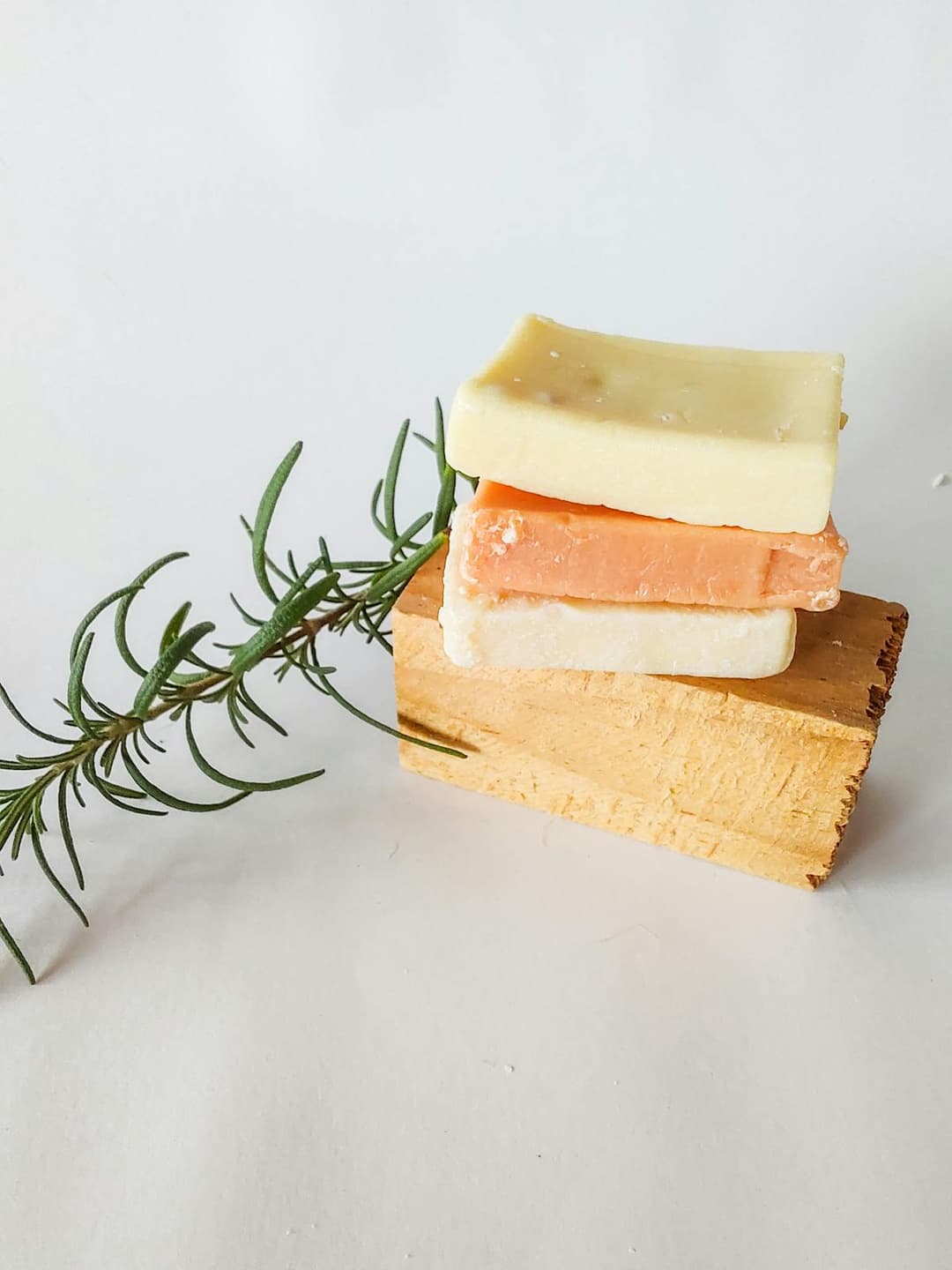
That said, ground dried rosemary adds a gentle exfoliation that many people love. Here's how to use it well:
- Grind it fine using a spice grinder. Large pieces of rosemary are scratchy and uncomfortable. You want a powder or very fine flakes.
- Use sparingly. One teaspoon per pound of oils is plenty. More than that and your bars will feel gritty.
- Set expectations. The rosemary will turn brown. If you want green color, use French green clay or spirulina powder instead.
- Top decoration only? You can press whole rosemary leaves into the top of your soap for a rustic look. They'll darken but still look attractive.
Three Rosemary Soap Variations
Once you've got the basic recipe down, try these twists:
1. Rosemary Mint Wake-Up Bar
Add peppermint essential oil at a 50/50 blend with rosemary. This combination is incredible for a morning shower. The menthol gives a cooling tingle while the rosemary provides that herbal depth. Use 0.25 oz of each per pound of oils.
2. Rosemary Lavender Relaxation Bar
Blend rosemary and lavender essential oils at a 40/60 ratio (rosemary/lavender). Lavender softens rosemary's sharpness and creates a spa-like bar that works as well in the evening as in the morning. Add purple Brazilian clay for a subtle lilac color.
3. Rosemary Charcoal Detox Bar
Combine rosemary essential oil with 1 teaspoon of activated charcoal per pound of oils. The charcoal draws out impurities while the rosemary provides antimicrobial support. This makes a striking black bar with rosemary leaves pressed into the top.
Tips for the Best Rosemary Soap
- Don't use fresh rosemary in your soap batter. Fresh herbs contain water that can introduce bacteria and cause your soap to spoil. Stick with dried rosemary in the batter and save fresh sprigs for top decoration only (they'll dry during the cure).
- Anchor the scent. Rosemary essential oil holds up reasonably well in CP soap, but you can boost its longevity by adding a small amount of cedarwood or patchouli essential oil (about 10-15% of your fragrance blend).
- Store properly. Rosemary soap doesn't need special storage, but like all handmade soap, it lasts longest when kept dry between uses. A draining soap dish makes a big difference.
- Label your bars. If you're selling or gifting rosemary soap, always list rosemary essential oil in your ingredients. Some people are sensitive to it, especially pregnant women who should avoid rosemary EO in the first trimester.
💬 Frequently Asked Questions
Is rosemary soap good for your skin?
Rosemary contains antioxidants and has natural antimicrobial properties that can help with oily and acne-prone skin. It's also mildly stimulating, which promotes healthy circulation. Most skin types tolerate rosemary soap well, though people with very sensitive skin should patch test first.
How much rosemary essential oil should I put in soap?
Use 3-5% of your total oil weight, which works out to roughly 0.5 oz per pound of base oils. Start at the lower end if you're new to working with rosemary. You can always add more in your next batch, but you can't take it out once it's in the batter.
Will rosemary essential oil turn soap brown?
No, rosemary essential oil won't discolor your soap batter. It's one of the most well-behaved essential oils in cold process soap. Dried rosemary leaves will turn brown over time, but the essential oil itself won't affect your bar's color at all.
Can I use rosemary extract instead of essential oil in soap?
Rosemary oleoresin extract (ROE) is an antioxidant, not a fragrance. It's used in tiny amounts (a few drops per batch) to prevent oils from going rancid. It won't add scent or the skin benefits you'd get from rosemary essential oil. Use both if you want: ROE for preservation and EO for scent.
Is rosemary soap safe during pregnancy?
Rosemary essential oil is generally recommended to avoid during the first trimester of pregnancy due to its stimulating properties. After the first trimester, low concentrations (under 1%) are usually considered acceptable, but it's always best to check with a healthcare provider first.
Ready to Try It?
Use our free soap calculator to create your perfect recipe with real-time property predictions.
Open Calculator