How to Make Rose Soap: A Cold Process Recipe with Real Petals
Learn how to make rose soap at home using cold process methods, dried rose petals, and rosehip seed oil. Includes a full recipe, color tips, and FAQ.
This article contains Amazon links. As an Amazon Associate, Soaply earns from qualifying purchases at no extra cost to you.
Rose soap is one of the most elegant bars you can make at home. It smells incredible, looks gorgeous, and the combination of rosehip seed oil and rose clay gives your skin a gentle, nourishing cleanse. You don't need fancy techniques or years of experience to pull this off.
- Why Rose Soap Is Worth Making
- Rose Soap Oil Recipe
- Can You Put Real Rose Petals in Soap?
- How to Get a Natural Pink Color
- Step-by-Step Rose Soap Instructions
- Fragrance Options for Rose Soap
- Curing and Storage Tips
- Frequently Asked Questions
Why Rose Soap Is Worth Making
Rose isn't just a pretty scent. Rosehip seed oil is packed with fatty acids and vitamin A, which makes it a popular ingredient in skincare products. When you add it to cold process soap, some of those skin-loving properties carry through, especially at a higher superfat level.
Rose clay (also called kaolin clay or French pink clay) adds a soft pink hue without synthetic dyes. It's mildly absorbent, so it works well for normal to oily skin types without being drying.
Put them together and you've got a bar that looks like it belongs in a boutique, but costs a fraction of retail prices to make yourself.
Rose Soap Oil Recipe
Here's the oil blend I recommend for a balanced, creamy rose soap:
| Ingredient | Percentage | Purpose |
| ------------ | ----------- | --------- |
| Olive Oil | 35% | Moisturizing, gentle base |
| Coconut Oil (76 degree) | 25% | Hardness and lather |
| Shea Butter | 15% | Creaminess and conditioning |
| Sweet Almond Oil | 10% | Skin-softening, light feel |
| Rosehip Seed Oil | 10% | Skin nourishment, adds a slight natural tint |
| Castor Oil | 5% | Lather boost |
| Superfat | 6% | Extra moisturizing |
| Lye Concentration | 33% | Standard |
This recipe produces a hard, creamy bar with stable lather and great conditioning properties. The higher olive oil percentage keeps it gentle, while coconut oil and castor oil team up for satisfying bubbles.
Plug these percentages into the Soaply lye calculator to get exact lye and water amounts for your batch size.
Can You Put Real Rose Petals in Soap?
Yes, but there's a catch that trips up nearly every beginner.
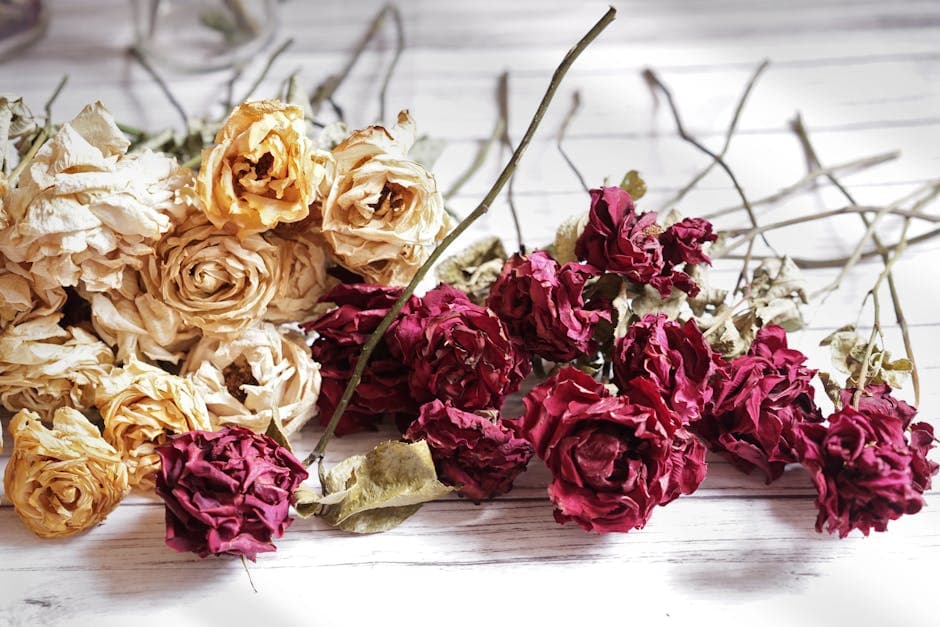
Rose petals turn brown or black in cold process soap. The high pH of the lye solution breaks down the plant material during saponification. Those gorgeous red petals you carefully placed on top? They'll look like soggy brown flecks within a few weeks.
Here's how to use rose petals successfully:
On Top of the Bar (Best Approach)
Press dried rose petals onto the surface after pouring. They'll still darken over time, but they hold their shape better when they're only touching the soap on one side. For the best color retention, use petals that are already dark (deep red or burgundy varieties).
Infused into the Oil
Steep dried rose petals in your olive oil for 4-6 weeks before making soap. This pulls the rose essence into the oil without the browning problem. Strain out the petals before you weigh and use the oil in your recipe.
Rose Tea as Lye Liquid
Replace some or all of your distilled water with strongly brewed rose hip tea. The tea will turn brown when mixed with lye, but it adds a subtle earthy undertone to the finished bar.
Skip Embedding Petals Inside
Don't mix petals directly into your soap batter. They'll turn into unrecognizable brown specks that look more like dirt than flowers. If you want floral bits throughout the bar, use calendula petals instead. Calendula is one of the few flowers that holds its color in cold process soap. Check out our calendula soap recipe for more details.
How to Get a Natural Pink Color
Getting a true pink in cold process soap without synthetic colorants takes a little creativity. Here are your best options:
Rose Clay (Recommended)
Rose clay is the easiest natural route to pink soap. Use 1-2 teaspoons per pound of oils. Mix it with a small amount of lightweight oil (like sweet almond) before adding it to your soap batter at light trace. Start with less and add more; a little goes a long way.
Pink Kaolin Clay
Similar to rose clay but slightly lighter in color. Use the same ratio: 1-2 teaspoons per pound of oils. This gives a softer, more pastel pink.
Madder Root Powder
Madder root creates shades from peach to deep rose depending on how much you use. Start with 1/2 teaspoon per pound of oils for a light pink, or up to 1 tablespoon for a deeper mauve. The color develops further during the cure.
What Doesn't Work
- Beet juice turns brown in high-pH environments
- Rose petal infusions give tan or beige, not pink
- Food coloring fades and isn't skin-safe for leave-on products
If you want a reliable, bright pink and you're okay with synthetics, rose mica powder works perfectly. But for an all-natural bar, rose clay is your best bet.
Step-by-Step Rose Soap Instructions
What You'll Need
Additives:
- Rose clay (1-2 tsp per pound of oils)
- Dried rose petals for topping
- Rose fragrance oil or rose geranium essential oil
- Rosehip seed oil
Equipment:
- Digital scale
- Stick blender
- Silicone soap mold
- Heat-safe containers, thermometer, safety gear
Instructions
Step 1: Calculate and Weigh
Enter the oil percentages from the recipe table above into the Soaply calculator. Set your total oil weight (32 oz is a good starter batch), superfat to 6%, and lye concentration to 33%. Weigh all oils, lye, and water on your digital scale.
Step 2: Prepare the Rose Clay
Mix your rose clay with 1 tablespoon of sweet almond oil in a small bowl. This prevents clumping when you add it to the soap batter later.
Step 3: Make the Lye Solution
Wearing gloves and goggles, slowly add lye to your distilled water (never the other way around). Stir until dissolved. Set aside to cool to around 100-110°F. If you're using rose hip tea instead of water, brew it strong and let it cool completely before adding lye.
Step 4: Melt and Combine Oils
Melt your coconut oil and shea butter, then combine with the liquid oils. Let the mixture cool to 100-110°F. Both your lye solution and oils should be within 10 degrees of each other.
Step 5: Combine and Blend
Pour the lye solution into your oils through a strainer. Use your stick blender in short bursts until you reach light trace (the consistency of thin pudding).
Step 6: Add Color and Fragrance
Stir in your pre-mixed rose clay. Add rose fragrance oil or rose geranium essential oil at the recommended usage rate (typically 0.7 oz per pound of oils for fragrance oil). Blend briefly to incorporate.
Step 7: Pour and Decorate
Pour the soap batter into your mold. Tap the mold on the counter a few times to release air bubbles. Gently press dried rose petals onto the surface in whatever pattern you like.
Step 8: Insulate and Wait
Cover the mold with a piece of cardboard and wrap it in a towel. Let it sit undisturbed for 24-48 hours. The soap will go through "gel phase," which intensifies the color.
Fragrance Options for Rose Soap
You've got three main routes for scenting rose soap:
Rose Fragrance Oil
The most affordable and strongest option. A good rose fragrance oil gives you that classic, recognizable rose scent that lasts through the cure. Look for fragrance oils specifically rated for cold process soap, as some can accelerate trace or cause ricing.
Rose Geranium Essential Oil
This is the most common "natural rose" option. It's not technically from roses; it comes from the Pelargonium graveolens plant. The scent is rosy with green, slightly herbal undertones. Use about 0.5 oz per pound of oils. It's pricier than fragrance oil but behaves well in cold process.
Rose Absolute (or Rose Otto)
True rose essential oil is expensive, often $100+ for a tiny bottle. It takes thousands of rose petals to produce a single ounce. For soap making, this isn't practical since much of the scent fades during saponification. Save your rose absolute for perfume blending instead.
My recommendation: Rose fragrance oil for strong, long-lasting scent. Rose geranium essential oil if you want to keep things natural. You can also blend rose geranium with a touch of lavender or patchouli for more complexity.
Curing and Storage Tips
Cutting
Unmold after 24-48 hours. If the soap is still too soft, wait another day. Cut into bars with a sharp, straight knife. If you've got petals on top, cut slowly so they don't drag across the surface.
Curing
Place bars on a rack with airflow on all sides. Cure for 4-6 weeks minimum. Rose clay soaps benefit from a longer cure (6-8 weeks) because the color continues to develop and the bar gets harder and milder.
During the cure, the rose petals on top will darken. This is normal. Dark red petals age more gracefully than light pink ones.
Storage
Wrap cured bars in wax paper or shrink wrap to preserve the fragrance. Store in a cool, dry place away from direct sunlight. Rose soap keeps well for 12-18 months when stored properly.
If you're giving these as gifts, the petals-on-top look is stunning even when darkened. A simple label and piece of twine turns a bar of rose soap into a thoughtful handmade gift.
For more soap recipes using natural ingredients, check out our lavender soap guide or learn about using natural colorants to expand your palette.
💬 Frequently Asked Questions
Is rose soap good for your skin?
Rose soap made with rosehip seed oil and a 5-6% superfat is gentle and conditioning for most skin types. The rosehip oil contributes fatty acids that help with moisture retention. Rose clay adds mild cleansing without stripping natural oils. It's a good choice for normal, dry, or combination skin.
Why did my rose petals turn brown in soap?
Lye has a high pH (around 13-14), which breaks down plant pigments during saponification. Almost all flower petals darken or turn brown in cold process soap. To minimize this, place petals only on top of the bar rather than mixing them into the batter, and choose deep red varieties that look better when darkened.
Can you use rose water instead of distilled water in soap?
You can replace some or all of the distilled water with rose water when making your lye solution. The heat from the lye reaction will destroy most of the fragrance, but you'll retain subtle undertones. Make sure you're using pure rose water without added preservatives or alcohol, as those can affect saponification.
What essential oil smells most like roses?
Rose geranium essential oil is the closest affordable option. True rose otto essential oil has the most authentic scent, but it costs $100+ per ounce and isn't practical for soap making. A high-quality rose fragrance oil is the most economical way to get a strong, lasting rose scent in your soap.
How long does rose soap need to cure?
Rose soap needs a minimum of 4-6 weeks to cure, but 6-8 weeks is better. The longer cure time allows excess water to evaporate, making a harder and longer-lasting bar. Rose clay colors also deepen slightly during this period, giving you a richer final shade.
Want to experiment with your own rose soap variations? Use the Soaply calculator to adjust oil ratios, superfat, and batch sizes for any recipe you dream up.
Ready to Try It?
Use our free soap calculator to create your perfect recipe with real-time property predictions.
Open Calculator