How to Make Turmeric Soap: Recipe, Tips, and Skin Benefits
Learn how to make turmeric soap at home with this cold process recipe. Get tips on color, staining prevention, skin benefits, and the best oil combinations.
This article contains Amazon links. As an Amazon Associate, Soaply earns from qualifying purchases at no extra cost to you.
Turmeric gives cold process soap a gorgeous golden color and brings real skin benefits to the bar. If you've been wanting to try a natural colorant that does more than just look pretty, turmeric is the one to start with.
- Why Use Turmeric in Soap?
- Turmeric Soap Benefits for Skin
- Turmeric Powder vs. Turmeric Infused Oil
- Cold Process Turmeric Soap Recipe
- Step-by-Step Instructions
- How to Prevent Turmeric Staining
- Color Expectations and Troubleshooting
- Tips for the Best Turmeric Soap
- Frequently Asked Questions
Why Use Turmeric in Soap?
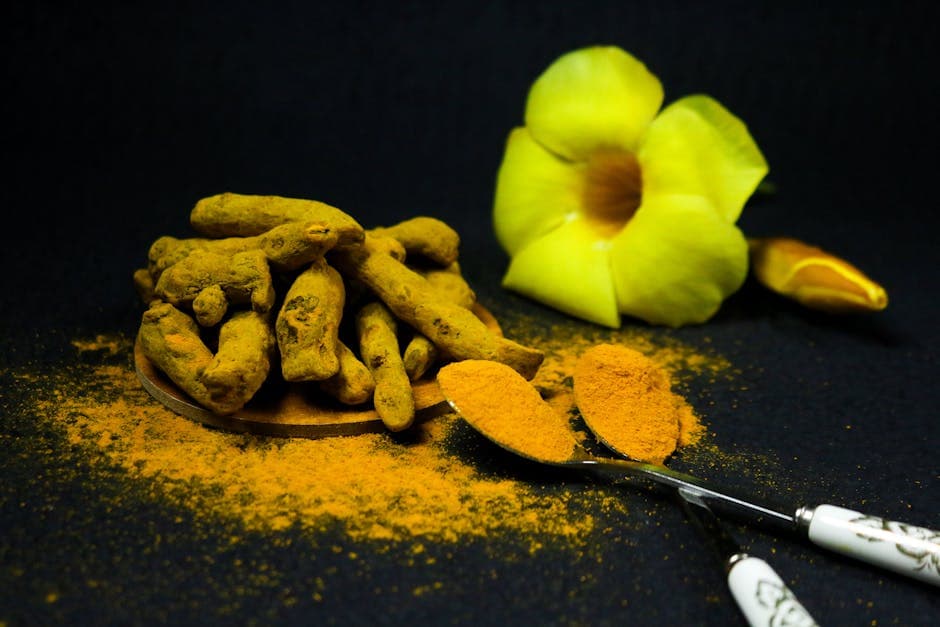
Turmeric is one of the most popular natural soap colorants for good reason. It produces warm golden and yellow tones that synthetic dyes can't quite replicate, and it's been used in skincare for centuries across South Asian and Middle Eastern cultures.
The active compound in turmeric is curcumin, which gives it that deep yellow-orange pigment. In cold process soap, turmeric behaves a little differently than other natural colorants. The high pH of the lye solution can shift the color from bright yellow to a more muted golden or amber tone over time. That's not a bad thing. Most soapmakers love the warm, earthy hue it creates.
Beyond color, turmeric is one of the few natural additives that pulls double duty. It colors your soap and adds functional skin benefits. That's a win-win you don't get from most lab-made colorants.
Turmeric Soap Benefits for Skin
Turmeric has been studied extensively for its skin-related properties. Here's what makes it worth adding to your soap:
Anti-Inflammatory Properties
Curcumin is a well-documented anti-inflammatory compound. In soap, it won't perform like a leave-on treatment since you're rinsing it off. But regular use of turmeric soap can contribute to calmer, less irritated skin over time, especially for people dealing with redness or minor breakouts.
Antioxidant Support
Turmeric is packed with antioxidants that help protect skin cells from environmental damage. While the contact time in soap is short, the antioxidant compounds can still benefit skin during washing.
Skin Brightening
This is the big one that's made turmeric soap viral on social media. Turmeric has been traditionally used to even out skin tone and add a healthy glow. It won't bleach your skin or work overnight, but consistent use can help dull or uneven skin look more radiant.
Gentle Antibacterial Action
Turmeric has mild antibacterial properties, which makes it a nice addition to facial bars or bars designed for acne-prone skin. Combined with the right oil blend, you can create a bar that cleanses without stripping.
Turmeric Powder vs. Turmeric Infused Oil
You've got two main ways to add turmeric to cold process soap, and each gives you different results.
Ground Turmeric Powder
This is the easiest method. You mix food-grade turmeric powder directly into your soap batter at light trace. It's simple and accessible since you probably already have turmeric in your spice cabinet.
Pros:
- Easy to use, no prep needed
- Gives a speckled, rustic look
- More intense initial color
Cons:
- Can feel slightly gritty if you use too much
- More likely to stain washcloths and skin
- Color can shift to brownish tones over weeks
Usage rate: 1-2 teaspoons per pound of oils. Start with 1 teaspoon and increase from there.
Turmeric Infused Oil
This method takes more planning but gives you a smoother, more consistent color without any grittiness. You infuse one of your recipe oils with turmeric before soap making day.
Pros:
- Smooth, even color throughout the bar
- Less staining on skin and cloths
- More predictable results
Cons:
- Requires 6-24 hours of prep time
- Uses slightly more turmeric overall
- Color tends to be lighter than powder method
How to infuse: Add 1-2 tablespoons of turmeric powder to 8 oz of olive oil. Heat gently (not boiling) for 1-2 hours, or let it sit at room temperature for 24 hours. Strain through cheesecloth before using.
Cold Process Turmeric Soap Recipe
Here's a tried-and-true recipe that balances skin benefits, lather, and hardness. It creates a gentle, moisturizing bar with a beautiful golden color.
| Ingredient | Percentage | Purpose |
| ------------ | ----------- | --------- |
| Olive Oil | 35% | Moisturizing, gentle cleansing |
| Coconut Oil | 25% | Hardness, lather, cleansing |
| Shea Butter | 20% | Conditioning, creamy lather |
| Sweet Almond Oil | 10% | Skin softening, light feel |
| Castor Oil | 10% | Lather boost, bubbles |
| Superfat | 5% | Extra moisture |
| Lye Concentration | 33% | Standard for beginners |
| Turmeric Powder | 1.5 tsp per lb of oils | Natural golden color |
Use our Soaply calculator to get exact lye and water amounts for your batch size. Just plug in your oil weights and the calculator handles the rest.
Optional Add-Ins
- Honey (1 tsp per lb of oils): Boosts lather and adds a warm undertone to the color
- Colloidal oatmeal (1 tbsp per lb of oils): Extra soothing for sensitive skin
- Lemongrass essential oil (0.7 oz per lb of oils): Pairs beautifully with turmeric's earthy scent
- Orange essential oil (0.7 oz per lb of oils): Another great complement
Step-by-Step Instructions
What You'll Need
- Digital scale (measure everything by weight)
- Stick blender
- Heat-safe mixing containers
- Silicone soap mold
- Safety goggles and gloves
- Infrared thermometer
- Stainless steel spoon
- Ground turmeric (food grade)
Step 1: Prep Your Turmeric
If you're using the powder method, measure out your turmeric and mix it with 1-2 tablespoons of a lightweight oil from your recipe (sweet almond works great). This creates a slurry that blends evenly into the batter.
If you're using the infusion method, make sure your infused oil is strained and ready to go before you start.
Step 2: Make Your Lye Solution
Put on your safety gear. Measure your distilled water, then slowly add lye to the water (never the other way around). Stir until dissolved and set aside to cool. You want both your lye solution and oils at around 100-110°F before combining.
Step 3: Melt and Combine Oils
Melt your coconut oil and shea butter, then add your liquid oils. Check the temperature.
Step 4: Combine and Blend
Pour the lye solution into the oils and blend with your stick blender until you reach light trace. The batter should look like thin pudding.
Step 5: Add Turmeric
Add your turmeric slurry (or use turmeric-infused oil as part of your recipe oils in Step 3). Blend briefly to distribute evenly. If you're adding essential oils, add them now too.
Step 6: Pour and Insulate
Pour into your mold, tap gently to release air bubbles, and cover with a towel or cardboard. Insulating helps the gel phase, which actually makes turmeric colors brighter.
Step 7: Unmold and Cure
Unmold after 24-48 hours and cut into bars. Cure on a rack for 4-6 weeks, flipping occasionally. The color will mellow from bright yellow to a warm gold during curing.
How to Prevent Turmeric Staining
This is the number one concern people have with turmeric soap, and it's totally manageable.
During Soap Making
- Wear gloves. Turmeric stains hands, counters, and silicone molds.
- Cover your workspace with parchment paper or newspaper.
- Clean tools immediately after use. Turmeric stains set quickly.
- Use stainless steel or glass bowls, not plastic (which stains permanently).
In the Finished Soap
- Use turmeric-infused oil instead of powder. This is the single biggest thing you can do. Infused oil distributes the color without leaving pigment particles that can transfer.
- Keep your usage rate modest. 1-1.5 teaspoons per pound of oils is plenty. Going heavier doesn't improve color much but increases staining risk.
- Let it cure fully. Well-cured soap is less likely to leave color residue. Four weeks minimum, six is better.
- Rinse thoroughly after use. Don't let the lather sit on skin for extended periods.
The truth is that properly made turmeric soap rarely stains skin. The saponification process locks most of the pigment into the soap matrix. It's raw turmeric that stains everything it touches.
Color Expectations and Troubleshooting
What Colors to Expect
- At trace: Bright yellow to golden orange
- After gel phase: Deeper amber or golden
- After 4-6 weeks curing: Warm gold, sometimes with peachy undertones
- After 3+ months: Can fade to a pale cream or tan in some recipes
Common Color Issues
My soap turned brown instead of gold. This usually happens when the turmeric is added to the lye water directly (don't do this) or when too much turmeric is used. The high pH environment can darken turmeric past golden into brown territory. Stick to the recommended usage rates.
The color faded completely. Turmeric isn't the most lightfast colorant. Store your bars away from direct sunlight. If fading is a problem, you can combine turmeric with a small amount of annatto seed oil, which holds its color longer.
Uneven color distribution. This happens when turmeric powder isn't pre-mixed with oil before adding to the batter. Always make a slurry first, or use the infusion method.
The soap looks different inside vs. outside. Bars that go through full gel phase tend to have a more even, deeper color. If you didn't insulate, the outside may have stayed cooler and lighter. This is purely cosmetic and doesn't affect performance.
Tips for the Best Turmeric Soap
- Buy quality turmeric. Grocery store turmeric works fine, but organic turmeric powder from a spice supplier often has higher curcumin content, which means better color and more skin benefits.
- Pair with complementary oils. Sweet almond oil and shea butter both complement turmeric's skin-soothing properties. This recipe uses both for good reason.
- Try it as a facial bar. With the 5% superfat and gentle oil blend in this recipe, it works well as a face soap. Just cure for the full 6 weeks.
- Force gel phase for richer color. After pouring, insulate your mold well. Gel phase intensifies turmeric's golden tones and makes the color more even throughout the bar.
- Combine with other natural colorants. Mix turmeric with a tiny bit of paprika for a warmer orange, or pair it with spirulina for a green and gold swirl. Our natural soap colorants guide has more combinations.
- Label clearly if selling. Some customers may have turmeric allergies (rare but possible). If you sell your soap, list turmeric as an ingredient on your label.
- Use your Soaply lye calculator every time. Don't rely on memory for lye amounts, even if you've made this recipe before. A few grams off can change your superfat and the whole feel of the bar.
💬 Frequently Asked Questions
Does turmeric soap stain your skin?
Properly made turmeric soap won't stain skin. The saponification process binds most of the pigment into the soap itself. Using turmeric-infused oil instead of raw powder reduces any staining risk further. Just rinse well after washing and you'll be fine.
Can you use turmeric soap on your face every day?
Yes, if the recipe is formulated for facial use. Look for a superfat of 5% or higher and gentle oils like olive and sweet almond. Turmeric's anti-inflammatory and brightening properties actually make it a great choice for a daily face bar. Start with every other day to see how your skin responds.
How much turmeric should you add to cold process soap?
Use 1-2 teaspoons of ground turmeric per pound of oils. Start at the lower end and increase next batch if you want deeper color. For turmeric-infused oil, add 1-2 tablespoons of powder per 8 oz of oil and strain before using.
Does turmeric soap help with acne?
Turmeric has anti-inflammatory and mild antibacterial properties that can benefit acne-prone skin. It won't replace a dedicated acne treatment, but regular use of a well-formulated turmeric soap can help reduce redness and calm minor breakouts as part of your overall skincare routine.
Will turmeric soap color fade over time?
Yes, turmeric is not the most lightfast natural colorant. Expect some fading over several months, especially if bars are exposed to sunlight. Store cured bars in a cool, dark place to preserve the golden color as long as possible.
Want to design your own turmeric soap recipe? Head over to our free soap calculator to plug in your oil percentages and get exact lye and water measurements. You can experiment with different oil blends while keeping the math perfect every time.
Ready to Try It?
Use our free soap calculator to create your perfect recipe with real-time property predictions.
Open Calculator