How to Make Avocado Soap (Cold Process Recipe With Fresh Avocado)
Avocado soap recipe step by step. Learn how to add fresh avocado puree or avocado oil to cold process soap for a creamy, green bar that conditions skin.
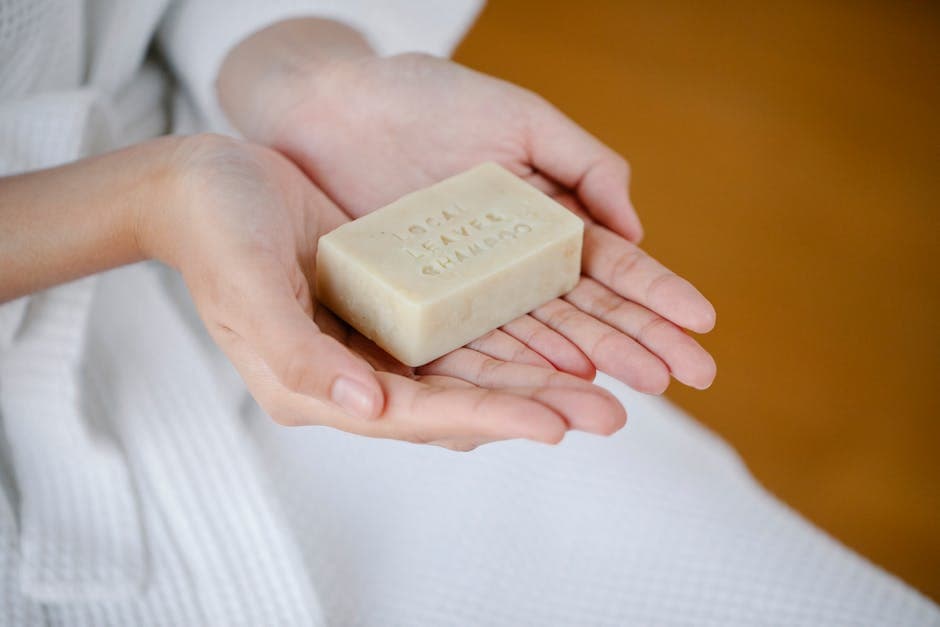
Avocado soap is a cold process bar made with either fresh avocado puree, avocado oil, or both, producing a creamy, mild bar with a soft natural green tint and a rich conditioning feel on skin. The basic move is simple: replace 5 to 10 percent of your batch water with pureed avocado, or include avocado oil at 15 to 25 percent of your oil weight, and the bar takes on the fruit's fat content without much extra work.
People love avocado in soap for the same reasons they put it on toast. It's loaded with monounsaturated fats, vitamin E, and natural plant sterols, all of which translate into a creamy bar that feels gentle on dry or mature skin. A homemade avocado bar costs a fraction of what you'll pay at a farmer's market, and you control exactly how much avocado actually goes in.
- Fresh Avocado vs Avocado Oil: What's the Difference?
- Avocado Soap Recipe
- How to Prep Fresh Avocado for Soap
- Step-by-Step Instructions
- Color: Why Your Avocado Soap Might Turn Brown
- Scent Pairings for Avocado Soap
- Common Mistakes and How to Avoid Them
- Frequently Asked Questions
Fresh Avocado vs Avocado Oil: What's the Difference?
You can make avocado soap two ways, and most recipes do both at once.
Avocado oil is the pressed oil from the fruit. It saponifies just like olive or sweet almond oil and contributes hardness, conditioning, and a small amount of natural color to the finished bar. SAP value sits around 0.133 for sodium hydroxide. It's a stable, predictable soap oil that works at any percentage from a small accent up to 100 percent of the recipe.
Fresh avocado puree is the whole fruit blended smooth and added to the lye solution or to traced batter. The puree carries its own oil content (around 15 percent by weight), water, fiber, and plant pigments. The fiber and natural sugars add a subtle creamy feel to the lather, and the chlorophyll gives the bar its signature green color.
The trick is that fresh avocado is mostly water. If you puree a quarter of an avocado and dump it into a batch, you've effectively added more water to the recipe. That can soften the bar and slow trace if you don't account for it.
A clean approach is to use both. Build the recipe around avocado oil at 15 to 25 percent for predictable performance, then add a tablespoon or two of fresh puree at trace for the color, fiber, and marketing story. That way the bar's chemistry stays solid and the avocado adds character on top.
Avocado Soap Recipe
This recipe makes about 1,000 grams of soap, filling a standard 10 inch silicone loaf mold and yielding 8 to 10 bars.
| Ingredient | Amount | Percentage |
| ------------ | -------- | ------------ |
| Olive Oil | 300g | 30% |
| Coconut Oil (76 degree) | 250g | 25% |
| Avocado Oil | 200g | 20% |
| Shea Butter | 150g | 15% |
| Castor Oil | 100g | 10% |
| Distilled Water | 250g | 33% lye concentration |
| Sodium Hydroxide (Lye) | calculated by Soaply | |
| Fresh Avocado Puree | 30g | added at trace |
| Superfat | 6% | |
| Essential Oil Blend | 30g | 3% of oil weight |
The 20 percent avocado oil gives a clear conditioning lift without making the bar too soft. The coconut keeps lather bubbly, the olive holds the conditioning core, and the shea butter rounds out the skin feel. Castor oil at 10 percent makes the lather creamy and longer-lasting.
Run the numbers through the Soaply calculator before you start measuring. If you change any oil percentages or your superfat, the lye amount changes too, and avocado bars are forgiving on most things but not on lye math.
How to Prep Fresh Avocado for Soap
You want a smooth puree with zero lumps. Lumps mean uneven distribution in the bar and chunks that can go rancid faster than the rest of the soap.
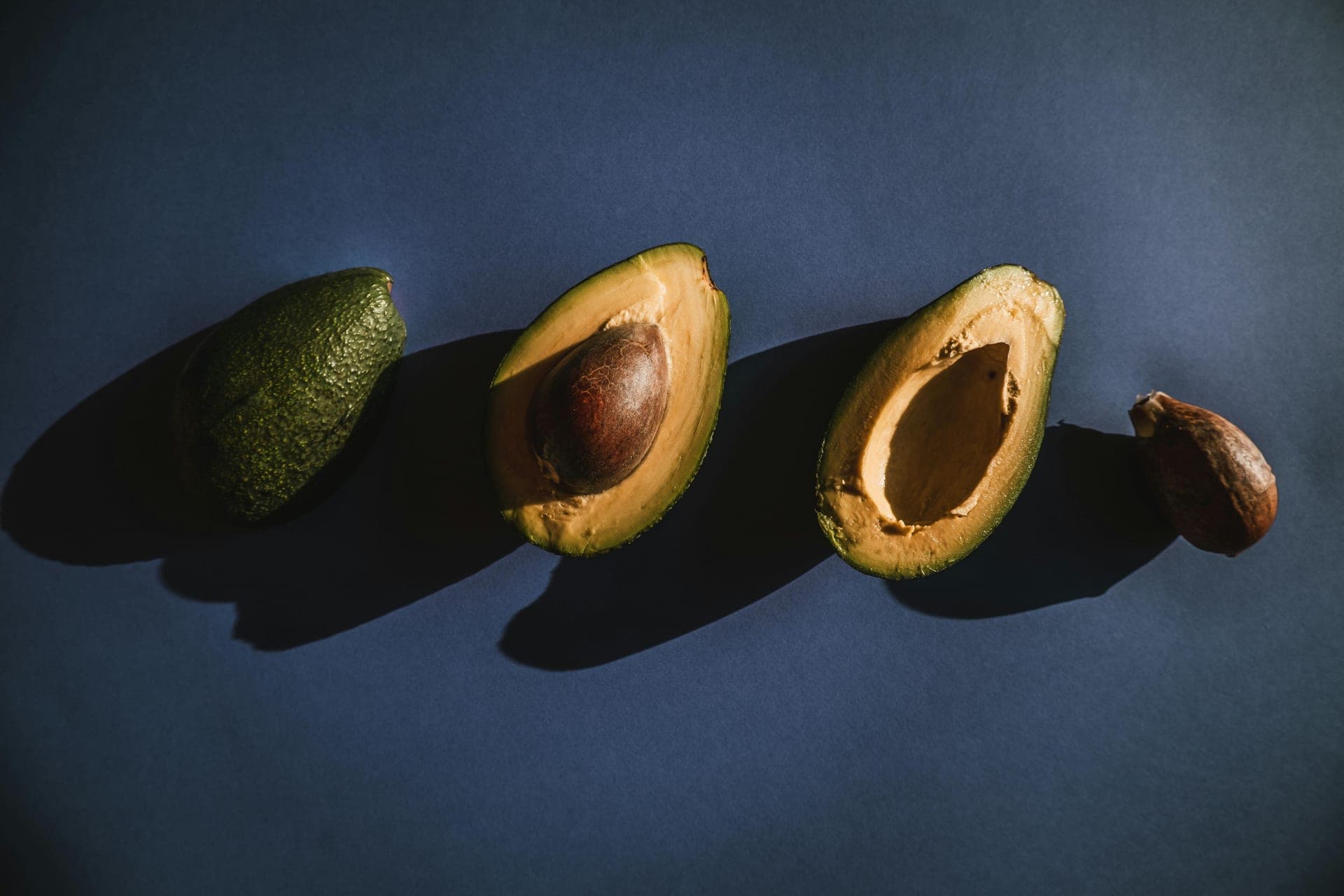
Pick a ripe but not overripe avocado. Slightly soft when pressed, no brown patches, no stringy fibers. Hass avocados work best because they have a higher oil content than the smooth green Fuerte variety.
Scoop the flesh into a small bowl. Mash with a fork, then run an immersion blender through it for 20 to 30 seconds until you have a glossy paste with no visible lumps. If it's not blending smooth, add a teaspoon of your batch's distilled water (subtract that water from the main recipe to stay on target).
For a 1,000 gram batch, you only need 30 grams of puree. That's about a tablespoon and a half, or roughly an eighth of a medium avocado. Save the rest for guacamole. Avocado oxidizes fast once exposed to air, so don't prep the puree until you're 30 minutes from adding it to the batter.
If you want to puree more avocado for a stronger green color, you can push up to 60 grams, but reduce your batch water by an equivalent amount or your bar will be soft for weeks.
Step-by-Step Instructions
Step 1: Gear Up and Prep
Safety goggles, gloves, long sleeves, well-ventilated space. Measure all ingredients by weight, including the avocado puree. Have your mold lined or ready, your stick blender on the counter, and your essential oil pre-measured in a small dish.
Prep the avocado puree last so it doesn't oxidize while you handle the lye.
Step 2: Make the Lye Solution
Slowly add sodium hydroxide to your distilled water while stirring with a stainless steel spoon. Never pour water onto lye. The solution heats to around 180 to 200 degrees F. Set it aside in a safe spot to cool to about 100 degrees F. This takes 30 to 45 minutes.
Step 3: Melt and Blend the Oils
Weigh your solid oils (coconut and shea) and melt them on low heat. Add your liquid oils (olive, avocado, castor) and stir to combine. Let the oil blend cool to roughly 100 degrees F, ideally within 10 degrees of your lye solution.
Step 4: Combine and Stir to Light Trace
Pour the lye solution into the oils through a fine mesh strainer. Pulse the stick blender in short bursts, alternating with hand stirring. Stop at light trace, where the batter falls in a thin ribbon and leaves a faint trail when drizzled over itself.
Avocado oil doesn't accelerate trace, so you have plenty of working time.
Step 5: Add the Avocado Puree
At light trace, add your prepped avocado puree. Pulse the stick blender for 5 to 10 seconds to fully disperse the puree through the batter. Look closely for any green specks that haven't blended in. If you see any, blend a few seconds longer.
The batter should turn a soft yellow-green at this point. Don't panic if it looks more khaki than emerald, the color settles and brightens slightly through saponification.
Step 6: Add Essential Oil and Pour
Pour in your pre-measured essential oil blend and stir or pulse to combine. Pour the batter into your mold and tap gently on the counter to release air bubbles.
Step 7: Insulate or Not (Your Choice)
Avocado soap can go either way. Insulating the mold with a towel pushes it through gel phase, which deepens the green color and gives a slightly more translucent finish. Skipping insulation keeps the color softer and creamier looking.
If your kitchen is over 70 degrees F, no insulation needed. If it's cool, light insulation helps prevent partial gel (a bullseye discoloration through the center of the bar).
Step 8: Cut and Cure
After 24 to 48 hours, unmold the loaf and cut into bars while the soap is still slightly soft. A standard 10 inch loaf cuts into 8 to 10 bars.
Cure on a rack with airflow for 4 to 6 weeks. Avocado bars tend to firm up over time as the extra water from the puree evaporates. A bar that feels slightly soft at week 1 will be rock solid by week 4.
Color: Why Your Avocado Soap Might Turn Brown
This is the part nobody warns beginners about. Fresh avocado puree contains chlorophyll, which gives the lovely green color, but it also contains polyphenol oxidase, the same enzyme that turns cut avocados brown.
In cold process soap, you'll usually see one of three outcomes:
Soft green that stays put. What you want. Happens when the bar avoids gel phase or goes through a fast, complete gel and doesn't sit too hot.
Green that fades to khaki or brown. Happens when the bar sits in extended gel phase at high temperatures, or when too much puree is added (over 5 percent of batch weight) and the chlorophyll oxidizes.
Greenish bar with brown spots or streaks. Happens when the puree wasn't fully blended into the batter. Pockets of unsaponified avocado oxidize and discolor.
You can stabilize the green a little by adding a half teaspoon of spirulina powder along with the avocado, which boosts the chlorophyll content and survives saponification better than the avocado pigment alone. Some makers also add a pinch of French green clay for color insurance.
For a deeper look at how natural greens behave in cold process, the natural colorants guide breaks down chlorophyll-based ingredients and the soaps they work best in.
Scent Pairings for Avocado Soap
Avocado is a near-neutral base, so almost any scent works. The bar's slightly creamy, vegetable-y undertone pairs especially well with:
- Lemongrass and lime. Bright citrus cuts through the creamy base and gives a guacamole-adjacent scent profile without being literal. Use 60/40 lemongrass to lime.
- Bergamot and grapefruit. Sophisticated, slightly bitter, modern spa scent. 50/50.
- Spearmint and eucalyptus. Clean, fresh, herbal. 60/40 spearmint.
- Cedarwood and patchouli. Earthy and grounding for a more masculine bar. 70/30 cedarwood.
- Unscented. Avocado bars marketed as gentle, sensitive-skin soaps often skip scent entirely. The naturally mild aroma of cured avocado oil is clean and slightly nutty.
Keep total fragrance load at 3 to 4 percent of oil weight regardless of which blend you choose. The fragrance load guide covers safe usage rates and how to scale fragrance for any batch size.
Common Mistakes and How to Avoid Them
Adding too much fresh avocado. Over 5 percent of total batch weight pushes too much extra water and oil into the recipe, throwing off the lye math and softening the bar. Stick to 3 to 5 percent puree by batch weight.
Skipping the blend step. Avocado puree needs to be glass-smooth before it goes into batter. Lumps create brown spots and uneven texture.
Hot batter discoloration. If your batch overheats during gel phase, the green will turn brown. Keep the mold somewhere temperate, not on top of the warm oven.
Cutting too late. Avocado bars get harder over time but stay firm-cuttable for about 36 to 48 hours. Past that, you risk a crumbly cut, especially around the edges.
Storing in sunlight. Sun fades natural greens fast. Cure and store bars in a dark cabinet or covered shelf to keep the color from fading to khaki within a few weeks.
Using avocado oil that's gone rancid. Avocado oil has a shelf life of about a year unopened, 6 to 8 months once opened. Old oil produces dreaded orange spots (DOS) on the cured bar. Smell the oil before you use it. If it smells like crayons or paint, toss it.
💬 Frequently Asked Questions
Can you put fresh avocado in cold process soap?
Yes. Fresh avocado puree is added at trace, after the lye and oils have combined, at about 3 to 5 percent of batch weight. The puree adds natural green color, fiber, and a slight creamy lather. Don't add raw avocado to the lye solution itself, the high pH and heat can break down the chlorophyll and turn the bar brown.
Is avocado oil good for soap making?
Avocado oil is one of the best conditioning oils available for cold process. It's high in oleic acid and natural unsaponifiables that give a silky, moisturizing feel without making the bar overly soft. Most recipes run it at 15 to 25 percent of total oils, though some makers go up to 100 percent for ultra-gentle bars.
Does avocado soap turn brown?
It can, depending on how the bar is made and stored. Brown color usually comes from extended gel phase at high heat, too much fresh puree (over 5 percent), poorly blended puree, or sun exposure during cure. Keeping the puree dose modest, blending it fully into batter, and curing in a dark space all help the green hold.
What does avocado soap do for skin?
Avocado soap is a mild cleansing bar with extra conditioning from the avocado oil and trace nutrients from the fresh fruit. The bar feels creamy and gentle, which works well for dry, mature, or sensitive skin. It's not a medical product and won't treat specific skin conditions, but the high oleic content makes it less stripping than coconut-heavy bars.
How long does avocado soap last?
A properly cured avocado bar with a 6 percent superfat lasts 12 to 18 months in normal storage. Avocado oil is more prone to going rancid than olive or coconut, so store cured bars in a cool, dry, dark place and use within a year for best results. Adding a small amount of rosemary oleoresin extract (ROE) at trace helps extend shelf life by slowing oxidation.
Run the Numbers Before You Pour
The recipe above works as written, but the moment you swap an oil or change the superfat, the lye amount changes. Plug your final oil weights, superfat, and water amount into the Soaply calculator before you measure. You'll get the exact lye amount and a fatty acid breakdown that confirms your bar is balanced for hardness, conditioning, and lather.
Once the numbers check out, prep your avocado, work cool, blend smooth, and give the bars a full cure. The green will hold, the lather will stay creamy, and the bar will feel as gentle as the fruit it's made from.
Ready to Try It?
Use our free soap calculator to create your perfect recipe with real-time property predictions.
Open Calculator