Why Is My Body Butter Grainy? How to Fix It and Prevent It
Grainy body butter comes from shea and other butters crystallizing as they cool slowly. Learn why it happens, how to fix a gritty batch, and how to stop it.
This article contains Amazon links. As an Amazon Associate, Soaply earns from qualifying purchases at no extra cost to you.
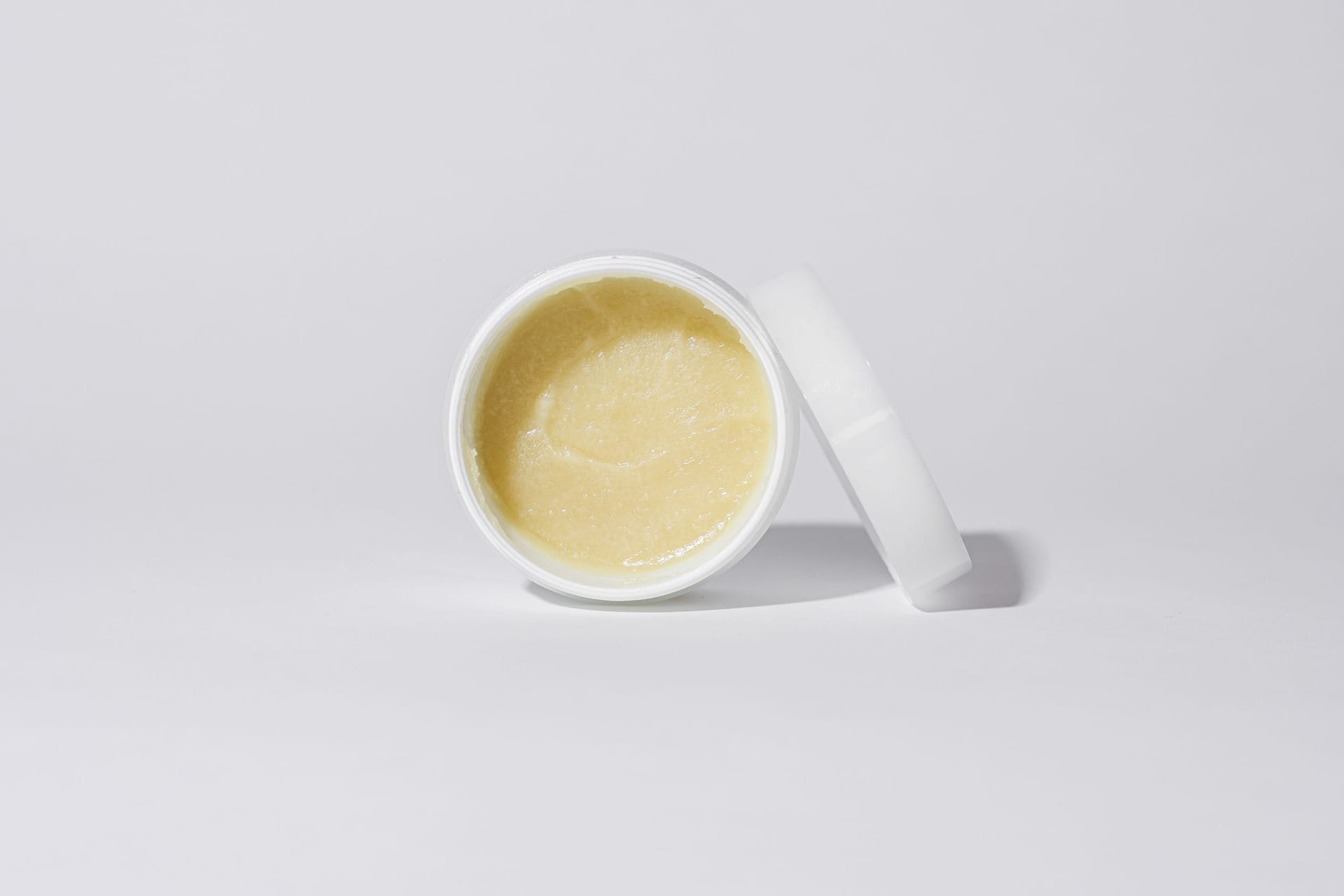
Grainy body butter happens when the butters in your recipe, usually shea, cool too slowly and their fats harden into gritty crystals you can feel on your skin. It isn't spoiled and it isn't dangerous. The grit is just fat that set in the wrong form. You fix it by melting the whole batch fully, holding it warm for a few minutes to erase those crystals, then chilling it fast so new ones stay too small to feel. Below you'll find exactly why it happens, how to rescue a batch you've already made, and the cooling routine that keeps it from coming back.
The fast fix: Re-melt the butter in a double boiler until it's fully clear and liquid, around 170 to 175°F (about 77 to 80°C). Hold it there for 10 to 15 minutes, then chill it quickly in the fridge or freezer until firm. Fast cooling is what keeps the crystals small.
- What "Grainy" Body Butter Actually Is
- Why Body Butter Turns Grainy
- How to Fix Grainy Body Butter, Step by Step
- Is Grainy Shea Butter Still Good to Use?
- How to Prevent Graininess Next Time
- Which Butters Go Grainy and Which Don't
- Frequently Asked Questions
What "Grainy" Body Butter Actually Is
Those tiny grits are crystals of fat. Butters like shea aren't a single fat. They're a blend of several triglycerides and fatty acids, and each one hardens at its own temperature. Shea has a notably wide melting range because of that mix, with stearic and oleic acids making up most of it. When the blend cools, the higher-melting fats set first while the rest is still soft, and if they're left to sit, those early crystals keep growing into larger grains. Rub the butter between your fingers and you feel them as sandy specks.
Here's the part that trips people up: the same fat can set into more than one crystal shape. Soft, cool slow, and it tends to form big, stable crystals that feel gritty. Melt it fully and cool it fast, and it forms small, unstable crystals that feel smooth. The chemistry word for this is polymorphism, but you don't need the term to use it. The whole game is which crystal form you lock in, and that's decided almost entirely by how the butter cools, not by your recipe.
So grainy body butter is almost never a measuring mistake. You can nail your ratios perfectly and still get grit if the cooling went wrong. That's good news, because it means the fix is about temperature and timing, both of which you control.
Why Body Butter Turns Grainy
A few things push a batch toward grit. Usually it's more than one of them at once.
Slow cooling is the big one. If you pour warm butter into a jar and leave it on the counter to set over a few hours, the hard fats have all the time they need to crystallize into large grains. A batch that cools over hours is far grittier than the same batch chilled in 30 minutes.
The butter was never fully melted. If you only soften shea to a spreadable paste instead of melting it to a clear liquid, some crystals from the original butter survive. Those leftover crystals act as seeds, and the new batch grows grit around them almost immediately. You have to melt past the point where it looks done.
Temperature swings in storage or shipping. This is why raw shea butter so often shows up grainy straight from the supplier. A tub that warms in a hot delivery truck, partly melts, then cools again in a cool warehouse has gone through an uncontrolled melt-and-set cycle. The same thing happens to a finished jar left in a hot car or on a sunny windowsill. Every swing is another chance for big crystals to form.
A high proportion of hard butter. A recipe that leans heavily on shea, cocoa butter, or mango butter with little liquid oil has more crystallizing fat and firmer structure, so grit shows up more readily. More liquid oil in the blend dilutes the hard fats and softens the texture, which makes grains less likely and less noticeable.
Notice what isn't on that list: going rancid, using "bad" butter, or adding too much of something. Graininess is a physical change in how the fat is arranged, not a sign the butter has gone off.
How to Fix Grainy Body Butter, Step by Step
Good news first: a grainy batch is almost always rescuable. You're going to melt it down and reset the crystals. Set aside about an hour, most of which is hands-off chilling time.
Step 1: Melt It All the Way Down
Scoop the grainy butter into a heatproof bowl set over a pot of barely simmering water, a plain double boiler. Heat it gently until every bit is clear, liquid, and smooth, with no cloudy streaks or soft lumps left. You're aiming for roughly 170 to 175°F (about 77 to 80°C). A digital kitchen thermometer takes the guesswork out of this. The goal is to erase every existing crystal, so err toward fully melted rather than just warm.
Step 2: Hold It Warm for a Few Minutes
Keep it at that temperature for 10 to 15 minutes. This short hold makes sure the stubborn, higher-melting crystals are gone and don't survive to seed the next set. Don't let the water boil hard underneath, and don't walk away for long, because scorching the oils is the one way to actually ruin the batch. Gentle and steady wins here.
Step 3: Chill It Fast
Take the bowl off the heat and move it straight to the fridge or freezer. Speed is the whole point now. You want the butter to pass through its crystallizing range quickly so it sets into small, smooth crystals instead of large gritty ones. In the fridge that's usually 30 to 45 minutes; in the freezer, more like 15 to 20. Pull it when the edges are firm and the center is the texture of soft butter.
Step 4: Whip, Then Keep It Cool
Whip the chilled butter with a hand mixer until it's light and fluffy, then jar it. From here, storage matters. Keep the finished jar somewhere cool and stable so it doesn't melt and re-set on its own. If your home runs warm, the fridge is a fine home for body butter. For the full method from scratch, including ratios, see our guide on how to make moisturizing body butter.
One honest caveat: if a batch is only lightly gritty, you may be tempted to just whip it harder and hope the air hides the texture. That can mask it for a day, but the crystals are still there and the grit tends to return. A full re-melt is the only reliable fix.
Is Grainy Shea Butter Still Good to Use?
Yes. Graininess is a texture problem, not a spoilage problem. Grainy shea butter or a gritty jar of body butter is still perfectly safe on your skin, and it hasn't lost any of its conditioning benefit. The grains even melt at skin temperature, so once you rub the butter in they disappear and it moisturizes exactly as it should. The only thing you've lost is the smooth, luxurious feel going on.
The real test for whether a butter has gone bad is smell, not texture. Fresh shea has a mild nutty or smoky scent; rancid oil smells sharp, sour, or like old crayons. If your butter smells fine and only feels gritty, it's good. Reset the texture with the re-melt above and use it. If it smells off, that's a different problem, and no amount of re-melting will fix rancidity.
How to Prevent Graininess Next Time
Preventing grit is easier than fixing it, and it comes down to the same lever: melt fully, cool fast.
Melt to a clear liquid every time. Don't stop at soft and spreadable. Take the butters all the way to clear so no original crystals survive. Holding them warm for 10 to 15 minutes, as in the fix above, is cheap insurance on every batch, not just rescues.
Chill, don't counter-cool. This is the single most effective habit. The moment your oils are blended, get the bowl into the fridge or freezer rather than leaving it to set slowly at room temperature. Fast cooling locks in the smooth crystal form.
Blend in more liquid oil if grit is a recurring problem. A batch that's very heavy on hard butters is more prone to grain. Shifting a little of the shea or cocoa butter over to a liquid carrier like jojoba oil or sweet almond oil softens the texture and gives the hard fats less to crystallize around. If you want to see how the balance of hard and soft fats changes the feel, run your recipe through the free Soaply body butter calculator. It works out exact weights for any jar size and makes it easy to nudge the ratios.
Store the finished jars cool and steady. Keep body butter out of hot cars, away from sunny windows, and off the shelf above the stove. Every melt-and-reset cycle is a fresh chance for grit, so a stable temperature protects a smooth batch.
Start with butter that was stored well. If a tub of raw shea arrives grainy, a full melt-and-chill before you even start resets it. Buying from a supplier with good climate control helps, but since you can't see how it traveled, treating every new batch to a proper melt is the safe move.
Which Butters Go Grainy and Which Don't
Not every butter is equally fussy. Knowing the ranking helps you build a recipe that behaves.
| Butter | Grain risk | Notes |
| -------- | ----------- | ------- |
| Shea butter | High | The usual culprit. Wide melting range and lots of stearic acid make it crystallize readily. |
| Mango butter | Moderate | Can grain under slow cooling, though it's often a bit more forgiving than shea. |
| Cocoa butter | Moderate | Hard and prone to its own "bloom," the pale crystal film you see on old chocolate. |
| Kokum butter | Low to moderate | Has a tighter, more uniform crystal structure, so some makers use a little to stabilize a blend. |
| Liquid oils | None | Jojoba, almond, and the like stay liquid, so they only ever help by diluting the hard fats. |
The pattern is simple: the harder and more complex the butter, the more it wants to grain, and the more a fast chill matters. A recipe heavy on shea butter needs careful cooling; one with a modest amount of butter and plenty of liquid oil almost takes care of itself.
If all of this has you wondering whether body butter is even the right product for you, our breakdown of body butter vs lotion walks through when a water-free butter beats a lighter emulsified lotion, and the other way around.
💬 Frequently Asked Questions
Is grainy body butter still safe to use?
Yes. Graininess is a change in how the fat crystallized, not a sign of spoilage, so a gritty batch is safe and still moisturizes. The grains even melt into your skin as you rub them in. Check the smell to judge freshness; texture alone tells you nothing about whether the oil has gone off.
Why does my shea butter keep going grainy?
Almost always because it's cooling too slowly or wasn't melted fully before it set. Shea is a mix of fats with different melting points, and slow cooling lets the hard ones grow into large, gritty crystals. Temperature swings in storage or shipping cause the same thing.
Can you fix grainy body butter without starting over?
You don't have to toss it, but you do have to re-melt it. Warm the whole batch to a clear liquid, around 170 to 175°F, hold it there briefly, then chill it fast in the fridge or freezer. Just whipping grit harder only hides the texture for a day or so.
Does adding more oil stop body butter from being grainy?
It helps. More liquid oil dilutes the hard, crystal-forming fats and softens the overall texture, so grains are both less likely to form and harder to feel. It won't rescue a batch that cooled slowly on its own, but as a recipe tweak it makes future batches more forgiving.
How do I keep homemade body butter smooth long term?
Melt fully, chill fast, and store cool. After the butter sets smoothly, keep the jar away from heat and sunlight so it doesn't partly melt and re-crystallize on its own. In a warm house, storing body butter in the fridge keeps the texture stable for months.
Keep Your Butters Behaving
Grainy body butter is one of the most fixable problems in bath and body making, because the cause and the cure are the same thing: how the fat cools. Melt it fully, chill it fast, and store it cool, and grit rarely comes back. When you're ready to build or resize a batch, the Soaply body butter calculator gives you exact ingredient weights and a cost per jar, so you can dial in the balance of hard butters and liquid oils that stays smooth for you.
Ready to Try It?
Use the free Soaply body butter calculator to size your batch and get every ingredient in grams and percent.
Open Calculator